
Dōtonbori Osaka: Things to See, Eat and Do at Night
Discover Dōtonbori in Osaka: neon signs, the canal, takoyaki, okonomiyaki and a lively atmosphere after dark, with practical visiting tips.
Shirakawa-go is known for its gasshō houses with thatched roofs, mountain scenery and a rural way of life that can still be felt in the village. The hamlet of Ogimachi, in Gifu Prefecture, brings together the main sites to discover: traditional farmhouses, an open-air museum, a temple museum and a viewpoint. Ideally, allow several hours on site and, if your itinerary allows, spend a night in a guesthouse so that you can enjoy the tranquillity before day visitors arrive.
This stop in the Japanese Alps combines naturally with Takayama or Kanazawa. Shirakawa-go is not served by train: you need to arrange the journey by bus or car, and check timetables, road conditions and booking requirements with the transport operators before setting off. Listed as a UNESCO World Heritage Site since 1995, the historic village is also a lived-in place: respecting areas where photography is prohibited and the residents’ peace and quiet is an essential part of the visit.
In brief

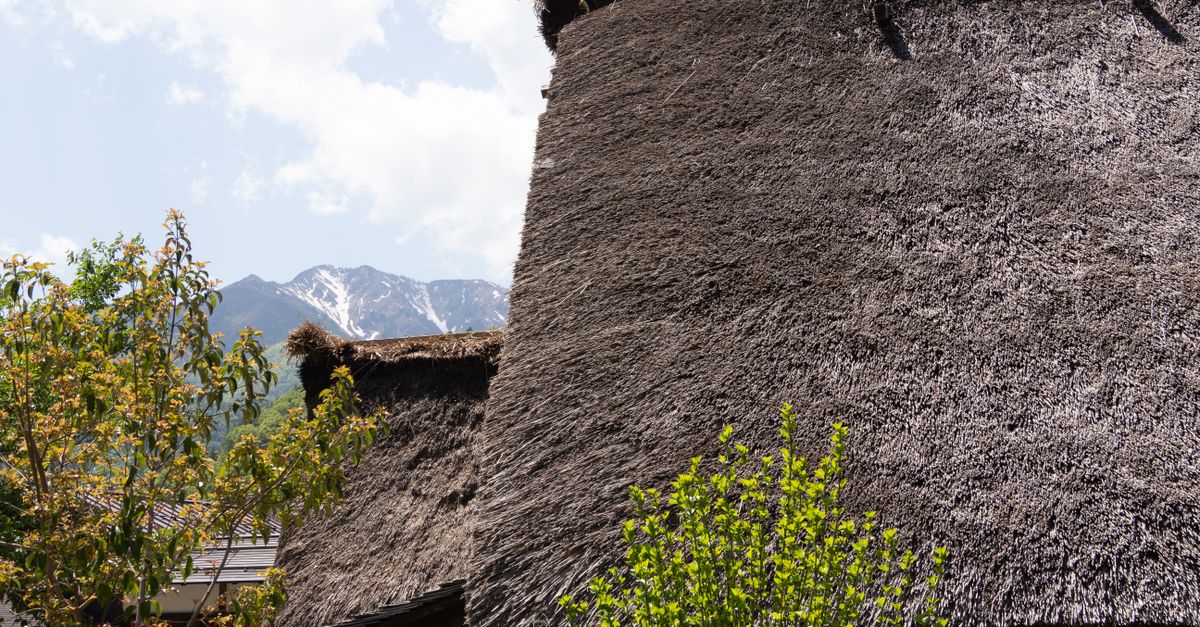
Shirakawa-go’s distinctive character comes from its gasshō-zukuri farmhouses, whose name evokes hands joined in prayer. The very steep shape of their roofs responds to the heavy snowfall in this mountain valley: it helps limit the accumulation of snow on the thatched covering. These buildings are evidence of traditional architecture adapted to the climate and local resources, rather than a style designed solely for appearance.
The large timber frames and spaces beneath the roofs served several purposes. The farmhouse was both a living space and a place of work; the lofts were used in particular for raising silkworms, an important activity in a region where arable land was limited. The interior layout therefore provides concrete clues about how families made use of every level of their homes.
Roof maintenance traditionally depended on mutual support between residents. This collective aspect helps explain why Shirakawa-go’s heritage is not limited to a series of old buildings: it also includes practices and a social organisation shaped by isolation. The Historic Villages of Shirakawa-go and Gokayama were added to the UNESCO World Heritage List in 1995, notably because of the value of their architecture and way of life.
To place this stop within a wider circuit, the Japanese Alps itinerary makes it possible to combine Shirakawa-go with other mountain landscapes and towns. Shirakawa-go makes most sense when viewed as a living village, where preserving the houses also depends on visitors behaving respectfully.
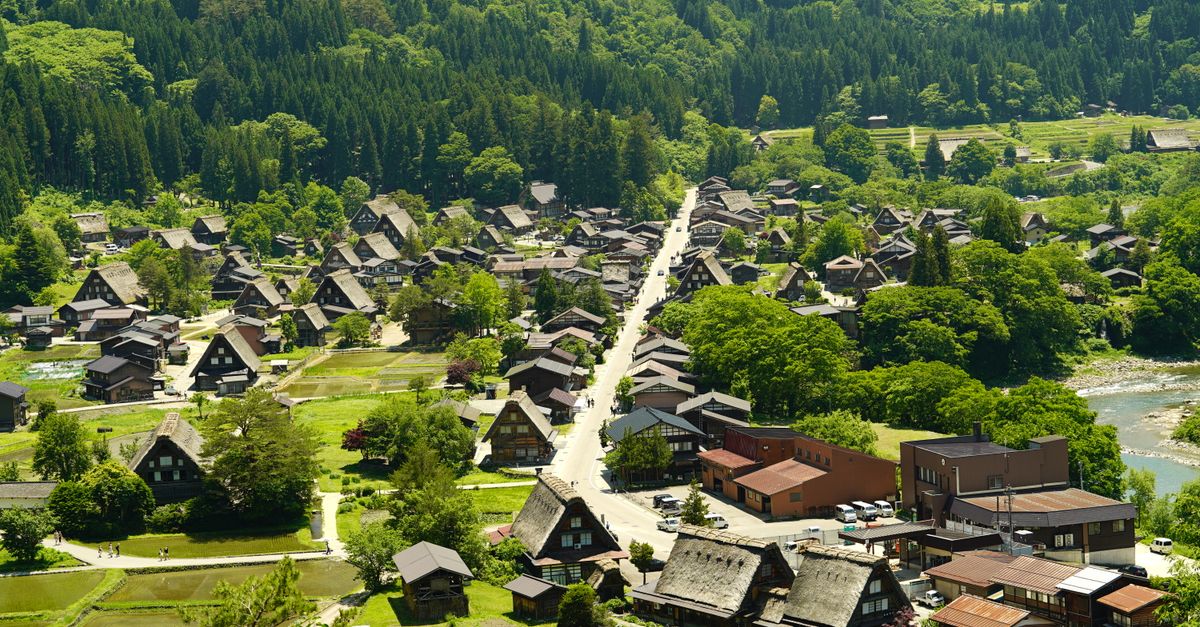
Ogimachi is the heart of the visit and the best place to see the gasshō houses in their surroundings. Paths cross the hamlet between gardens, cultivated plots and traditional buildings. This is not a closed-off set: families still live in some of the houses, so you should remain on accessible routes and avoid treating private courtyards as exhibition spaces.
The viewpoint on the hillside offers a panorama of the roofs and valley. You can walk up by way of a path or take a shuttle when one is operating; access conditions and timetables change according to the season and should be checked locally. Taking time to stop and look makes it easier to appreciate the layout of the hamlet and the relationship between the houses, fields and wooded areas.
Walking through the streets completes the panorama: it allows you to observe the differences between the farmhouses and see how the roofs fit into the landscape. Signs restricting photography must be respected, particularly in residential lanes. Taking a photograph from a public area does not justify entering private property or disturbing residents.
Gasshozukuri Minkaen is an open-air museum made up of traditional houses relocated from nearby areas. It introduces the domestic and agricultural functions of the buildings, as well as tools connected with local occupations. The visit helps you understand the Ogimachi farmhouses more precisely: a large building was not simply a home, but a collection of spaces designed for work and storage.
Wada House and the temple museum of Myozenji can also complete the route, depending on the day’s opening hours. As access times and prices may change, it is best to confirm them with the establishments before visiting. To prepare a broader map of the country, also see this guide to Japan’s regions and cities.
Shirakawa-go does not have a railway station. The bus is therefore the usual way to reach Ogimachi from Takayama or Kanazawa, while a car offers greater flexibility, particularly for exploring the surrounding area. Journey times, frequencies and fares vary according to the service, period and road conditions: check this information with bus companies and official tourism organisations when booking.
| Starting point | Practical option | What to check before travelling |
|---|---|---|
| Takayama | Bus to Shirakawa-go | Booking, timetables and winter conditions |
| Kanazawa | Bus to Shirakawa-go | Availability, stops and return timetable |
| Tokyo or another major city | Train to an intermediate city, then bus | Connections and Japan Rail Pass coverage |
The journey between Takayama and Kanazawa via Shirakawa-go makes the village a stop on your route rather than a day return. This arrangement avoids retracing your steps and fits well into a Japanese Alps circuit. The guide to accommodation in Takayama can help you plan a night before or after your visit.
In winter, the mountain road may be affected by snow or traffic disruptions. Check information published by transport operators and local authorities before leaving, and allow extra time for connections. The Japan Rail Pass does not replace the bus ticket: check the conditions for each part of the journey separately.
To get online as soon as you land, a Japan eSIM can be installed before you leave, with no need to look for a local SIM card.
Each season changes the appearance of the village. Winter attracts visitors with its snow-covered roofs, but requires more careful preparation, as the weather can complicate travel and illumination events have specific arrangements. Their dates, access conditions and any booking requirements should be checked with the local tourism organisation: they should not be assumed to remain the same from one year to the next.
In spring, the gardens and landscapes regain their colour, while autumn highlights the wooded hills. Summer reveals the rice fields and lush surroundings, although rain and humidity can affect the comfort of walking. To choose a period that fits the rest of your stay, the guide to Japan in March and cherry-blossom weather provides a useful reference for planning early spring.
A day trip is enough to see the main sites, but staying in a minshuku changes the pace of the experience. These family-run guesthouses offer an experience closer to local life than a simple photo stop; some are housed in traditional farmhouses. Meals may showcase regional products such as buckwheat or Hida beef, depending on the establishment and season. You need to book directly with the accommodation and check the meals, arrival arrangements and cancellation conditions.
Spending the night on site mainly allows you to walk around early, when the streets are quieter, and see the village after day-trippers have left. If you are not staying in Ogimachi, choose an early bus and plan a return journey that does not force you to cut your visit short. Cultural tourism is more rewarding when it leaves time for observation rather than becoming a rapid succession of photo stops.
Visitor numbers often peak in the middle of the day, when excursions arrive from nearby cities. Arriving early or spending a night on site allows you to discover the lanes in a more peaceful atmosphere. Even outside peak periods, Shirakawa-go remains a place where people live: avoiding excessive noise, not blocking paths and following local guidance all help preserve the balance between welcoming visitors and residents’ daily lives.
Areas marked as off-limits to photography should be treated as clear boundaries, not suggestions. You should also avoid photographing residents without their permission and crossing fences to obtain a better angle. These simple actions protect families’ privacy and allow visitors to enjoy the village without turning private spaces into attractions.
If you would like to explore gasshō houses away from the busiest areas, the hamlets of Gokayama, particularly Ainokura and Suganuma, are another possibility in the region. Transport conditions and site opening hours should be checked before setting off. Whichever village you choose, the best memories often come from an attentive visit: look at the timber frame, understand how the buildings were used and leave space for the people who live there.
Allow several hours to explore Ogimachi, walk up to the viewpoint and visit one or more museums. Spending a night on site allows you to discover the village early in the morning and avoid limiting your visit to a day trip.
The village is not served by train. Buses connect it in particular with Takayama and Kanazawa; check timetables, fares and bookings with the operators before setting off.
Winter offers snowy landscapes but requires more organisation. Spring, summer and autumn have different colours and conditions; choose according to the weather, transport and the rest of your itinerary.
Yes, some minshuku are located in gasshō-zukuri farmhouses. Availability, meals and booking conditions vary between establishments; contact them directly to confirm the details.
To book tours and activities in Japan ahead, see the options on Klook.
Updated on 20/11/2026
Scroll to see more articles →