
Why stay in Takayama
Takayama is one of Japan’s most charming towns:
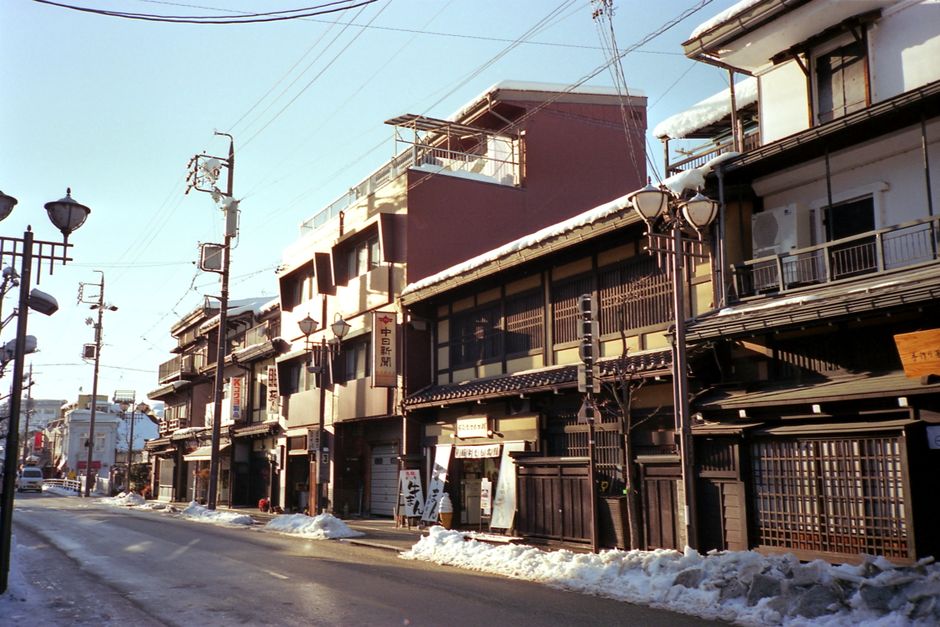
- Old Takayama (Sanmachi Suji) – A preserved Edo district, with sake breweries open in the morning.
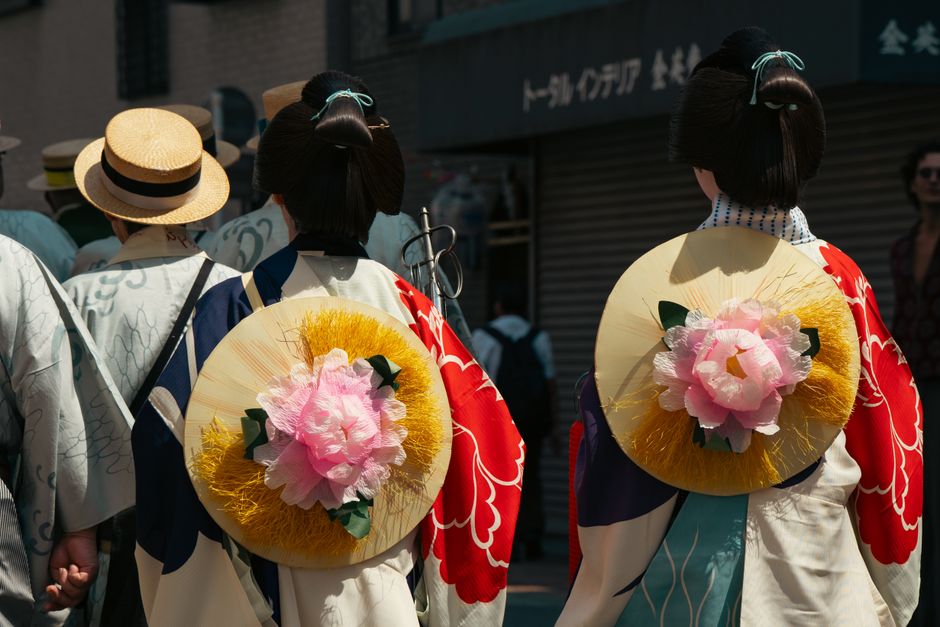
- Float festival – Yatai (festival floats) in April and October.
- Sake breweries – 7 historic breweries open to the public.
- Hida beef – Several times ranked among the best Japanese beef.
- Shirakawa-go – UNESCO village 1 hour away by bus (gassho-zukuri, thatched roofs).
Luxury ryokans in Takayama
A few quality ryokans:
- Ai Shimizu Bessho Hanami – Small boutique hotel with 5 rooms. From 18 000 yens.
- Honjin Hiranoya Bekkan (Soh) – 4-star ryokan, 30 rooms. From 25 000 yens.
- Takayama Ouan – Hotel-ryokan opposite the station, rooftop onsen. From 18 000 yens.
- Oiri Wasen Takayama – Converted traditional house, 6 rooms. From 22 000 yens.
Compare the actual prices on Booking Takayama.
Mid-range and budget hotels and ryokans
Several options for every budget:
- Sumiyoshi Ryokan – Traditional ryokan, 20 rooms, from 14 000 yens.
- Ryokan Asunaro – 30 rooms, from 16 000 yens.
- Hotel Join – Boutique hotel 5 minutes from the station. From 10 000 yens.
- KHAKI Country Hostel – Rural hostel, from 6 000 yens.
- Yamakyu Hida Hotel – Station hotel 2 minutes away. From 9 000 yens.
Hotels by budget
Takayama is very accessible:
- budget (5 000-9 000 yens / 30-55 EUR) – Hostels, guesthouses.
- mid-range (10 000-18 000 yens / 60-115 EUR) – Mid-range ryokans, hotels.
- upmarket (20 000-30 000 yens / 125-190 EUR) – High-end ryokans.
- luxury (35 000+ yens / 220+ EUR) – Best ryokans.
How to get to Takayama
Takayama is on the JR Takayama Line:
- From Nagoya – JR Wide View Hida (2h30, 5 510 yens).
- From Tokyo – Hikari Shinkansen to Nagoya (1h40), JR Hida (2h30).
- From Kyoto – Shinkansen to Nagoya (45 min), then JR Hida (2h30).
- From Kanazawa – Shirakawa (1h30 to 1h50, bus).
For flights to Nagoya: Skyscanner Nagoya.
Restaurants in Takayama
Takayama is a food-lover’s destination:
- Hida Beef – Local marbled beef, enjoyed as steak, sushi or shabu-shabu.
- Morning Market – Market from 6am-12pm: mountain vegetables, sake.
- Sanmachi Suji – Sake breweries open free of charge from 9am.
- Hoba-miso – Local dish made with miso grilled on a hoba leaf.
See Japanese cuisine.
Book at the best price in Takayama
Tips:
- Spring and autumn – Float festival (14-15 April, 9-10 October): book 6 months in advance.
- Winter – Lower rates.
- Hodaka Mountains – Skiing and onsen, 90 minutes away by bus.
Compare the actual prices on Booking Takayama.
In Takayama, your choice of accommodation genuinely changes the way you experience the town. Staying near Sanmachi Suji offers a heritage atmosphere that feels almost cinematic, with wooden façades, sake breweries and quiet lanes that take on a different character as evening falls. By contrast, the area around JR Takayama Station is better suited to travellers who want to streamline their journeys, make handling luggage easier and set off easily on an excursion to Shirakawa-go, Kamikochi or the Hida valleys. Between the two, it is not simply a question of comfort, but a very practical trade-off between immersion, convenience and the pace of your visit.
The choice between a ryokan and a Takayama hotel follows the same logic. The former promises a complete Japanese experience, with tatami, futons, and sometimes a shared or private hot bath, often accompanied by a kaiseki dinner that turns the evening into a memorable part of the stay. The latter, more straightforward for many French-speaking travellers, offers reassurance through conventional beds, stable Wi-Fi, more flexible hours and an often simpler arrangement when an early departure is planned. In a town as compact as Takayama, these differences matter more than elsewhere, as they directly affect the quality of getting around, resting and taking excursions.
The time of year you travel also plays a decisive role. Between the year-round morning market, the days of the Takayama Matsuri in spring and autumn, the mildness of the green months and the more tranquil atmosphere of winter, accommodation fills up according to very different patterns. The Takayama hotels most in demand are not simply those with the best reviews, but those that match the right area, the right style of overnight stay and the right calendar. This is what makes for a smooth stay—or, conversely, a string of avoidable minor inconveniences.
Where to stay in Takayama: Sanmachi Suji old town or the JR Takayama Station area
In Takayama, two areas account for most of the important accommodation decisions. The first is the old town of Sanmachi Suji, around the merchants’ houses, small sake breweries and morning market. The second is around JR Takayama Station, which is more modern and more convenient for late arrivals, early departures and bulky luggage. Between these two hubs, the centre remains compact, but the atmosphere is completely different, which is enough to shape an entire stay.
Sanmachi Suji first appeals to travellers who come for the atmosphere. In the morning, you can head down to the stalls selling mountain vegetables and local produce, as well as the shops that gradually open, while the streets still retain a certain tranquillity. In the evening, once the day-trippers have left, the area feels more authentic and lets you experience Takayama without the pressure of timetables. For a couple, a honeymoon or a two-night stay focused on walking and photography, this area often offers the greatest emotional reward. However, you have to accept narrower streets, less direct access by car and, depending on the address, a walk with your luggage to the accommodation.
The JR Takayama Station area has a different appeal. It is better suited to those arriving by train, travelling to Shirakawa-go by bus, or making several transfers without wanting to carry their luggage for long. Hotels there are often easier to book at short notice, and there is a wider choice of modern options designed for independent travellers. The main drawback is the atmosphere: you sleep closer to a transport hub than to a historic setting. For a one-night stay or a practical stop on a busy itinerary, however, this compromise remains very sensible.
The best approach is to choose the area according to the time available. With just one night, the station makes everything easier. With two nights or more, Sanmachi Suji offers a noticeably better stay, especially if the aim is to enjoy the early morning and the peace and quiet in the late afternoon. It is not a question of prestige, but of pace: Takayama is best experienced when the hotel or ryokan supports the actual way you plan to travel.
In practice, the best area depends on the type of stay:
- Sanmachi Suji for an immersive experience, walks on foot and travellers who want to experience the city early in the morning and late in the evening.
- JR Takayama Station for late arrivals, early departures, bulky luggage and a series of excursions.
- Somewhere in between for a balanced stay, when the accommodation is within walking distance of both worlds.
This first choice often shapes everything else, including the decision between a ryokan and a modern hotel. This is precisely where comfort becomes something very concrete.
Traditional ryokan or modern hotel in Takayama: comfort, baths, futons and practical considerations
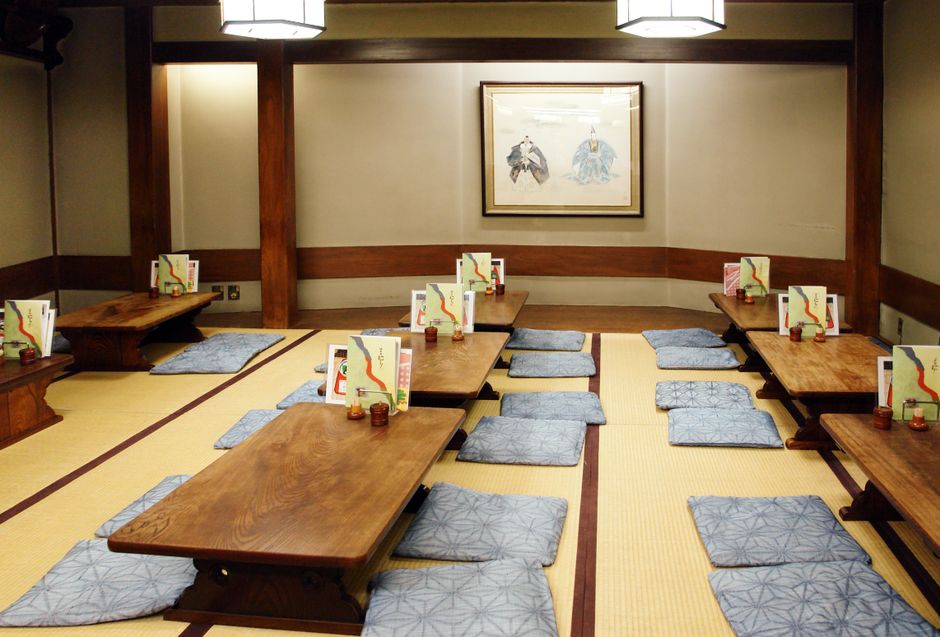
The ryokan remains the most memorable option for anyone wanting to experience Takayama as a distinctly Japanese stopover. You will often enter after removing your shoes, discover tatami rooms and a futon laid out in the evening, and experience a slower, more ritualised way of using the space. At some establishments, the bath is even a central attraction, with a public or private onsen, turning the night into a relaxing experience rather than a simple stop on the road.
This option is particularly well suited to travellers who want their accommodation to become part of the memory. A kaiseki dinner, when available, adds a strong gastronomic dimension: beautifully presented dishes, seasonal ingredients, produce from the Hida region and a calm pace of service. This setting works very well for a romantic stay or a first ryokan experience. However, you need to accept a few differences from Western standards: futons may be less comfortable for some backs, mealtimes can be more structured, the space may be more compact than in a conventional hotel room, and the arrangements require a little forward planning.
The Takayama hotel in Western style meets more practical needs. A standard bed is reassuring, a private bathroom requires no adjustment, the Wi-Fi is often more reliable, and everything makes family stays, business trips and busy itineraries easier. For those leaving early for Shirakawa-go or travelling between several stations and buses, a modern hotel may be the most restful solution in practical terms. You can settle in quickly, unpack quickly and leave quickly.
Budget also plays a role, but not in a straightforward way. Mid-range ryokans can offer better value than an ordinary hotel if they include a bath, attentive service or an evening meal. Conversely, some well-located hotels near the station offer a very strong balance between efficiency and price for travellers who would rather spend more on sightseeing, transport or dining. This is why it is better to think in terms of actual use rather than an abstract category: a transit night, a romantic getaway, an excursion base or a contemplative stay.
A simple example can help you decide. For a couple staying two nights and wanting to walk through the historic streets at sunrise, the ryokan has the advantage. For a family arriving after several connections, with a pushchair and suitcases, a modern hotel is clearly simpler. In both cases, the best-suited Takayama hotels are those that reduce the practical hassles of the stay, not merely those with an attractive façade.
Best time to book a Takayama hotel: seasons, the morning market and the festival
Takayama can be visited all year round, but not every period can be booked in the same way. The morning market is accessible in every season, making it a good basis for planning a stay outside the peak period. Travellers coming for the local atmosphere, walks and food often find a good balance in spring outside the festival period, early summer or winter, when the city is less crowded and accommodation remains more flexible.
Spring and autumn are especially popular for the Takayama Matsuri, one of the city’s major events. During the festival days, demand soars, the best-located properties sell out quickly and it is wise to book very early, often well in advance. The key issue is not just availability, but the accommodation’s location: the closer you want to be to the festivities, the further ahead you need to plan. Quiet establishments a little further away also fill up, as many visitors want to combine the celebrations with a good night’s rest.
Summer offers a different perspective on the city. The vegetation is denser, the surrounding mountains are more prominent in the landscape, and excursions into mountainous areas become more appealing. It is a good season for travellers wanting to combine Takayama with the Japanese Alps and mountain villages, provided they are prepared for more consistently busy conditions. In winter, the atmosphere changes considerably: the streets seem more peaceful, prices may be more affordable depending on the dates, and the appeal of finding a hot bath after a cold day becomes very clear. For some travellers, it is even the most enjoyable time of year.
The most useful approach is still to think about the purpose of your trip. If the aim is to experience the matsuri, you need to book very early. If you want to explore the city and its surroundings in good conditions without feeling rushed, the less spectacular but quieter months often offer the best compromise. The right timing therefore depends not only on the weather, but also on the experience you are looking for.
Useful seasonal pointers:
- April and October: high demand around the festival, so book well in advance.
- Spring outside the festival period: a good balance between activity, mild weather and accommodation choice.
- Summer: interesting for green landscapes and mountain excursions.
- Winter: a calmer atmosphere, with greater appeal for baths and cosy stays.
In Takayama, the date of your trip therefore affects both your budget and the type of accommodation. A well-located room at the right time is often worth more than a great place booked too late.
Which accommodation should you choose in Takayama, depending on your profile?
Filter by profile, search for a keyword and see the best compromise between neighbourhood, type of accommodation, main advantage and key consideration.
Loading recommendations…
Tip: set up a Japan eSIM before departure so your data works on arrival.
Getting to Takayama from Nagoya, Kanazawa and Shirakawa-go without wasting time
To organise an efficient trip, accessibility matters almost as much as the hotel’s location. From Nagoya, the most convenient connection is the JR Wide View Hida express train, with a journey of around two and a half hours depending on the timetable. It is the simplest way to arrive directly in the city without a complicated change, particularly if you have bulky luggage or your itinerary involves arriving late in the day.
From Kanazawa, Takayama is easily reached by bus, with a journey usually taking around one hour and thirty minutes to one hour and fifty minutes, depending on road conditions and the option chosen. This connection is particularly useful for those planning a north–south itinerary between the Japanese Alps and the listed villages, as it avoids unnecessary detours. The choice of bus then becomes strategic: it allows you to keep a full day available for sightseeing without making the transfers excessively long.
To combine Takayama with Shirakawa-go, the bus remains the clearest option. The journey generally takes around one hour, sometimes a little longer depending on the stops and how busy it is. This proximity makes the pairing very popular: one night in Takayama, an excursion to Shirakawa-go, then back to Takayama or on to another city. In practice, this combination works best when your accommodation is close to the station, as this makes an early departure and leaving your luggage before or after the excursion much easier.
The best itinerary therefore depends less on the actual distance than on the number of transitions. A traveller leaving Nagoya, staying in Takayama and then heading to Shirakawa-go will benefit from accommodation close to transport links. By contrast, someone staying for two nights and prioritising walks may sacrifice a little convenience in favour of Sanmachi Suji. In both cases, well-located takayama hotels and ryokans avoid unnecessary wasted time, which is often the real difference between an enjoyable stop and a tiring one.
| Journey | Most convenient option | Approximate duration | Key takeaway |
|---|---|---|---|
| Nagoya → Takayama | JR Wide View Hida | Approximately 2h30 | Direct and straightforward, suitable for arrivals with luggage. |
| Kanazawa → Takayama | Intercity bus | Approximately 1h30 to 1h50 | Ideal for connecting the Japanese Alps without a detour. |
| Takayama → Shirakawa-go | Nohi Bus or equivalent | Approximately 1h | Very convenient for a day trip. |
This transport network explains why Takayama often serves as an overnight base. The city is not just a destination; it becomes a logistical hub between heritage sites, mountains and thatched-roof villages.
Choosing according to your profile: couples, families, day-trippers and festival-goers
The best accommodation in Takayama is not the same for every profile, and that is precisely what makes the selection useful. A couple visiting for a romantic break will look more for a quiet place, with a lovely room and, if possible, a bath. A family will prioritise ease of access, room to move around and a room that is easy to manage. Travellers planning an excursion to Shirakawa-go or arriving late mainly need efficiency. As for those visiting for the festival, they will need to think like spectators at a major event: proximity, advance booking and tolerance for noise.
For couples, a ryokan is often the most appealing option, provided you are happy to accept the more structured rhythm of the stay. Included meals and the bath create a clear sense of pause, almost as if outside time. For families, a modern hotel near the station generally offers more freedom and fewer everyday constraints. Stairs, service hours and coming and going with children are easier to manage in a practical environment. For a solo stay, everything depends on the itinerary: whether you want to immerse yourself in the old town or make several journeys, the trade-off can change quickly.
For an excursion focused on Shirakawa-go, it may be wiser to stay near the station, even if that means returning to explore the old town on foot in the evening. For a stay centred around the festival, priority comes before style: location and availability matter far more. The best places sell out quickly and flexibility disappears. The same applies to takayama hotels located in the historic centre, where the best-positioned rooms are often the first to be booked.
One practical point is worth highlighting: the denser the itinerary, the more the accommodation needs to make the day easier. A stay designed for leisurely walks around Sanmachi Suji does not require the same hotel as a stopover before an early-morning bus. This logic may seem obvious, but it helps avoid many booking mistakes.
A few quick pointers by traveller profile:
- Couple: ryokan with a bath and meals, ideally on the old-town side.
- Family: modern hotel near the station, with a practical room.
- Solo traveller: depending on the itinerary, either a historical immersion or a logistical base.
- Shirakawa-go excursion: JR Takayama Station to save time.
- Festival: book very early and prioritise proximity.
In Takayama, the perfect address rarely exists in absolute terms, but it almost always exists for a specific purpose. This practical approach makes it easier to choose calmly among the available hotel takayama without being guided solely by photos or rankings.
Frequently asked questions: where to stay in Takayama
Also worth discovering
Continue exploring Japan with our complementary guides.