
5 major matsuri not to be missed
Five iconic festivals:
- Gion Matsuri (Kyoto) — July. The most famous, with 1,100 years of history. 17 July: parade of 30 floats (yamaboko).
- Tenjin Matsuri (Osaka) — 25 July. Procession on land and river, 3,000 period costumes, 1 million spectators.
- Nebuta Matsuri (Aomori) — 2–7 August. Giant illuminated lanterns, night parade, 2.8 million visitors.
- Kanda Matsuri (Tokyo) — mid-May (odd-numbered years). Mikoshi passing through Kanda, Nihonbashi and Akihabara. 1 million spectators.
- Sanja Matsuri (Tokyo) — 3rd weekend in May. 100 mikoshi, 1.5 million spectators in Asakusa.
2025 Matsuri Calendar
Dates of the main festivals:
- January: Hatsumōde (1–3 January, the first prayer of the year).
- February: Sapporo Snow Festival (4–11 February), Setsubun (3 February).
- March: Hina Matsuri (3 March, dolls).
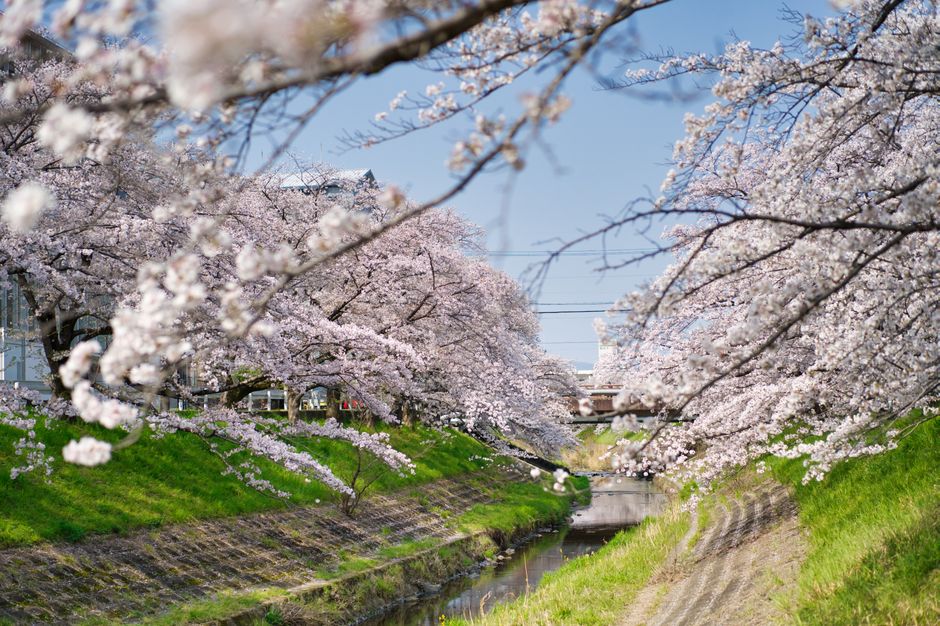
- April: Hanami (sakura), Takayama Matsuri (14–15 April).
- May: Sanja Matsuri (15–17 May), Kanda Matsuri (15–17 May), Aoi Matsuri Kyoto (15 May).
- June: Sōma Nomaoi (Tōhoku, horses, late June).
- July: Gion Matsuri (all month, peak 17–24), Tenjin (25), Mitama (mid-July Obon).
- August: Nebuta (2–7), Hanabi (everywhere), Obon (13–16), Kōchi Yosakoi (10–11).
- September: Kishiwada Danjiri (Osaka, mid-September).
- October: Takayama Autumn (9–10), Jidai (Kyoto, 22).
- November: Shichi-Go-San (7–15 November, children aged 3, 5 and 7).
- December: Omisoka (31 December, purification).
Matsuri by category
Three main groups:
- Shinto matsuri: purification and gratitude to the kami. A mikoshi (portable shrine) is carried around. Examples: Sanja, Kanda.
- Buddhist matsuri: commemorating Buddha, Obon (the souls of the dead). Examples: Hanabi Obon, Kiyomizu Odon (fire purification).
- Folk matsuri: seasons, harvests and occupations. Examples: Nebuta (summer), Takayama (spring/autumn).
How to take part in a matsuri
Seven tips:
- Arrive early: 3–5 hours before the main parade for a good spot.
- Yukata or happi: lightweight traditional clothing. Rental: 3,000–5,000 yen in Asakusa and Gion.
- Food: konbini bentos, festival yakisoba, takoyaki, beer and sake.
- Cash: 5,000–10,000 yen per person. Few yatai accept credit cards.
- Yatai (stalls): reasonable prices (500–1,500 yen).
- Photos: mikoshi, costumes and lanterns. Respect religious processions.
- Transport: trains and the metro are crowded. Stay late or take a taxi.
Matsuri by region
Regional selection:
- Tokyo: Sanja (May), Kanda (May in odd-numbered years), Sumiyoshi (August).
- Kyoto: Gion (July), Aoi (May), Jidai (October), Daimonji (16 August).
- Osaka: Tenjin (July), Kishiwada Danjiri (September).
- Tōhoku: Nebuta (August), Kanto (August), Tanabata (July).
- Kyushu: Yamakasa (Fukuoka, July), Yosakoi (Kōchi, August).
- Hokkaido: Yosakoi Sōran (June), Snow Festival (February).
Less well-known matsuri
Five unusual festivals:
- Hadaka Matsuri (Okayama) — February. 10,000 nearly naked men.
- Oni Matsuri (Kyoto) — February. Demons in the streets.
- Kanamara Matsuri (Kawasaki) — April. Phallus festival, colourful parade.
- Naki Sumo (Tokyo) — April. Sumo wrestlers make babies cry.
- Cusi Cusi (Tōhoku) — samurai equestrian festival.
Matsuri in Japan: understanding traditional Japanese celebrations and festivals
A matsuri in Japan is a local festival organised around a shrine, neighbourhood or community. The term does not refer only to the major events featured in tourist guides; it also encompasses low-key celebrations, sometimes limited to just a few streets, which nevertheless hold enormous importance for local residents. Originally, these events served to thank the deities, protect the harvests, ward off epidemics or mark a stage in the seasonal cycle. This logic remains visible today in the very structure of the festivals: a period of ritual followed by a period of collective relaxation.
This two-part organisation explains the charm of Japanese festivals. On one side are the prayers, offerings and movement of the mikoshi, the portable shrine believed to temporarily carry the deity. On the other are the yatai, games, singing, dancing and sometimes fireworks. In practice, the festival acts as a bridge between the spiritual world and everyday life. Families get together, shopkeepers decorate their frontages, children run between the stalls, and even passing visitors immediately sense that the neighbourhood has shifted to a different rhythm. This ability to set an entire community in motion makes the matsuri as powerful a marker of identity as a monument.
In large cities, this system adapts to urban density. In Tokyo, Osaka and Kyoto, the festival may encompass entire thoroughfares, redirect pedestrian flows and turn a simple walk into an event. In rural areas, it often retains a more intimate, almost family-like character, with strong continuity across generations. Many French-speaking readers imagine Japan as a country of strict codes; the matsuri instead reveals a society capable of opening up an intensely convivial space without abandoning its structure. It is this tension between order and exuberance that makes it such a remarkable gateway to the culture.
Since 2016, several Japanese float festivals have also been recognised by UNESCO as Intangible Cultural Heritage, highlighting their role in passing on local know-how. The floats, costumes, music and routes are not merely beautiful to watch; they also tell stories of technical expertise, neighbourhood hierarchies and collective memory. For a foreign visitor, understanding this changes the way you see them: you are no longer watching a spectacle, but observing a complete social language. And this language is even easier to read when you know the elements that make up a matsuri.
The structure of a local festival: from the shrine to the street
At a traditional festival, the first stage generally takes place around the shrine. Shinto priests purify the space, neighbourhood representatives prepare the sacred objects, then the mikoshi is brought out and carried in procession. This part is often the most meaningful for local residents, as it directly connects the festival to a shared belief in the presence of local deities. Even when a visitor does not understand every gesture, the rhythm of the ritual remains clear: slowness, concentration, respect for the procession and controlled movements.
The second stage often takes a more relaxed form. The streets fill with stalls, the smell of frying food rises in the heat, and interactions become more spontaneous. Children play, music groups take turns performing, and dancers spread energy throughout the neighbourhood. This alternation is essential, as it prevents the matsuri from being reduced to a simple folkloric event. On the contrary, it is a complete cycle in which religious fervour then gives way to a more relaxed communal celebration. Without this transition, the festival would lose much of its meaning.
For an expat who has recently arrived in Japan, this structure is useful to observe even before taking part. During the first few minutes, it is often enough to stand back, take in the flow of events, then join the livelier part when it opens up naturally. Respecting the local tempo helps avoid many awkward moments. A matsuri is first experienced by paying attention to the space and the sequence of events. And it is precisely this tempo that sets an ordinary festival apart from a major seasonal event.
Japan’s major matsuri: Kyoto, Osaka, Aomori, Tokushima and Sapporo
Some festivals have become national, and even international, landmarks. They attract immense crowds, shape hotel bookings and impose their own calendar on the cities that host them. Among the best-known is the Gion Matsuri in Kyoto, held in July, which occupies a special place. Originally established to appease calamities, it extends throughout the month and culminates in the procession of the monumental floats, the yamaboko. The yoiyama evenings transform central Kyoto into an illuminated urban stage, while the whole event retains an almost theatrical aura. For many travellers, it is the definitive matsuri.
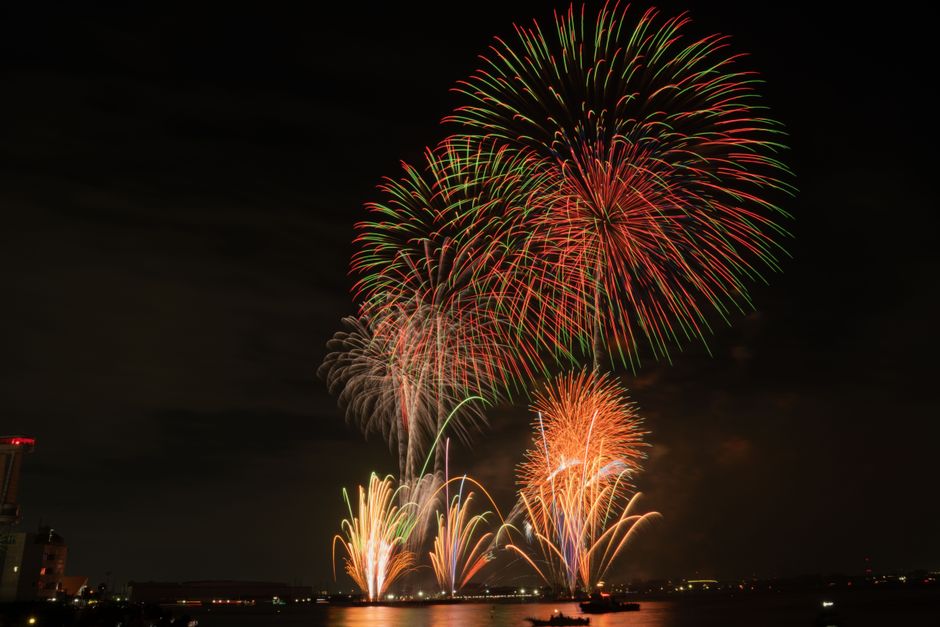
In Osaka, the Tenjin Matsuri stands out for its riverside dimension. At the end of July, illuminated boats, a land procession and fireworks make up a highly photogenic celebration shaped by its relationship with the water. In Aomori, the Nebuta Matsuri, held in early August, features gigantic illuminated floats that seem to have emerged from a warrior tale. In Tokushima, the Awa Odori focuses on communal dancing around the Obon period, with a very different, almost infectious energy. Finally, in winter, the Sapporo Snow Festival reminds us that matsuri are not limited to the summer heat: snow sculptures, lights and a northern atmosphere prove that celebrations can also embrace the cold.
These festivals differ in form, but share the same underlying logic of community and transmission. Each highlights a local speciality: floats, dance, water, light, snow, music or processions. That is why it is better to think of them as regional expressions of the same culture, rather than interchangeable versions of entertainment. Travellers who plan their itinerary around one of these events often discover a city from a completely different perspective. The seasonal calendar then becomes a practical tool, not merely a cultural curiosity.
When planning a trip, it is useful to distinguish between the main periods of activity. Summer matsuri are the most visible, but spring and autumn sometimes offer more comfortable conditions, with less heat and processions that are easier to follow. Winter, meanwhile, provides access to a different, more elemental aesthetic. This seasonal variety makes it possible to tailor your trip to crowd levels, the climate and the regions you want to visit. A city may seem ordinary outside festival season, then become an open-air stage as soon as the date of its main matsuri arrives.
Indicative seasonal calendar of Japanese matsuri
The calendar below helps identify the main trends without fixing dates to a precise day, as many festivals vary slightly from one year to the next. Above all, it provides a practical overview for organising a trip around the most favourable periods. This seasonal approach is particularly useful for French-speaking travellers who want to combine cities, transport and accommodation without unpleasant surprises.
| Season | Festival | Usual period | Features |
|---|---|---|---|
| Winter | Sapporo Snow Festival | Early or mid-February | Snow sculptures, illuminations, very large crowds |
| Spring | Sanja Matsuri, Kanda Matsuri | Mid to late May, depending on the year | Mikoshi processions, very dense urban atmosphere |
| Summer | Gion Matsuri, Tenjin Matsuri, Nebuta Matsuri, Awa Odori | July to mid-August | Floats, dancing, fireworks, heat and crowds |
| Autumn | Takayama Matsuri, Nagasaki Kunchi, Jidai Matsuri | Early to late October | Floats, historical costumes, more ceremonial atmosphere |
This table highlights one essential point: Japan does not have a single festival season, but several levels of cultural intensity depending on the month. Summer concentrates the most famous events, while autumn is often more comfortable for watching processions without oppressive heat. For a stay of several weeks, combining Kyoto in July, then Tohoku in August or Gifu in October, allows you to experience very different facets of matsuri. The logical next step is to understand how to take part without remaining a mere spectator.
Taking part in a matsuri in Japan as a foreign visitor
Attending a matsuri does not require you to be a Japan specialist. However, a few pointers can help you avoid faux pas and make the experience much smoother. The most important thing is to adopt an active observer’s attitude. A festival is not a static backdrop; it is a social event where local people perform precise actions. Paying attention to the movements of the bearers, designated areas and the volunteers’ instructions is already enough to blend into the atmosphere appropriately.
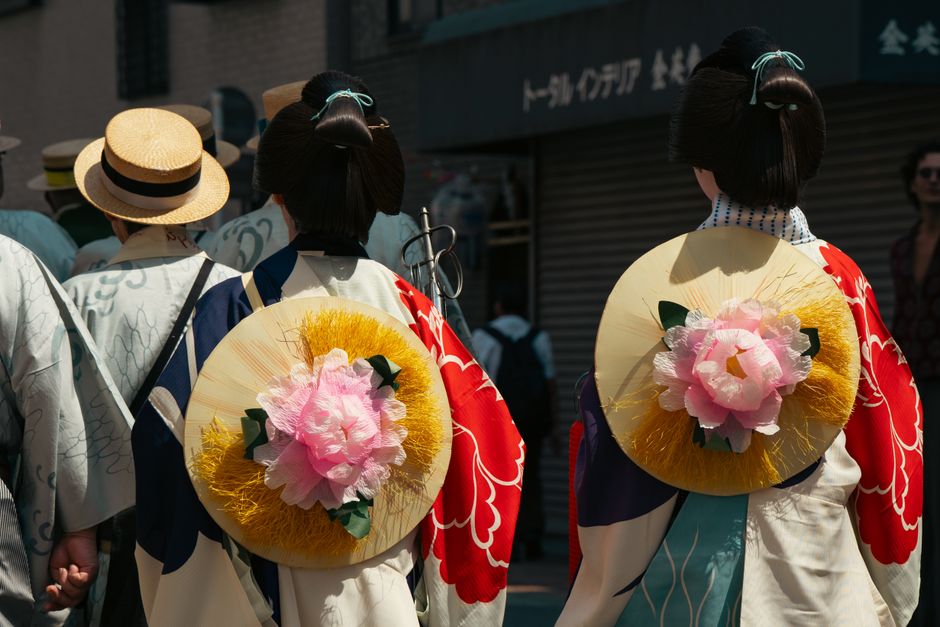
Your clothing can also play a part. Wearing a yukata, a lightweight cotton kimono, is perfectly possible for visitors, and is often appreciated when worn correctly. Many shops in Kyoto, Tokyo and Osaka offer rentals for a day or an evening. This garment is not reserved for Japanese people; on the contrary, it acts as a visual passport into the festivities. Simply wearing it correctly, with the left panel over the right, changes the way you blend into the crowd. Geta sandals, which are noisier than ordinary shoes, even add to the enjoyment of the moment.
Street food is another way in. The yatai are at the heart of the experience, with their skewers, stir-fried noodles, octopus balls, shaved ice and sugary drinks. Eating standing up, sometimes in the middle of a crowded street, is part of the social ritual. It requires a little organisation, as many stalls do not accept bank cards. Cash is therefore essential, especially in smaller towns or at more local festivals. For visitors from abroad, this simplicity is often one of the most memorable charms of the format.
You can take part much more actively when this is permitted. In some neighbourhoods, visitors are invited to follow dance groups, carry lanterns or even accompany more open processions. However, entering the ritual space remains governed by rules. It is best not to block passageways, not to touch a mikoshi unless invited to do so, and to ask before taking a very close-up photograph. These gestures may seem obvious, but they make all the difference between respectful observation and an intrusive presence. A matsuri tolerates curiosity, not carelessness.
Good habits for enjoying the festival without disturbing the neighbourhood
A few habits allow you to make the most of the event while still respecting your place. They are simple, but highly effective in preventing you from finding yourself in the wrong place at the wrong time. At large festivals, crowds build up quickly, making it crucial to respect pedestrian routes.
- Arrive early to observe the rituals before the biggest crowds arrive.
- Bring cash for food, games and souvenirs.
- Ask before photographing priests, bearers or groups near the shrine.
- Follow the volunteers’ instructions and stay out of passageways.
- Choose comfortable shoes, as distances are easily underestimated.
This list may seem basic, but it sums up the logic of a Japanese festival: respect the collective rhythm, anticipate the crowds and be prepared to walk, wait, and then let yourself be carried along by the flow. Visitors who follow these principles often discover a quiet, very tangible hospitality, much warmer than the clichés about Japanese reserve might suggest.
The yatai, mikoshi and gestures that bring Japanese matsuri to life
The success of matsuri also lies in a few emblematic objects that appear from town to town, with endless variations. The best-known remains the mikoshi, a portable shrine carried by bearers through the crowd. Its movement is not merely spectacular; it symbolises the deity’s temporary departure from the main shrine. When the bearers shout, sway the structure and move forward in short steps, they are not playing the part of extras. They are taking part in an act of purification and protection for the local area. This explains why the scene always inspires such fervour.
Another essential feature is the dashi, or festival float. More monumental than a mikoshi, it may be covered with precious fabrics, sculptures, lanterns or moving mechanisms. Some floats, particularly in Takayama, contain karakuri puppets that come to life before the audience. Others, in Kyoto or Aomori, seem designed to impress with their size and painstaking craftsmanship. In every case, they represent a considerable community effort. A single float can involve local residents, carpenters, painters and seamstresses for months. It is living heritage, not an immobile backdrop.
The yatai complete the picture by providing the element that is most immediately accessible to visitors: food. Takoyaki, yakisoba, kakigori, taiyaki and yakitori give the festival its unmistakable aroma. Taste is not an optional extra; it plays a full part in the memory of a place. Many travellers first remember the clatter of wooden sandals, then the steam from the noodles, and only afterwards the name of the shrine. This sensory hierarchy is revealing: a matsuri is experienced through the eyes, ears and stomach all at once.
A common real-life example among expats living in Tokyo or Kyoto is this: a first neighbourhood festival seems modest, then quickly becomes an annual landmark. You find the same stalls, the same volunteers, the same mikoshi routes, and sometimes the same families. This recurrence creates a rare sense of belonging in Japan’s major cities. For newcomers, it is often one of the best ways to understand local life beyond the stations, administrative procedures and urban routine.
Quick comparison of the most visible forms of matsuri
The following table helps distinguish the main forms a Japanese festival can take. It is useful for knowing what to expect before choosing a destination or travel date.
| Element | Function | What visitors observe |
|---|---|---|
| Mikoshi | Ritual transport of the deity | Collective carrying, shouting, physical energy |
| Dashi | Ceremonial or decorative float | Monumental structure, sculpture, music |
| Yatai | Food and games stalls | Snacks, crowds, smells, conviviality |
| Yukata | Light festive clothing | Visual immersion, summer comfort |
These four elements are often enough to read a matsuri within a few minutes. As soon as visitors can recognise the mikoshi, dashi, yatai and yukata, they already understand much of the grammar of Japanese festivities. The following season then allows them to refine this perspective by observing how the climate, region and local history alter the same cultural foundation.
The seasons of matsuri in Japan and the best time to travel
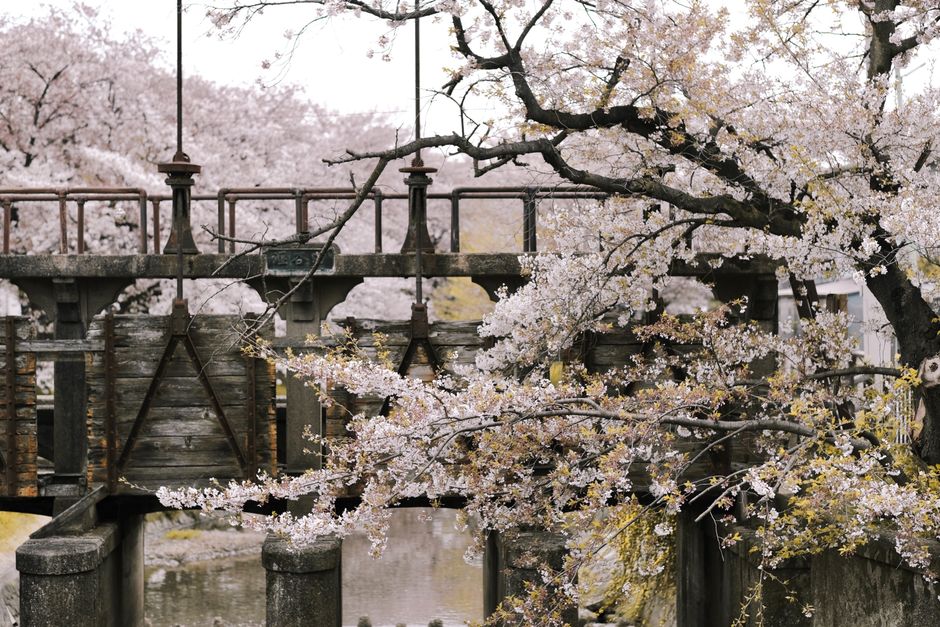
Spring opens the season with festivals that are often easier to navigate and less demanding than those in summer. Blossoms, particularly cherry blossoms, already attract large crowds, and gatherings associated with hanami can take on a festive atmosphere in several parks. People who enjoy calmer settings often favour this period, as it offers a good balance between mild weather and cultural richness. Hina Matsuri, on 3 March, also reminds us that Japanese traditions can be domestic, decorative and highly poetic without losing their symbolic depth.
Summer, meanwhile, concentrates most of the festive energy. July and August are the months when you are most likely to encounter yukatas, street stalls and evening processions. It is also the most demanding period for travellers: heat, humidity, dense crowds and hotels that fill up quickly. In return, this is when the biggest names in the calendar reach their full scale. Anyone wanting to see Japan at its most intense often chooses this period, provided they plan their journeys and bookings in advance. Summer festivals offer access to a joyful social atmosphere, but they require proper preparation.
Autumn is often an excellent compromise. The climate becomes more pleasant, travelling is more comfortable, and festivals sometimes take on greater solemnity. Takayama, Kyoto and Nagasaki then offer spectacles very different from those of the hot season: less suffocating, visually clearer and more comfortable for long periods of standing. Travellers looking for a festival without the pressure of the great summer crowds often find what they are looking for at this time of year. Winter, finally, is not a poor relation in the calendar; it offers the aesthetics of snow, lights and shorter evenings, but ones that are highly memorable.
For a French-speaking trip, the most effective approach is to choose a season first, then a region, and finally a flagship festival. This approach avoids spreading the trip too thinly and helps you book earlier. Accommodation in Kyoto during Gion Matsuri, in Aomori during Nebuta or in Takayama at the beginning of October can fill up months in advance. Trains also become crowded quickly, especially if the festival coincides with a weekend or holiday period. Ultimately, the matsuri imposes its own geography: it is better to build your itinerary around it than try to fit it in at random.
Crowds, transport and accommodation: practical advice for a matsuri in Japan
The first difficulty with a major matsuri is not cultural but logistical. Crowds can turn a short journey into a long one, especially in cities with high tourist numbers. You should therefore allow plenty of time for connections, arrive early at the venue and accept that some areas may temporarily become saturated. Stations near the festival often become meeting points for visitors, local families and volunteer teams. The better known the event, the more intense this pressure becomes.
The second sensitive point concerns accommodation. A well-located room in Kyoto, Osaka or Aomori during the week of a major festival can go very quickly, especially if it is near a train station. Booking sufficiently far in advance is not a luxury; it is often the condition for enjoying the event peacefully. For a well-organised traveller, the benefit is considerable: leave the festival on foot, rest quickly, then return in the evening without stress. This comfort changes the experience.
The third point is less obvious but essential: food and hydration. In summer, the Japanese heat quickly becomes tiring, especially if you are standing around for a long time among the crowds. It is therefore useful to alternate food-stall dishes with drinks bought from vending machines or nearby shops. In winter, the opposite is true: snow festivals require several layers of clothing and genuine resistance to the cold. Travellers who neglect this factor often end up cutting their visit short. A matsuri is best experienced when your body remains ready to take it in, rather than struggling against the weather.
Finally, don’t forget the quieter areas. Major festivals can sometimes become so spectacular that they make you overlook the adjacent streets, small shrines and outlying neighbourhoods. Yet these are often the places where you gain the best understanding of the event: in a quiet café before the crowds arrive, in an alley where residents are putting on their yukata, or in front of a small altar decorated with lanterns. These quieter moments offer a more nuanced view of the matsuri. They also provide excellent preparation for answering French-speaking travellers’ most frequently asked questions.
Frequently asked questions
Is a matsuri usually free?
Entry to the festival itself is usually free. Expenses mainly include food, stall games, sometimes yukata hire, and in some cases reserved seats for the very largest processions.
Can foreigners wear a yukata?
Yes, without any problem. A yukata is even an excellent way to join in the atmosphere. You simply need to wear it correctly and, if necessary, ask for help tying the obi belt.
Are tattoos a problem during a matsuri?
Tattoos are generally accepted in a matsuri crowd. However, for certain highly regulated or particularly traditional activities, it may be preferable to cover them out of respect for local customs.
How can you find small local matsuri?
Posters near stations, town halls, shrines and parks are still very useful. Neighbourhoods also often publish their programmes on noticeboards or through local community networks.
Do you need to book very early for major Japanese festivals?
Yes, especially for Kyoto, Takayama, Aomori and the major cities of Osaka and Tokyo. For the most sought-after periods, booking several months in advance remains the best strategy for accommodation and sometimes transport.
More to discover
Continue exploring Japan with our additional guides.