
Japan’s Beating Heart:
A Guide to Traditional Festivals
In 2026, integrating into life in Japan means understanding its seasonal rhythms. Discover how festivals (Matsuri) and ancestral rites shape the social identity of expats.
Japan has numerous traditional festivals and public holidays that shape the rhythm of the year, bringing together Shinto, Buddhist and civic celebrations. The most important include Oshogatsu (New Year), Hanami (admiring the cherry blossoms in spring), summer matsuri with mikoshi processions and fireworks, Obon (the return of ancestors in August) and Setsubun (purification before spring). These breaks from everyday life offer an insight into Japanese culture and wonderful opportunities for expats and travellers to integrate.

The Spirit of the Seasons: Hare and Ke
For anyone from a French-speaking background settling in Japan, the notion of time is inseparable from the concepts of "Hare" (the extraordinary, the sacred) and "Ke" (the everyday, the ordinary). Traditional Japanese festivals are not simply entertainment; they are essential moments of "Hare"—breaks from the ordinary that purify and revitalise the community.
Understanding these cycles means opening yourself up to a richer, more harmonious everyday life in Japan. Whether it is the solemnity of New Year or the raw energy of a neighbourhood matsuri in the height of summer, every celebration is an invitation to observe the resilience of customs in the face of the rapid modernisation of 2026.
"In Japan, people do not celebrate just a date; they celebrate nature itself in its constant transformation."

The Pillars of the Japanese Calendar
Oshogatsu: New Year
The most sacred period. The transition to the new year is marked by Hatsumode (the first visit to a shrine), Kadomatsu pine decorations and the family feast of Osechi Ryori.
Discover the customs →Seijin Shiki
The transition to adulthood. In January, 20-year-olds wear magnificent Furisode kimono.
Setsubun
"Oni wa soto!" (Demons out!). Beans are thrown to purify the home before spring.
Hinamatsuri
The girls’ festival. Imperial dolls are displayed to ensure the health and happiness of young girls.
Tanabata: The Star Festival
Celebrated on 7 July, it tells the story of the annual union of Orihime and Hikoboshi. Write your wishes on Tanzaku strips hung from bamboo.

Hanami
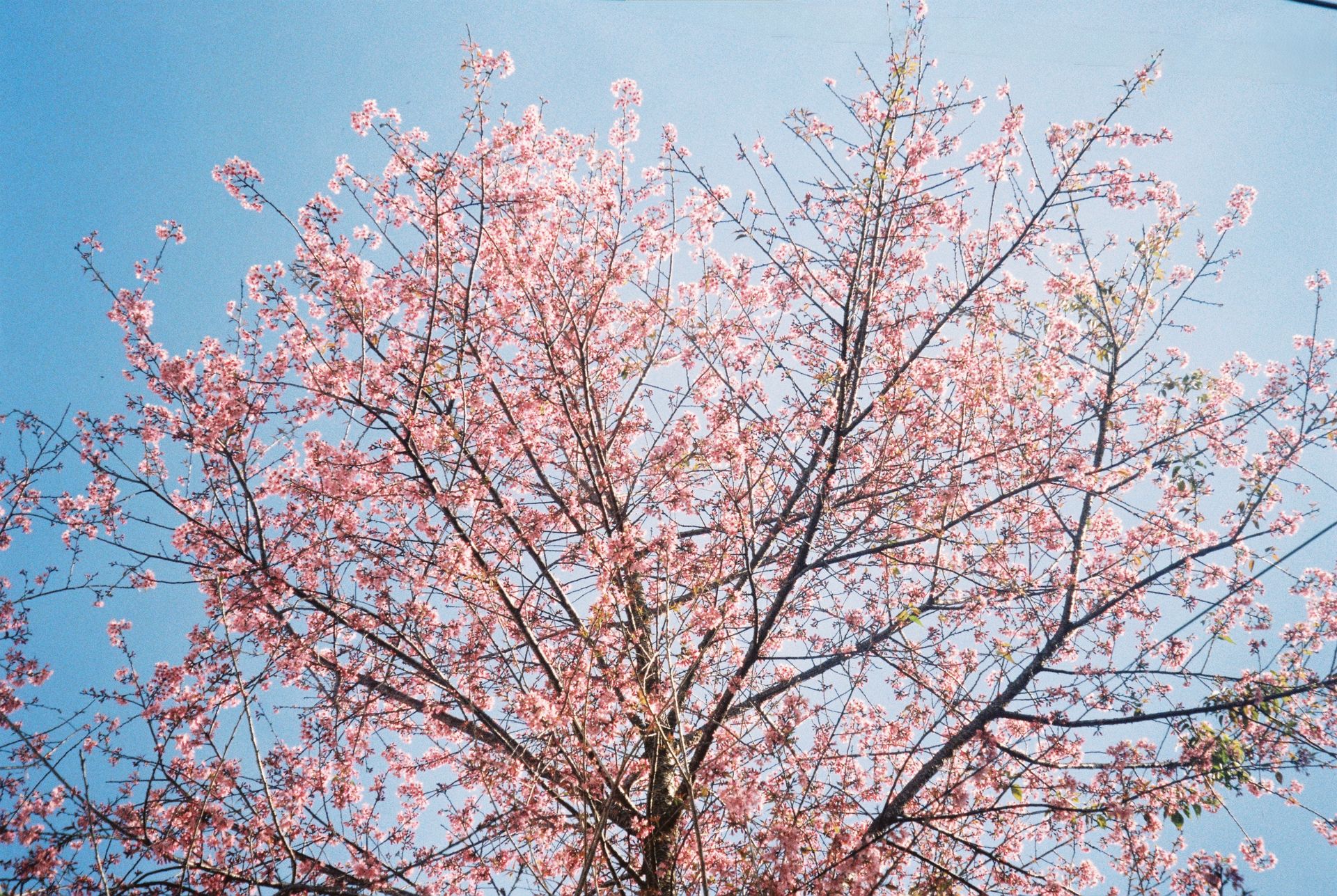
The art of admiring flowers. A crucial moment for socialising beneath the sakura.
Best spots →Oshogatsu: A Grand Renewal
New Year is the most important festival in the calendar. For an expat, it is a period of rare silence in the major cities. Shops close, families come together and the city seems to breathe again.
-
1
Osoji: The Big Clean
You do not just clean your home; you purify your spirit to welcome Toshigami (the deity of the year).
-
2
Osechi Ryori
Sophisticated bento boxes in which every ingredient is a symbol: prawns for longevity, fish roe for fertility.
-
3
Hatsumode
The first prayer. Queuing at the shrine at midnight is an unforgettable sensory experience: the smell of incense, the sound of bells and the winter wind.
2026 Festival Simulator
Select the month of your stay to discover the events not to be missed and our integration tips.
Select a month to launch the simulation.
Summer in Japan: Matsuri & Fireworks
The most vibrant season, when overwhelming heat is countered by the fervour of float parades and traditional dances.

Mikoshi processions
Portable shrines are carried on the shoulders by dozens of participants wearing traditional clothing (Happi), creating an electric atmosphere.
Obon: The Visit of the Ancestors
In mid-August, the Obon festival is when the souls of ancestors return to earth. Welcoming fires (Mukaebi) are lit, and people dance the Bon Odori around a central platform (Yagura). It is a key period for understanding Japanese spirituality.

Hanabi: Flowers of Fire
Japanese fireworks are among the most sophisticated in the world. They are inseparable from wearing Yukata and eating street food (Yatai).
Festival Food
It is impossible to talk about matsuri without mentioning Yatai. Yakisoba, Takoyaki and Kakigori (shaved ice) are must-tries. For expats, it is an opportunity to discover a more relaxed and festive side of Japanese cuisine.
Tsukimi
The festival for admiring the autumn moon, with offerings of dango rice dumplings.
Illuminations
From November onwards, cities are adorned with millions of LEDs, blending modern aesthetics with tradition.
Calm and Splendour
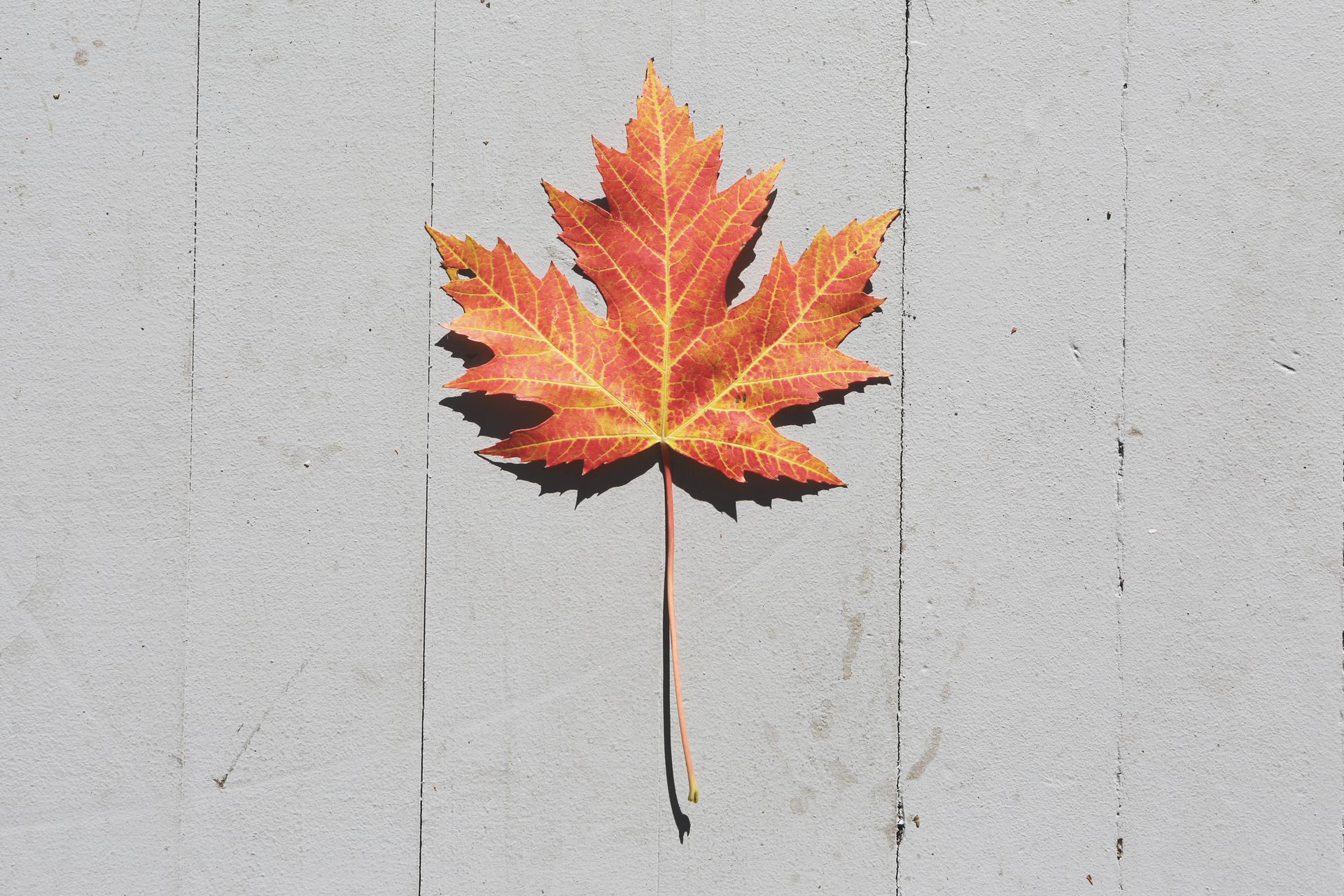
Autumn is marked by Koyo (the changing colour of the leaves) and harvest festivals. Shuki Taisai (the Grand Autumn Festival) at major shrines such as Nikko Toshogu features spectacular historical re-enactments.
Winter, far from being dull, is a season of contrasts. While nature hibernates, urban centres burst into light with their “Illuminations”. It is also the ideal season to retreat to Japanese onsens after admiring the snow-covered landscapes.
Preparing your seasonal equipmentTaking Part in a Matsuri: An Expat’s Guide
Etiquette
Don’t just be a spectator. If your neighbourhood is organising a festival, ask the “Chonaikai” (neighbourhood association) whether you can help. Collective effort is the best way to integrate.
The Yukata
Foreign visitors are very welcome to wear a Yukata. It shows your respect for the culture. Just learn how to cross it correctly (left side over the right!).
Photography
Although festivals are public, be discreet during prayer. Avoid using flash in the sacred precincts of temples and shrines.
💡 Expert tip:
“For very busy festivals (Gion Matsuri, Awa Odori), book your temporary accommodation at least 6 months in advance in 2026.”
Tip: set up a Japan eSIM before departure so your data works on arrival.
Frequently Asked Questions About Japanese Festivals
Ready to experience your first Matsuri?
Join our community to share your photos, ask for advice on the best local festivals or find people to go out with.