
Modern Japanese post office
2026 Logistics Guide

Mastering Japan Post:
Efficiency and Precision

From domestic mail to complex international shipments, discover how to navigate the Japan Post system and private delivery services with the ease of a local.

To find a post office in Japan, search for the nearest branch using your postcode, city or location, then check its opening hours and available services. Japan Post branches do not all offer the same services: some handle international shipments, parcels, banking transactions or mail collection, while others have more limited facilities.

Before you travel to the branch, prepare your address, identification if required, information about the parcel’s contents and an accepted payment method. For an international shipment, check the customs rules and permitted items with Japan Post, as requirements may vary depending on the destination.

99.8%

On-time delivery rate

24/7

Konbini access

20k+

Post offices

1871

Year founded

eSIM: online on arrival

Japan’s delivery ecosystem

PUBLIC SERVICE

Japan Post (Yūbin-kyoku)

The country’s historic cornerstone. Japan Post does more than deliver letters; it is also a bank and an insurer. For expats, it is an essential stop for administrative procedures and sending official documents. Its service is renowned for its reliability, with options ranging from a standard stamp to the EMS express service.

EMS Registered Letter E-Packet

Yamato Transport

Famous for its black cat logo (Kuroneko), Yamato dominates the door-to-door parcel delivery market (Takkyūbin).

  • Refrigerated deliveries (Cool TA-Q-BIN)
  • Luggage delivery to airports
  • Drop-off points at Konbini

Sagawa Express

Yamato’s main competitor, widely used by businesses and for online shopping.

Konbini everywhere

Drop off your parcels at Lawson, FamilyMart or 7-Eleven at any time of day or night.

Modern payment

Use your Suica card or PayPay directly at the counter.

How do you write a Japanese address?

The order of information in Japan is the opposite of in the West: it starts with the largest area (the prefecture) and ends with the smallest (the recipient’s name). An error in the postcode can delay your mail by several days.

1.

Postcode (〒)

Always 7 digits: 000-0000. The 〒 symbol comes before the code.

2.

Prefecture & city

Tokyo-to, Osaka-fu, or the prefecture (Ken) followed by the city (Shi).

3.

District & Chome

The district name, followed by the block and building numbers (e.g. 3-12-1).

Note: For maximum respect, always add Sama (様) after the recipient’s name for an individual, or Onchu (御中) for a company.

Envelope example 〒 150-0043

東京都 渋谷区 (Tokyo-to, Shibuya-ku)

道玄坂 1-2-3 (Dogenzaka 1-2-3)

渋谷レジデンス 405号室 (Building, Flat 405)

田中 太郎 様

(Tanaka Taro Sama)

Expats’ tip:

If you write in the Latin alphabet (Romaji), keep the Japanese order to make things easier for the local postal worker!

Postage & delivery time calculator (2026)

Estimate the cost of sending items from Japan to anywhere in the world.

EMS (Express)
-- ¥

Delivery time: -- days

Airmail (Standard)
-- ¥

Delivery time: -- days

Surface (Ship)
-- ¥

Delivery time: -- months

Note: These rates are estimates based on Japan Post’s 2026 rate tables. Fuel surcharges may apply. See the official website for greater accuracy.

Choosing your international shipping method

EMS

The priority service. Full tracking, insurance included and delivery to France in 3–5 days.

  • ✅ The fastest
  • ✅ Real-time tracking
  • ❌ The most expensive

Airmail

A good compromise for medium-sized parcels. Allow 7 to 14 days.

  • ✅ Reasonable delivery time
  • ✅ Lower fees
  • ⚠️ Tracking optional

SAL

Economical air shipping. The parcel travels by plane when space is available. (Currently restricted to certain areas).

  • ✅ Very economical
  • ❌ Unpredictable
  • ❌ No priority

Surface

By sea. Ideal for moving to Japan or sending heavy items.

  • ✅ Less expensive (by volume)
  • ❌ 2 to 4 months’ delivery time
  • ❌ Risk of damp

Digital Revolution: EAD Mandatory

For several years now, Japan Post has no longer accepted handwritten customs forms (CN22/CN23) for international shipments. You must use the International Mail My Page Service to generate a QR code before going to the counter.

What must be declared:

  • • Exact nature of the items (not a generic “Gift”)
  • • Individual weight of each item
  • • Precise market value
  • • HS code (optional but recommended for professionals)

Common prohibited items:

  • • Uninstalled lithium batteries
  • • Perfumes and nail varnish (flammable)
  • • Meat and fresh produce
  • • Explosives (fireworks)

Useful Vocabulary at the Post Office

French Term Japanese (Kanji/Kana) Romaji
Postage stamp 切手 Kitte
Airmail 航空便 Kōkūbin
Tracking number 追跡番号 Tsuiseki bangō
Parcel 小包 Kozutsumi
Redelivery 再配達 Sai-haitatsu

Need more vocabulary for your everyday conversations?

Explore our language resources
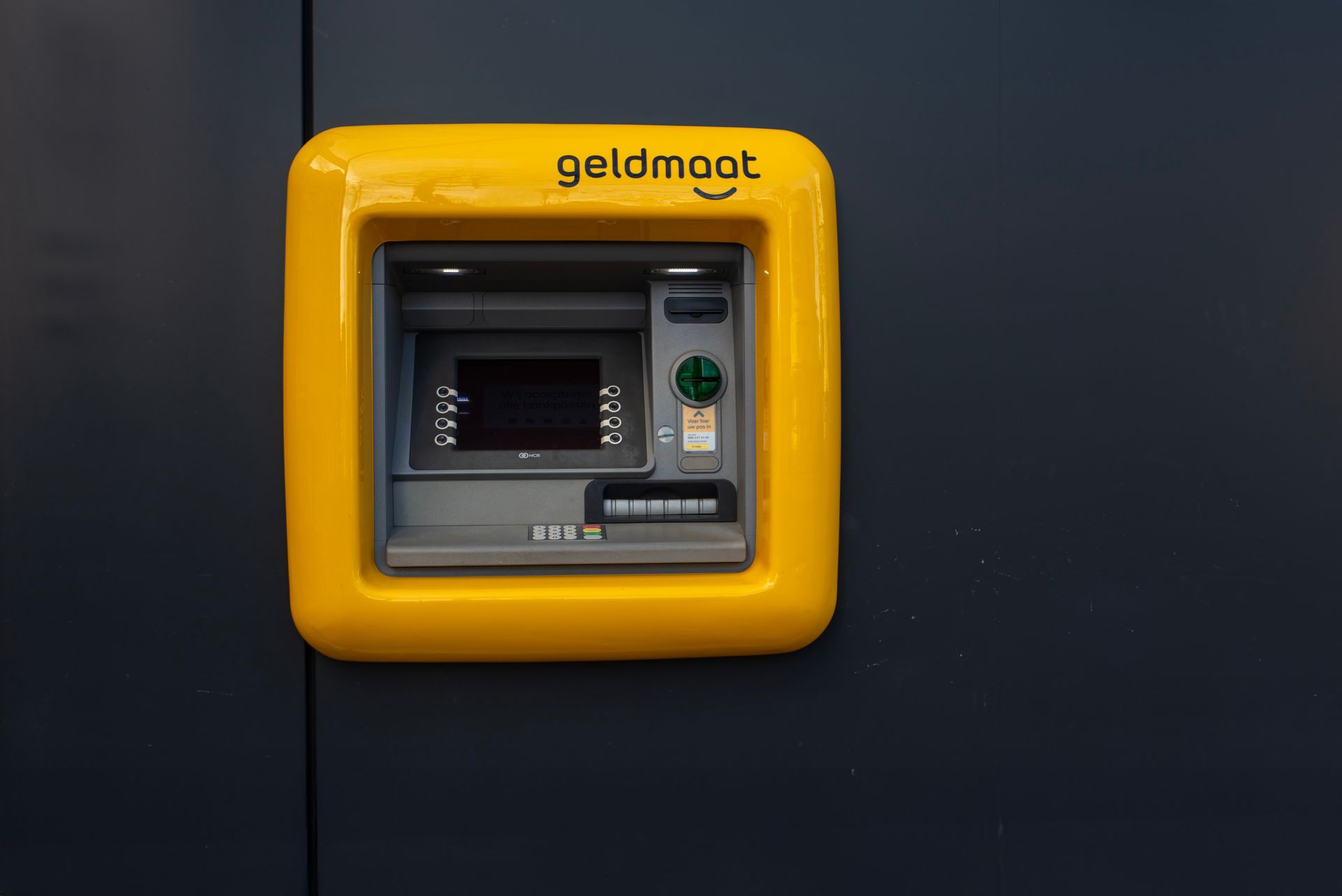
Japan Post ATM

More Than a Post Office: A Bank

Yūcho Ginko (Japan Post Bank) is the largest deposit bank in Japan. For an expat, opening a Yūcho account is often the simplest step, as they are used to dealing with foreign residents.

¥

Yūbin Furikae

An ultra-simple money transfer system for paying your water and gas bills or local subscriptions.

€

International Transfers

Although services such as Wise are popular, Japan Post remains a reliable option for sending funds to France with a high level of security.

Receiving Parcels from Abroad

Do your loved ones want to send you a little piece of France? Here’s how to avoid excessive customs charges and delays.

Advice for Individuals

  • 📍 Accurate address: Make sure they include your Japanese telephone number on the parcel.
  • 🏷️ Declared value: Below ¥10,000, parcels are often exempt from taxes (except alcohol/tobacco).
  • 📦 Packaging: Japan handles parcels carefully, but international travel is tough. Double-wall cardboard required.

For Professionals

If you are importing goods for your business in Japan:

  • 📑 Commercial invoice: Must be comprehensive and in English.
  • 🛂 Customs agent: For large volumes, use a specialised freight forwarder.

Tip: set up a Japan eSIM before departure so your data works on arrival.

Frequently Asked Questions

How do I request redelivery if I was out? ▼
The postman will leave a delivery notice (fuzai-hyō). You can scan the QR code on it to choose a redelivery time slot for the same day (often until 21:00) or the following day. It is a free and extremely efficient service.
Can I send a parcel from a Lawson or 7-Eleven? ▼
Yes! Lawson works with Japan Post, while 7-Eleven and FamilyMart work with Yamato Transport. This is the most convenient option for sending domestic parcels 24 hours a day.
How long does domestic mail take? ▼
Generally 24 to 48 hours between major cities (Tokyo–Osaka). Note that since 2021, the post office has no longer delivered standard mail on Saturdays and Sundays, except for express services.
What is “Letter Pack”? ▼
It is a prepaid cardboard envelope (¥370 or ¥520). Very convenient for sending important documents with tracking, without having to weigh or frank them manually. They can be bought at post offices or konbini.
Can I track an international parcel sent by Japan Post? ▼
Yes, using the 13-character tracking number (e.g. EE123456789JP). Once the parcel leaves Japan, you can also use the La Poste (Colissimo) website in France for more precise local tracking.
How can I send money securely? ▼
Use the Genkin Kakutome service. It is a special sealed envelope for sending cash by post with guaranteed insurance. Widely used for weddings or gifts.

Ready to ship your souvenirs?

Whether you are clearing out your suitcase before a trip to Hokkaido or sending your Christmas gifts, the Japanese post office is your best ally.

Updated on

Finding a post office near you in Japan

The most reliable option is to use Japan Post’s official location service. Enter your address, city or Japanese postcode to find nearby branches. Geolocation can also help, but always check the result shown: a nearby branch may not offer the service you need.

For a search in Japanese, the terms « 郵便局 » or « ゆうびんきょく » mean post office. The name of the city or district can narrow down the results. If you are looking for a specific branch in Osaka, Fukuoka or another city, use the full postcode when you know it.

Opening hours, closing days and available services should be checked before you travel. They may differ between the postal counter, automated services and Japan Post Bank’s customer service desk. To better understand local procedures, also see our guide to public services in Japan.

Information to check on the branch listing

Choosing the right point of contact

A standard post office is suitable for buying postage for a letter, sending a parcel, requesting tracking or getting help with a postal procedure. Collection points and counters located in some shops can be convenient for a simple collection or drop-off, but they do not necessarily replace a full-service branch.

If you need to send a parcel abroad, choose a branch that handles international shipments. There, you can have the documents checked and ask for confirmation of any restrictions relating to the destination country. For a banking transaction, check separately whether a Japan Post Bank counter or ATM is available: not all branches offer exactly the same services.

Your needPreferred point of contactUseful preparation
Letter or document within JapanSuitable post office or drop-off pointFull address and mailing format
International parcelJapan Post branch offering international servicesContents, destination, weight and declaration
Collecting a deliveryBranch indicated on the notice or tracking informationDelivery notice and required identification
Banking transactionJapan Post Bank branch or service areaIdentity documents and account details

Preparing for a visit to the counter

Make a note in advance of what you want to do. A short phrase in Japanese can make communication easier, such as « international parcel » or « tracking number ». Also keep the recipient’s address in a readable format. For a Japanese address, the postcode, prefecture, city, district, block numbers and recipient’s name must be consistent.

For a shipment outside Japan, describe each item precisely. Avoid overly general wording that does not identify the contents. The declared value, nature of the items and customs documents must correspond to what is actually in the parcel. Requirements may vary depending on the destination: check the official instructions before sealing your package.

Documents and items to bring

If you need to pay bills or manage a local account, the payment methods used in everyday life can complement postal services. Our page on payments in Japan covers the practices you need to know.

Understanding the signs and instructions on site

Post offices generally display their name, opening hours and available services at the entrance. In a busy branch, take a ticket if a queuing system is in place, then wait for your number to be called. Forms are often in Japanese; fill in only the sections you understand and ask the counter staff to check them rather than guessing.

Staff may direct you to another counter for a banking transaction, collection or specific procedure. If your enquiry concerns a held parcel, bring the tracking number and the notice you received. Online tracking often lets you check the shipment status before travelling.

After sending or collecting an item

Keep the receipt, tracking number and a copy of the declared information. These items are useful if there is a question about delivery or a request from the recipient. For a parcel sent to France, tracking may be updated after it leaves Japan; check the information available from the destination country’s postal operator.

If no one was present when delivery was attempted, the delivery notice generally explains the options for redelivery or collection. Follow the instructions and the deadline stated on the notice. If in doubt, contact the indicated branch with the shipment number rather than going to another post office.

Tips to avoid an unnecessary trip

  1. Find the branch using your address or postcode.
  2. Check the counter’s opening hours, not just those of the building.
  3. Confirm that the branch accepts your type of shipment.
  4. Prepare the documents and a description of the contents.
  5. Keep the receipt and tracking number after sending the item.

For procedures relating to an account, a transfer or managing your finances during your stay, you can also consult our guide to managing your finances in Japan. Japan Post’s official information remains the reference for opening hours, shipping conditions, restrictions and service changes.

Frequently asked questions

How can you find a Japanese post office using a postcode?

Use Japan Post’s official location service and enter the full Japanese postcode. The results may show several branches: compare their distance, opening hours and available services. In particular, check that they accept international parcels or collections if that is the purpose of your visit.

Can you send an international parcel from any post office in Japan?

No, services are not the same at every branch. Before travelling there, check that the post office handles international shipments and accepts the type of parcel concerned. Prepare the destination, contents, weight and requested customs information.

What should you do if the Japanese post office is closed?

Check the branch’s official listing for its opening hours and look for another nearby point of contact. Some services may be available via a vending machine, drop-off point or online service, but availability depends on the operation you need.

Which Japanese words should you use at the post office?

« 郵便局 » means post office. You can also show the address, tracking number or relevant form to clarify your request. To make communication easier, prepare the words corresponding to your needs: letter, parcel, international shipment, collection or redirection.

How can you collect a parcel using a missed-delivery notice in Japan?

Read the missed-delivery notice to identify the branch, collection arrangements and documents to present. Bring the notice, tracking number and requested proof of identity. If you would prefer a new delivery, follow the instructions on the notice or contact the postal service.
