Tokyo by night

Mastering Payments in Japan in 2026

From hard cash in yen to futuristic QR code apps, navigate Japan’s financial ecosystem with ease.

In 2026, Japan combines cash and contactless technologies: cash yen remains essential in small shops, temples and rural areas, while IC cards (Suica, Pasmo) and mobile apps (PayPay) dominate in cities. To optimise your budget, use a multi-currency card to limit conversion fees, add your IC card to your smartphone and always keep some emergency cash.
eSIM: online on arrival

A monetary paradox: tradition and high technology

In 2026, Japan continues to fascinate with its balance between a deep attachment to cash and the rapid adoption of contactless technologies. Although the Japanese government has succeeded in raising the share of cashless payments to over 40%, cash remains, for many, the undisputed king of everyday transactions.

For a French-speaking expat, understanding this duality is crucial to avoid awkward moments at a self-service checkout or in a traditional restaurant. This guide offers an in-depth look at the archipelago’s financial workings, from ubiquitous ATMs to digital wallets.

The 4 Pillars of Payment

“Cash” (Ginkin)

Essential for temples, small ramen restaurants and rural areas. Japan remains one of the safest societies in the world for carrying large amounts of cash.

  • Universal acceptance
  • No risk of network failure

IC Cards (Suica/Pasmo)

Originally intended for transport, they have become the preferred form of electronic money for city dwellers at konbinis and vending machines.

Bank Cards

Visa, Mastercard and JCB dominate. Contactless payment (NFC) is now widespread, but always check your conversion fees.

Mobile Payment & QR

PayPay is ubiquitous. A simple app on your smartphone, linked to your account or card, lets you pay everywhere, even at local markets.

PayPay Line Pay Rakuten Pay
Example QR Code

Why is cash still so crucial?

Even in 2026, if you plan to visit historic places such as Kyoto or Nara, or stay in a traditional ryokan, cash will be your only ally. Transaction fees for small businesses can still be high, leading them to refuse bank cards.

The payment ritual: In Japan, money is not handed directly from one person to another. Always use the small blue or metal tray (tray) beside the till. This is a fundamental sign of respect and hygiene in the local culture.

Where can you withdraw yen without the hassle?

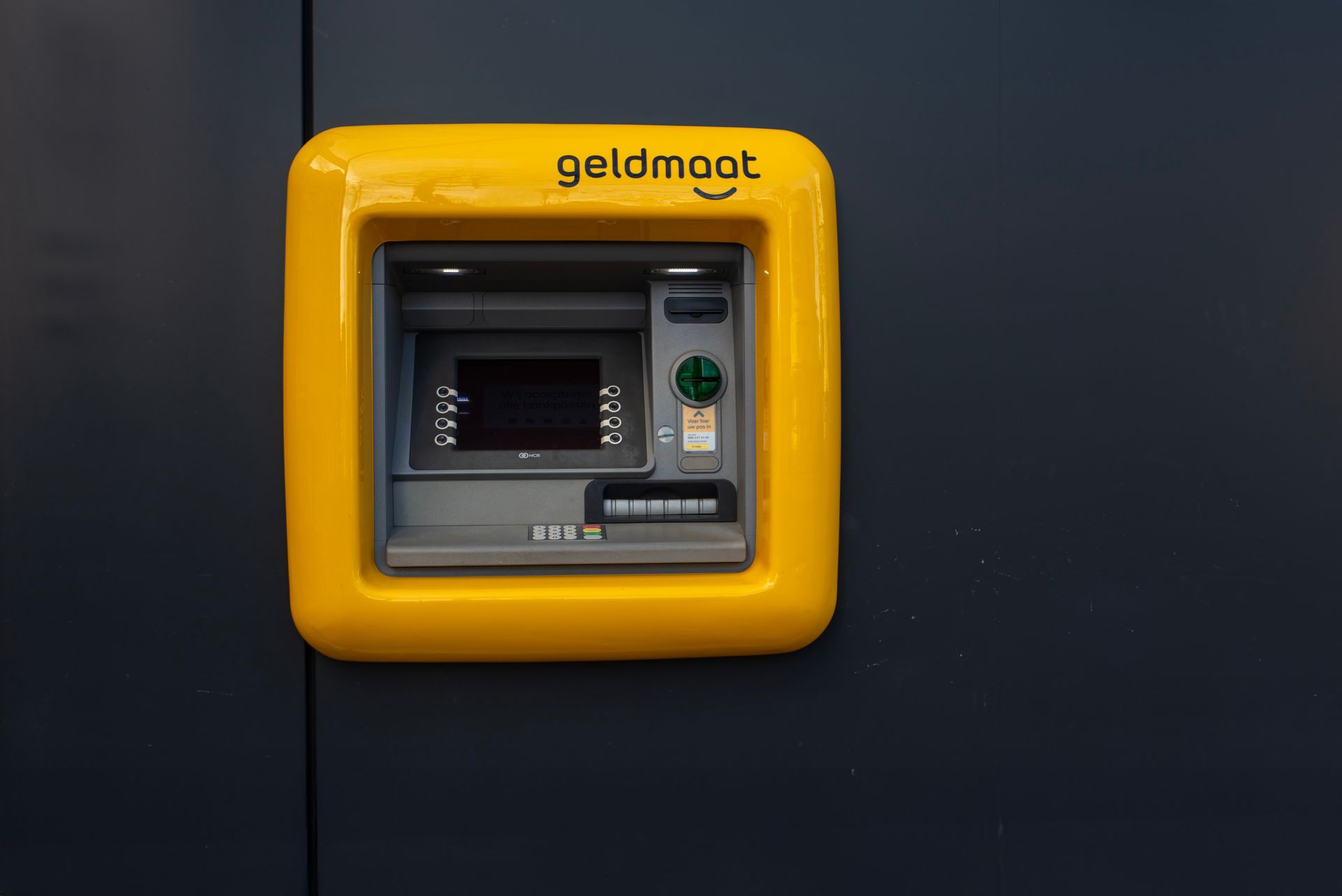
  • 7-Eleven (7-Bank): The most reliable ATMs, open 24/7, with a French-language interface.
  • JP Bank (Post Office): Present in every village, ideal when exploring off the beaten track.
  • Airports: On arrival, choose bureaux de change (Travelex, etc.) for immediate spending money.
ATMs in Japan

Exchange Fee Calculator

Compare the actual cost of a ¥100,000 purchase depending on your payment method.

Traditional Bank

Marked-up rate + Fixed commission (3%)

--- €
Neo-bank (Wise / Revolut)

Real exchange rate + Minimal fees (0.5%)

--- €
Currency Exchange Office (Airport)

Exchange-rate margin (8%)

--- €
Potential saving: 0.00 € when using a multi-currency card!

Suica, Pasmo and IC Cards: More than just a ticket

The IC card is the expat’s true “key to everything”. Although it is mainly used to travel by train and metro, its use has extended to almost every aspect of daily life.

Konbinis

Pay for your coffee at Lawson or FamilyMart with a simple “beep”.

Vending Machines

The famous jidohanbaiki almost all accept IC cards.

Fast-food Restaurants

Yoshinoya, Matsuya and ramen chains with self-service kiosks.

Lockers

Lock your luggage at the station using your card as both key and payment method.
Mobile Suica Payment

Payment Solutions Comparison

Payment method Speed Coverage Fees (excluding exchange) Ideal for...
Cash (Yen) Slow 100% 0% Temples, markets, ryokans
IC Card (Suica) Instant Urban 0% Transport, konbinis
International Bank Card Average 90% 2-3% Hotels, department stores
PayPay (QR Code) Fast High 0-1% Restaurants, local neighbourhoods

The Winning Strategy: The Expat Combo

For a stress-free life in Japan, a hybrid approach is best. Never rely on just one payment method. Here is our recommendation for optimised financial management:

1

Use a multi-currency card (Wise-type)

Even before you leave, open an account with Wise. You can hold a balance in yen, convert your euros at the real exchange rate and pay with a physical or virtual card without the exorbitant fees charged by traditional banks. It is the essential tool for keeping your budget under control.

2

Digitalise your IC card

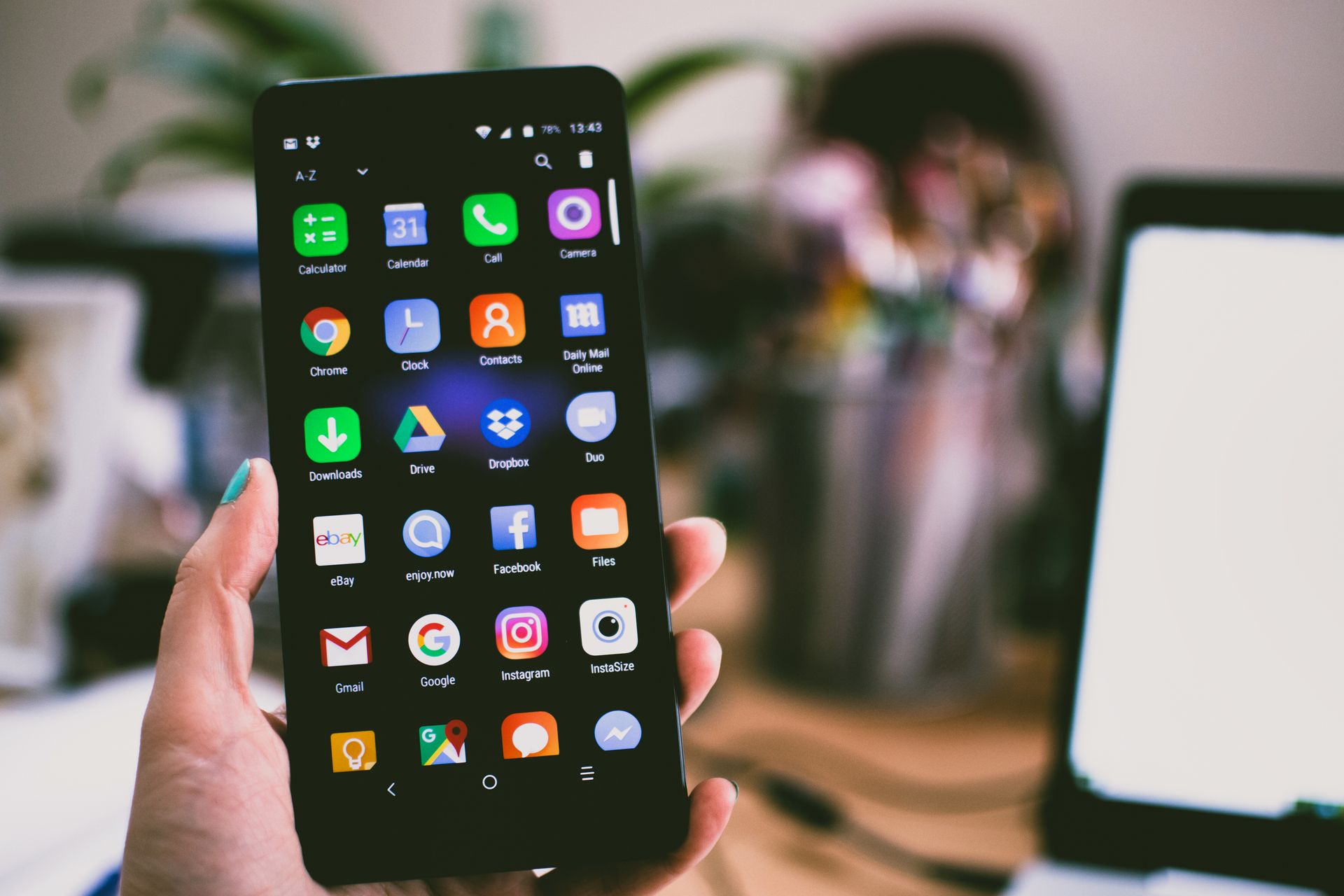
If you have an iPhone (recent model) or an Android smartphone compatible with FeliCa, add a Suica or Pasmo directly to your Apple Wallet or Google Pay. You will be able to top it up with your Wise card in just a few seconds, avoiding the queues at top-up machines, which often accept cash only.

3

Always keep ¥10,000 for emergencies

A ¥10,000 note (the Fukuzawa Yukichi banknote) hidden in your phone case or wallet could save the day if a machine rejects your card or you find yourself in a slightly older taxi.

Frequently Asked Questions

Can I use my French bank card everywhere?

No. Although large chains accept them, many small businesses are "Cash Only". Always carry cash.

Does PayPay work with a foreign card?

Generally, PayPay requires a Japanese telephone number to register. It is difficult for tourists, but for residents with a local SIM card, it is a must.

Are there tips in Japan?

No. Tipping does not exist and may even be considered rude. Service is included in the displayed price.

How do I pay my electricity/gas bills?

As an expat, you can pay them at a Konbini using the barcode on the bill (in cash), or by direct debit from a Japanese bank account.

What is the usual withdrawal limit?

Often ¥100,000 per withdrawal at 7-Eleven ATMs, but this mainly depends on the limits set by your own bank.

Does mobile contactless payment work as it does in France?

Japan uses FeliCa technology. If your foreign phone is not compatible (older models), standard NFC may not work at all terminals.

Where can I find the best exchange rates in Tokyo?

Shinjuku has many small, competitive currency exchange offices, but withdrawing cash from an ATM with a neobank is often more advantageous.

Can you pay in euros or dollars?

Absolutely never. Only yen (¥) is accepted.

Are there prepaid cards for tourists?

Yes, Suica Welcome and Pasmo Passport are valid for 28 days without an initial deposit, making them ideal for a short stay.

What should I do if an ATM keeps my card?

Use the internal telephone next to the ATM. If it is in a Konbini, ask the staff. See our emergency numbers page.

To get online as soon as you land, a Japan eSIM can be installed before you leave, with no need to look for a local SIM card.

Ready for your Japanese adventure?

Now that you have mastered your finances, find out how to find your future cosy home in the heart of the archipelago.

Updated on

Understanding Japan's payment ecosystem

Japan has a unique coexistence of financial tradition and modernity. Although the government is encouraging cashless payments, cash still plays a central role in everyday life. This duality can be explained by several factors: the country's exceptional safety, transaction fees that remain high for some small businesses, and a culture of respect that values physical contact with money.

For an expat or traveller, this reality requires a flexible approach. You will have to switch between several payment methods depending on the situation: a Shinto shrine may accept only coins, while an urban restaurant chain may favour QR codes. Anticipating these situations helps avoid frustration and delays.

Geographical areas and their specific features

Tokyo, Osaka and the major cities have wide acceptance of electronic payments. However, as soon as you travel towards rural prefectures or historical sites, cash once again becomes the norm. Always make sure you have enough notes before leaving urban centres.

Choosing a bank card for Japan

Not all international cards are equal when it comes to Japanese ATMs and payment terminals. Visa and Mastercard work in most cases, but some French banks charge prohibitive exchange fees, sometimes more than 3% per transaction. JCB, a Japanese network, offers excellent local coverage but remains uncommon in Europe.

Neobanks such as Wise and Revolut offer exchange rates close to the real market rate, with minimal fees. Before leaving or relocating, compare withdrawal limits, fixed fees and the rates applied. A multi-currency card allows you to hold a balance in yen and avoid repeated conversions.

Card typeExchange feesTypical withdrawal limitAdvantages
Traditional French bank2,5 à 3,5 %VariableTelephone assistance in French
Neobank (Wise, Revolut)0,5 à 1 %HighReal exchange rate, online management
Local JCB card0 %HighMaximum acceptance in Japan

Check NFC and FeliCa compatibility

Japan uses FeliCa technology for contactless payments, which differs from standard European NFC. If your smartphone is recent (iPhone from model 8 onwards, certain high-end Android phones), it will be compatible. Otherwise, you will need to use a physical IC card.

Withdrawing yen: where and how

ATMs are not all equal. 7-Eleven (7-Bank) ATMs accept almost all foreign cards, offer a multilingual interface and operate 24 hours a day. Post offices (JP Bank) also provide a reliable service, particularly in rural areas where commercial banks are absent.

If you can wait, avoid using ATMs at airports immediately after you arrive: exchange rates are often less favourable there. Opt for a moderate withdrawal in town on your first day, then top up your IC card for everyday expenses. Fixed withdrawal fees may encourage you to take out larger amounts at once, but keep security and your budget in mind.

Limits and practical tips

7-Bank ATMs generally allow withdrawals of up to 100,000 ¥ per transaction, but your bank may impose a lower limit. Check your online banking before departure to adjust these limits. If a withdrawal fails, try a smaller amount or use a different ATM.

Managing your day-to-day budget

Once you are settled in or travelling for an extended period, day-to-day money management rests on three pillars: cash for unexpected situations, an IC card for transport and small expenses, and a bank card or mobile app for larger amounts. This approach limits risks and keeps fees to a minimum.

To track your spending, several Japanese mobile apps (Money Forward, Zaim) let you scan receipts and automatically categorise your purchases. If you are a resident, opening a local bank account makes automatic payments (rent, bills) easier and gives you access to a wider range of financial services. See our guide to managing your finances in Japan and learn about the steps involved in opening an account.

Estimating your monthly budget

A Tokyo resident spends an average of between 150,000 and 250,000 ¥ per month, depending on their lifestyle and neighbourhood. Transport accounts for a significant proportion, making it worthwhile to top up an IC card regularly. Groceries are often paid for in cash at small local supermarkets, while larger supermarkets accept all cards.

Mobile payments and QR apps

PayPay dominates Japan's mobile payments market. The app can be linked to your Japanese bank account or a credit card, and generates a QR code for instant payments. Line Pay and Rakuten Pay follow, each with their own promotions and loyalty programmes.

For residents, registration requires a Japanese telephone number and a local address. Short-term tourists may encounter more difficulties, although some apps now offer limited international versions. Once set up, the app can be used to pay in restaurants, konbinis, taxis and even some vending machines.

Security and data protection

Japanese apps comply with strict data protection standards. Enable two-factor authentication and regularly monitor your transactions. If you lose your phone, contact your operator immediately and block the app from another device.

Specific situations and pitfalls to avoid

Some situations require particular attention. Taxis are increasingly accepting cards, but older drivers or those in rural areas may prefer cash. Hotels and traditional ryokans often require payment in cash at the end of your stay, even if the booking was paid for online.

Ticket vending machines (in restaurants and cinemas) sometimes accept only coins and small notes. Always keep some change with you. Finally, always decline the dynamic currency conversion (DCC) fees offered by some payment terminals: choose to pay in yen to benefit from your bank's exchange rate.

Taxation and declarations for residents

If you live in Japan, your worldwide income may be taxable locally depending on your status. Cryptocurrency transactions, for example, are subject to strict regulation. For more information, see our article on cryptocurrencies in Japan and FSA taxation. Similarly, Japanese taxation requires precise declarations: seek advice from a local accountant.

Preparing your finances before moving

For an expat settling in Japan long term, opening a Japanese bank account quickly becomes essential. It makes recurring payments and local transfers easier and provides access to financial services such as savings and credit. Banks generally require a residence card (zairyu card), a stable address and sometimes proof of employment.

At the same time, take out suitable health insurance to cover your medical expenses. Our guide to health insurance for expats in Japan explains the available options. Finally, if you are considering leaving the country after several years, remember to claim your Japanese pension: see our article on claiming your nenkin pension.

Planning ahead for administrative procedures

Moving to Japan involves numerous formalities, including registering with the local municipality and taking out national health insurance. These steps determine your access to banking and financial services. Prepare your documents in advance to speed up the process.

Frequently asked questions

Can you pay in euros or dollars in Japanese shops?

No, only Japanese yen is accepted everywhere in Japan. No shop, restaurant or service accepts foreign currencies. Plan to exchange your money before or as soon as you arrive, using an ATM compatible with international cards.

What are the actual fees for withdrawing money from a 7-Eleven ATM?

The 7-Bank ATM generally does not charge a fixed fee, but your bank applies its own charges (often between 2 and 5 euros per withdrawal) and an increased exchange-rate margin. Digital banks such as Wise keep these fees below 1% of the amount withdrawn.

Should you leave a tip in a restaurant or taxi?

No, tipping does not exist in Japan and may even be seen as rude or embarrassing. Service is always included in the displayed price. If you would like to show your appreciation, a simple thank you is more than enough.

How can I top up my Suica card if I do not have any cash?

Train station charging machines can now accept international bank cards on certain newer models. Otherwise, digitise your Suica on a compatible smartphone and top it up directly via Apple Pay or Google Pay using your bank card, without needing cash.

Does PayPay work with a foreign bank account?

PayPay requires a Japanese phone number for full registration. You can link an international credit card, but some features remain limited. For optimal use, open a local bank account after settling in Japan.

What should I do if my bank card is declined in a shop?

First check that the shop accepts foreign cards (look for Visa or Mastercard logos). If the terminal declines the payment, try paying in yen rather than a foreign currency (decline DCC). As a last resort, use cash or an IC card if the amount allows.

To book tours and activities in Japan ahead, see the options on Klook.