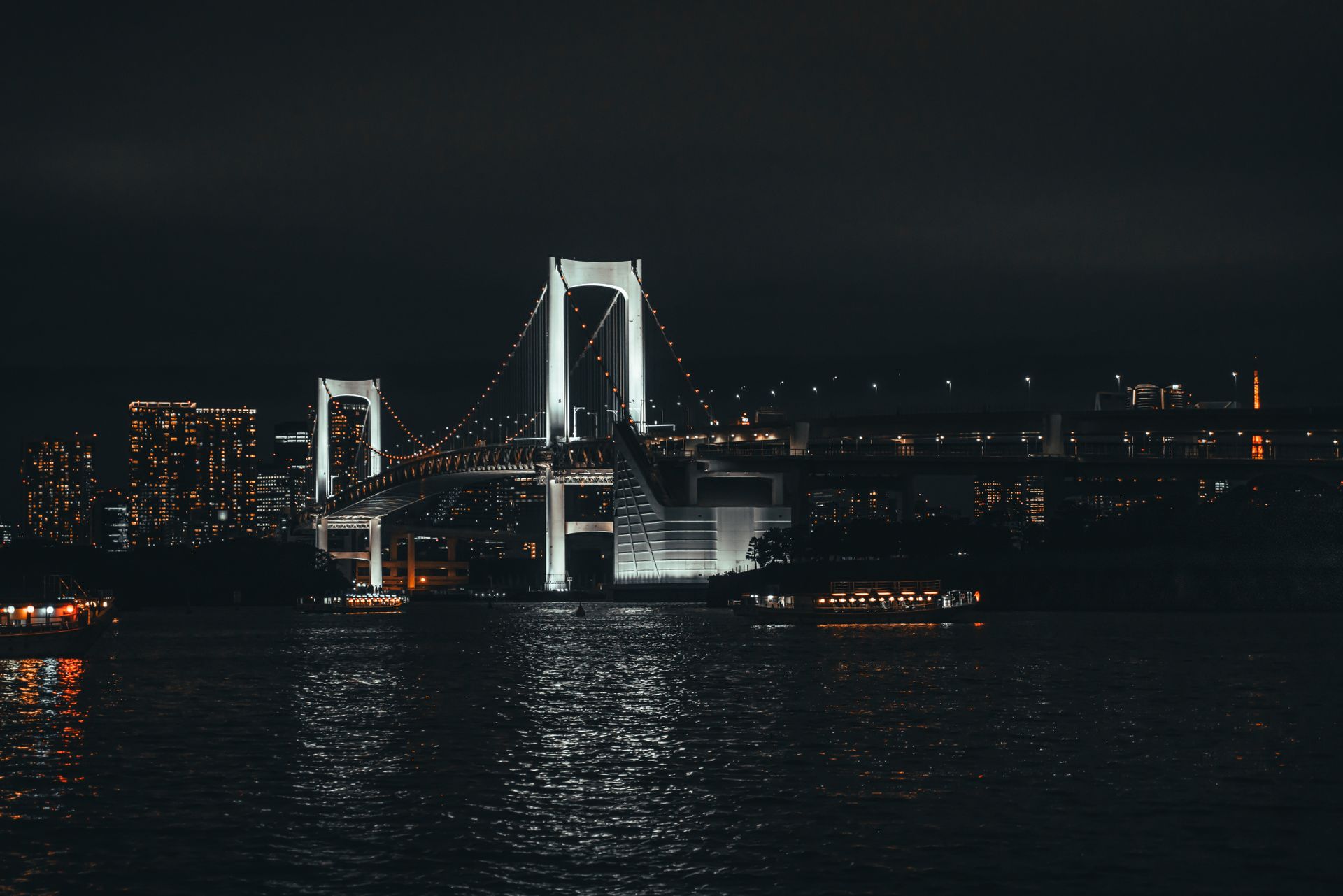
Emergency Numbers
in Japan
In the event of an accident, fire or health problem, every second counts. Police and fire service numbers, hospitals in Tokyo, Osaka, Kyoto and Fukuoka, the embassy: here are all the essential contacts for French speakers in Japan.
In Japan, dial 110 to contact the police and 119 to call the fire service or request an ambulance. 118 is for emergencies at sea. Give your location, briefly explain the situation and stay on the line. In the event of a non-life-threatening medical problem, Tokyo's Himawari service can be reached on 03-5285-8181 to help you find a medical facility.
Save these numbers before you leave and write down your accommodation address in Japanese. If you witness an accident, fire, assault or serious medical emergency, do not first try to find a doctor: call the appropriate service and ask people nearby for help.

The 3 Numbers to Know by Heart
Memorise them or save them in your contacts immediately.
Police (Keisatsu)
Call to report a crime, road accident, theft or assault. Available 24 hours a day, free of charge.
- • Road accidents
- • Theft and burglary
- • Violence or public disturbances
Fire Service & Ambulance
For fires (Kaji) or serious medical emergencies (Kyubyo). Ambulances are free in Japan.
- • Fire breaking out
- • Serious illness or injury
- • Urgent transport to hospital
Coast Guard
Use for incidents at sea, marine pollution or if you witness someone in distress offshore.
- • Boat accidents
- • Drownings or disappearances
- • Coastal pollution
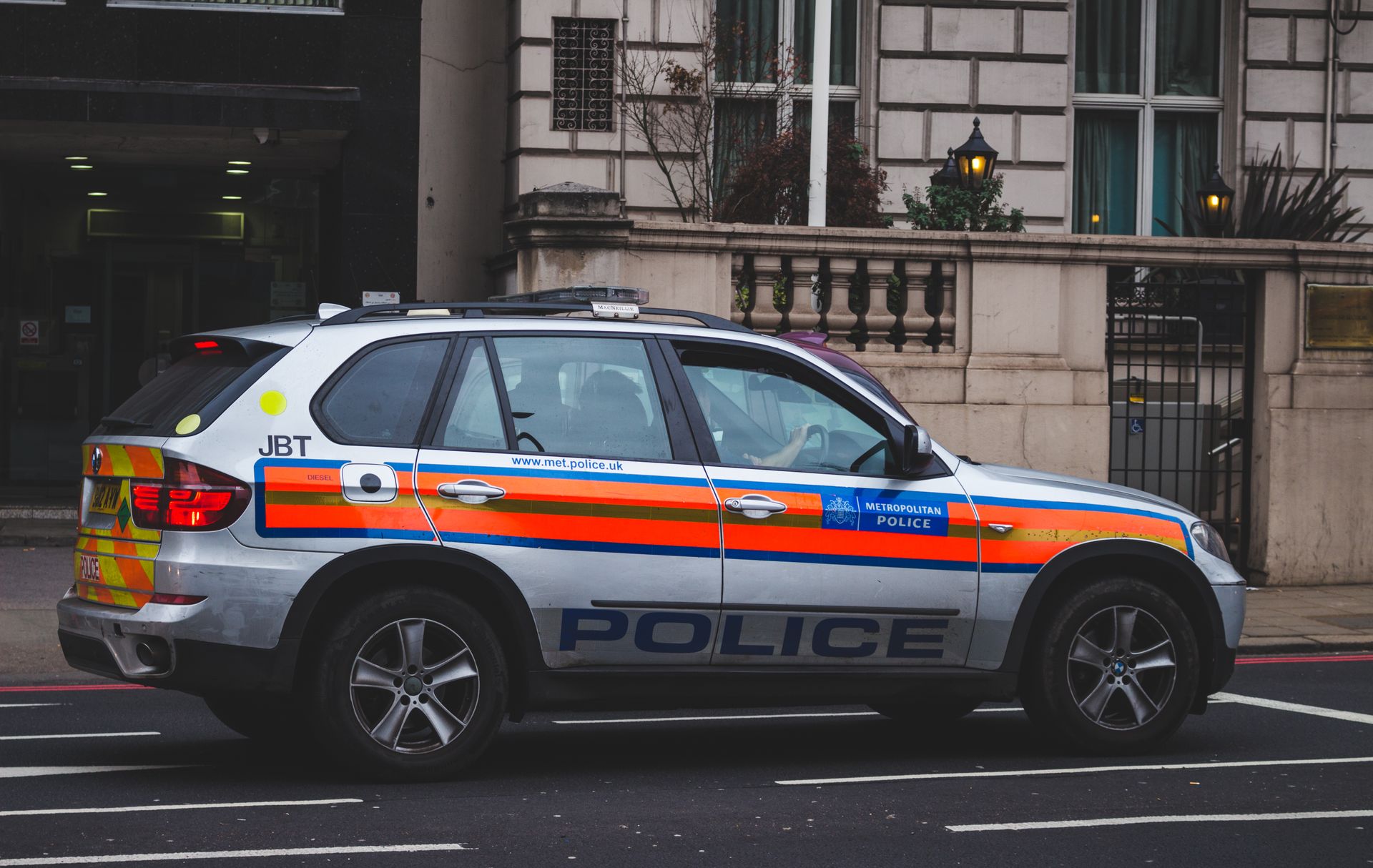
Calling the Police (110): How It Works
Japan is renowned as one of the safest countries in the world, as explained in our guide to safety in Japan. However, no one is immune to incidents. When you dial 110, you are connected to the prefectural police communications centre.
Stay calm and speak slowly
Operators may sometimes speak English, but keep your sentences short.
Give your precise location
Use the numbers on utility poles or vending machines if you do not know the address.
"Jiko desu" (It's an accident) or "Tonan desu" (It's a theft) are the first words to say.
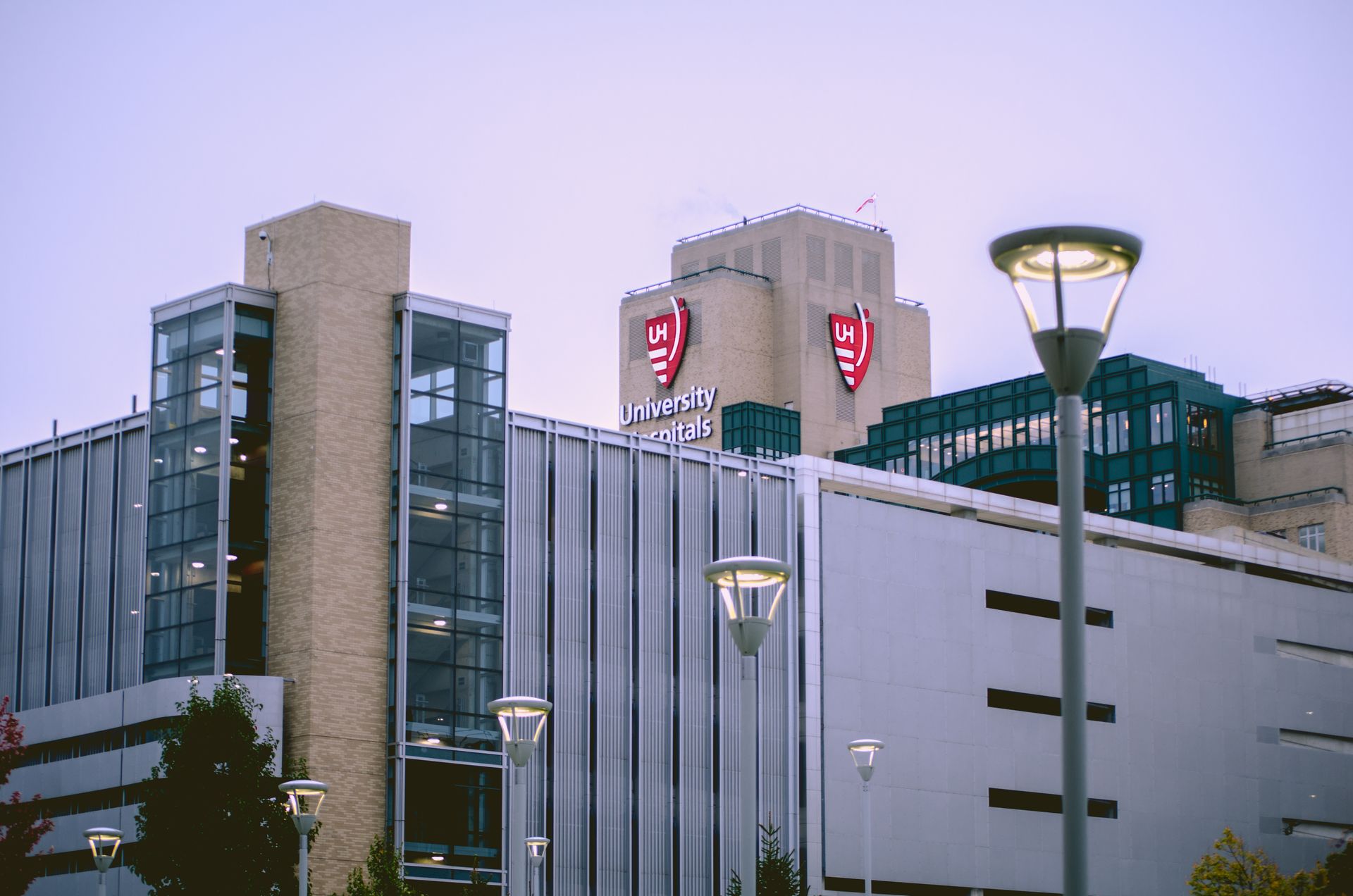
Fire Service and Ambulances (119)
Unlike in many countries, the fire service and emergency medical services share the same number: 119. To find out more about healthcare, see the healthcare system in Japan.
The operator's crucial question:
"Kaji desu ka? Kyubyo desu ka?"
(Is it a fire or a medical emergency?)
Note: Ambulances in Japan are a free public service. However, subsequent hospital treatment will be charged. Make sure your essential insurance policies are up to date.
Emergency Call Simulator
Prepare in advance by simulating a real-life scenario.
Number to dial
Key phrase (Japanese)
Actions to take
Multilingual and Healthcare Assistance
For cases that are not an immediate life-threatening emergency but require medical advice or language assistance, several services are available. This is particularly useful if you have just arrived and are trying to learn Japanese but are not yet fluent.
#7119: Emergency medical advice
Available in major cities such as Tokyo and Osaka. Nurses and doctors advise you on whether to call an ambulance or go to the emergency department by yourself.
Himawari (Tokyo): 03-5285-8181
Medical institution information service. They can help you find a French-speaking or English-speaking doctor who is open at the time of your call.
Japan Help Line: 0570-000-911
24-hour assistance in English for any type of emergency or query (health, legal matters, everyday life).
"In 2026, more and more 119 centres are using automatic translation systems to facilitate communication with foreign residents."
Useful hospitals and clinics in Tokyo, Osaka, Kyoto and Fukuoka
Beyond the emergency number, it is best to identify a suitable facility in advance, depending on the city you are in.
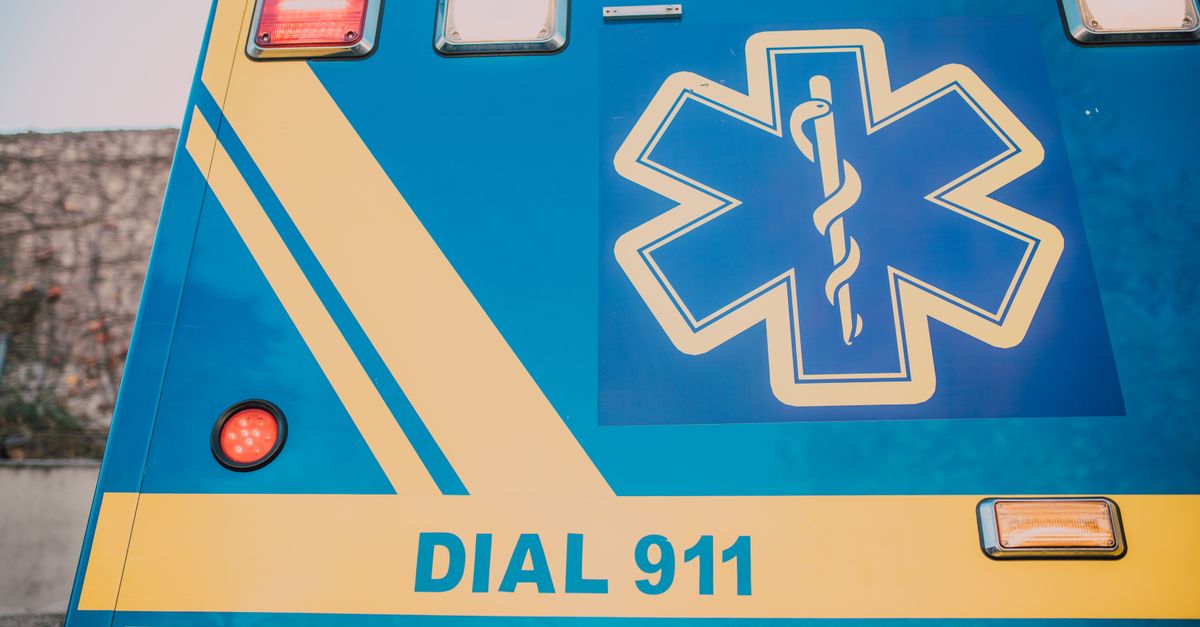
In Tokyo, several facilities accept French- and English-speaking patients without an appointment, as explained in our guide to finding a French-speaking doctor. In Osaka, the concentration of international clinics makes it easier to access English-language services. In Kyoto, medical facilities are more spread out, so it is best to identify one before you need it. In Fukuoka, the more compact city often makes it easier to find a suitable facility.
| Facility | City | Main purpose | Contact |
|---|---|---|---|
| Tokyo Clinic | Tokyo (Minato-ku) | English- and French-speaking doctors | +81 3 3436 3028 / +81 3 3436 3025 |
| Red Cross Hospital | Tokyo | General hospital care | +81 3 3400 1311 |
| Keio University Hospital | Tokyo (Shinjuku-ku) | Referral facility for complex cases | +81 3 3353 1208 / 1209 / 1211 |
This selection is not a substitute for local research when the time comes, but provides a readily usable starting point in case of need.
Embassies and Diplomatic Services
In the event of a lost passport, arrest or death, contact your diplomatic representation immediately.
France
4-11-44 Minami-Azabu, Minato-ku, Tokyo
Tel: 03-5798-6000
For consular emergencies outside opening hours, visit their official website.
Belgium
5-4 Nibancho, Chiyoda-ku, Tokyo
Tel: 03-3262-0191
Also covers economic and commercial affairs for the regions.
+ Switzerland
5-9-12 Minami-Azabu, Minato-ku, Tokyo
Tel: 03-5449-8400
Assistance for Swiss nationals and nationals of the Principality of Liechtenstein.
Canada
7-3-38 Akasaka, Minato-ku, Tokyo
Tel: 03-5412-6200
Consular services for Canadians living in or travelling to Japan.
Morocco
5-4-30 Minami-Aoyama, Minato-ku, Tokyo
Tel: 03-5485-7171
Diplomatic representation of the Kingdom of Morocco in Japan.
Senegal
1-3-4 Aobadai, Meguro-ku, Tokyo
Tel: 03-3464-8451
Assistance for Senegalese nationals in East Asia.
For other countries or specific services, please consult the services directory.
Lost or stolen passport: what to do
A common and stressful situation for French-speaking expats and travellers. Here is the order in which the steps should be followed.
Report to the police
Go to the nearest koban (police box) to report the loss (funshitsu todoke) or theft (tounan todoke). You will systematically be asked for this receipt at the next step.
Contact the embassy or consulate
Contact the French Embassy in Japan (or your diplomatic representation) to arrange the issue of a provisional travel document. Bring passport photos, the police receipt and any remaining proof of identity (passport photocopy, residence card).
Regularising your residency
If your residence card (zairyu card) disappeared along with your passport, report it to the immigration office as well: it determines your residence status. Our guide to administrative procedures in Japan details the full process.
For passport and visa validity and renewal requirements, see our dedicated page on passports and visas in Japan. If you are preparing for or have just started your move abroad, our guide to moving to and settling in Japan covers all the formalities to plan for.
Natural Disasters: Be prepared
Japan is located on the "Ring of Fire". Earthquakes, typhoons and tsunamis are part of life. For optimal preparation, read our complete guide to risk prevention in Japan.
J-Alert warnings
Your phone will emit a distinctive shrill sound. Do not ignore it. Take shelter immediately (under a sturdy table).
NHK World TV/Radio
Broadcasts emergency information in English and sometimes French. It is the most reliable official source in real time.
What to say to the operator
| Operator's question | Expected response | Useful vocabulary |
|---|---|---|
| Nani ga okimashita ka? (What happened?) |
Briefly describe the incident. | Jiko (Accident), Kaji (Fire), Tonan (Theft) |
| Basho wa doko desu ka? (Where are you?) |
Give the address or a landmark. | ... mae (in front of ...), ... no tonari (next to ...) |
| Namae to denwa bango wa? (Name and telephone number?) |
Spell your name clearly. | Watashi no namae wa ... desu. |
| Ima no jokyo wa? (What is the current situation?) |
Explain whether there are any injured people. | Keganin ga imasu (There are injured people) |
Tip: set up a Japan eSIM before departure so your data works on arrival.
Frequently Asked Questions (FAQ)
Answers to common questions about emergencies in Japan.
Stay calm during your time abroad
Preparation is the key to a stress-free life in Japan. Join our community to discuss safety and best practices.