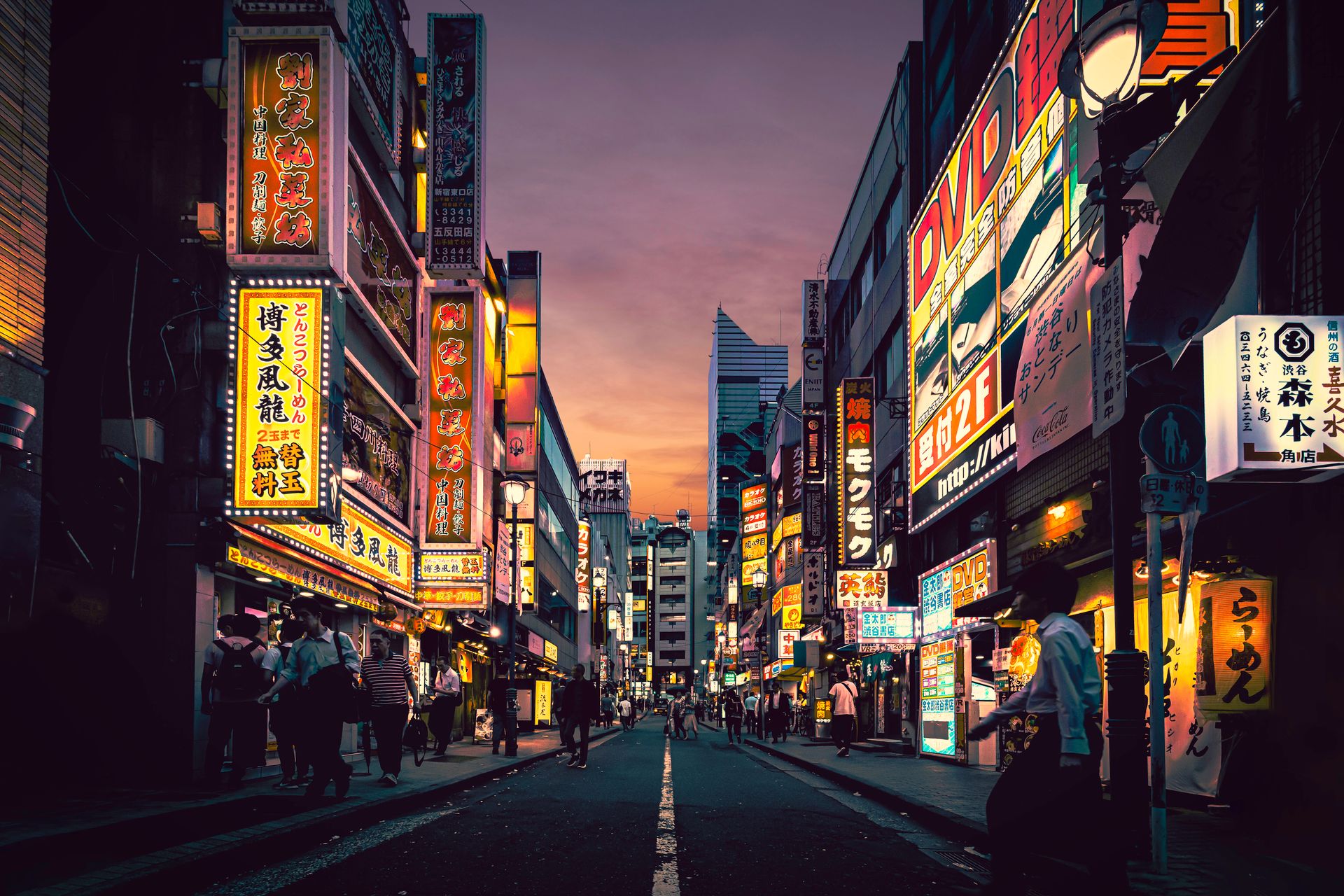
Living in Japan in complete peace of mind
Find out why Japan remains one of the safest countries in the world, and how to master the local codes for a trouble-free move abroad.
Japan is generally a safe destination for travellers and expatriates, but safety in Japan depends on being properly prepared. The main risks are not ordinary assaults: they are primarily earthquakes, typhoons, certain wild animals, scams in nightlife districts and failure to comply with local rules. Stay alert to warnings, avoid ambiguous situations and follow the authorities' instructions.
Before travelling or settling in, prepare your emergency contacts, check official recommendations and familiarise yourself with your accommodation's procedures. Appropriate insurance, easily accessible documents and a few words of Japanese can also make it easier to get help if something goes wrong.

A Reputation for Excellence Based on Facts
In 2026, Japan continues to rank among the world's safest countries (Global Peace Index). For a French-speaking expatriate, the contrast can be striking: it is not unusual to see six-year-old children taking the metro alone or passers-by leaving their wallet on a table to reserve their seat in a café.
The Pillars of Your Safety
Understand the different aspects of Japanese life to minimise risks.
Natural Hazards
Earthquakes, typhoons and volcanoes are part of everyday life. Preparation is the key to survival in Japan.
Find out more →
Urban Safety
The concept of the "koban" (neighbourhood police boxes) ensures a reassuring presence on every street corner.
- ✓ Very low theft rate
- ✓ Streets lit at night
- ✓ Extremely safe transport
Nightlife
Beware of touts in Kabukicho or Roppongi. Scams involving inflated prices do occur.
Our tips for going outStrict Laws
Japan enforces a zero-tolerance policy, particularly regarding drugs. The legal consequences can be devastating for an expatriate.
Special note: possession of medicines containing pseudoephedrine.
Managing Natural Hazards
Japan is located on the Pacific "Ring of Fire", making it one of the world's most earthquake-prone countries. However, this vulnerability has shaped one of the most sophisticated prevention systems on the planet. As an expatriate, your safety depends not on luck, but on how well informed and prepared you are.
The Shindo System: Understanding intensity
Unlike magnitude (the Richter scale), which measures the energy released at the focus, the Shindo scale (from 0 to 7) measures the intensity of shaking experienced at a specific location. From Shindo 5-lower onwards, objects fall and it becomes difficult to move around. Familiarise yourself with these warnings through apps such as Yurekuru Call or NERV, which are essential on your smartphone.
The Survival Kit (Bousai Bag)
- Drinking water (3 litres per day/person)
- Non-perishable food (freeze-dried rice, bars)
- Wind-up radio and spare batteries
- LED torch
- Copy of your residence card and passport
- Basic medicines and first-aid kit
What to Do During Shaking
- Drop, Cover, Hold on: Get down and take cover under a sturdy table.
- Move away from windows and tall furniture.
- Never use the lift.
- Outside, protect your head from falling debris (signs, roof tiles).
Typhoons, meanwhile, can be forecast several days in advance. Between August and October, monitor the weather. The Japanese transport network may be suspended as a precautionary measure. See our guide to weather in Japan for more details on the seasons at risk.
Emergency Preparedness Simulator
Assess your safety level in 2026.
Urban Vigilance: Pitfalls to Avoid
Roppongi and Kabukicho
Although generally safe, these nightlife districts are home to questionable practices. Touts (often foreigners or linked to organised crime groups) promise you "free drinks" or extremely low prices to lure you into unlicensed bars.
Expert advice: NEVER follow a street tout, even if they seem friendly.
Beware of "Drink Spiking"
Cases of drugs being added to drinks have been reported. The victim wakes up the next day to find their bank card emptied of several thousand euros. Stay with your friends and always keep an eye on your drink.
Harassment and "Chikan"
For female expatriates, harassment on public transport (gropers or "chikan") is an unfortunate reality. Japan has introduced women-only carriages (Women Only), identified by pink stickers on the platforms. They operate during rush hours. See our guide to family life for more advice on protecting minors.
Japanese Law Does Not Mess Around
Drugs
Even a tiny amount of cannabis can lead to 23 days in pre-trial detention, followed by permanent deportation.
Alcohol & Driving
Zero tolerance. If you drive after one drink, the passenger and the bar server may also face prosecution.
Identification
You must carry your residence card (Zairyu Card) with you at all times. A simple check can turn into a nightmare without it.
Before you leave, carefully read the advice from the French Consulate. If you are arrested, immediately ask to contact your embassy.
Integration as a Shield
The more you understand the culture and master the language, the safer you are. Being able to read warning signs in an emergency, and understand the silences and gestures of Japanese non-verbal communication (see our guide), allows you to anticipate tensions.
-
1
Learning the Language
Mastering the basics of emergency Japanese radically changes the quality of assistance you will receive.
-
2
The Social Network
Take part in neighbourhood life (Chonaikai). Your Japanese neighbours are your first allies in the event of a disaster.
-
3
Mental Health
Isolation is a danger. Consult our directory of services to find French-speaking support groups.
"Better safe than sorry."
See the full list on our dedicated page.
Frequently Asked Questions: Safety
To get online as soon as you land, a Japan eSIM can be installed before you leave, with no need to look for a local SIM card.
Ready to settle in with confidence?
Safety is the foundation of a fulfilling life. Continue preparing by consulting our complete guide for new residents.