
Master Emergency
Japanese
In a crisis, every second counts. Learn the vital phrases for asking for help, reporting an accident or staying calm during a natural disaster in Japan.
In an emergency in Japan, dial 110 to reach the police or 119 to request an ambulance or report a fire. To attract attention, say “Tasukete kudasai” (助けてください), meaning “Please help me”, then give your location. If you do not speak Japanese, say “English please” or “French please” and use written or visual translation.
A short phrase, a precise location and a simple description of the situation make it easier for help to arrive. Prepare your accommodation address, passport, allergies and insurance contact details in advance. If in doubt about a medical emergency, seek advice from a healthcare professional or contact the emergency services.
110
Police (Kousatsu)
Accident, theft, assault
119
Ambulance / Fire
Medical emergency or fire
#7119
Medical Advice
Unsure whether it is an emergency
118
Coastguard
Emergencies at sea

Why learn emergency Japanese?
Japan is one of the safest countries in the world, but it is also prone to unpredictable natural phenomena and, as anywhere else, everyday incidents. Whether you are a passing tourist or following our complete guide to living in Japan, the language barrier can become an insurmountable obstacle in a situation of intense stress.
In 2026, although automatic translation technology has advanced, being able to say simple words such as "Tasukete!" (Help me!) or "Keisatsu o yonde kudasai!" (Call the police!) can save lives. This guide has been designed to provide you with the language tools needed to react in the face of danger, illness or natural disasters.
Survival Vocabulary
The key phrases you absolutely need to memorise.
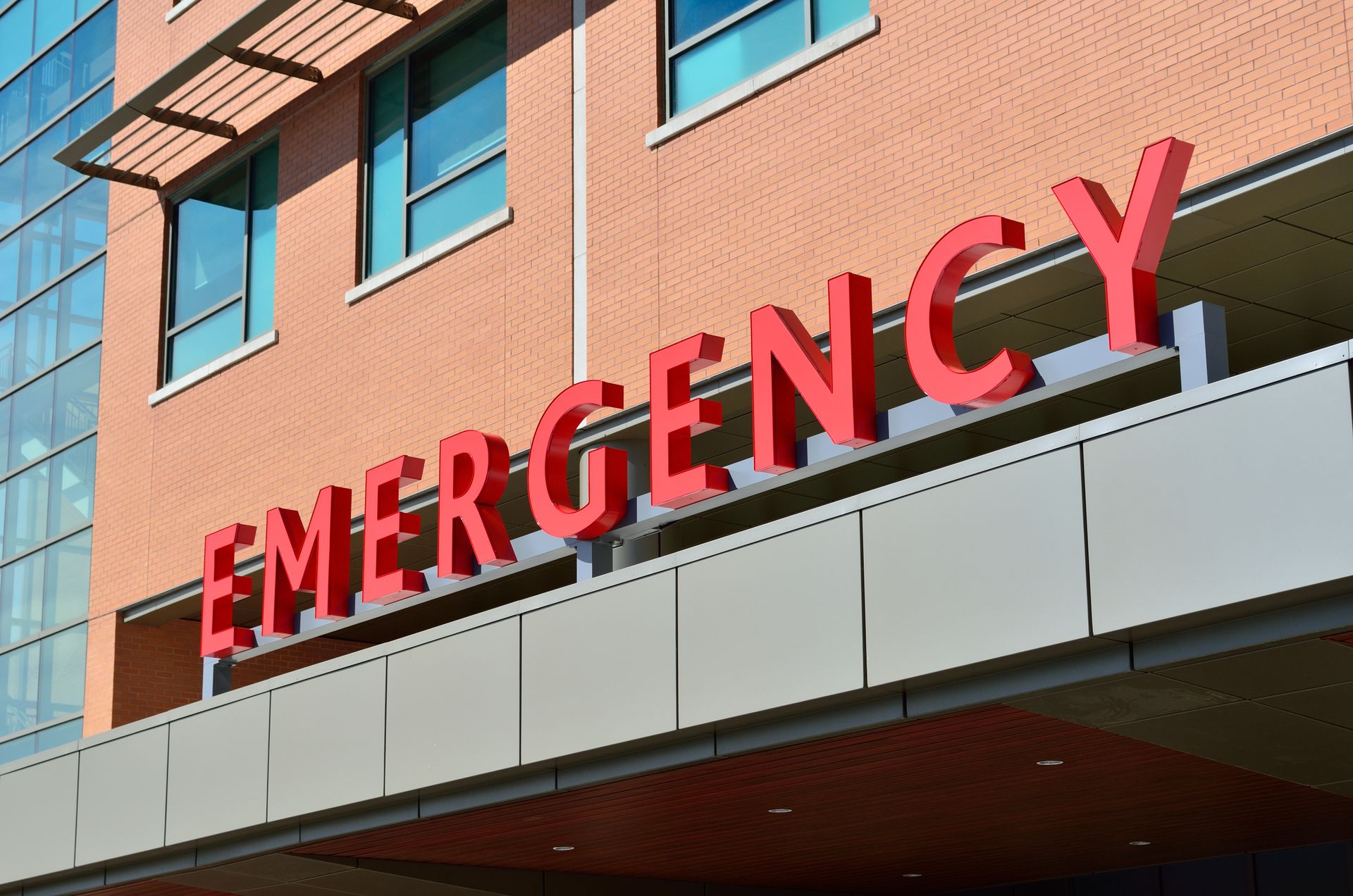
Tasukete!
助けて (たすけて)
This is the universal word for "Help me!". Use it forcefully in immediate danger. Unlike "Sumimasen" (excuse me), it indicates genuine distress.
Keisatsu
警察 (けいさつ)
For the police. Ask:
"Keisatsu o yonde kudasai" (Call the police).
Kaji
火事 (かじ)
Fire. Shout "Kaji da!" if you see flames, to alert your neighbours.
Kyûkyûsha
救急車 (きゅうきゅうしゃ)
Ambulance. To request medical assistance:
"Kyûkyûsha o yonde kudasai".
Knowing how to describe your pain
When arriving at a hospital or speaking to a first aider, it is crucial to be precise. The healthcare system in Japan is excellent, but its effectiveness depends on the initial communication.
"Koko ga itai desu."
It hurts here. (While pointing to the area)
"Arerugî ga arimasu."
I have allergies.
"Kibun ga warui desu."
I do not feel well / I feel nauseous.
"Isha o yonde kudasai!"
Call a doctor!
For more details, see our directory to find a French-speaking doctor in Japan.

Emergency Phrase Simulator
Click on a situation to discover the phrase to say, its pronunciation and its Kanji/Kana writing.
事故です!救急車を!
Jiko desu! Kyûkyûsha o!
"It's an accident! An ambulance!"
Natural Disasters: The Survival Lexicon
Earthquake (Jishin)
- Jishin da!: It's an earthquake!
- Hinanjô: Refuge / Shelter.
- Tsukue no shita ni!: Under the table!
Tsunami / Flood
- Takadai e!: Head for higher ground!
- Tsunami keihô: Tsunami warning.
- Nigete!: Run away! / Save yourself!
Useful Phrases
- Daijôbu desu ka?: Are you all right?
- Mizu o kudasai: Water, please.
- Wi-fi wa arimasu ka?: Is there Wi-Fi?
Prepare in advance
Japan has some of the most advanced safety infrastructure in the world. See our guide to weather and seasons to understand the risks of typhoons, or find out how general safety in Japan works.
Basic phrases for travellers
1 Courtesy
Sumimasen
Excuse me / Sorry
Arigatô gozaimasu
Thank you very much
Onegaishimasu
Please (for a request)
2 Shopping & Shops
Ikura desu ka?
How much does it cost?
Kore o kudasai
I’ll take this one
Kâdo wa tsukaemasu ka?
Do you take cards?
Note: In Japan, prices are never negotiated. See the guide to shopping in Japan.
3 At the Restaurant
O-susume wa?
What do you recommend?
O-kaikei o onegaishimasu
The bill, please
Oishii desu!
It’s delicious!
Find out more about Japanese cuisine.
Frequently Asked Questions
Can I call the emergency services if I don’t speak Japanese?
Yes. In 2026, call centres (110 and 119) in major cities often have live interpreters. Say "English please" or "French please" and wait to be transferred.
How do I say that I’m allergic to peanuts?
Say: "Piinattsu arerugî ga arimasu". It is advisable to have a written translation card for restaurants. See our guide to special dietary requirements in Japan.
Where can I find the emergency numbers displayed?
They can be found in every phone box and hotel, and often on vending machines or electricity poles to help with location.
How do I locate a defibrillator (AED)?
Look for the AED symbol. They are everywhere: stations, banks and shopping centres. To ask, say: "AED wa doko desu ka?".
What should I do if my passport is stolen?
Go to the nearest Kôban (small neighbourhood police station) and say: "Pasupôto o nakushimashita" (I have lost my passport).
Are emergency services free in Japan?
Ambulance transport is free for everyone, but hospital treatment is chargeable. Make sure you have expat insurance or travel insurance.
What is the difference between Tasukete and Sumimasen?
"Sumimasen" is polite and used to get someone’s attention. "Tasukete" is a cry for help in a life-threatening emergency.
How do I ask for water in an emergency?
Say: "Mizu o kudasai". During a heatwave (very common in summer), this is an essential phrase to help prevent heatstroke.
Are there any useful apps?
Yes, the JTA’s "Safety tips" app is essential. See our list of apps for life in Japan.
Is it true that you can leave your belongings unattended?
Although this is common, it is still important to be cautious. If you lose something, Japan’s lost property system is extremely efficient. More information about safety.

Tip: set up a Japan eSIM before departure so your data works on arrival.
Don’t be lost for words.
Learning the basics is the first step towards successful and safe integration. Download our vocabulary sheets or chat with other expats on our forum.
Recommended External Resources