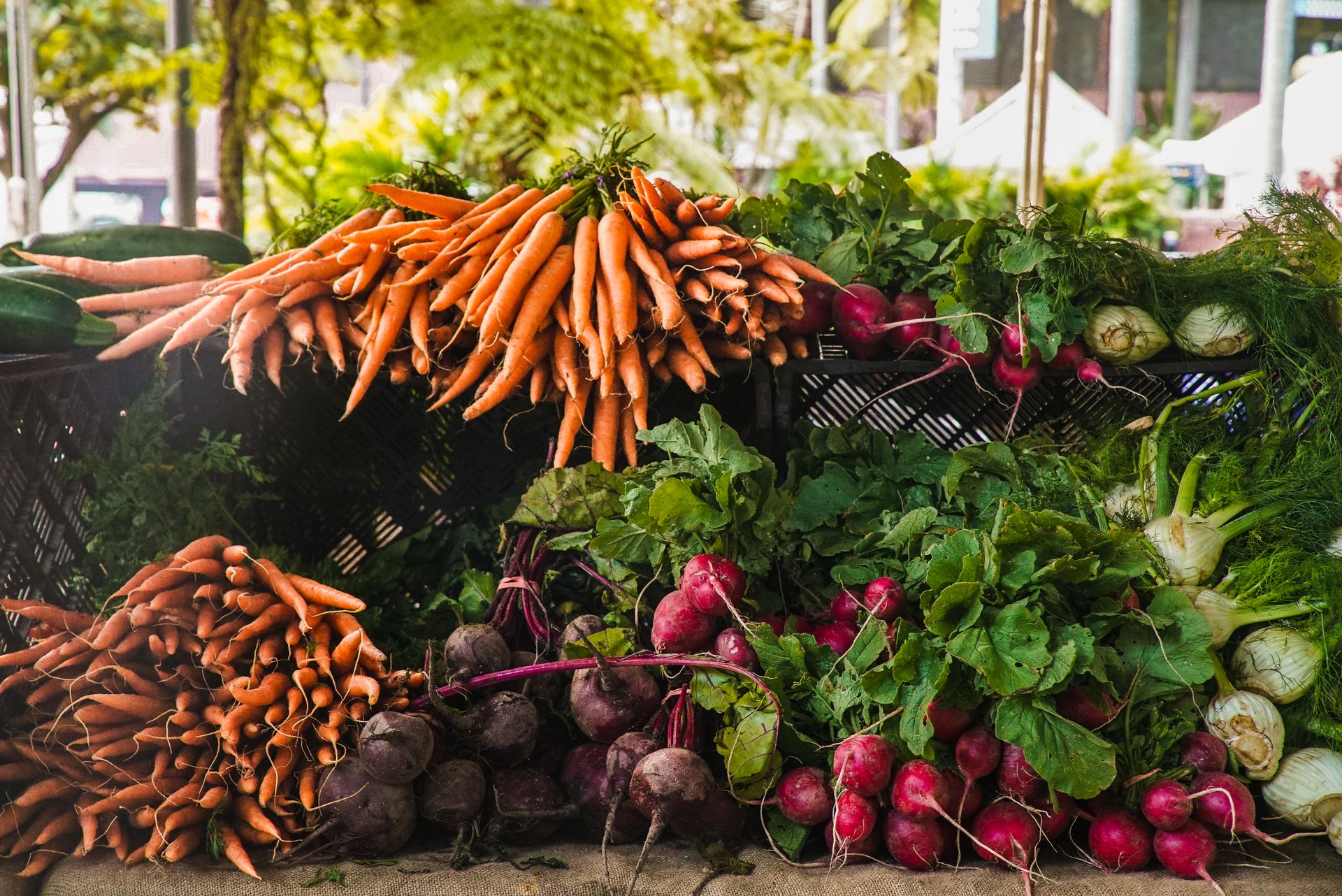
Vegetarianism & Special Diets in Japan
Navigating Japan’s culinary landscape in 2026: from the ancient traditions of Shojin Ryori to the modern vegan revolution.
Being vegetarian in Japan is possible, but the word “vegetarian” does not always exclude fish, bonito stock or certain animal-based ingredients. Be specific about exactly what you do not eat, check sauces and stocks, then favour specialist restaurants, simple dishes and detailed labels. Preparation is particularly useful outside the major cities.
A vegan diet requires even more vigilance, particularly with noodles, bread, pastries, sauces and prepared foods. For everyday shopping, also consult this guide to doing your food shopping in Japan and identify the convenience stores along your route in advance.

The Paradox of Japanese Cuisine
On the surface, Japanese cuisine seems like a vegetarian paradise. With its bowls of steaming rice, blocks of silky tofu and mountains of pickled vegetables, it is built on a solid plant-based foundation. However, attentive expats and travellers quickly discover a more complex reality: the ubiquity of Dashi.
This stock, essential to almost all sauces, soups and seasonings, is traditionally made with Katsuobushi (dried bonito flakes). In Japan, the concept of “meat-free” rarely excludes fish or fish-based products. Understanding this nuance is the crucial first step for anyone wishing to maintain a specific diet while enjoying everyday life in Japan.
“Asking for a ‘vegetarian’ dish in a standard restaurant can result in a dish containing ham, eggs or fish dashi, because the local perception of meat is often limited to mammals and poultry.”
The Pillars of a Plant-Based Diet
Explore the basic ingredients that make up a vegetarian’s food-safety toolkit in Japan.
Tofu (豆腐)
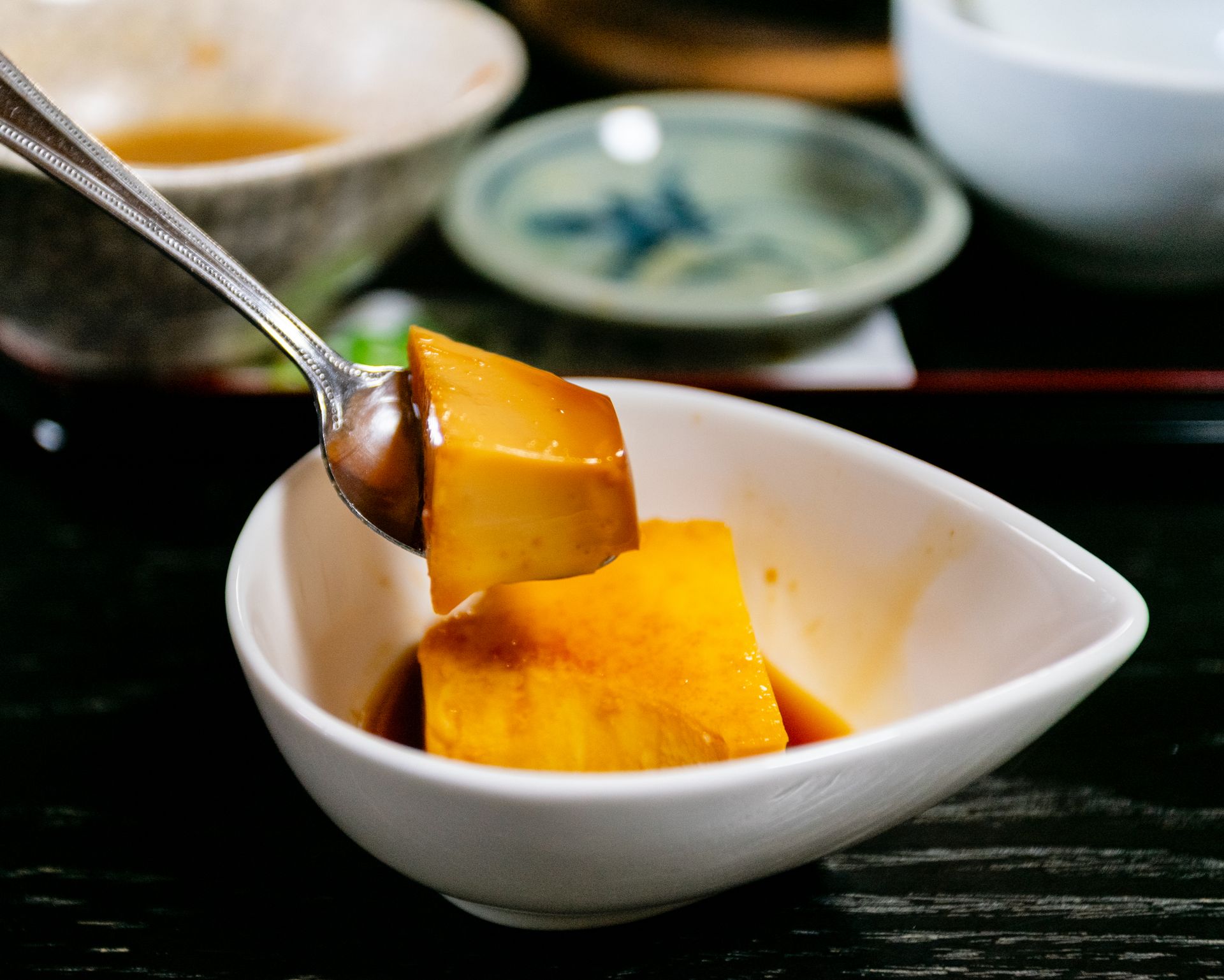
Far more than a simple white cube, tofu comes in countless forms: Kinu (silken), Momen (firm), Agedashi (fried) or Yuba (tofu skin). It is the staple protein source for vegetarian expats.

Tsukemono
Fermented vegetables served with every meal. Beware: the vinegar is sometimes mixed with dashi.
Rice & Onigiri
The foundation of the diet. Check the fillings in supermarkets.
Soba & Udon
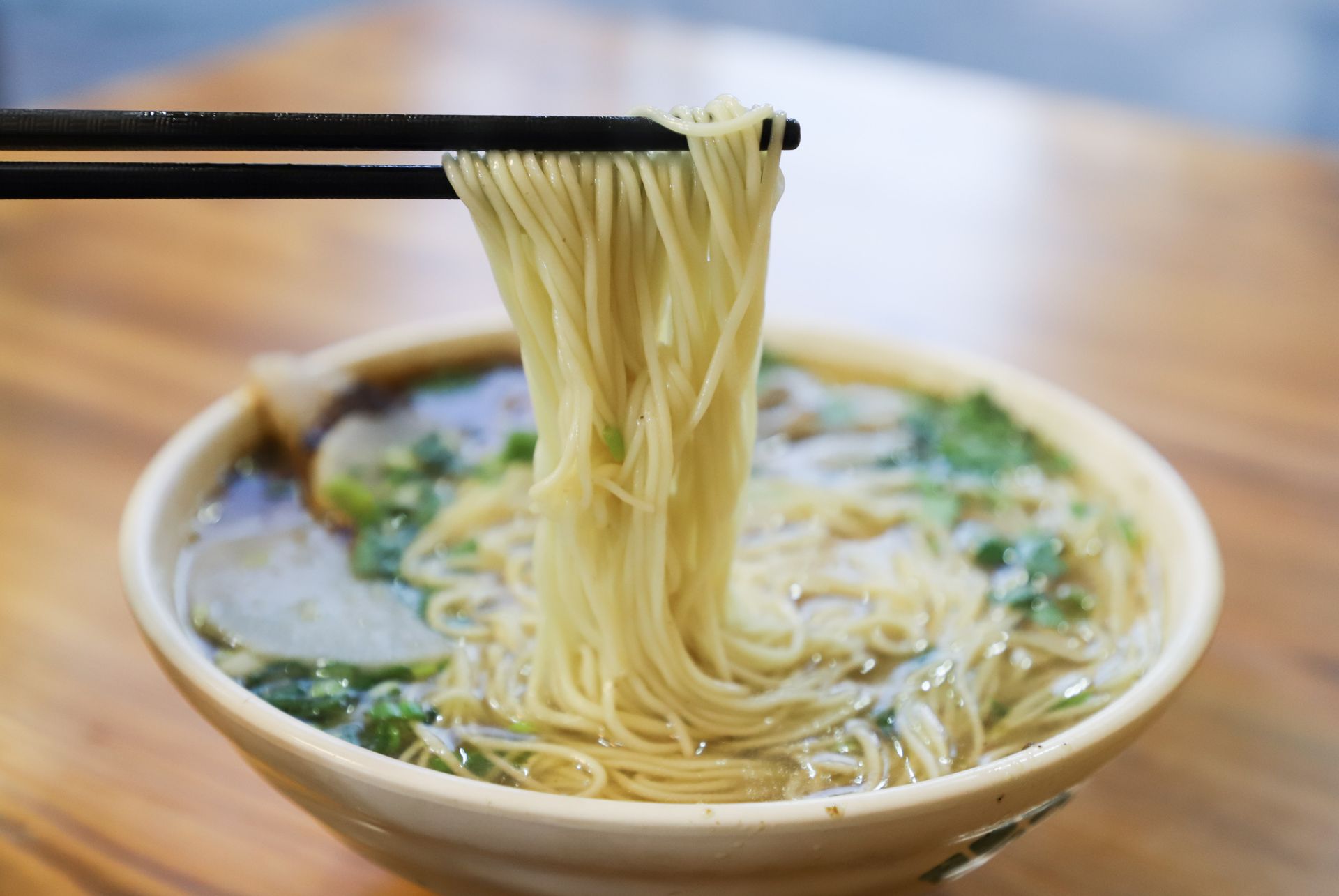
Buckwheat or wheat noodles are often “safe”, but beware of the dipping sauce (tsuyu), which is almost always fish-based.
A Spiritual Heritage: Shojin Ryori
The history of vegetarianism in Japan is not a modern trend, but a thousand-year-old tradition. In 675 AD, Emperor Tenmu, influenced by Buddhist principles, banned the consumption of farmed meat (beef, horse, dog, monkey and chicken). This ban lasted, with fluctuations, for more than 1,200 years, until the Meiji era in 1872.
This heritage gave rise to Shojin Ryori, the devotional cuisine of Buddhist monks. It is based on the rule of five: five colours (green, yellow, red, black and white) and five flavours (sweet, sour, salty, bitter and umami). It is entirely vegan, seasonal and breathtakingly beautiful.
Today, enjoying a Shojin Ryori meal at a temple in Kyoto or on Mount Koya remains the ultimate experience for understanding the deep culture of Japan.

Veggie Checker 2026
Select the ingredients present in a dish to assess its compatibility with your diet.
Suspect ingredients
Neutral ingredients
Everyday Eating: Survival Guide

The Major Cities
Tokyo, Osaka and Kyoto have seen an explosion in vegetarian and vegan restaurants in recent years. Use apps such as HappyCow or Vegewel to find culinary gems in the lively neighbourhoods.

Salvation by Kombini
In an emergency, 7-Eleven and Lawson come to the rescue. Look for onigiri with Kombu (seaweed) or Umeboshi (salted plum). Beware: tuna-mayo onigiri are everywhere, so read the labels carefully or use Google Lens.

Ryokans & Countryside
Outside the cities, adaptability is key. When booking traditional accommodation, always specify your dietary restrictions at least one week in advance.
How to order like a pro
Key Phrases
-
I am vegetarian
Watashi wa bejitarian desu.
-
I do not eat meat or fish
Niku to sakana wa taberaremasen.
-
Does it contain fish dashi?
Sakana no dashi wa haitte imasu ka?
The Importance of Precision
In Japan, the word “vegetarian” is often interpreted flexibly. To avoid any confusion, we recommend using laminated cards clearly explaining what you cannot eat (no meat, no fish, no eggs, no dashi).
Feel free to consult our guide on managing everyday life without speaking Japanese for more visual communication tips.
Other Diets: Halal and Kosher
☪️ Halal Options
With the increase in tourism from South-East Asia, Japan has made great progress. Certified halal ramen can now be found in major railway stations. However, beware of hidden alcohol (mirin) used in marinades.
✡️ Kosher Options
Strictly kosher options remain very limited, mainly concentrated around Chabad centres in Tokyo and Kobe. For expats, a strict vegetarian diet is often the safest fallback option.
Is the Future Plant-Based in Japan?
In 2026, perceptions of vegetarianism in Japan have changed radically. What was once seen as a religious constraint or foreign eccentricity has become a lifestyle choice valued for its sustainability and health benefits. Meat substitutes made from Japanese soya, of exceptional quality, are now appearing on the menus of major restaurant chains.
Yet Japan’s beauty lies in this precarious balance between respect for tradition and pragmatism. Discovering Konjac (devil’s tongue root) or Natto (fermented soybeans) is not just a matter of nutrition; it is an introduction to a philosophy of life that celebrates the balance of textures and the purity of seasonal produce.
To get online as soon as you land, a Japan eSIM can be installed before you leave, with no need to look for a local SIM card.
Frequently Asked Questions
Can I eat Miso if I’m vegan?
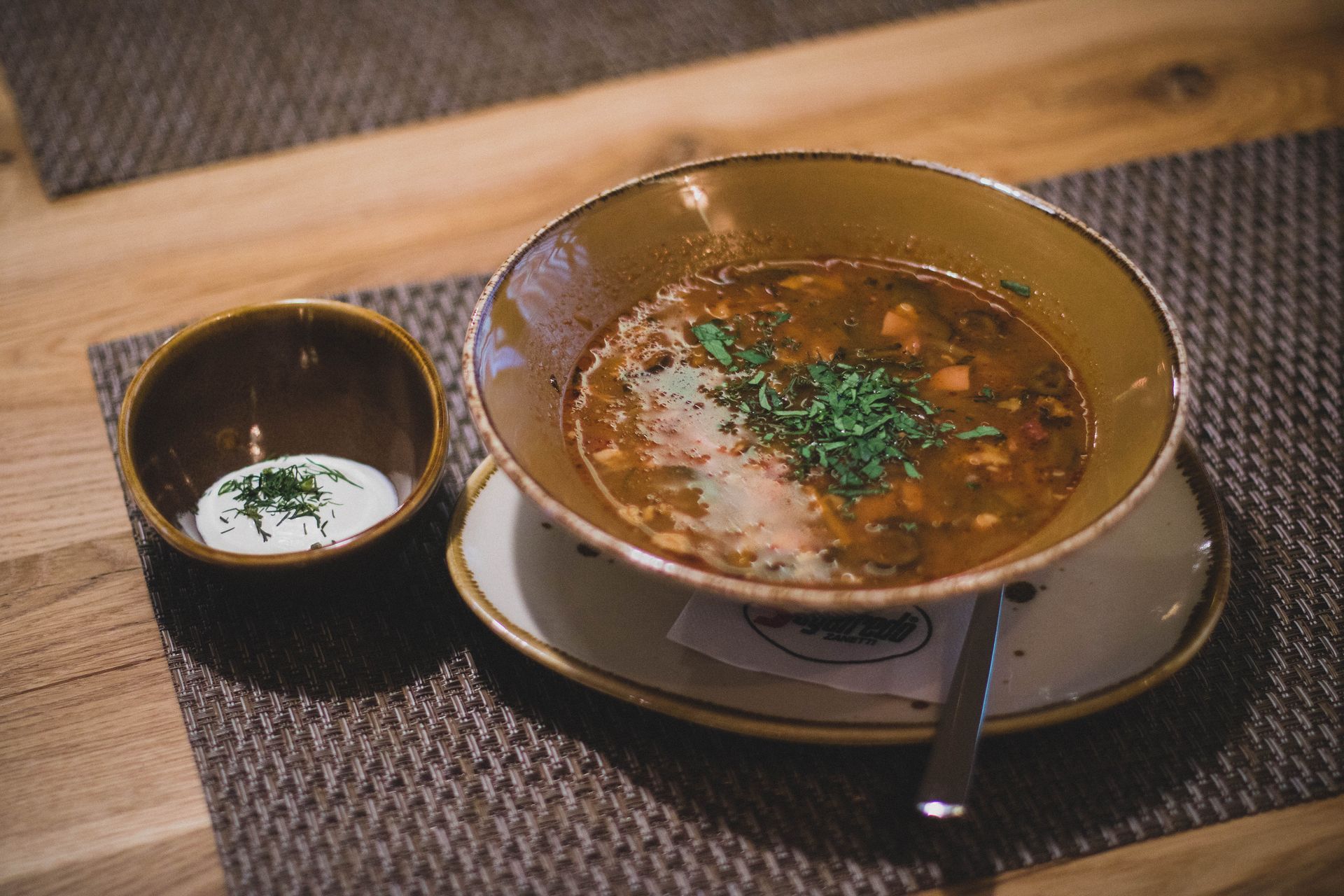
Miso paste is plant-based, but miso soup is almost always made with fish dashi. Ask whether it is “Kombu Dashi” (seaweed).
Are vegetarian ramen common?
They are becoming popular in cities, but the standard broth is made with pork or chicken bones. Look for restaurants such as Afuri or Kyushu Jangara.
Is there lard in Japanese bread?
Yes, often. Shokupan (sliced white bread) may contain lard or milk. Specialised vegan bakeries are preferable.
What is “Gom豆腐”?
It is sesame tofu, a speciality of Shojin Ryori. A creamy delight often served cold.
Where can I find high-quality tofu?
At traditional neighbourhood shops or in the fresh-food sections of department stores (Depachika).
Is sake vegan?
Yes, traditional sake is made from rice, water and koji. It is rarely clarified using animal-derived agents.
Are vegetarian sushi available?
Absolutely: Inari-zushi, Kappa-maki (cucumber), Kanpyo-maki (dried squash) or sushi with grilled aubergine.
Is it difficult to be vegan in Japan?
It is more of a social than a culinary challenge. Preparation and knowledge of the ingredients are your best allies.
Which snacks are accidentally vegan?
Roasted ginkgo nuts, edamame and certain types of plain senbei (rice crackers).
How can I explain my seafood allergy?
Gyokairui arerugi desu.
Need personalised advice?
Join our expat community to exchange your best addresses and recipes in Japan.