The Art of Japanese Cuisine:
Much more than sushi
Dive into the fascinating world of Washoku. From Osaka street food to the refinement of Kaiseki, discover how to eat, cook and experience Japanese gastronomy every day in 2026.
La cuisine japonaise ne se résume pas aux sushis. Elle associe riz, nouilles, poissons, viandes, légumes, produits fermentés et spécialités régionales, avec une attention particulière portée à la saison et à la présentation. Selon vos envies, vous pouvez manger rapidement dans un konbini, commander un plat populaire dans une petite échoppe ou réserver une expérience gastronomique plus raffinée.
Pour une première découverte, goûtez plusieurs styles : un plat de nouilles, une spécialité de rue, un repas complet en teishoku et une recette propre à la région visitée. Observez aussi les usages locaux, notamment la manière de commander, de partager les plats et d’utiliser les baguettes.

The essentials of Japanese cuisine
Japanese cuisine — washoku, listed as UNESCO Intangible Cultural Heritage since 2013 — is based on fresh ingredients, seasonality and a balance of flavours. Far more than sushi, it includes hundreds of dishes: ramen, tempura, okonomiyaki, donburi, kaiseki… with regional variations throughout Japan. To truly discover it, nothing beats a food tour or a cooking class with a local.
The Spirit of Washoku: Balance and Seasonality
Inscribed on UNESCO’s Intangible Cultural Heritage list, Washoku (traditional Japanese cuisine) is much more than a simple list of ingredients. It is a philosophy based on harmony of flavours, respect for nature and the beauty of presentation. In Japan, eating is an experience that engages all the senses.
The classic structure of a home-cooked meal is based on the principle of Ichiju Sansai: one soup (often miso) and three side dishes, served with a bowl of white rice. This approach ensures perfect nutritional balance, focusing on seasonal produce (shun) at the peak of its flavour and goodness.
Whether you are a young expat moving into accommodation in Japan or a food enthusiast from further afield, understanding these basics is the first step towards integrating into everyday life in Japan.

The Culinary Landscape
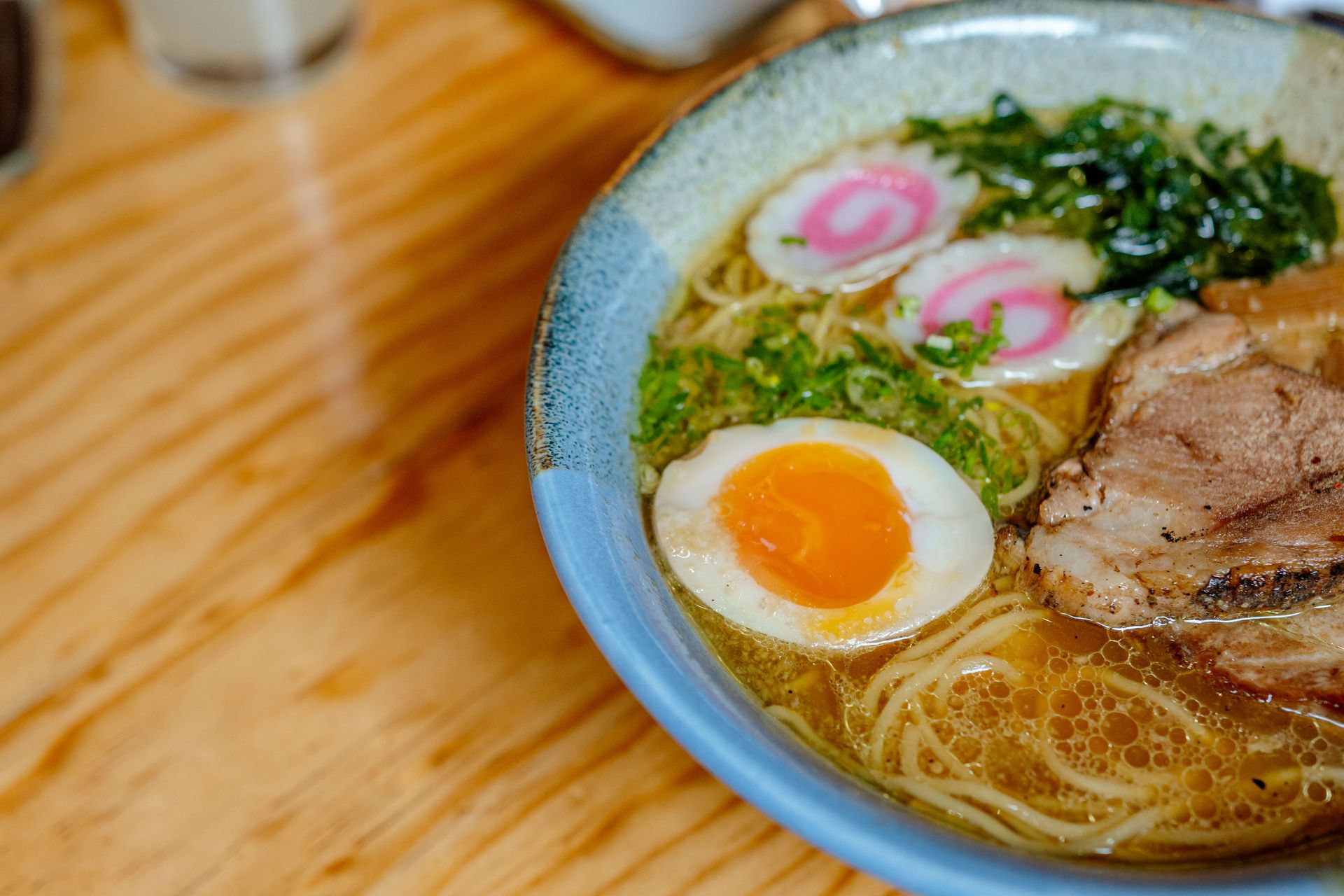
Ramen: The ultimate comfort food
Far more than instant noodles, real ramen is an art of broth-making (Tonkotsu, Shoyu, Miso), simmered for hours. Every region has its own speciality.
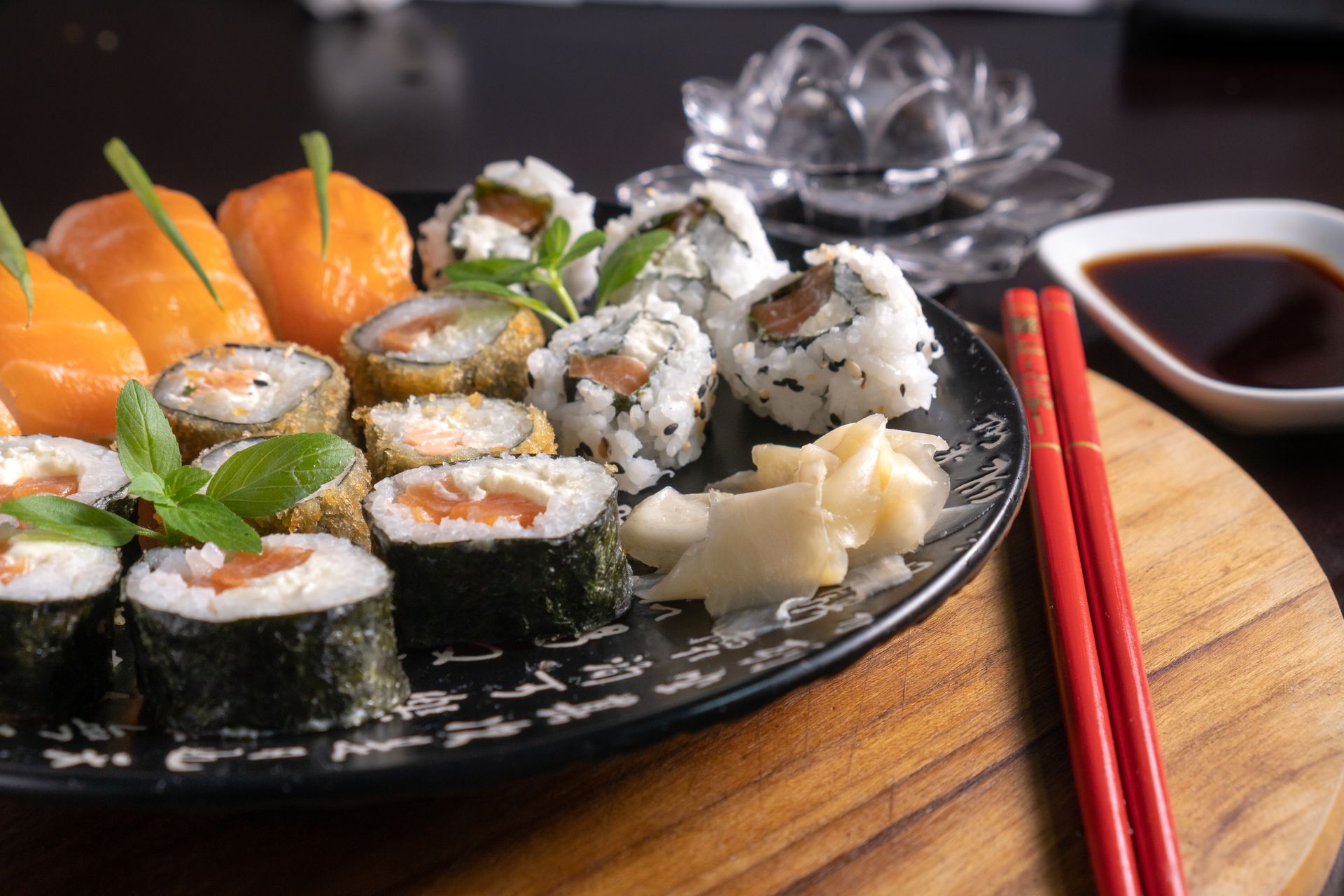
Sushi & Sashimi
The essence of freshness. Learn to tell nigiri from maki.
Yakitori
Charcoal-grilled chicken skewers. The heart of nightlife.
Tempura
Incomparably light vegetable and prawn fritters.
The Essentials of a Japanese Pantry
Miso
Fermented soya bean paste, it is the basis of many soups and marinades. From white (mild) to red (strong), it provides essential Umami.
Dashi
The basic stock made with kombu seaweed and dried bonito flakes (katsuobushi). It is the soul of Japanese cuisine.
Shoyu & Mirin
The combination of savoury (soy sauce) and sweet, alcoholic flavours (mirin rice wine) for perfect teriyaki sauces.
Food Budget Calculator (2026)
Estimate your monthly expenses based on your expat lifestyle.
Based on average prices observed in Tokyo in 2026.

Recipe: “Koinobori” Omurice
Tradition: Kodomo no Hi (Children’s Day)
Omurice is the quintessential “Yōshoku” dish (Japanese-style Western cuisine). On 5 May, families prepare it in the shape of a carp (Koinobori) to symbolise strength and courage. It is a fun recipe, perfect for families living in Japan.
Steps:
- 1 Stir-fry rice with diced chicken, onions and ketchup (red rice).
- 2 Make a thin, runny omelette in a round frying pan.
- 3 Drape the omelette over the rice moulded into a long cylinder.
- 4 Decorate with slices of cucumber or sausage for the scales and a slice of olive for the eye.
Sweets and Drinks
🍡 Wagashi & Modern Desserts
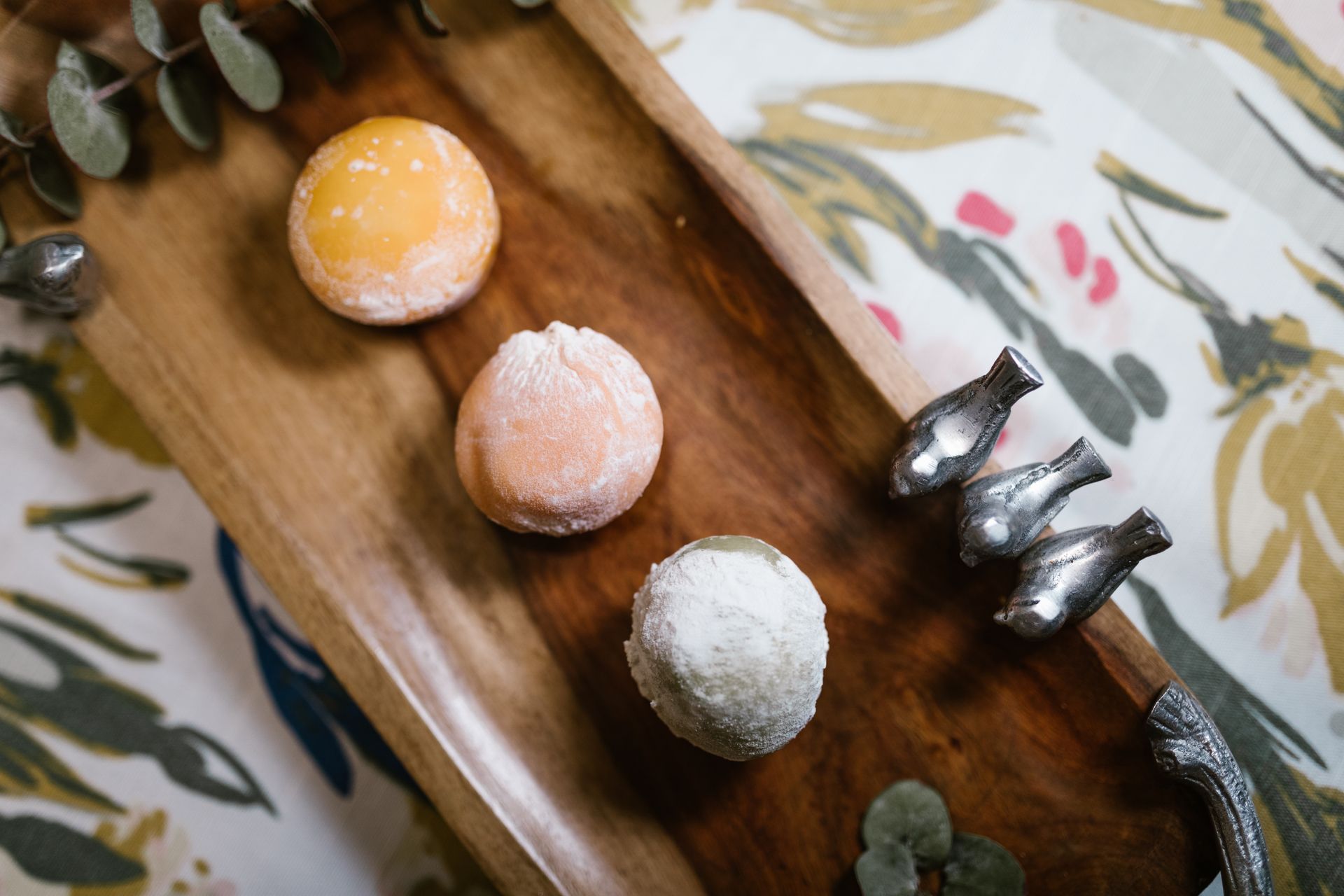
Mochi
A ball of sticky rice filled with anko (red bean paste). A must at traditional festivals.
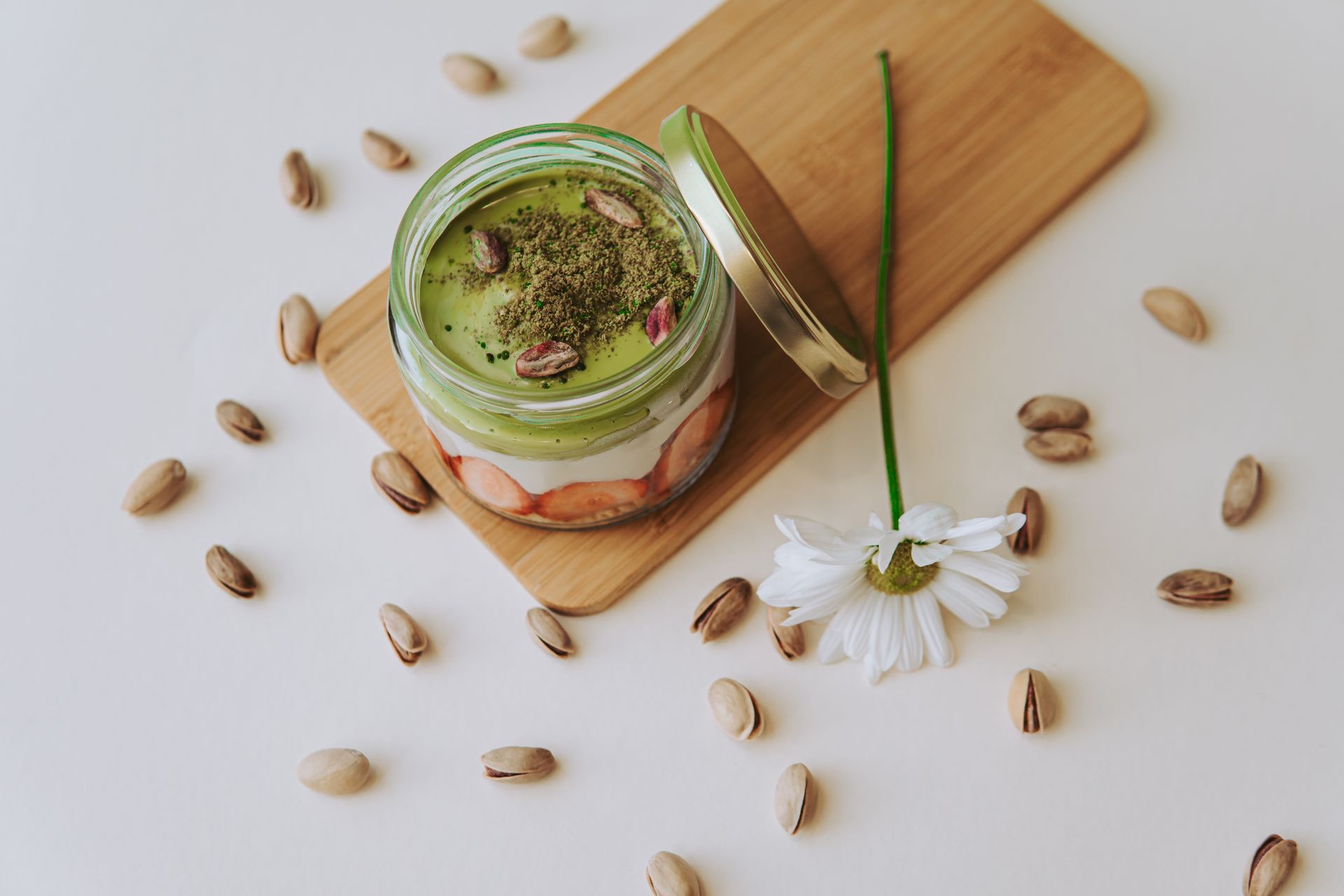
Matcha & Yuzu
Bitter and tangy flavours found in parfaits, ice creams and cakes.
🍵 The Art of Drinking
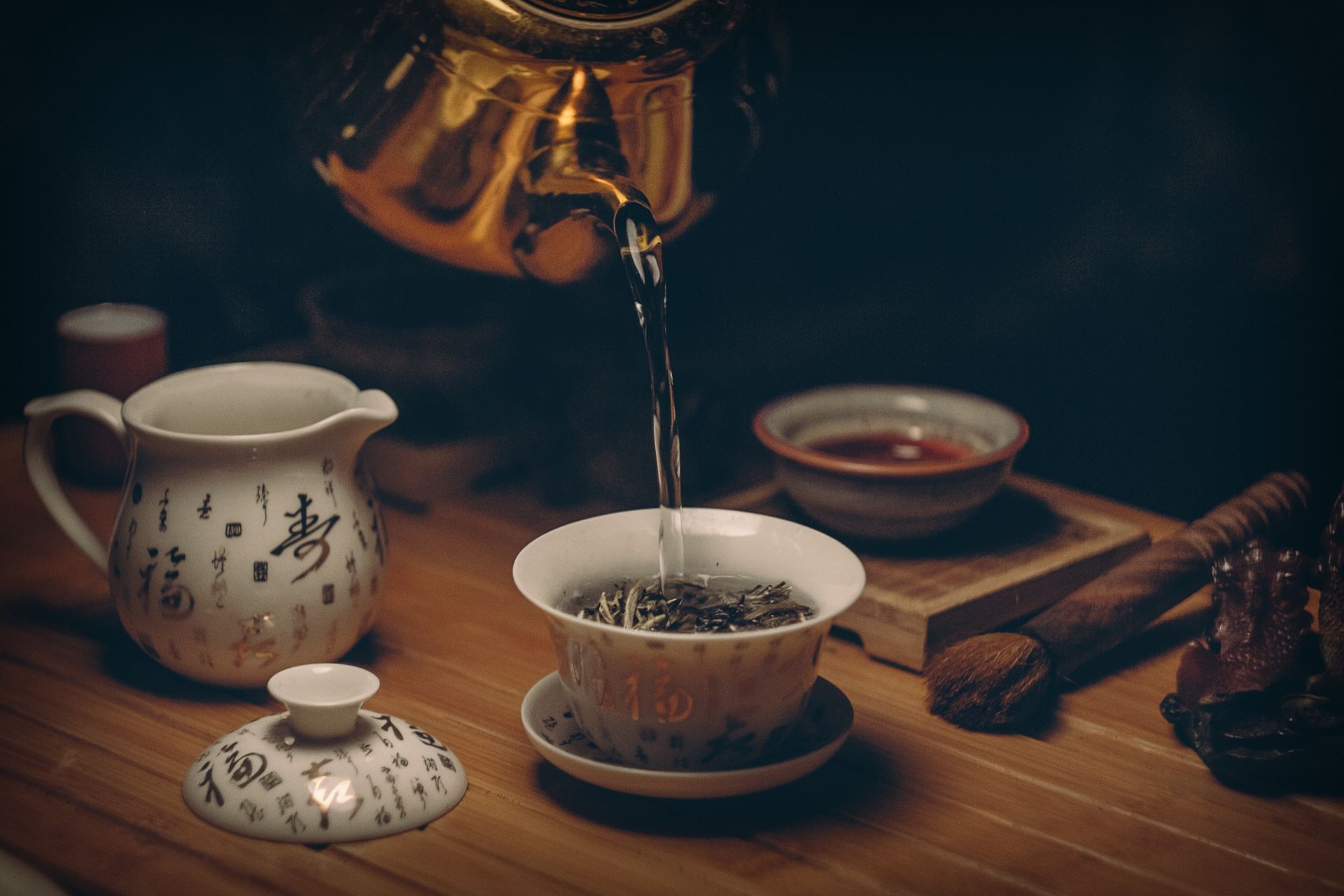
Green Tea & Hojicha
From everyday Sencha to matcha served at the tea ceremony. In winter, roasted Hojicha is a delight.

Sake (Nihonshu)
Rice alcohol with endless nuances. Enjoy it hot or cold depending on the season and brewing method.
Equip your Japanese kitchen
Santoku
The ultimate versatile Japanese knife.
Rice Cooker
The number-one investment for perfect rice every time.
Saibashi
Long cooking chopsticks, essential for frying and stirring.
Donabe
Earthenware pot for convivial simmered dishes (Nabe).
Where to eat? A guide to your options
| Type | Budget (¥) | Atmosphere | Ideal for... |
|---|---|---|---|
| Konbini (Lawson/7-11) | 500 - 800 ¥ | On the go | Quick lunch, tight budget. |
| Teishoku-ya (Sato/Yayoi) | 800 - 1,500 ¥ | Modern canteen | A balanced, complete meal (set menu). |
| Izakaya | 3,000 - 6,000 ¥ | Lively / Social | A night out with friends, Japanese tapas. |
| Kaiseki Ryori | 15,000 ¥ + | Elegant / Zen | Special occasions, haute cuisine. |
Also check out the food festivals for unique experiences.
Frequently Asked Questions (FAQ)
Can you be vegetarian in Japan? ▼
It is possible but can sometimes be complicated, as dashi (fish stock) is everywhere. See our guide to vegetarianism in Japan for more tips.
Should you leave a tip at a restaurant? ▼
No, absolutely not. It may even be considered rude in some cases. Service is included in the price. Learn more about local customs.
What is Umami? ▼
Umami is the “fifth taste” (savoury/delicious). It can be found in Parmesan and tomatoes, but above all in kombu and dried bonito in Japan.
Where can you buy French products in Japan? ▼
Stores such as Seijo Ishii, or neighbourhoods such as Kagurazaka, offer imported cheese and wine.
Is eating while walking frowned upon? ▼
Traditionally, yes—it is considered bad manners. It is better to stop near the stall or a bench.

Tip: set up a Japan eSIM before departure so your data works on arrival.
Ready to savour Japan?
Settling in Japan often starts with a plate of food. Master the etiquette and turn your expat experience into an endless culinary journey.
Experience Japanese cuisine: food tours & classes
The best way to understand washoku is to taste it and cook it. Book an experience with a local guide (booking via Klook).
🍜
Food tour in Tokyo
Izakayas, street food and markets with a guide.
🥟
Street food in Osaka
Takoyaki, okonomiyaki and Dotonbori at night.
🍣
Sushi class
Learn to roll your own maki with a chef.
Still haven’t got a plane ticket to Japan?
Compare flights from Paris to Tokyo