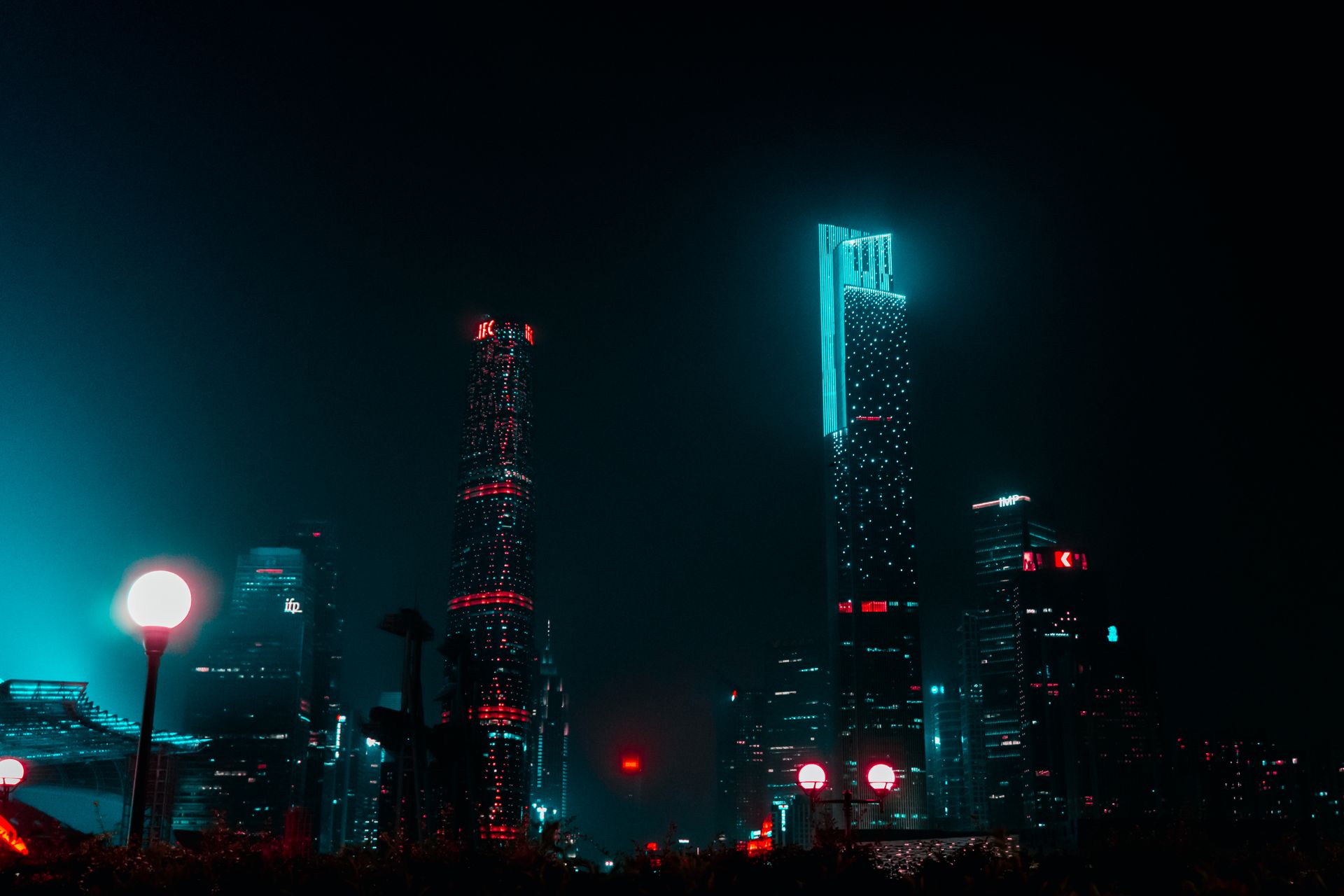
Lights, Rhythms and Sake:
The Japanese Night Decoded
Immerse yourself in Japan’s vibrant nightlife. From the secret alleyways of izakayas to Shibuya’s futuristic clubs, discover how to spend your evenings like a local in 2026.
Nightlife in Japan combines food, drinks, karaoke, intimate bars and clubs. In Tokyo, Shinjuku, Shibuya and Roppongi offer very different atmospheres; in Osaka, Dotonbori and Amerikamura combine food and entertainment. To make the most of your evening, choose a district that suits your preferences, check the entry requirements and plan your journey home before heading out.
A Japanese evening is not limited to nightclubs. You can start at an izakaya, continue at a specialist bar or karaoke venue, then eat at a yokocho or a late-night establishment. Opening hours, payment methods and rules vary from place to place: check the latest information before setting off.

More than just a night out, a way of life
In 2026, Japan’s nightlife has preserved its soul while embracing cutting-edge technology. Whether you are a newly arrived expat or a long-term resident, understanding how the night works is essential for successful community integration.
Japan never really sleeps, but it changes character after 6 pm. This is when social barriers fade, office colleagues become drinking companions at famous nomikai, and creativity finds expression in every cocktail served. To navigate this world successfully, it is crucial to master certain specific Japanese customs.

The Night-time Ecosystem
From the most traditional to the most extravagant, here are the pillars of your Japanese evenings.
Izakaya: The beating heart
The equivalent of a brasserie or pub, an izakaya is a place where people drink and eat small dishes to share. It is the very essence of Japanese social culture.
- • Otoshi: Complimentary appetiser (300-500¥)
- • Nomihodai: All-you-can-drink plan
- • Atmosphere: Lively and convivial

Unusual Concepts
From cat cafés to cyberpunk establishments, creativity knows no bounds.
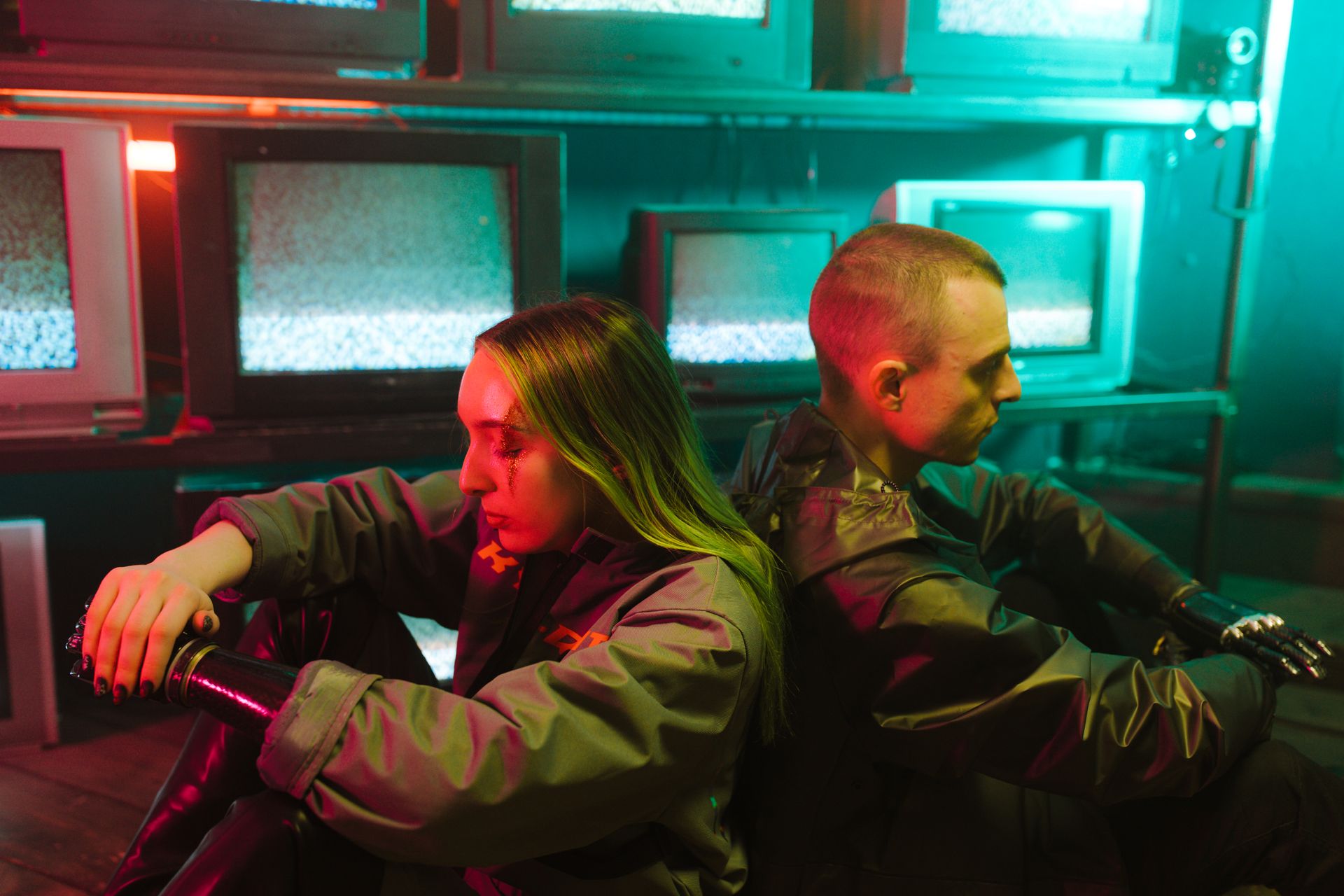
Nightclubs & Dancing
Shibuya and Roppongi are home to some of the best sound systems in the world. Expect exemplary strictness at the entrance.
The Karaoke Box: Festive privacy
Unlike in the West, karaoke in Japan takes place in a private box. It is the ideal activity for extending the night when the last train has already gone.
Night Out Budget Calculator
Plan your night-time spending according to your preferred style of going out. Prices are estimated for 2026 in Tokyo.
"A reasonable budget for a great night out in Shinjuku."
See our guide to the cost of living for more details about your finances.
Where to go out? Iconic districts
01 Tokyo: Endless possibilities
In Tokyo, every district has its own nocturnal identity. **Shinjuku**, with its famous Golden Gai and hundreds of tiny bars, offers an intimate, bohemian atmosphere. For fans of electronic music and electric crowds, **Shibuya** remains the epicentre, especially since the southern districts were modernised in 2025.
If you are looking for a more international experience, **Roppongi** is the expat stronghold, although **Shimokitazawa** became the new haunt for jazz fans and hidden "speakeasy" bars in 2026. Don’t forget to check the metro times so you do not get stranded.
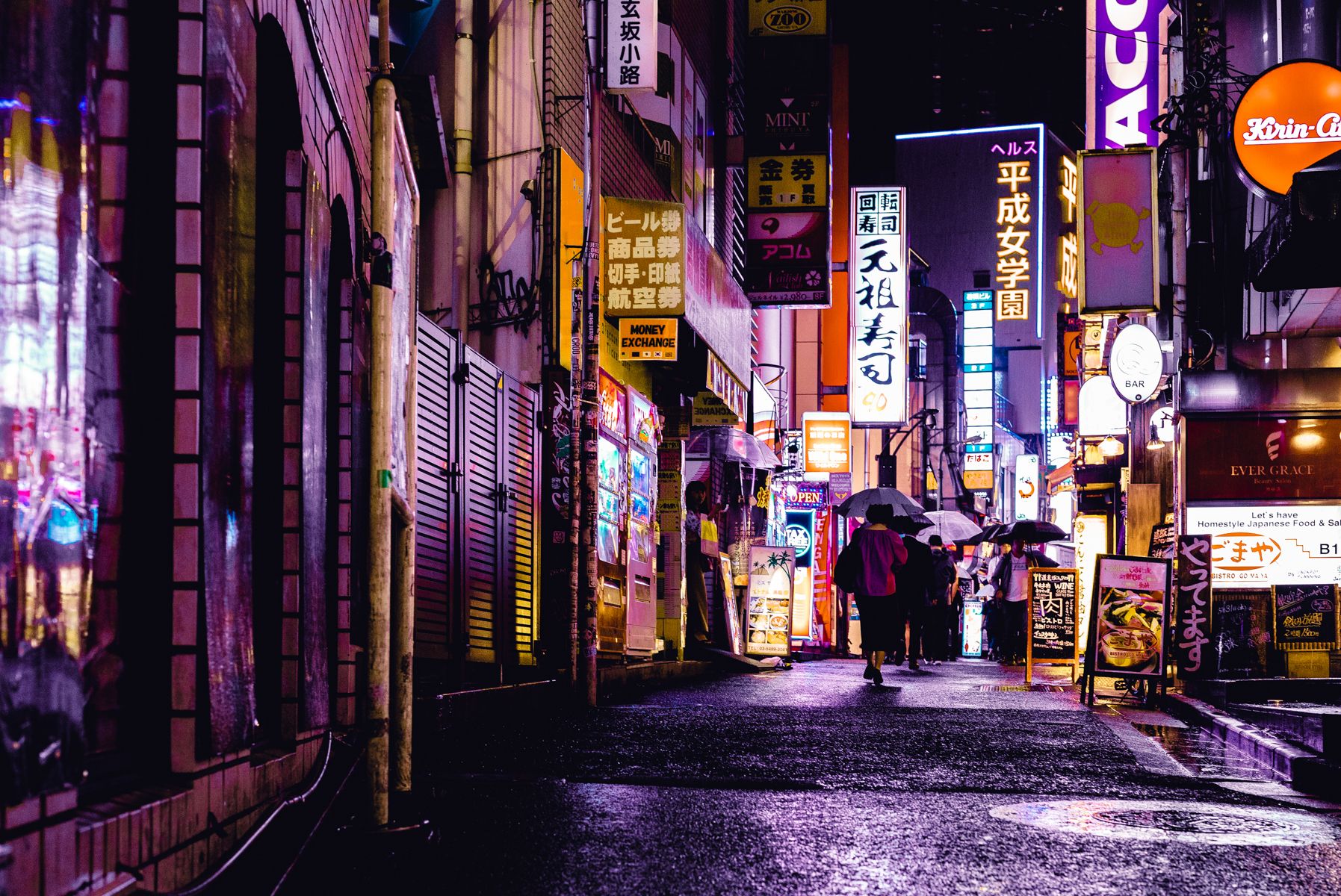

02 Osaka: The capital of good food
Osaka is renowned for its legendary friendliness. The **Dotonbori** district is a sensory overload of neon lights and the aromas of street food. Here, people practise Kuidaore (eating until exhaustion).
The **Amerikamura** district is ideal for the alternative scene, while **Kitashinchi** offers upmarket cocktail bars. A night out in Osaka often ends around a steaming bowl of ramen in a tucked-away alley.
Discover the Kansai regionThe Call of the Stomach: Late-night Food
In Japan, night-time and food are inseparable. Discover how Japanese people eat after midnight.
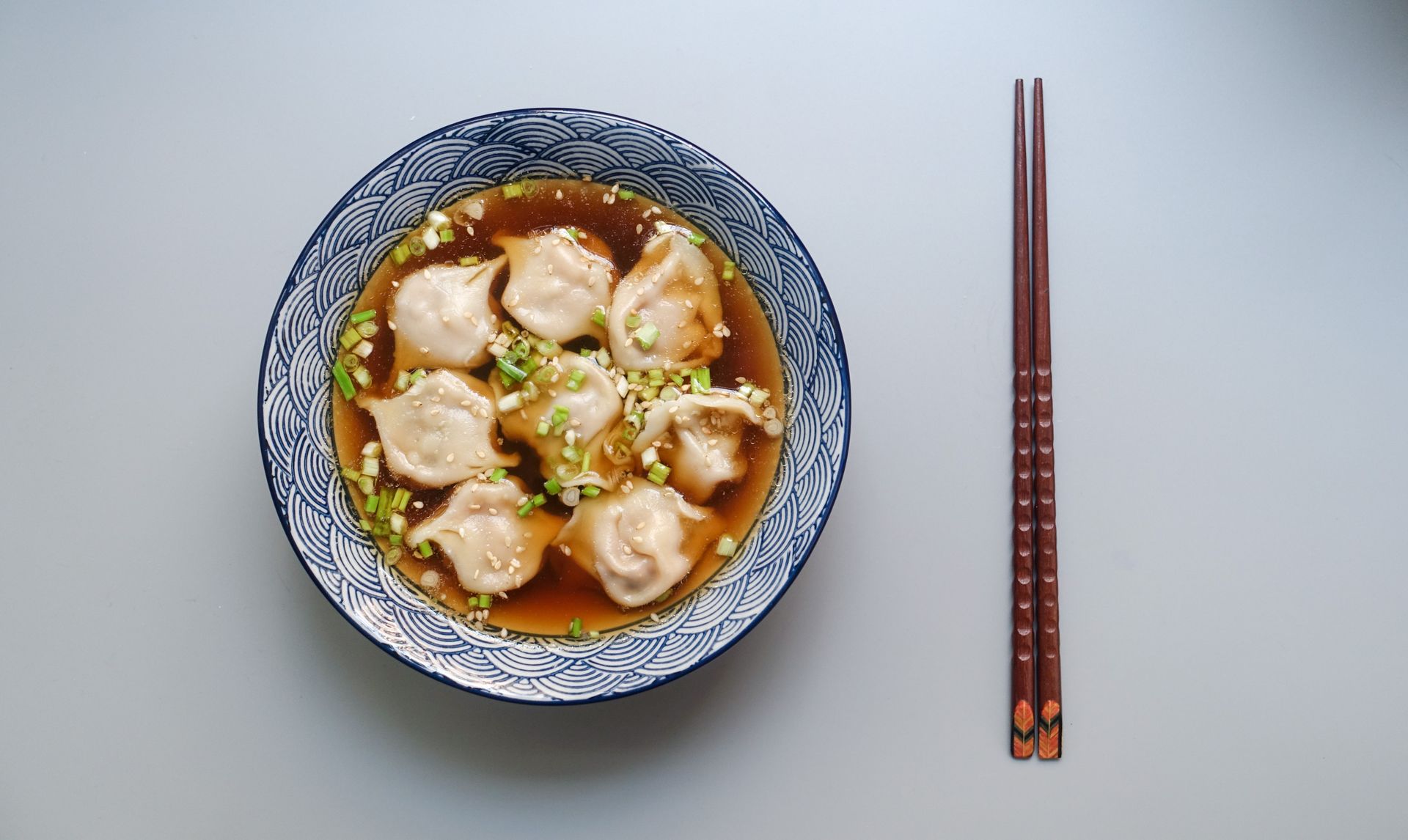
Midnight ramen
The sacred ritual. After a few drinks, a rich bowl of Tonkotsu helps with recovery.
The life-saving Konbini
Open 24 hours, they offer everything: fresh onigiris, energy drinks to fight a hangover and even clean shirts!
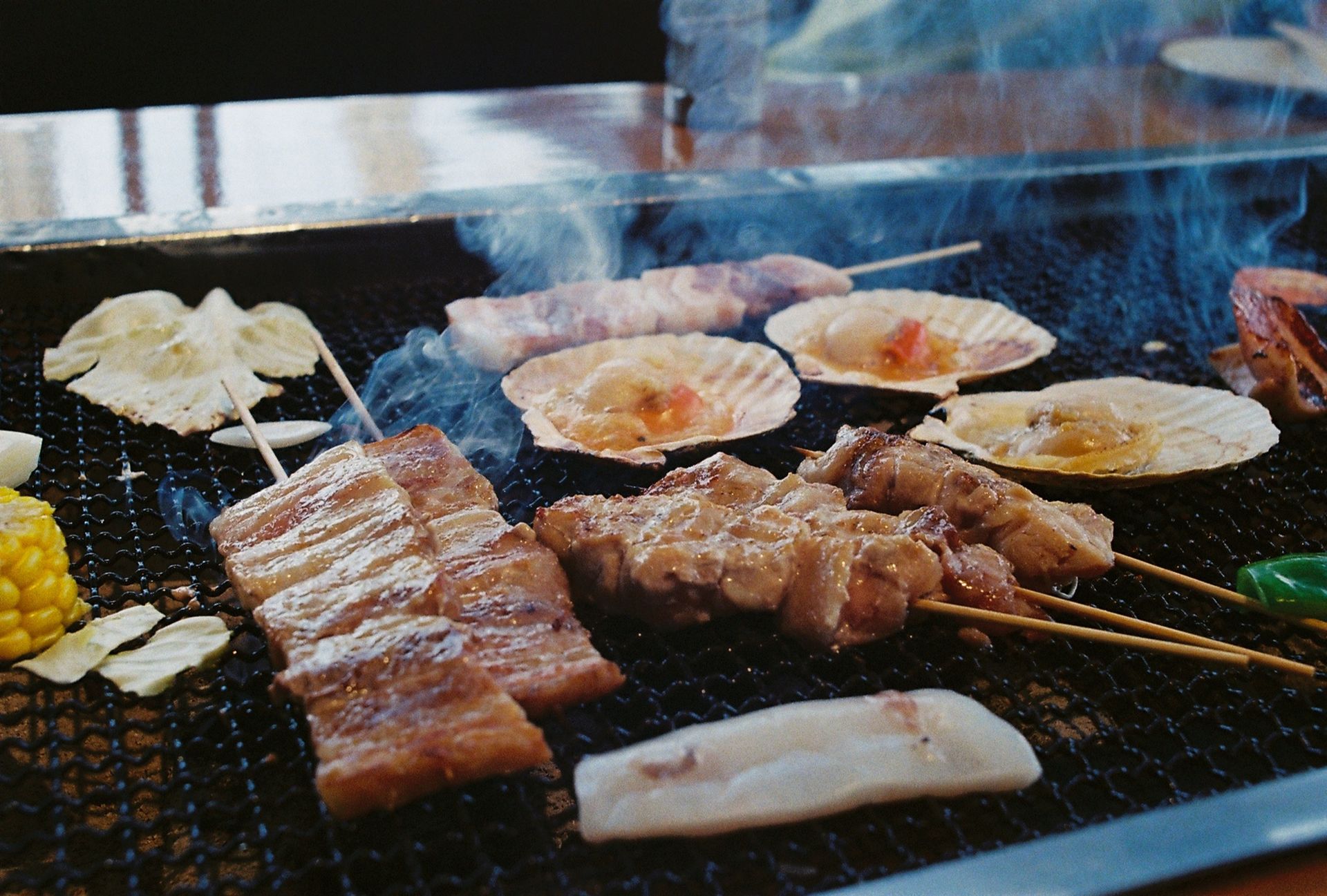
Yokocho (Alleyways)
Labyrinths of stalls serving charcoal-grilled yakitori. The soul of old Japan.
24-hour sushi bar
Some markets, such as Toyosu, offer exceptionally fresh sushi from as early as 4 am.
Off-the-Beaten-Track Experiences
Urban Night Onsen
Several complexes, such as Spa LaQua in Tokyo, offer thermal baths open all night. Bathing under the stars amid the skyscrapers is a unique experience. See our guide to Onsens for the etiquette to follow.
Midnight Cinema
Japanese cinemas often organise marathons or late-night screenings. The seats are incredibly comfortable, perfect for total immersion in local pop culture.
To book tours and activities in Japan ahead, see the options on Klook.
Practical Tips for Expats
Beware of the “Shuden” (last train)
It generally leaves between 11.30pm and 12.30am. If you miss it, a taxi will be your only (expensive) option, or wait until 5am at a karaoke venue or manga café.
The language barrier
Not everyone in small bars speaks English. Use translation apps or learn some emergency Japanese.
Outstanding safety
Japan is extremely safe at night. Nevertheless, stay alert around aggressive touts in Roppongi or Kabukicho (Shinjuku). See our page on safety in Japan.
Payment methods
Many small bars still prefer cash. Make sure you always have a few banknotes with you. See payment methods in Japan.
Frequently Asked Questions About Japanese Nightlife
What is a “Table Charge” or “Otoshi”? ▼
This is a small fee (often between 300 and 800 yen) automatically charged upon entering an izakaya or bar. In return, you are served a small appetiser. It is the Japanese equivalent of a cover charge.
Can I drink alcohol in the street? ▼
Technically, it is not prohibited by national law, but many areas such as Shibuya now ban drinking alcohol in public spaces to prevent nuisance. Follow local rules.
What is the legal age for going out and drinking? ▼
In Japan, the legal age for consuming alcohol and tobacco is 20. Establishments are very strict and often ask for ID.
Is it frowned upon not to drink at a Nomikai? ▼
In 2026, the trend is towards “Soberexpression”. More and more Japanese people are choosing alcohol-free options. You can order oolong tea or a “virgin” cocktail without any social awkwardness.
How can I get home if I miss the last train? ▼
Several options are available: a taxi (expensive), ride-hailing apps (limited), spending the night in a Manga Café (inexpensive, private booth), or choosing a capsule hotel. For more details, see temporary accommodation.
Are there any dress codes? ▼
For Izakayas, no. For upmarket clubs in Ginza or Roppongi, smart casual clothing is often required. Avoid flip-flops and shorts at nightlife venues.
What is “Nomihodai”? ▼
It is an all-you-can-drink package for a set period (usually 90 or 120 minutes). It is very economical if you plan to have more than 3 drinks.
Can I smoke in bars? ▼
The laws have become much stricter. Most establishments are now non-smoking, but have small, enclosed smoking booths inside.
Are establishments accessible to foreigners? ▼
The vast majority are. A few very private bars may be reserved for regulars (“members only”), but this is rare. A smile and a few words of Japanese will open almost every door.
Where can I find French-speaking bars? ▼
Some areas, such as Kagurazaka in Tokyo and the surroundings of the Institut Français, are home to a large French-speaking community. See our page on French-speaking neighbourhoods.
Tip: set up a Japan eSIM before departure so your data works on arrival.
Ready to experience your first Japanese night out?
Join our forum to find the best places, updated daily by our expat community.