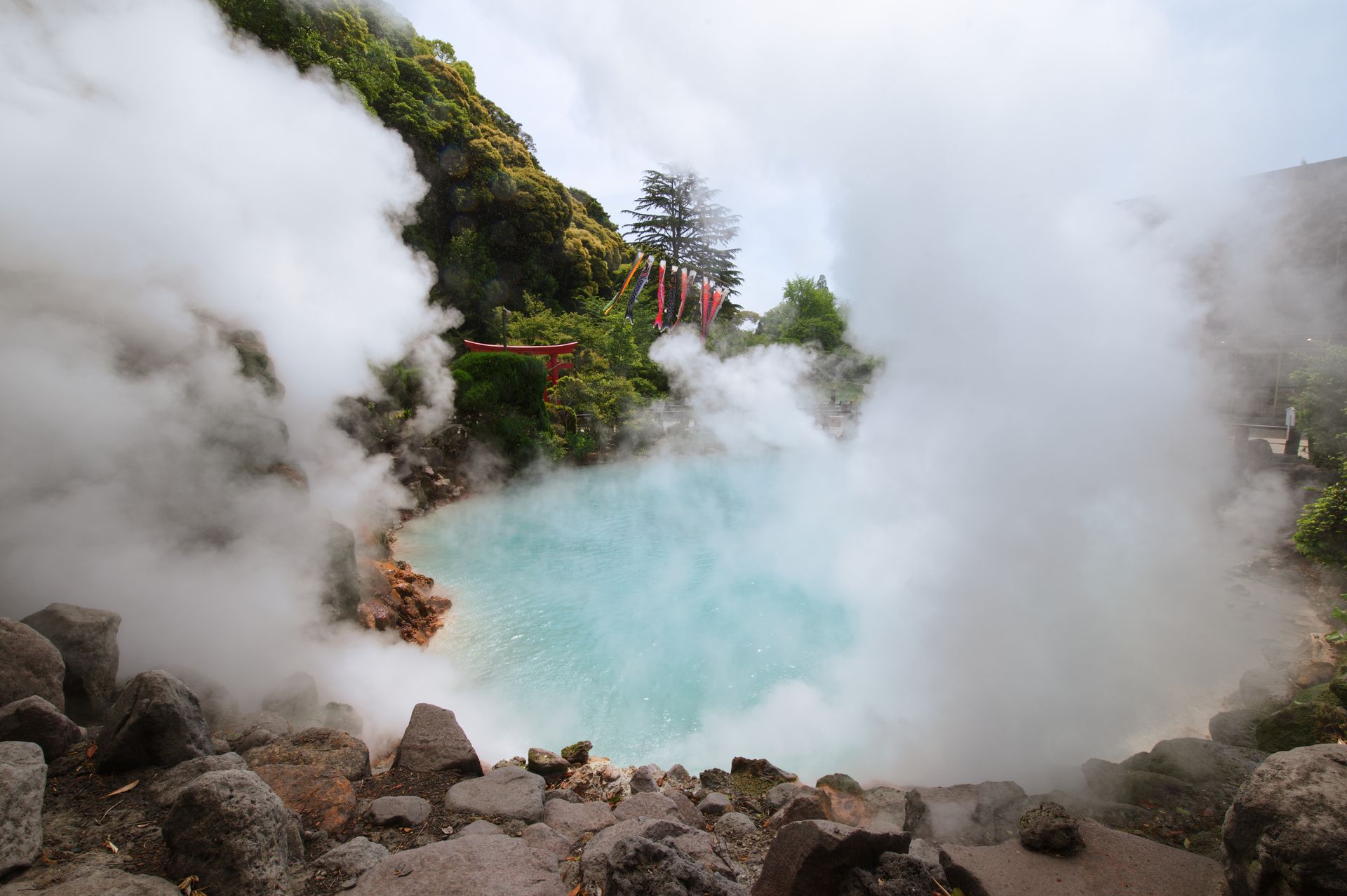
The Sacred Art of Onsen:
Guide and Etiquette
In 2026, onsen remain at the heart of Japanese culture. Learn to master the etiquette of these hot springs and enjoy an utterly relaxing experience in complete tranquillity.
An onsen is a Japanese bath supplied by a hot spring. To enjoy it, you undress in the changing room, wash yourself thoroughly before entering the pool, then bathe naked without immersing your towel. Silence, cleanliness and respect for the establishment's rules are essential.
Before you set off, check the access conditions: tattoos, swimwear, children, opening hours, reservations and any temporary closure. If you are a beginner, an establishment that welcomes foreign visitors or a private bath can make the experience easier.
More than a bath, a spiritual immersion
Japan has more than 3,000 hot spring resorts, created by the archipelago's intense volcanic activity. An onsen is not simply a place for washing — for that, you use your private bathroom or a local sentô — but a space for communion with nature and purification (misogi).
For French-speaking expats, crossing the threshold of an onsen for the first time can be intimidating. Yet by understanding Japanese customs, you discover the concept of "Hadaka no tsukiai" (naked communion), where social barriers disappear once clothes have been left in the changing room.
Hot springs listed in Japan in 2026.
Ideal average temperature for deep relaxation.
Nudity required in traditional public baths.
Expatriates' favourite activity for reducing stress.
The 6 Pillars of Onsen
Onsen vs Sentô
An onsen uses natural, mineral-rich hot spring water, whereas a sentô is a neighbourhood public bath that often uses heated mains water.
Total Nudity
Swimwear is strictly forbidden. This is the golden rule of hygiene and social equality in Japan.
Tattoos?
Historically associated with the Yakuza, they are often prohibited. In 2026, many establishments accept cover-up patches.
Find out moreWashing Beforehand
You should never enter the water without washing thoroughly from head to toe, while sitting on a small stool.
Zen & Silence
An onsen is a place for meditation. Loud conversations and jumping into the water are prohibited.
Bathing Protocol
The Changing Room (Datsuijo)
Identify your entrance: the character 男 (Otoko) for men (often blue) and 女 (Onna) for women (often red). Remove your shoes at the entrance and place your clothes in a locker. Take only the small white towel (tenugui) with you.
Washing (Kakeyu)
Go to the washing stations. Sit on the stool. Use the soap and shampoo provided. Rinse yourself thoroughly. No soap residue should enter the communal bath. "Kakeyu" also involves pouring hot water over your body to acclimatise it to the temperature.
Immersion (Nyuyoku)
Enter the water slowly. If you have long hair, tie it up. Your small towel must never touch the bath water; place it on the edge of the pool or on your head (which helps regulate blood pressure). Enjoy the view, often a Japanese garden or a view of Mount Fuji.
Leaving and After the Bath
Before returning to the changing room, dry yourself roughly with your small towel so you do not wet the floor. In the relaxation area, put on a **Yukata** (a lightweight cotton robe). Keep hydrated — fresh milk is a very popular post-onsen drink in Japan.
Hot Spring Bath Optimiser
Calculate the ideal duration and discover the benefits according to the mineral composition of your establishment's spring.
Specific Considerations
Women & Menstrual Cycles
For reasons of hygiene and tradition, using onsen during menstruation is strongly discouraged. This rule aims to preserve the purity of the communal water.
Modesty
If nudity makes you uncomfortable, be aware that many Ryokans (traditional inns) offer "Kashikiri-furo": private baths that can be booked by the hour for families or couples.
Health & Caution
Do not drink alcohol before bathing. Intense heat dilates the blood vessels and can cause discomfort. Likewise, if you have cardiovascular health problems, opt for short sessions (under 10 minutes).
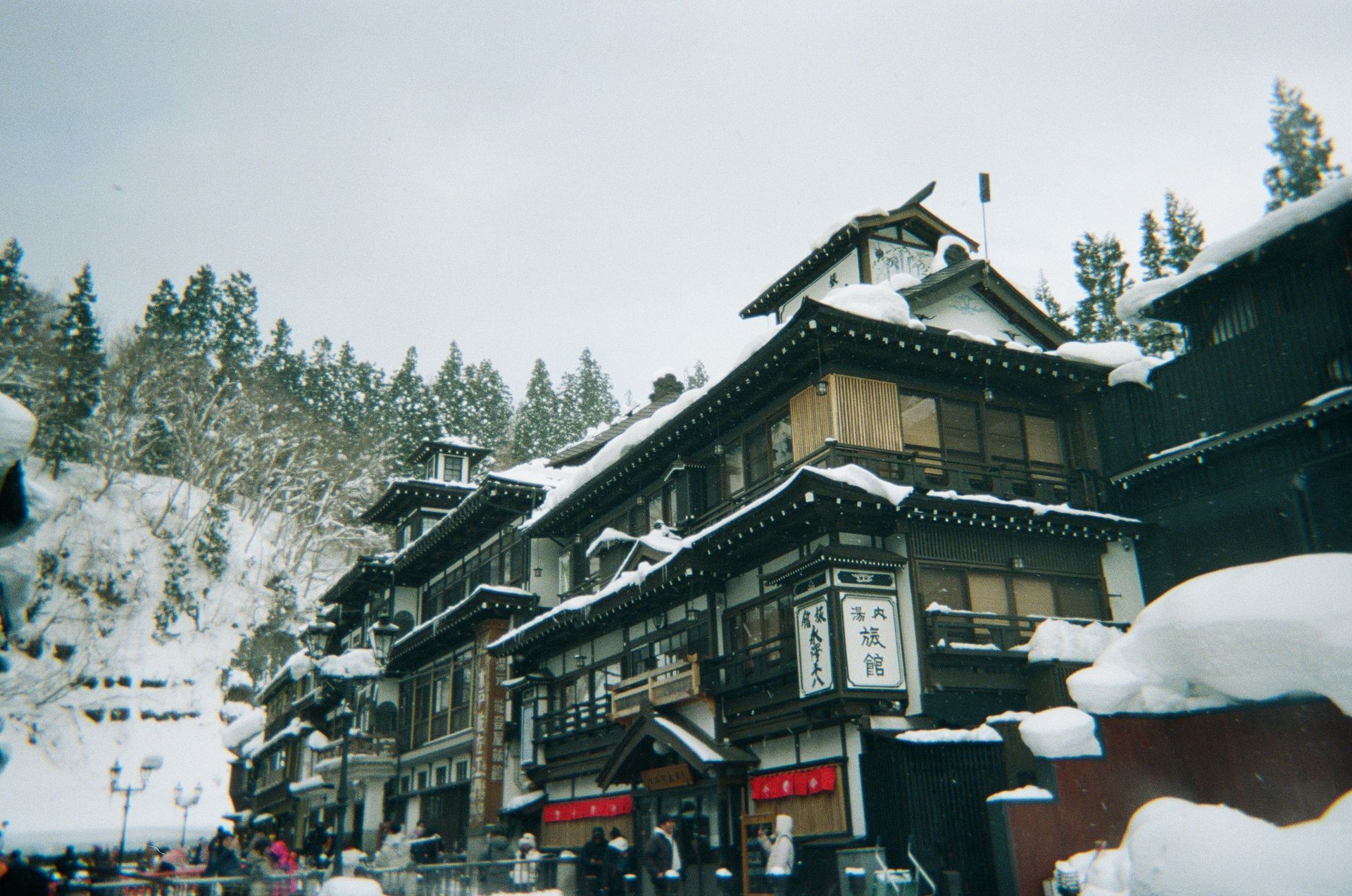
"Immersing myself in a mountain onsen beneath the snow remains the most memorable experience of my time as an expat."
— Marc, resident in Tokyo for 4 years.
Where to bathe? Comparison of establishments
| Type | Water used | Atmosphere | Average price |
|---|---|---|---|
| Onsen (Public) | Natural hot spring | Traditional, often surrounded by nature | 500 - 1500 ¥ |
| Sentô (Neighbourhood Bath) | Heated mains water | Local, popular, urban | 450 - 550 ¥ |
| Ryokan (Private Bath) | Hot spring (often) | Luxury, peace and quiet, complete privacy | ¥3000 - ¥5000 (session) |
| Super Sento | Mixed / Artificial | Bathing theme park, restaurants, massages | 1500 - 3000 ¥ |
To book tours and activities in Japan ahead, see the options on Klook.
Frequently Asked Questions
Can I keep my towel on to hide my nudity in the water? ▼
No. The towel must never be immersed, as it is considered “dirty” in relation to the purity of the spring water. You can use it to cover yourself discreetly while walking towards the pool, then place it to one side.
What should I do if I have a visible tattoo? ▼
If your tattoo is small, cover it with flesh-coloured plasters (available from pharmacies). If it is large, check sites such as “Tattoo Friendly Japan” or opt for a private bath (Kashikiri).
Is it compulsory to rinse off after using the onsen? ▼
It is often recommended not to rinse with fresh water after your final soak, so that the minerals can continue to work on your skin. However, if you have very sensitive skin, a light rinse can help prevent irritation caused by sulphur.
When is the best time to go? ▼
Early morning (6am–8am) for complete peace and quiet, or at the end of the day to relieve stress. Winter remains the best season for enjoying the contrast between the temperatures of an outdoor bath (Rotenburo).
Can I talk to the other bathers? ▼
Japanese people appreciate peace and quiet. If you are with friends, whisper. It is unusual to start a conversation with a stranger unless they speak to you first.
Are children allowed? ▼
Yes, most onsens allow children. However, they must remain calm and must not swim or splash. See our guide to family life in Japan.
To get online as soon as you land, a Japan eSIM can be installed before you leave, with no need to look for a local SIM card.
Ready to take the plunge?
The onsen experience is one of the pillars of successfully settling into life in Japan. Don't let your apprehension stop you from enjoying this cultural treasure.