
Living in Japan in 2026:
The Expatriate Guide
Everything you have always wanted to know about settling in, everyday life and the challenges of living in the Japanese archipelago.
Vivre au Japon en 2026 demande de préparer à la fois votre statut de résidence, votre logement, votre budget et vos démarches locales. Le choix de la ville, le niveau de japonais et votre situation professionnelle ou familiale auront un impact direct sur votre quotidien. Avancez étape par étape, en vérifiant chaque règle auprès des administrations japonaises ou d’un professionnel compétent.
Avant le départ, définissez votre projet : emploi, études, famille, retraite ou activité indépendante. Rassemblez les justificatifs nécessaires, prévoyez une solution de logement temporaire et identifiez les services utiles dans votre future commune.
Trusted Partners and Resources

The Japan of tomorrow is already here
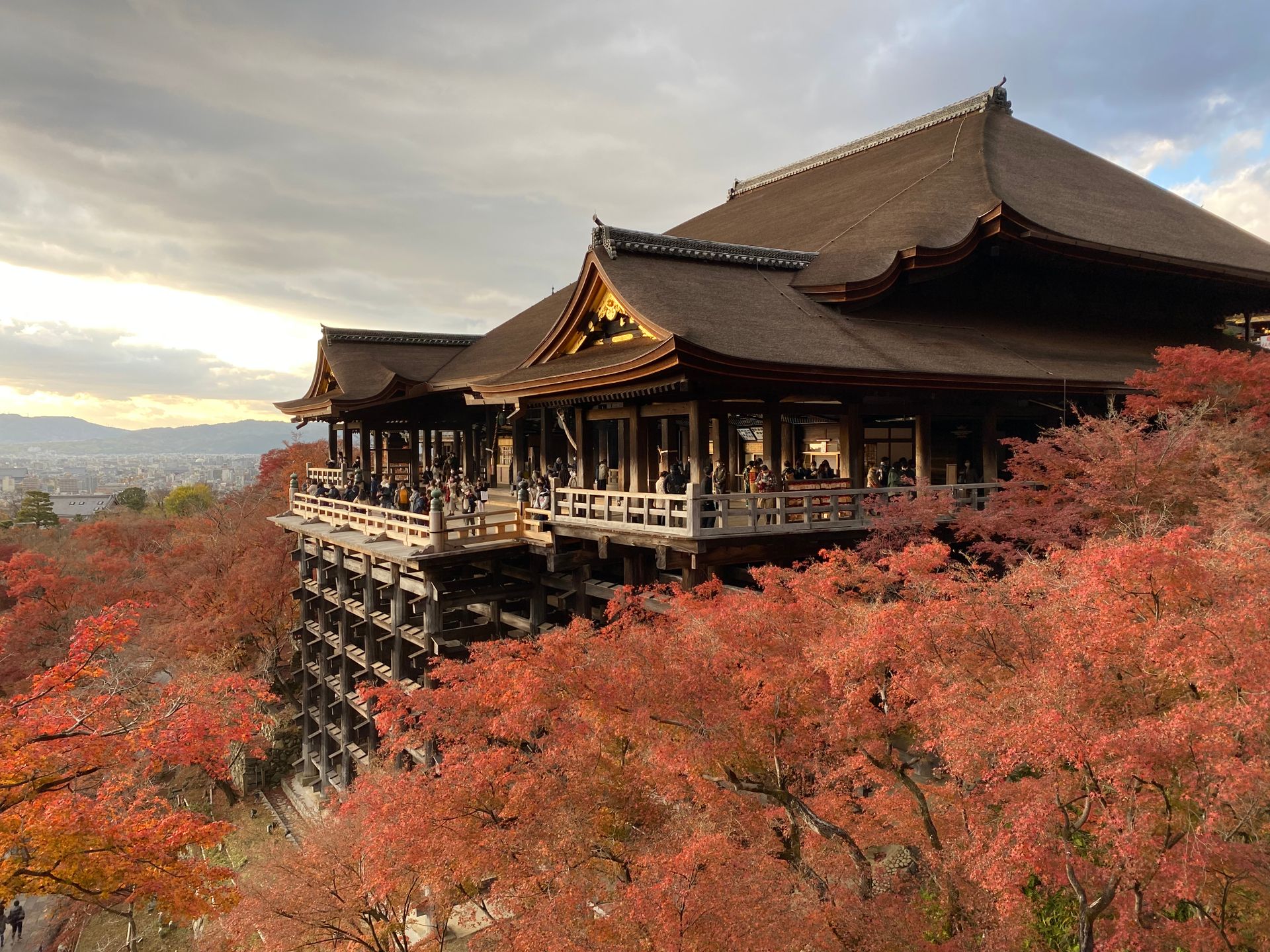
In 2026, Japan continues to fascinate with its unique ability to combine millennia-old traditions with breathtaking technological progress. For French-speaking expats, settling here is no longer merely an exotic dream, but a life project shaped by cutting-edge digital infrastructure and an exceptionally safe living environment.
The archipelago has adapted its administrative procedures to attract international talent, while preserving the sense of social order for which it is known worldwide. However, the reality on the ground requires meticulous preparation, far removed from the clichés of simplistic tourist guides.
The Pillars of Expat Life
Bureaucracy & Visas
In 2026, the e-visa system has become widespread. Find out how to navigate between the residence card (Zairyu Card) and registration at your local municipal office.
Find out more →Healthcare Excellence
70% universal coverage, state-of-the-art facilities and teleconsultations in French.
System detailsEmployment 2026
Skilled labour shortage: a historic opportunity for French-speaking engineers and creatives.
See the sectors →Budget & Cost of Living
Contrary to popular belief, living in Japan can be less expensive than in Paris if you stay away from Tokyo's premium neighbourhoods.
Comparative analysis →The Language
The major challenge. Learning the basics is crucial for genuine social integration.
Our methodsQuality of Life: Beyond the Figures
What defines the experience of living in Japan is the sum of small everyday details: clean streets, respect for silence on public transport, and the absolute efficiency of public services.
1 Education and Family
The Japanese education system is renowned for its rigour and discipline. For expat families, the choice between international schools and the state system will depend on the length of your stay and your budget. In 2026, state schools are increasingly incorporating support programmes for non-Japanese-speaking children.
Safety allows children to walk to school alone from the age of 6, a level of independence that is almost unique in the world and radically changes family life.
2 Health and Well-being
With a balanced diet based on fresh produce and green tea, life expectancy in Japan remains the highest in the world. The healthcare system is accessible, efficient and almost entirely digitised in 2026.
Pharmacies (Drugstores) offer expert advice, and finding a French-speaking doctor in the major cities has become much easier thanks to specialist directories.
Monthly Budget Calculator (2026)
Estimate your expenses based on your city and lifestyle.
Total Estimate
Approximately --- € / month
The realities you should not overlook
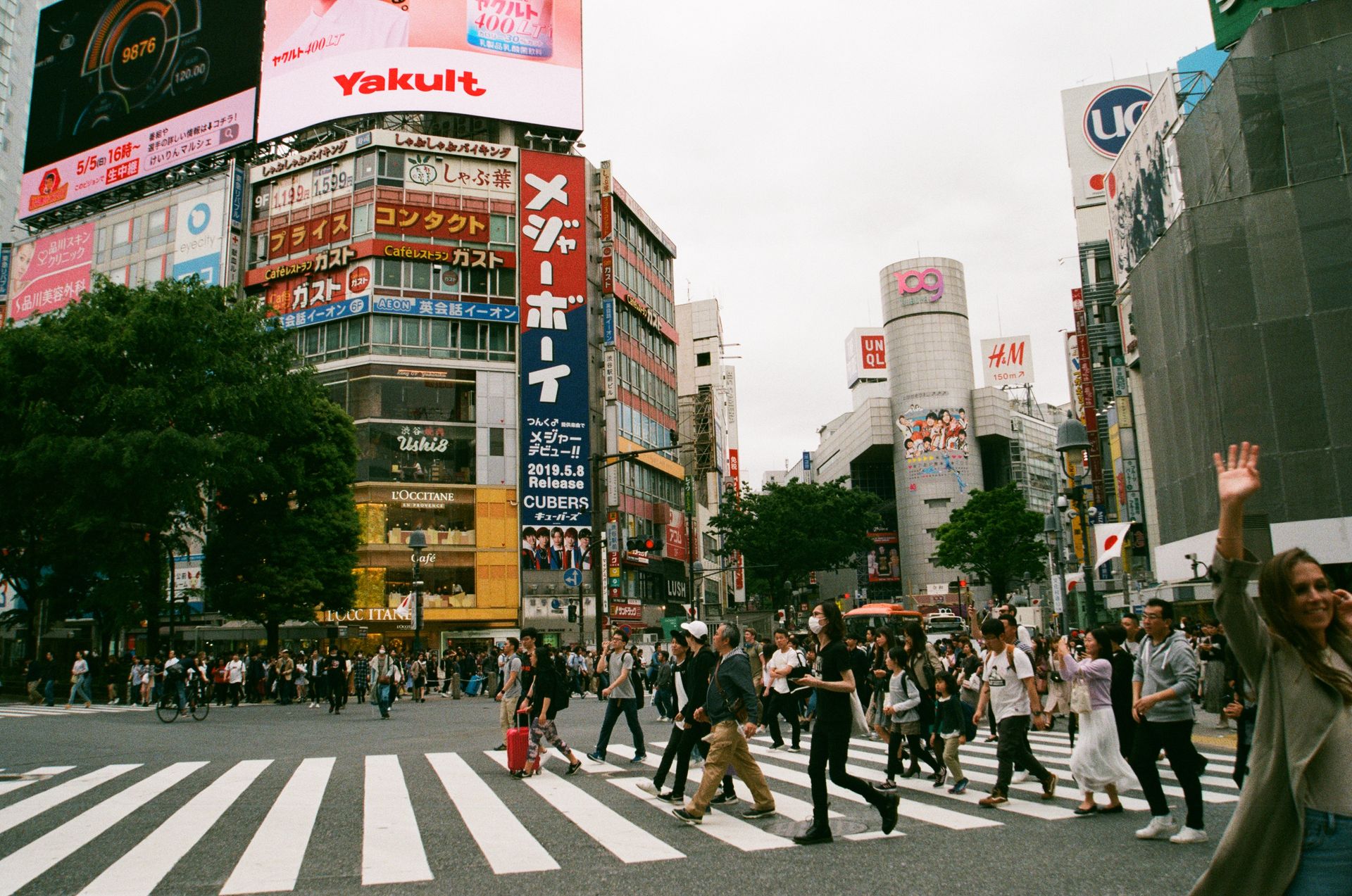
Moving abroad is not always plain sailing. Japan presents structural and cultural challenges that every prospective resident must anticipate. The language barrier remains the number one obstacle. Without a basic command of kanji, even simple tasks such as sorting your rubbish or reading a gas contract become complicated.
Work Culture
Presenteeism and strict hierarchies persist. It is vital to understand the codes before working in Japan.
Social Isolation
Becoming integrated into the local community can take years. Joining support networks is recommended.
Natural Hazards
Earthquakes and typhoons are part of life. The country is prepared, but you need to know the emergency procedures.
Climate
From hot, humid summers to harsh winters depending on the region.
Frequently Asked Questions (FAQ)
Where to settle? 2026 comparison
| Criterion | Tokyo (Megacity) | Osaka (Friendly) | Fukuoka (Value for money) |
|---|---|---|---|
| Rent (Studio) | 85k - 150k ¥ | 50k - 90k ¥ | 40k - 70k ¥ |
| Job opportunities | Maximum | High (Industry) | Medium (Start-ups) |
| Ease of integration | Average (Anonymity) | Excellent (Openness) | Very good |
| Nearby nature | Average (1h+) | Good (Mountains) | Exceptional (Beaches) |
For more details, explore our guides by region of Japan.
Expatriate Testimonials
"I arrived in Tokyo in 2024 and was surprised by how easily I was able to set up my business thanks to the new visas. The key is not to stay in your bubble."
Marc L.
Entrepreneur in Tokyo
"Living in Fukuoka with my two children is an absolute joy. It is so safe that I never worry when they play in the park until sunset."
Sophie D.
Designer in Fukuoka
"The healthcare system saved me during an emergency. Even though I wasn't fluent, I was looked after with incredible kindness."
Jean-Pierre K.
Retired in Kyoto
To book tours and activities ahead, browse the options on Klook.
Additional Resources
Ready to Take the Big Leap?
Join our community of thousands of French-speaking expatriates and start your new life today.