Bento in Japan: History, Contents and Where to Buy One
Discover the history of bento, what they contain and where to buy one in Japan: a practical, tasty meal emblematic of Japanese cuisine.
Kobe beef is Wagyu, but not all Wagyu is Kobe. The former is a regulated designation linked to Hyōgo Prefecture; the latter refers to several Japanese cattle breeds and, by extension, their meat. The differences between Wagyu and Kobe therefore concern origin, selection and certification first, before affecting the experience on the plate.
When choosing, you also need to distinguish between marbling, the cut and the cooking method. Very marbled meat does not offer the same experience as a steak, Japanese barbecue or thin slices cooked in a broth. As for the A5 grade, it provides information about technical characteristics: it guarantees neither Kobe origin nor personal taste preference.
In brief
The term Wagyu literally means “Japanese beef”, but its use in animal breeding is more precise. It refers to Japanese cattle breeds, including Japanese Black, or Kuroge Washu, which is particularly associated with highly marbled meat.
Referring to a single Japanese cattle breed would therefore be reductive. Similarly, meat from an animal raised in Japan is not automatically Wagyu: Japan also raises other cattle and crossbred animals.
The genetics may also be present in Australian, American or European herds. In this case, you need to distinguish between the country of rearing, the stated breed and any crossbreeding: Japanese genetic origins do not turn Australian meat into a Japanese product.
Kobe beef comes from Tajima cattle, a line of Japanese Black, and must meet requirements concerning origin, rearing, slaughter and selection. Tajima is therefore not a separate breed at the same level as Wagyu as a whole.
The Kobe Beef Marketing & Distribution Promotion Association regulates this designation. Meat from this line does not automatically become Kobe: it must meet the applicable certification criteria.
This distinction explains why origin and traceability are essential in a restaurant. Ask for the precise designation and for information linking the meat being served to its certificate, rather than settling for a general “Japanese beef” label.
The expressions “Kobe style” or “Kobe-style” are not proof of authenticity. Conversely, Wagyu sold under another designation is not an imitation: Kobe is a certified identity, not the generic name for the best Japanese beef.
The Japanese grading system, established by the Japan Meat Grading Association, combines a yield letter with a quality score. Yield estimates the proportion of saleable meat obtained from the carcass; it does not directly measure how enjoyable the meat is to eat.
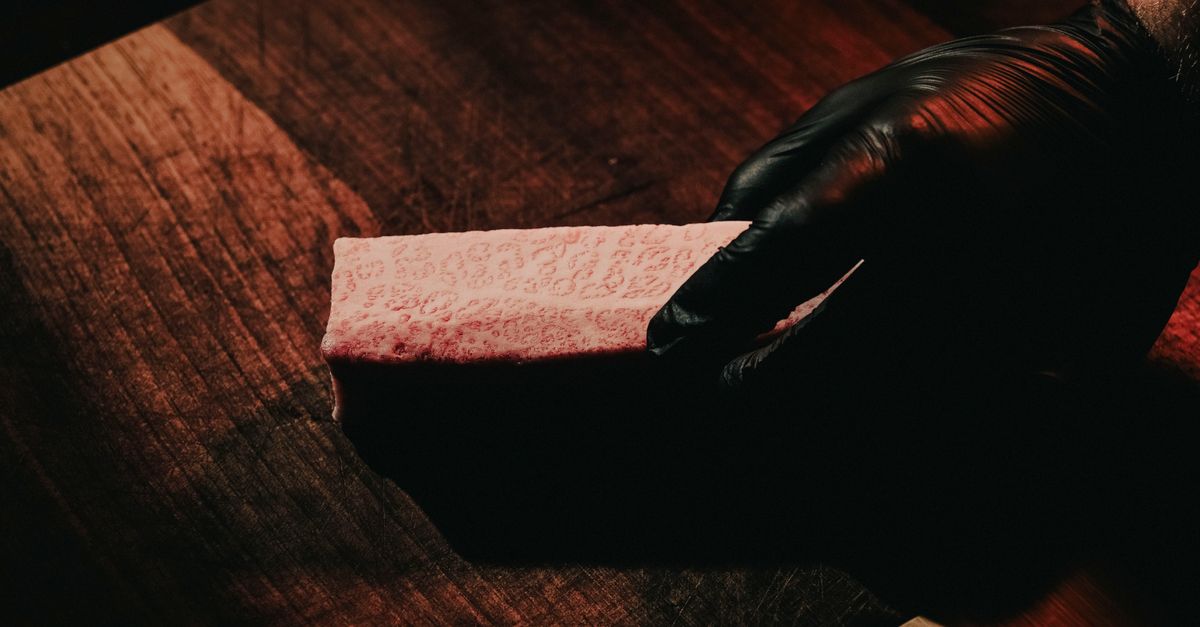
Quality takes into account marbling, the colour and brightness of the meat, its firmness and texture, and the characteristics of the fat. The result is therefore not based solely on the visual impression created by a very white slice.
The A5 grade combines the highest yield category with the highest quality score in this system. It indicates neither a breed, a region nor Kobe certification: meat from other Japanese origins can receive this grade.
| Indication | What it tells you | What it does not guarantee |
|---|---|---|
| Wagyu | Membership of Japanese breeds or a reference to this genetics, depending on the market | Kobe origin |
| Certified Kobe | A provenance and compliance with specific requirements | An identical cut in every restaurant |
| Yield letter | The estimated yield of the carcass | A taste preference |
| Quality score | Several characteristics of the meat and fat | Successful cooking |
| BMS | The assessment of marbling | Geographical origin |
BMS, or Beef Marbling Standard, describes the degree of marbling. This marbling in the meat is intramuscular fat, which should be distinguished from the visible layer of fat around a cut.
A high proportion of fat encourages a rich, melting sensation, but it can also become overwhelming depending on the portion and accompaniments. For a complete meal, a less marbled cut may suit anyone looking for more texture to chew.
Also ask for the name of the cut: fillet, sirloin and cuts intended for grilling do not have the same structure. The grade describes the meat; the cut and cooking method largely determine your experience.
Highly marbled meat can develop a buttery sensation, a supple texture and lasting richness. These characteristics nevertheless vary according to the animal, feed, cut, ageing and preparation: the regional name alone cannot predict every mouthful.
Kobe is sought after for its tenderness and fine fat. However, presenting all its cuts as systematically more delicate than those from other designations would be excessive: a meaningful comparison requires comparable cuts and cooking methods.
Kagoshima beef refers to an origin in southern Kyūshū and to supply chains that may have their own requirements. It can offer substantial marbling, but by definition it is not an intermediate category between ordinary meat and Kobe.
Matsusaka, in Mie Prefecture, and Ōmi, in Shiga Prefecture, are also among the recognised designations. Their appeal lies in their regional identity and the work of their producers, not in a universal ranking of taste.
A trip can therefore guide your choice: tasting a Shiga speciality during a stay in Kyoto gives the meal a regional dimension. You do not need to seek only the name that is most famous internationally.
Australian production may offer a firmer texture and suit thick steaks, but this is not a general rule. Some cuts are highly marbled; crossbreeding, rearing and selection must be considered separately.
For a comparative Japanese beef tasting, choose modest portions, similar cuts and discreet seasoning. Comparing a plain fillet with a marinated slice tells you as much about the preparation as the origin: a useful comparison begins with comparable conditions.
With teppanyaki, the chef prepares the meat on a metal hotplate, often in front of the diners. This format lets you watch the searing and discuss the cut, origin and preferred degree of cooking.
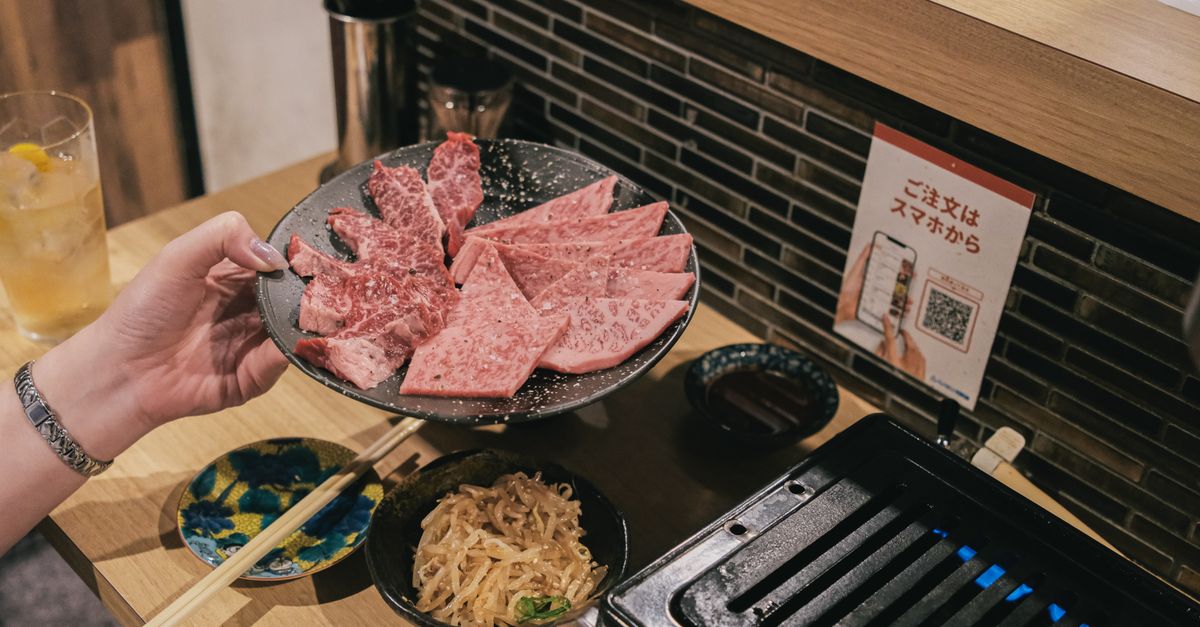
Yakiniku consists of grilled cuts, often cooked at the table. Assortments are an interesting way to discover several textures, provided the menu identifies the cuts and specifies which ones genuinely belong to a particular designation.
Fat can cause flames on a grill, so it is better to cook progressively than to cover the entire surface at once. At home, a well-controlled frying pan and little added fat allow you to sear a marbled cut without letting it sit in its own fat.
Sukiyaki combines thin slices with a sweet-and-savoury seasoning, generally based on soy sauce, sugar and mirin. Regional variations differ in how cooking begins and how ingredients are added.
Shabu-shabu involves cooking slices in a broth and then serving them with, among other things, ponzu or sesame sauce. It creates a different experience from seared meat, as it does not produce the same crust or grilled aromas.
There is no universal cooking time suitable for every cut. Thickness, starting temperature and equipment matter; a high fat content is never a guarantee of food safety and does not mean that the meat must be eaten rare.
The raw egg sometimes served with sukiyaki also requires precautions, particularly for vulnerable people. With rice and vegetables, above all choose a portion suited to your appetite: cooking should serve the cut, not merely its prestige. Our Japanese food guide presents these different ways of putting together a meal.
In Kobe, the Sannomiya area is a practical place to look for specialist restaurants, particularly teppanyaki establishments. Location alone is not enough, however: a restaurant in the city does not necessarily serve certified meat.
Check the information from the Kobe Beef Marketing & Distribution Promotion Association to verify registered establishments. Once there, clarify which menu includes the designation you are looking for: one address may serve several origins and quality ranges.
In Tokyo, search according to the format you want rather than just the neighbourhood: cooking counter, steakhouse or barbecue. In Osaka, Tsuruhashi is particularly associated with grilled-food restaurants and Korean-Japanese culinary culture, although not every establishment offers Kobe.
The price depends on the designation, cut, quantity and service. A lunch menu may be more affordable than dinner, but compare what it contains: a different portion or another origin can make the comparison misleading.
Before booking, check the current price with the restaurant, which publishes it officially, as well as taxes, any service charges and cancellation conditions. Also ask whether the advertised weight refers only to the meat or to an assortment.
When planning your Japan travel budget, treat this tasting as a specific meal rather than a daily expense. An additional journey is not essential if an establishment on your itinerary offers a clearly documented origin.
Finally, do not buy meat to take back to France without checking the current health restrictions with French Customs and the European authorities. Meat authorised for sale in Japan is not automatically allowed in your luggage.
No. Cattle with Wagyu genetics are also raised abroad. Check the country of birth and rearing, along with information about the breed and any crossbreeding.
No. The grade describes yield and quality according to the Japanese system. The Kobe designation has separate origin and certification requirements.
Check that the establishment is registered with the official association and ask about the traceability of the meat being offered. The name Kobe on a sign or a Kobe-style reference is not enough.
Teppanyaki allows you to leave the cooking to a professional and ask questions about the product. Yakiniku is suitable for comparing different cuts, provided their origin is clearly indicated.
Updated on 27/10/2026
Scroll to see more articles →