
Mastering Your Finances in Japan
In 2026, opening a bank account is the cornerstone of settling in. Navigate the Japanese financial system with confidence thanks to our expertise.
To open an account with a bank in Japan, you generally need to live in the country and provide a residence card, a Japanese telephone number and a local address. The choice mainly depends on your profile: Japan Post Bank may suit a first-time resident, while an online bank can make it easier to complete procedures in English and carry out international transactions.
Before your appointment, check the requirements specific to your chosen institution, prepare your name in katakana and ask for the exact list of accepted documents. A local account makes it easier to receive a salary, pay rent and set up direct debits, but travellers can generally continue using their foreign card for everyday spending.

Why open a local account in 2026?
Moving to Japan is an exciting adventure, but it requires careful financial organisation. If you are only staying for a few months as a tourist, your international cards will be enough. However, as soon as you begin administrative procedures in Japan for a long-term stay, a local bank account becomes compulsory.
Whether you need to receive your salary for having been able to work in Japan, pay your rent after successfully finding accommodation in Japan, or simply manage your telephone and internet bills, a Japanese bank is essential.
The Japanese banking landscape
Mega-banks
MUFG, SMBC and Mizuho dominate the landscape. They offer maximum security and branch networks throughout the archipelago. Ideal for long-term projects such as setting up a business in Japan or taking out a mortgage.

Japan Post Bank
The most accessible bank for newcomers and students. Often the only one to accept applications during the first week of residence.
Neo-banks & Digital
Sony Bank, Rakuten Bank and Shinsei Bank offer interfaces in English and simplified smartphone management, which is crucial for modern expats.
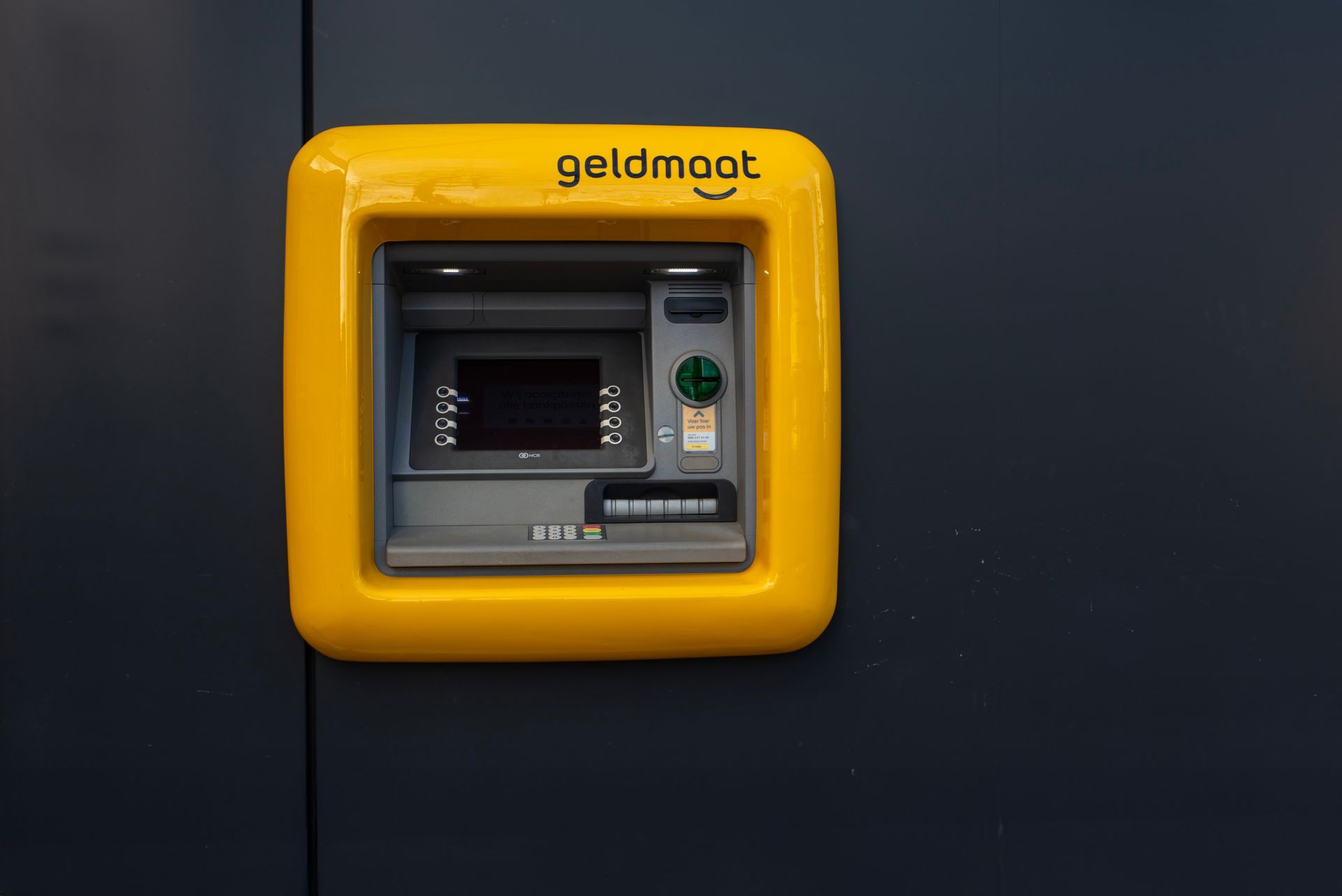
Cash availability
Despite digitalisation, Japan remains attached to cash. Learn how to use ATMs in Japan to avoid fees outside office hours.
Eligibility: Who can open an account?
In 2026, Japan’s anti-money-laundering regulations are strict. To open an account, you must be a resident. Tourist status absolutely does not allow access to local banking services.
-
Long-term visa: Work, spouse of a Japanese national, or investor.
-
Student visa: Easier access, especially through Japan Post Bank.
-
Working Holiday visa: Allows you to open an account to manage wages from seasonal jobs.
Required Documents (Checklist)
International Transfer Calculator
Compare the costs of sending money between France and Japan to maximise your savings.
Potential saving: -- ¥ per transfer.
Estimated data based on market averages in 2026.
The account-opening process step by step
Choosing a branch
Choose a branch close to your home or workplace. For Japan Post, any post office will do.
Form & Katakana
You will need to fill in your details. Transcribing your name into katakana is crucial. Prepare it in advance.
Verification & PIN
The clerk will check your documents. You will choose a 4-digit PIN. Avoid dates of birth, as they are too risky.
Receiving your documents
You will often leave with your passbook. The "Cash Card" will arrive by registered post within 7 to 10 days.
Cards and Payment Methods
Understanding the different cards is essential for your everyday life in Japan.
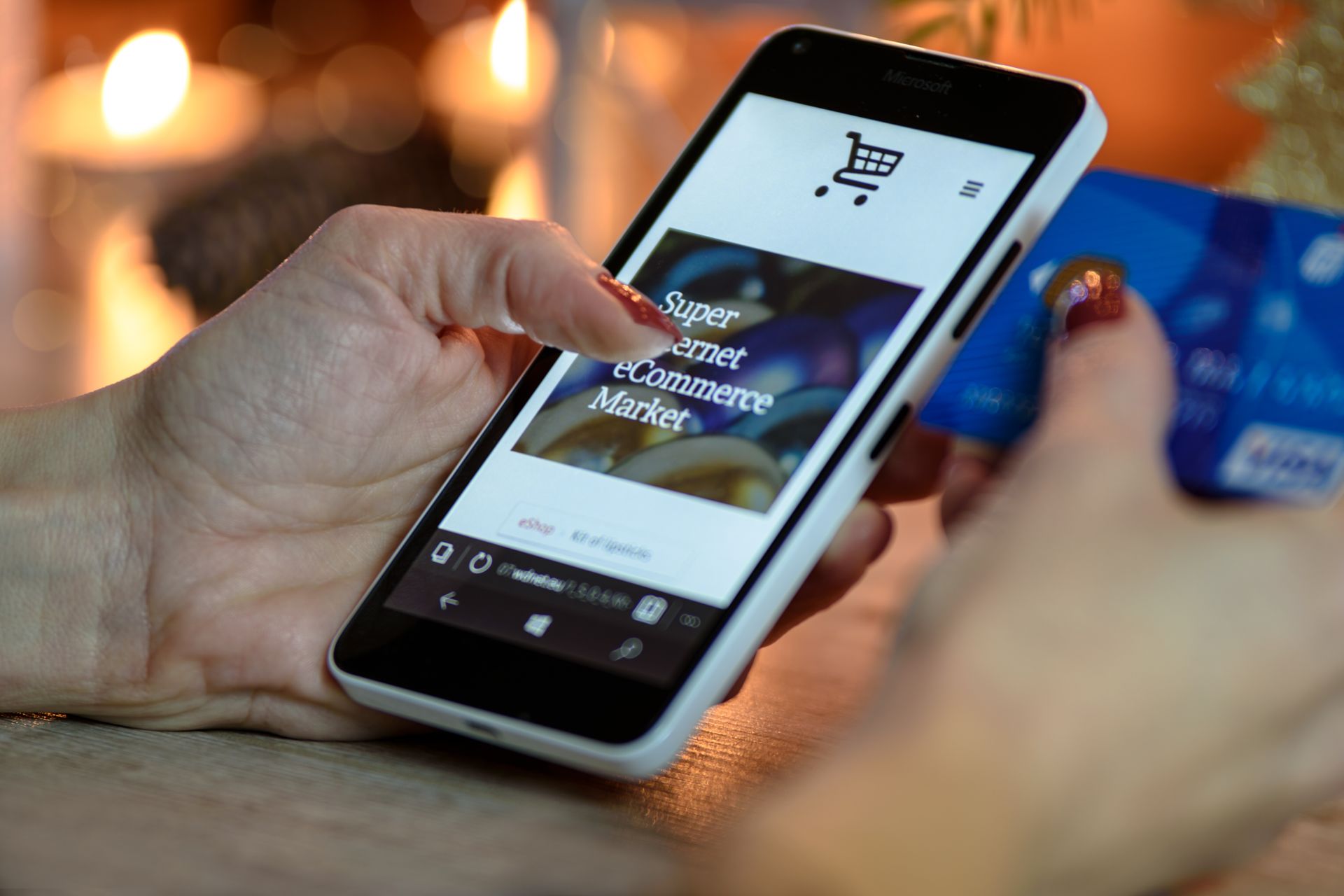
Cash Card (Withdrawals)
This is the standard card. It can only be used to withdraw money from ATMs and update your passbook. It cannot be used for online or in-store payments.
Debit Card
Increasingly common with Sony Bank and Rakuten. It debits your balance directly and works everywhere (Visa/Mastercard). Essential for your shopping in Japan.
Credit Card
Difficult to obtain during the first 6 months. Banks often require employment stability. Try Rakuten Card or Epos Card, which are more accommodating towards expats.
Mobile Payments
In 2026, PayPay, Line Pay and Rakuten Pay are ubiquitous. They link directly to your bank account for ultra-fast QR code payments.
Which bank should you choose for your profile?
| Bank | English-language services | Easy to open | Ideal for... |
|---|---|---|---|
| Japan Post Bank | Limited | ★★★★★ | Students, Working Holiday visa holders, newcomers |
| Sony Bank | Full (App) | ★★★★☆ | Connected expats, multiple currencies |
| Shinsei Bank | Very good | ★★★☆☆ | International transfers, savings |
| MUFG / SMBC | Partial | ★★☆☆☆ | Mortgages, stable careers |

Business Account: For Entrepreneurs
If your goal is to set up a business in Japan, the banking requirements become more demanding. Traditional banks will ask for a solid business plan, the company’s articles of association and often the presence of a Japanese partner or interpreter.
Processing times
Allow 2 to 4 weeks for a business account application to be processed, compared with 1 hour for a personal account.
My Number
Using your personal tax number and the company’s tax number is mandatory for any cross-border transaction.
Best Practices and Legal Obligations
Anti-Crime Checks
When opening an account, you will have to sign a declaration certifying that you are not connected to any criminal organisations (Yakuza). This is a standard but serious procedure.
Updating your Zairyū Card
If you change address or renew your visa, you must inform your bank without fail, otherwise your account may be frozen. Consult our guide to administrative procedures so you do not forget anything.
Permanent departure
If you leave Japan, you must close your account in person. Leaving an inactive account open may result in fees and complicate a future return.
Tip: set up a Japan eSIM before departure so your data works on arrival.
Frequently Asked Questions (FAQ)
Can I open an account on a tourist visa?
No, it is impossible. All Japanese banks require resident status (a visa of more than 3 months).
Is a Hanko (personal seal) mandatory?
Less and less so. Modern banks (Sony, Shinsei) accept handwritten signatures. Major traditional banks still prefer them, but are adapting.
Can I use my French bank account in Japan?
To withdraw money or pay by card, yes. But to receive a salary or pay Japanese rent, you will need a local account (the Zengin system).
Are there cheque books in Japan?
No, cheques are hardly ever used by individuals. Everything is done by bank transfer (Furikomi) or direct debit.
What are banks’ opening hours?
Branches are generally open from 9 am to 3 pm. ATMs are often accessible 24/7 in konbini.
How do I make an international transfer?
Use services such as Wise or Revolut, or Shinsei’s “GoRemit” service. Avoid making direct transfers at a branch, as they are very expensive.
What is a Passbook (Tsucho)?
It is a small paper booklet that records all your transactions. Japanese people love it for tracking their budget. You can insert it into an ATM to print it.
Can I open an account online?
Yes, banks such as Sony Bank allow you to open an account 100% via their mobile app by scanning your Zairyū Card.
What are the account management fees?
Most basic accounts are free, but watch out for ATM withdrawal fees at weekends or after 6 pm.
Need a French-speaking doctor for financial stress?
If the procedures are weighing on you, do not hesitate to consult our directory to find a French-speaking doctor in Japan.
Ready to take the plunge?
Opening your account is the gateway to a stable life in Japan. Do not let bureaucracy hold you back.
Official Resources & Partners
You may also like: Health insurance for expats in Japan: the complete 2026 guide · Moving to Japan: the complete guide to the required procedures · Claiming your Japanese pension (nenkin) when leaving Japan · Buying property in Japan as a foreigner · Cryptocurrencies in Japan: FSA taxation and regulations 2026