
Shopping in Japan
Far more than a simple necessity, grocery shopping in Japan is a sensory and cultural immersion. Learn how to navigate supermarkets, konbini and local markets in 2026.
For grocery shopping in Japan, choose a supermarket for everyday purchases, a konbini for essentials and a neighbourhood market for fresh produce. Take a reusable bag, learn the essential Japanese words and check labels before putting a product in your basket. Major cities also offer discount shops and stores specialising in imported products.
The simplest approach is to find the shop closest to your home, do your first shop with a short list, then identify the aisles and products you will buy regularly.

The art of everyday shopping
Moving to Japan means completely reassessing your shopping habits. Unlike Europe or North America, where weekly shops in enormous hypermarkets are the norm, Japan prioritises freshness and proximity. Here, people shop frequently, sometimes daily, to ensure the quality of their food, particularly fish and seasonal vegetables.
This comprehensive guide will help you through the transition, from recognising national chains and understanding complex labels to optimising your food budget.
Where to shop? Japan’s shopping ecosystem
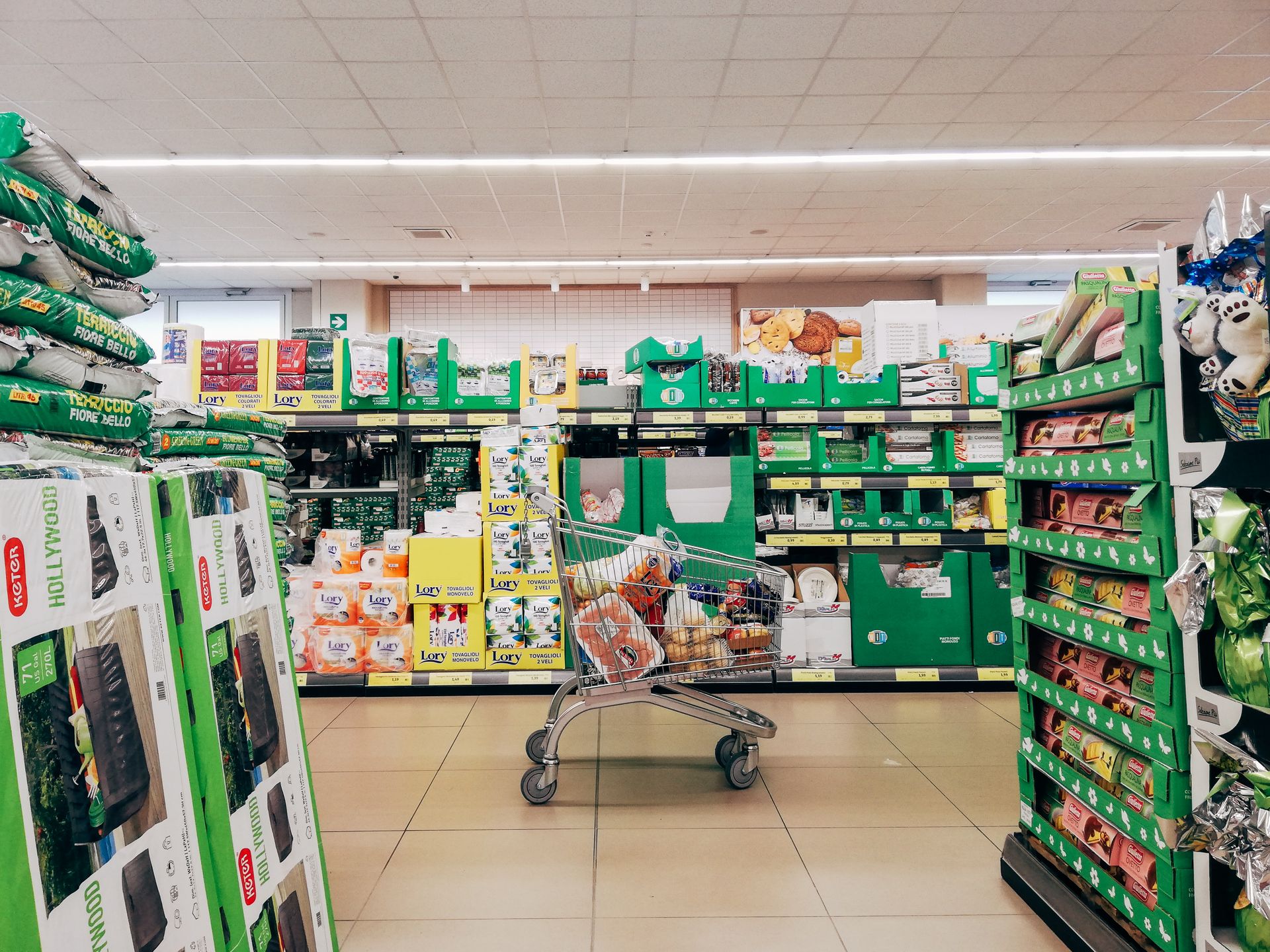
Supermarkets (Suupaa)
The beating heart of domestic life. Chains such as AEON, Seiyu (a Walmart partner) and Ito-Yokado offer an impressive variety. You will find everything you need: fresh produce, delicatessen items and, above all, exceptional prepared-food sections (Obento).
- • Aisles organised with surgical precision
- • Huge discounts at the end of the day (from 19:00)
- • Exceptionally polite customer service
Konbini
7-Eleven, Lawson, FamilyMart. Open 24 hours a day, 7 days a week. Perfect for essentials, snacks or paying your bills. Warning: prices are 15 to 20% higher than in supermarkets.

Shoutengai
Traditional covered shopping arcades. Ideal for finding cheaper fruit and vegetables (yaoya) and ultra-fresh fish from the local fishmonger. This is where the social heart of the neighbourhood beats.
Depachika: Luxury in the basement
Located in the basements of department stores (Isetan, Mitsukoshi), these temples of gastronomy offer exceptional products. This is the ideal place to buy food gifts or treat yourself to a rare gastronomic indulgence.
In the evening, before closing, luxury sushi is discounted by 50%. An opportunity to eat like a king for the price of a bowl of rice.
Major chains to know
AEON & MaxValu
The undisputed leader. Found everywhere, AEON often offers complete shopping centres. Its own-brand "TopValu" is excellent for saving money on basic products.
Seiyu
Known for having the lowest prices on dry and imported goods. They accept foreign bank cards more readily than some small regional chains.
Life & Inageya
The quintessential neighbourhood supermarkets. Strongly focused on fresh and seasonal products. Their bakery sections are often above average.
To find the nearest shop, use Google Maps and simply search for スーパー (suupaa).
2026 Grocery Budget Calculator
Estimate your monthly food expenses based on your expat profile.
Based on average prices observed in Tokyo in 2026 (indicative rate 1€ = 160¥).
A survival guide to supermarket aisles
1. Baskets and Trolleys
Forget huge trolleys. In Japan, people use small baskets placed on a lightweight wheeled stand. This reflects the size of Japanese homes (see our guide to housing in Japan): fridges are often smaller, so people buy less but more often.
2. At the checkout
Politeness is the order of the day. The cashier will scan your items and carefully place them in a second basket. Once you have paid, you should go to the tables beyond the checkouts to pack your items into your bags yourself.
3. Payment
Although cash is still king, most supermarkets now accept IC cards (Suica, Pasmo) and mobile payments (PayPay). For more information, see our guide to payment methods in Japan.
"Eco-Bags"
"For several years now, plastic bags have been charged for (around 3 to 5 yen). Japanese people have become the kings of ultra-stylish, foldable eco-bags. Not having one with you is almost a social faux pas!"

A short glossary of food aisles
| French | Japanese | Romaji | Usage |
|---|---|---|---|
| Rice | 米 / お米 | Kome / Okome | A staple of every diet. Often sold in 2kg or 5kg bags. |
| Milk | 牛乳 | Gyunyu | Pay attention to the fat content shown on the packaging. |
| Bread | パン | Pan | Often very thick sliced bread (Shokupan). |
| Discount | 割引 / 半額 | Waribiki / Hangaku | Look for the red label! Hangaku means 50% off. |
| Expiry date | 賞味期限 | Shoumi Kigen | Essential for fresh produce. |
Need help reading the characters? See our guide to learning Japanese.
Understanding the aisles: the essentials
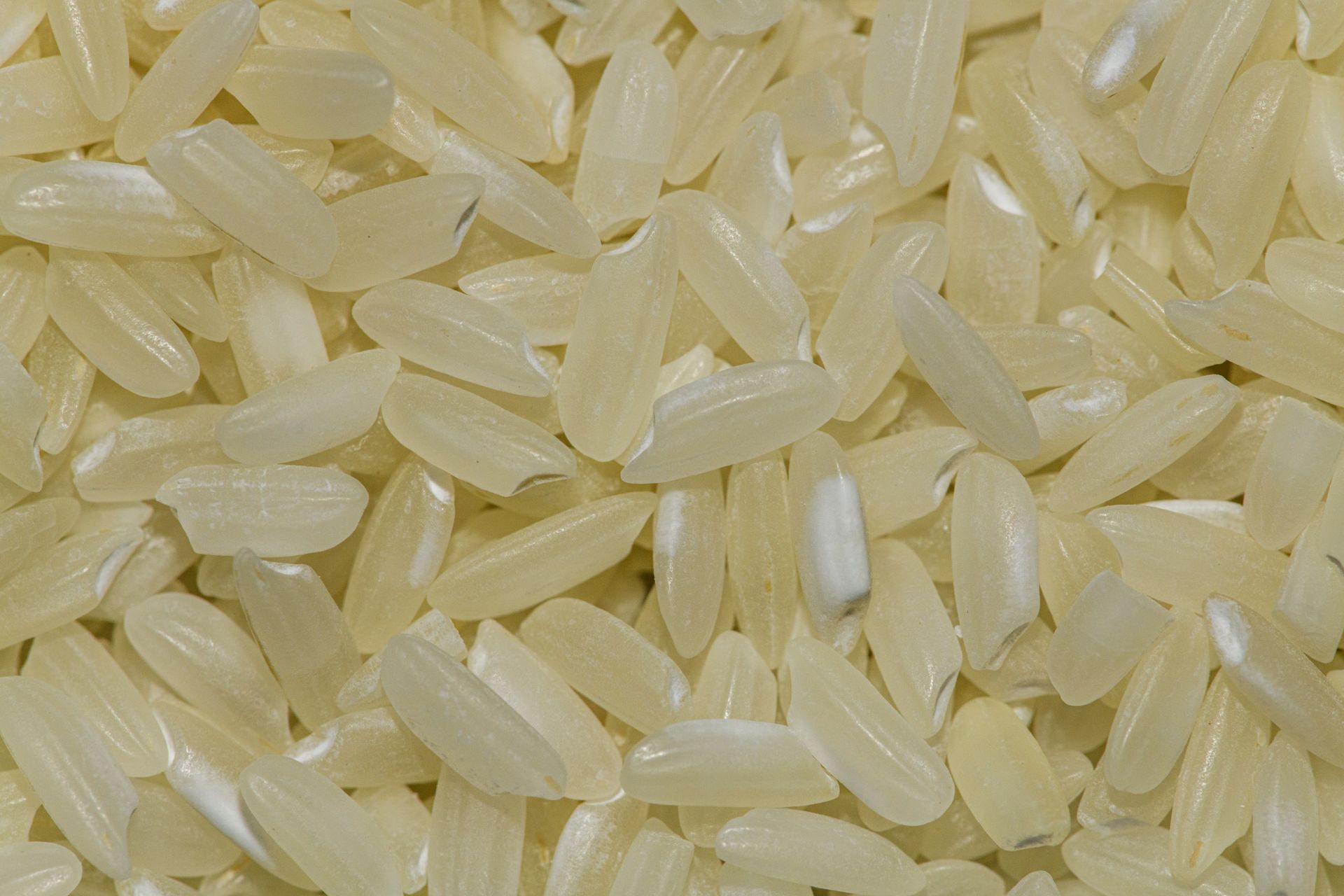
Rice (Kome)
It is the centrepiece. Don’t be surprised by the price: Japanese rice is high-quality and protected. Avoid the cheapest options for an authentic experience. Choose rice from Niigata or Hokkaido instead.
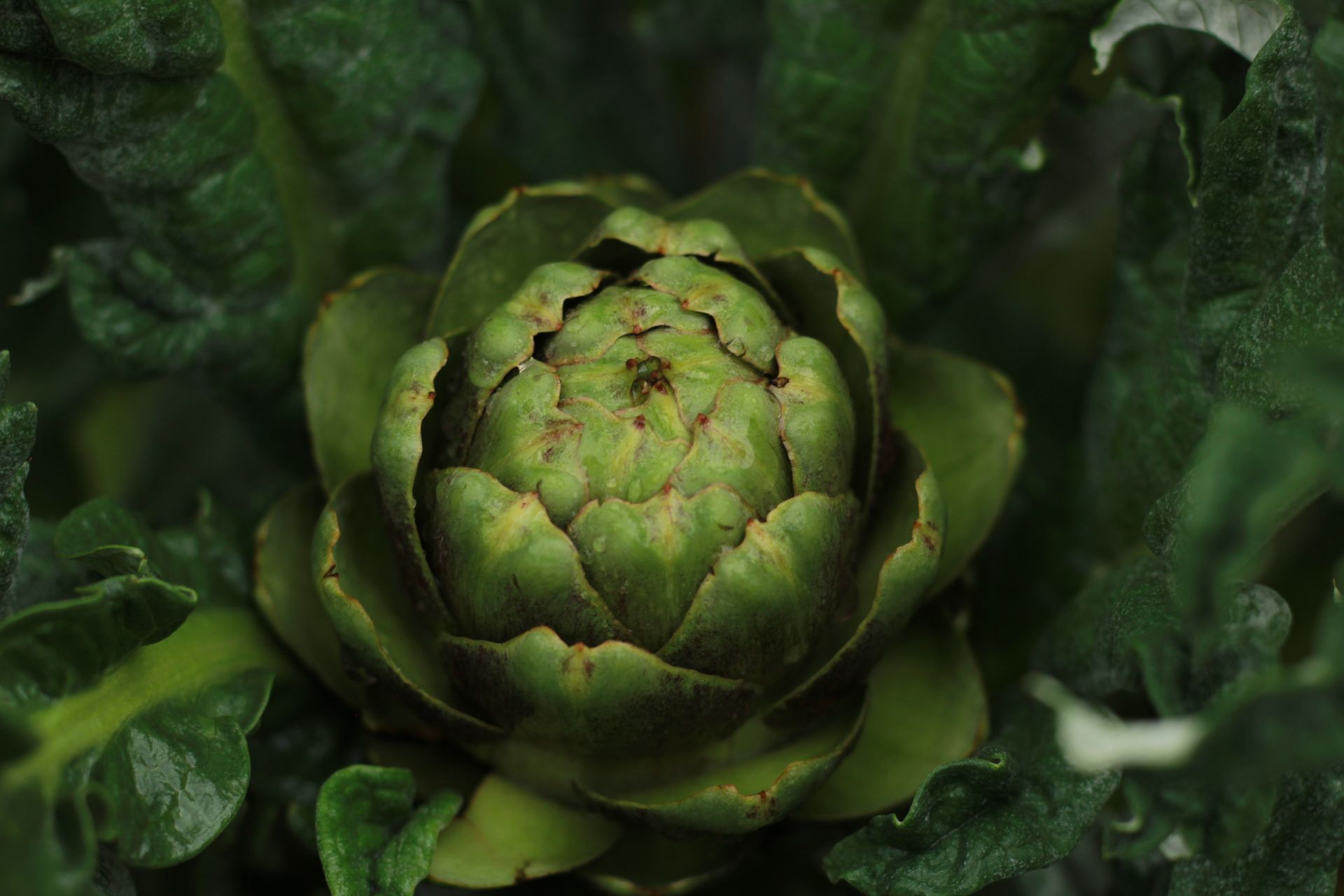
Strange vegetables
Daikon (large white radish), Konnyaku (yam-root jelly) and Gobo (burdock root) can be intimidating. Yet they are delicious and essential to everyday Japanese cuisine.

Fish and sashimi
The fish counter is often larger than the meat counter. Packaging dates and times are crucial. For sushi, look for the words "Sashimi-yo" (suitable for sashimi).
Missing home?
Finding good cheese or a crusty baguette can be complicated. Here are our secret addresses.
Kaldi Coffee Farm
An importer’s paradise. European chocolates, affordable wines, spices from around the world and often French cheese (Brie, Camembert).
Seijo Ishii
The "upmarket" supermarket. You will find high-quality products, imported deli meats and Western desserts that are closer to the originals.
Bio c' Bon
For organic food enthusiasts. Very common in Tokyo, this French chain offers fruit, vegetables and unpackaged products.
Costco Japan
If you have a car, this is the ideal place for large quantities of meat and American/European products at unbeatable prices.
Frequently asked questions
What are the best days for grocery shopping? ▼
Tuesdays and Wednesdays are often promotional days ("Market Day") at many chains. Avoid weekend afternoons if you dislike crowds.
How can I tell whether a product contains allergens? ▼
Japan has strict laws. Look for a small table at the end of the ingredients list. Common icons or kanji include: 卵 (egg), 乳 (milk), 小麦 (wheat). Use Google Lens for real-time translation.
Why is fruit so expensive? ▼
In Japan, fruit is considered a luxury gift. Its production is artisanal and extremely controlled. Choose local seasonal fruit (mandarins in winter, peaches in summer) for reasonable prices.
Do supermarkets deliver to your home? ▼
Yes, AEON and Ito-Yokado offer "Net Super" services. Very convenient for heavy items (water, rice, milk).
Is it possible to find vegetarian products? ▼
It is easier in 2026 than it used to be. Look for the "Vegan" logo or see our page on vegetarianism in Japan. Beware of broths (dashi), which are often fish-based.
Tip: set up a Japan eSIM before departure so your data works on arrival.
Ready to fill your fridge?
Remember that grocery shopping is the best way to learn the language and understand the pace of life in Japan.