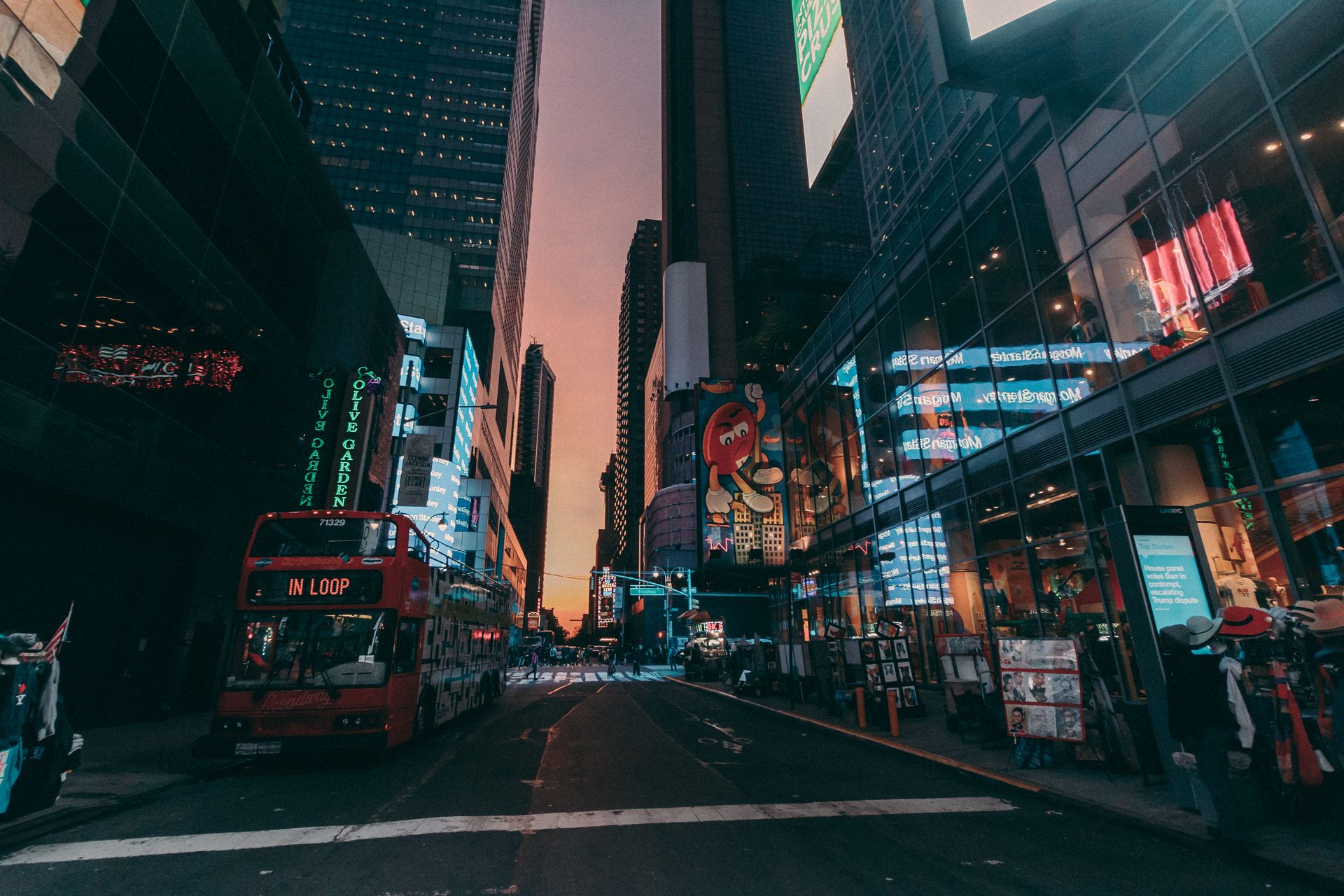
Illuminated Tokyo street
Practical Guide 2026

Mastering Vending Machines
in Japan

Whether you want to withdraw yen or treat yourself to a hot coffee on a street corner, discover how to navigate Japan’s technological and financial ecosystem.

To withdraw yen in Japan, use a Seven Bank or Japan Post ATM displaying your bank card’s logo, particularly Visa or Mastercard. Insert your card, choose English or French if available, select withdrawal and request to be charged in yen. Then check the fees displayed by the ATM and those charged by your bank.

A Japanese ATM may refuse a foreign card even if it works elsewhere. If this happens, try another network, check your card’s international settings and keep an alternative payment method. To plan your spending, also see the guide to finances in Japan.

eSIM: online on arrival

The land of automation and cash

In 2026, although Japan has made huge strides towards contactless payments, the reality on the ground remains the same for expats and travellers: vending machines (ATMs for money, Jidouhanbaiki for products) are the beating heart of everyday life. Understanding how they work is not just a matter of convenience; it is essential for managing your budget in Japan properly.

Complete Ubiquity

There is approximately 1 drinks vending machine for every 23 people in Japan. As for ATMs, they can be found in every konbini, open 24/7.

Drinks vending machine

The Golden Rule

For your foreign cards (Visa, Mastercard, Amex), ALWAYS use Seven Bank (7-Eleven) or JP Post ATMs. They are the most reliable.

TIP: French interface available on Seven Bank ATMs.

Withdrawing Money: Technical Guide

Using a Japanese ATM can seem intimidating, especially when kanji are displayed by default. However, modern machines often detect the origin of your card. If you have a French or Belgian card, the "English" or even "Français" option will appear immediately.

  • 1

    Insert your card: Insert your chip card. The machine may take a few seconds to analyse the network (EMV).

  • 2

    Choose the language: Select "International Cards" or "English" if the menu does not switch automatically.

  • 3

    Transaction: Choose "Withdrawal". Avoid "Credit" unless you want a cash advance (higher fees).

Warning: Dynamic Currency Conversion (DCC)

The ATM may offer to debit your account in Euros (EUR) rather than Yen (JPY). ALWAYS REFUSE. Choose "Withdraw in JPY" to let your bank apply the real exchange rate, which is much more favourable.
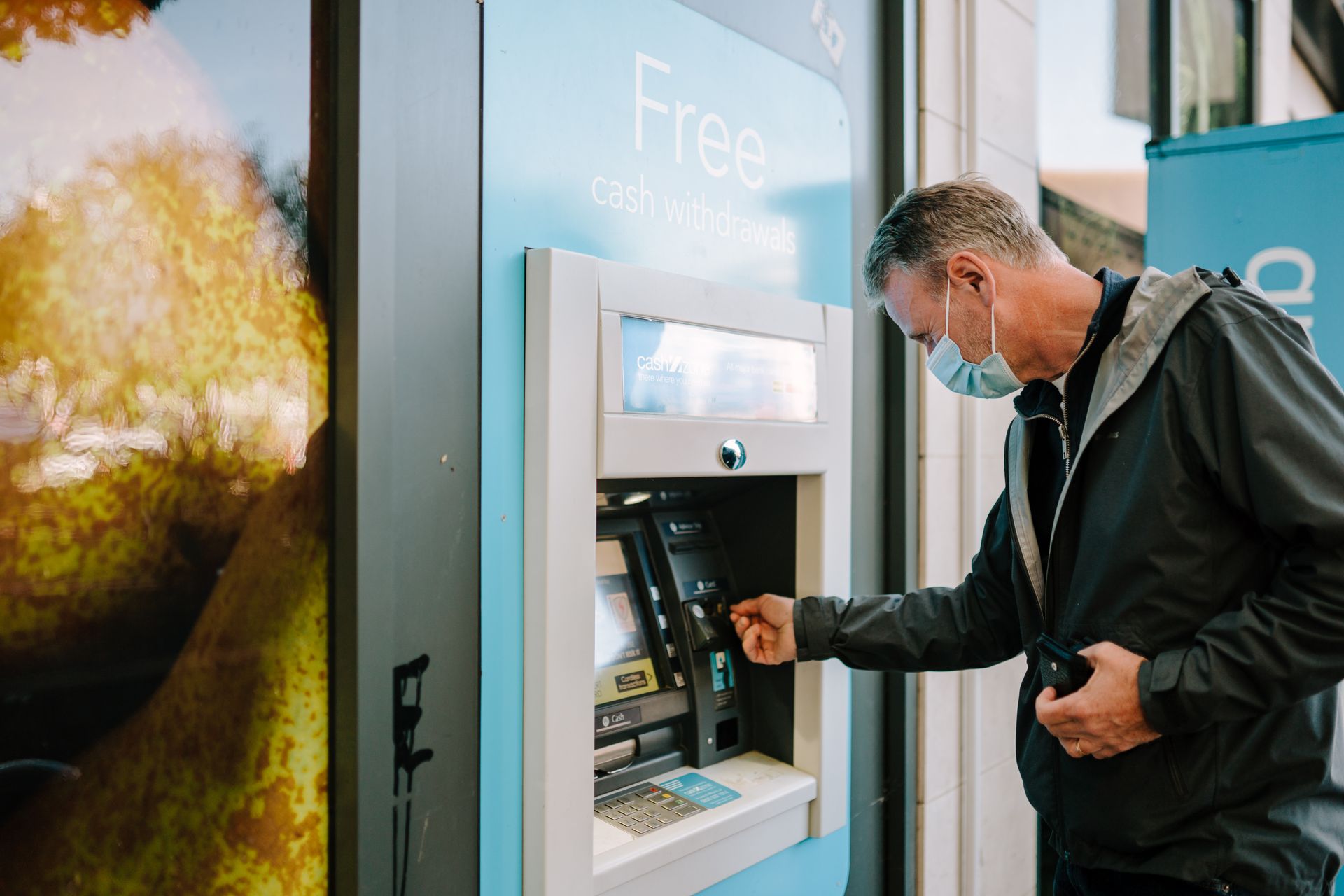
Using an ATM in Japan

"Seven Bank ATMs generally charge no withdrawal fees for foreign cards, a major advantage in 2026."

Withdrawal Calculator (2026 Estimate)

Calculate the actual cost of your withdrawal based on average bank fees.

Estimated Total Cost

-- €

Including approximately -- in total fees.

Note: This calculator is provided for guidance only. Fees vary according to your banking agreement (see our guide to banks and finances).

Where can you find a compatible ATM?

Seven Bank (7-Eleven)

The number-one choice. Open 24/7, with a French interface and often no withdrawal fees for Visa/Mastercard cards.

Japan Post Bank

Located in every post office. Very reliable, but beware of closing times in the evenings and at weekends.

Aeon Bank

Often found in Aeon shopping centres and some Daiei shops. Generally support foreign cards well.

Other Konbini

Lawson and FamilyMart have their own ATMs (E-Net). Although usable, they more often charge fixed fees (110-220¥).

Product Vending Machines: A Way of Life

Japan would not be the same without its famous Jidouhanbaiki. They can be found everywhere: at the top of Mount Fuji, in Osaka’s dark alleyways and on the platforms of Shinkansen stations.

Hot or Cold?

A red label (Atsui) indicates a hot drink, while a blue label (Tsumetai) indicates a cold drink. Ideal for canned coffee in winter!

Modern Payments

In 2026, most accept IC cards (Suica, Pasmo), contactless payments (Apple Pay, Google Pay) and even QR codes (PayPay).

Safety and Cleanliness

These machines are extremely safe. Change-giving errors are almost non-existent. If a machine "swallows" your coin, a telephone number is always displayed on the side.

Japanese vending machines at night

Advanced Features for Expats

🏦 "Furikomi" (Bank Transfer)

If you live in Japan, you will often need to pay your rent or bills by bank transfer, known as Furikomi. Most ATMs allow you to do this without going to a counter.

  • Requires the bank name, branch and account number.
  • Often faster than doing it at a branch.
  • Transfer fees range from 110¥ to 440¥.

📖 "Tsuuchou" (Passbook)

Japan still makes extensive use of paper bank passbooks. Japanese ATMs have a specific horizontal slot for inserting your passbook and automatically updating it with your latest transactions.

Tip: This is the easiest way to withdraw large amounts if you have lost your Japanese bank card.

Frequently Asked Questions about Vending Machines

Precautions and Emergencies

Japan is one of the safest countries in the world, but you should still take care with your finances. Never leave your PINs visible and always notify your bank that you are travelling to Japan to avoid your cards being blocked. In the event of loss or theft, immediately consult our page dedicated to emergency numbers in Japan.

✓ Always carry 10,000¥ with you.
✓ Carry two different cards (Visa + Mastercard).

Need help?

Join our community to ask questions live about using local banks.

To get online as soon as you land, a Japan eSIM can be installed before you leave, with no need to look for a local SIM card.

Ready for your Japanese adventure?

Don’t let money matters spoil your expat experience. Consult our complete guide for a stress-free move.

Updated on

Which ATM should you choose in Japan?

The network matters more than the machine’s appearance. An ATM installed in a konbini may accept Japanese cards while rejecting a foreign card. So look for an ATM displaying your banking network’s logo and a notice such as “International Cards”.

Seven Bank ATMs, found in 7-Eleven stores, are a convenient option for travellers. Japan Post ATMs are also often used with foreign cards, but their accessibility depends on the location and the opening hours of the building where they are located. Aeon, Lawson and FamilyMart ATMs may also work, although this is not guaranteed for every card.

Before you leave, check in your banking app that overseas withdrawals are authorised. Also make a note of your bank’s assistance number and your card’s withdrawal limit. This information is more useful than an improvised search in front of a machine in Japanese.

Where can you find an ATM?

How do you withdraw money with a foreign card?

  1. Insert your card and wait for the machine to identify the network.
  2. Select “English”, “Français” or “International Cards” when these options are offered.
  3. Choose the withdrawal option, usually labelled “Withdrawal”.
  4. Select the account requested by the ATM if several options appear.
  5. Enter the amount in yen and read the summary screen.
  6. Decline the conversion into euros if the ATM allows you to choose the currency in which you will be charged.
  7. Take your card, money and receipt before leaving the machine.

Japanese wording may differ from one machine to another. If no international menu appears, don’t guess: cancel the transaction and look for another ATM. Keep the receipt until you have checked your bank statement.

Conversion into euros: which option should you select?

Some ATMs offer to convert the withdrawal into euros immediately. This dynamic conversion may include an exchange rate set by the ATM operator. When the screen gives you a choice, request to be charged in yen so that the conversion is processed according to the terms of your bank or payment service.

Read the two possible screens carefully: the amount withdrawn in yen, followed by the amount possibly shown in euros. Wording such as “accept conversion” or “decline conversion” may appear in English. If in doubt, decline the conversion and check that the transaction is still clearly labelled in JPY.

The final cost may include several elements: fees charged by the ATM, a commission from your bank and the exchange-rate margin applied to the transaction. The amount displayed by the ATM therefore does not always represent the total cost. To compare the payment solutions used during a stay, consult the guide to payments in Japan.

Why is a withdrawal declined?

A declined transaction does not necessarily mean that your card cannot be used in Japan. The machine may not support your network, your card may be blocked for international transactions or the requested amount may exceed a limit. Temporary maintenance or a restriction related to the time of day is also possible.

Checks to carry out

Never disclose your PIN to a passer-by. If your card is retained, note the ATM’s exact location, keep any receipt and contact the institution that operates the machine or your bank.

Cash withdrawal or card payment?

Card payments and contactless apps are common in many shops, but acceptance depends on the shop, location and type of terminal. Withdrawing yen is still useful for small shops, certain forms of transport, stalls and places away from tourist areas.

However, avoid withdrawing a large amount without checking your card’s terms. A single withdrawal may incur a fee, while several small withdrawals can multiply these fees. Compare your bank’s terms with those of your payment solution before choosing your method.

SituationPreferred optionPoint to check
Foreign card and need for yenATM displaying the card logoInternational compatibility and fees
Offer to convert into eurosDebit in yenSummary screen before confirmation
Card declinedAnother network or a second cardLimit and international activation
Small purchase in a shopCard or cash paymentPayment methods accepted on site

Using a Japanese vending machine

The term “distributor in Japan” may refer to an ATM, but also to a drinks or product vending machine. On these machines, first check the price and availability shown near the product. Drinks often display a temperature indication: a red label generally indicates a hot drink and a blue label a cold drink.

To pay, insert the accepted coins or notes, or use the contactless method indicated by the reader. Then select the product. Take your drink and your change before walking away. If the machine does not return the correct change, note the contact number displayed on the side and ask for help instead of forcing the mechanism.

The customs surrounding these machines are part of everyday life in Japan. To understand the expected behaviour in public spaces, see the guide to Japanese customs.

Good habits before and after a withdrawal

If you dispute a debit, contact the card issuer promptly. For a Japanese card, passbook or local bank transfer, ask your bank directly about the terms, as menus and fees vary between institutions.

Frequently asked questions

Can you withdraw yen in Japan with a French Visa or Mastercard?

Yes, if the card is authorised for international transactions and the ATM accepts its network. Look for an ATM displaying the corresponding logo, then check the fees and withdrawal limit before confirming. If your card is declined, try another network rather than making repeated attempts at the same machine.

Should you choose yen or euros at a Japanese ATM?

When the ATM offers immediate conversion, you should generally choose a debit in yen. This avoids letting the machine operator set the conversion into euros. However, read the summary screen and check your bank’s terms, as card fees still apply.

How can you recognise an ATM compatible with a foreign card?

Look for Visa, Mastercard or your card network’s logos, as well as an “International Cards” option or an English-language menu. The absence of these indications does not guarantee incompatibility, but it should encourage you to choose another ATM, particularly in a konbini or post office.

What should you do if a Japanese ATM keeps your card?

Do not leave the area immediately. Note the address, network name and assistance number displayed on the machine. Contact the institution or your issuing bank to block the card if necessary. Do not accept help from anyone who asks for your PIN.

Why should you carry cash in Japan if cards are often accepted?

Card acceptance depends on the shop, neighbourhood and available terminal. Cash therefore remains a useful back-up for small purchases or certain remote places. Spread your money and cards around so that you do not depend on a single payment method.

To book tours and activities in Japan ahead, see the options on Klook.