
Getting Around Japan:
The Art of Punctuality
From the ultra-fast Shinkansen to quiet backstreets by bike, master every part of the world’s most sophisticated transport system for your new life as an expat.
To get around Japan, combine trains for long distances, the metro and private railways in cities, then buses, bicycles or walking for the last few kilometres. IC cards make daily journeys easier, while the Shinkansen, plane, ferry or car are suitable for travel between regions. The best option depends on your route, luggage and available time.
Before each journey, check the route, departure station, operating company and ticket conditions. In large cities, several networks may overlap without being managed by the same company.

One Network, a Thousand Possibilities
Settling in Japan often means giving up the private car in favour of legendary railway efficiency. Whether you live in the hustle and bustle of Tokyo or the tranquillity of Fukuoka, understanding how to get around is key to your integration into the community. In 2026, technology has made getting around even easier, but the basics remain the same.
Rail (JR & Private Railways)
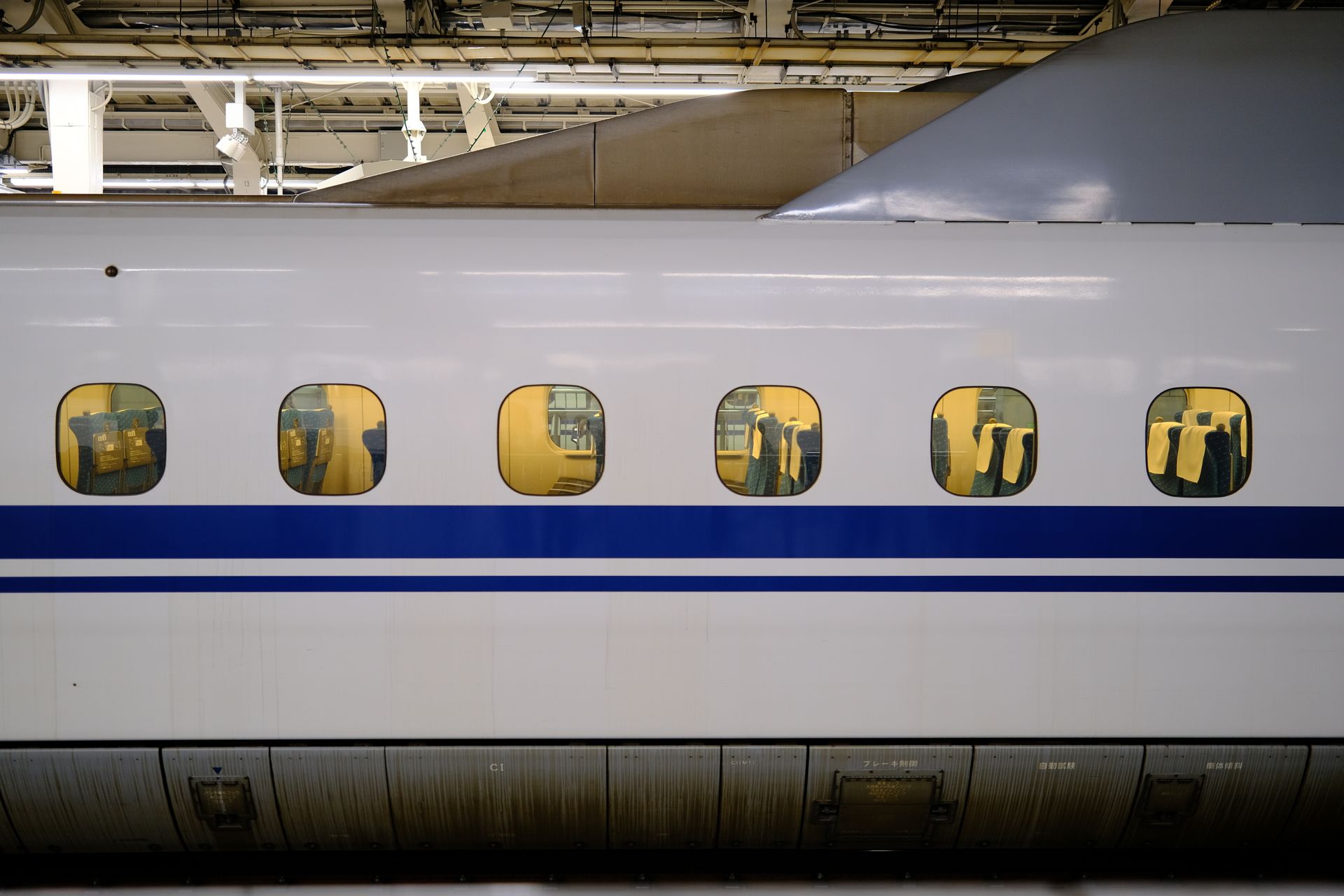
The country’s backbone. Between Japan Rail (JR) and dozens of private companies such as Odakyu and Hankyu, trains serve 99% of inhabited areas.
98%
IC card (Suica/Pasmo) usage rate for daily journeys in urban areas.
Urban Metros
Tokyo, Osaka, Nagoya... An underground ballet of surgical precision. Crucial for working in Japan.

Bicycle (Mamachari)
The preferred mode of transport for the last few kilometres. Ideal for your daily shopping.
Highway Bus
The budget alternative to trains for long distances. Comfortable and reliable.
The Railway System: Explained
JR Train Categories
- Local (Kakueki-teisha): Stops at every station.
- Rapid (Kaisoku): Skips some smaller stations.
- Express (Kyuko): Faster, with few stops.
- Limited Express (Tokkyu): The fastest service apart from the Shinkansen; requires a supplement (Limited Express Fee).
Japan has one of the densest railway networks in the world. Although JR (Japan Railways) is the best-known operator because it originated from the former national railway company, private companies such as Keio, Tokyu and Seibu are essential for getting around Tokyo’s suburbs. They often offer more competitive fares and direct access to specific neighbourhoods such as Shimokitazawa and Jiyugaoka.
Expat tip: Use the apps mentioned in our guide to essential apps in Japan to distinguish between platforms that are often next to each other.
Transport Budget Calculator
Compare the options between Japan’s major cities (2026 fares).
IC Cards and Passes: Make Life Easier
Forget paper tickets. Your first priority on arrival should be to get an IC Card (Suica, Pasmo or Icoca). Since 2024, many physical cards have been suspended following a chip shortage, encouraging the widespread adoption of the digital version on smartphones (Apple Wallet / Google Pay).
How does it work?
- Top-up: At station machines (cash) or via your banking app.
- Versatility: Valid on trains, metros and buses, and even in konbini and vending machines.
- Interoperability: A Suica bought in Tokyo works perfectly in Osaka or Fukuoka.
The JR Pass dilemma
Since the drastic price increase in October 2023, the National JR Pass is no longer cost-effective for most travellers or newcomers. For an expat, we recommend Regional Passes instead (such as the JR East Pass or Kansai Thru Pass), which offer incredible flexibility at a much lower cost for exploring the different regions of Japan.
Etiquette & Good Manners
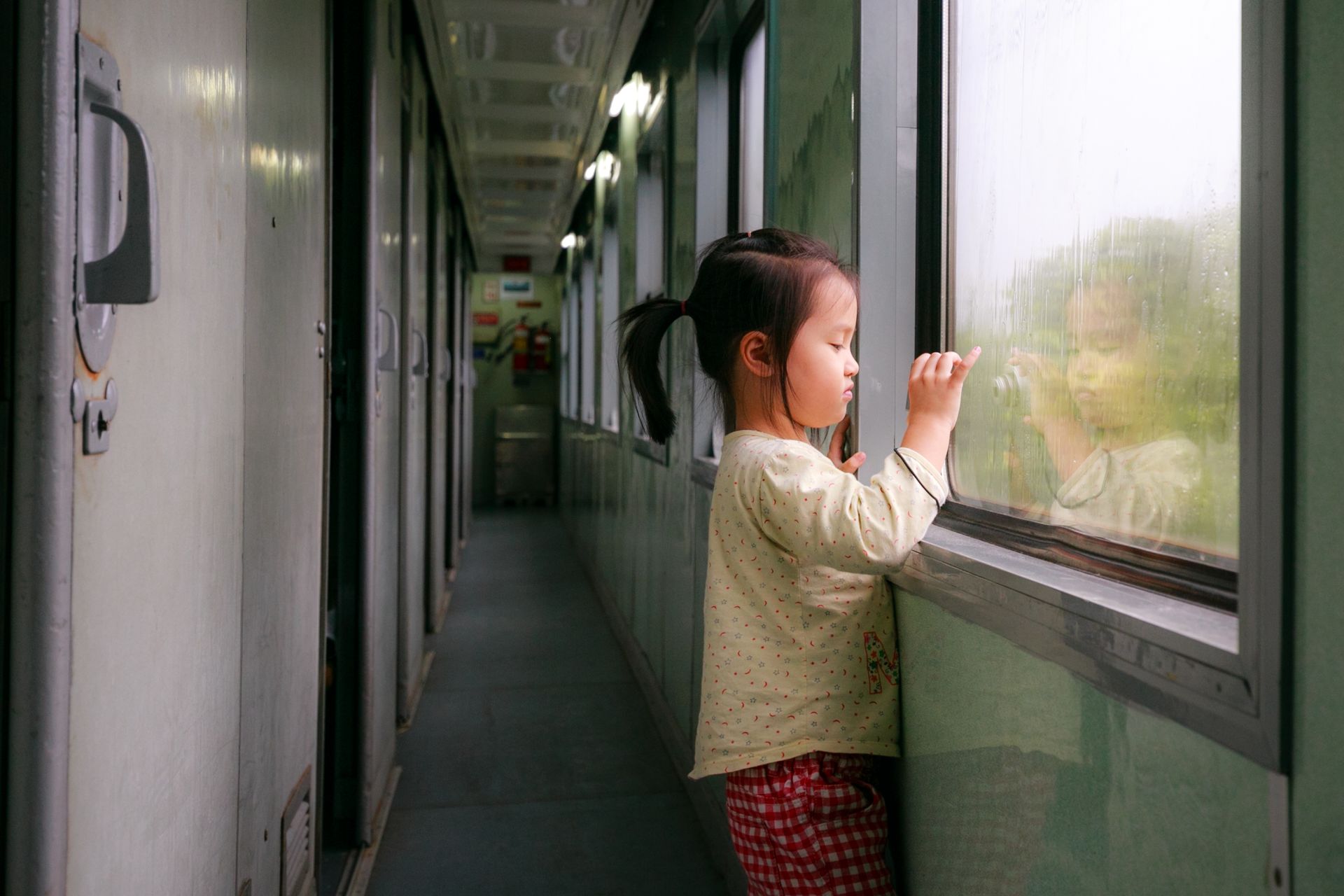
Transport in Japan is not just about machines; it is about social respect. Breaking these unspoken rules will quickly mark you out as a "newcomer".
- 1 Silence Is Golden: Do not talk on the phone and turn down the volume of your earphones. The silence on the metro is impressive.
- 2 Queueing: Respect the markings on the platform floor. Do not push in; wait for passengers to get off before boarding.
- 3 Backpacks: During rush hour, wear your backpack on your front or place it on the racks above the seats so as not to inconvenience others.
To explore these aspects further, see our article on essential Japanese customs.
Beyond Rail: Alternative Transport
Car Hire
Essential for exploring Hokkaido or the coasts of Shikoku. Note: driving is on the left and requires a certified translation of your French driving licence.
Read the Licence Procedure →Domestic Flights (LCC)
Peach, Jetstar and Skymark offer unbeatable fares for long distances (e.g. Tokyo–Okinawa or Tokyo–Sapporo).
Getaway Ideas →Overnight Ferries
A unique experience. Travel from Osaka to Beppu or Tokyo to Kyushu while enjoying a public bath (onsen) on board and saving the cost of a night in a hotel.
Onsen Guide →Frequently Asked Questions
Can you travel with large luggage on the Shinkansen?
Yes, but since 2020, luggage exceeding 160 cm (the sum of its dimensions) requires a specific reservation. Use the Takkyubin delivery service to send your suitcases directly from your accommodation to your destination for around 2000 ¥. More information about sending parcels in Japan.
When is the best time to avoid the crowds?
Rush hour is generally from 7:30 to 9:00 and from 17:30 to 19:30. If you can, shift your journeys by 30 minutes for a much more peaceful experience.
Are there women-only carriages?
Yes, during the morning rush hour, many metro and suburban train lines reserve one or two carriages for women to ensure their safety and comfort. They are marked by pink stickers on the platform and windows.
What should I do if I have lost something on the train?
Don’t panic. Japan has an incredible lost-property return rate. Go to the lost property office (Wasuremono-center) at the nearest station or contact the public services.
Do trains run all night?
No. Most lines stop between midnight and 1:00 am and resume around 5:00 am. If you miss the last train, you will have to take a taxi or stay in a capsule hotel. For more information about going out, read our guide to Nightlife in Japan.
Official Resources & Partner Guides
To get online as soon as you land, a Japan eSIM can be installed before you leave, with no need to look for a local SIM card.
Ready to settle in?
Don’t let the complex network intimidate you. With the right tools and thorough preparation, you will navigate like a local in less than a week.
You may also like: Car insurance and international driving licences in Japan