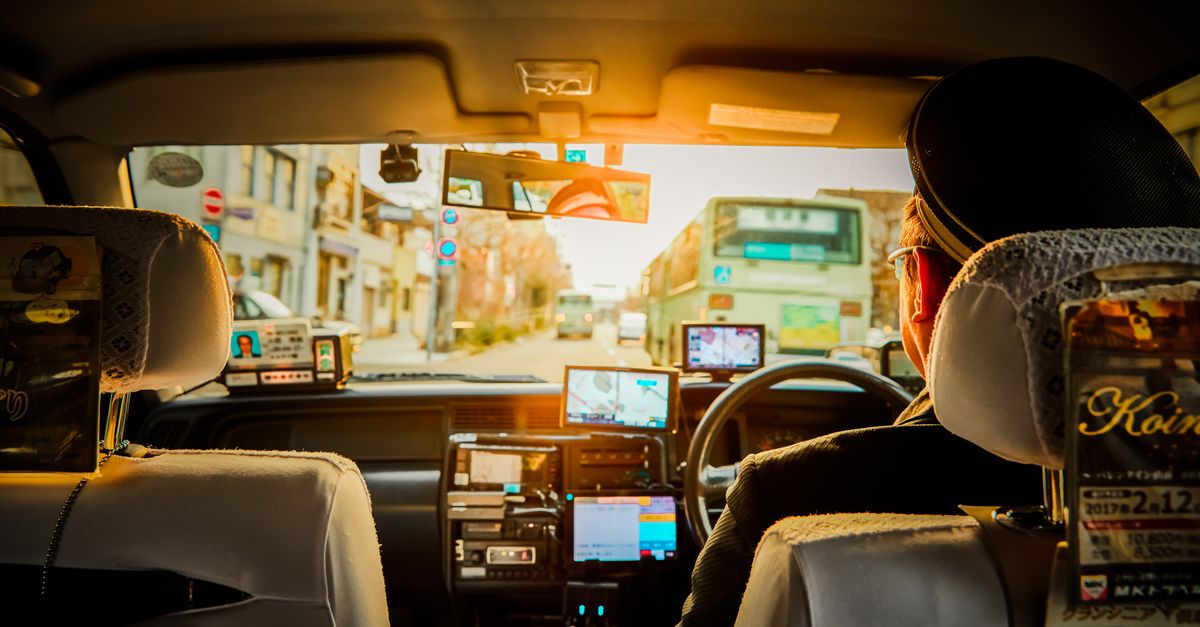
Car insurance and international driving permits in Japan
🚗 Expat Guide · 2026 Edition

Car insurance and international driving permits in Japan: what you need to know

Contrary to what you might think, an international driving permit issued in France is not recognised in Japan. JAF translation, suitable car insurance and traffic rules: what you need to arrange before getting behind the wheel.

A French international driving permit is not recognised in Japan. To drive legally, you must present your original French driving licence together with an official Japanese translation issued by the Japan Automobile Federation (JAF), as well as your passport. This translation is valid for a maximum of twelve months from the date you enter Japan. Suitable local car insurance is also compulsory for driving safely.

Japan is a destination of choice for travellers who enjoy both urban and natural surroundings, blending modernity with ancient traditions. However, for those wishing to explore the archipelago freely, driving and car insurance are crucial considerations. Contrary to what you might think, an international driving permit issued in France is not automatically recognised in Japan — a vital detail to avoid disappointment when hiring a vehicle. In 2026, this strict rule, together with the specific formalities involved in obtaining an official translation of a French driving licence, requires careful preparation to drive without difficulty. In addition, choosing suitable car insurance in Japan is essential to ensure road safety and comply with local legislation.

Here is a brief overview of the key points to remember before getting behind the wheel in Japan:

  • A French international driving permit is not recognised: the essential combination is the original French driving licence together with an official Japanese translation issued by the JAF.
  • An official translation of the driving licence is essential and should ideally be obtained before departure, otherwise there may be delays in taking possession of a vehicle.
  • The rules of the road in Japan include driving on the left, zero tolerance for alcohol and compulsory stops at level crossings.
  • Suitable local car insurance is compulsory to cover all risks, especially in the event of an accident or claim.
  • Hiring a car is mainly worthwhile outside major metropolitan areas, particularly for reaching rural or island regions.
  • Booking with the right documents, including the driving licence and JAF translation, is crucial to avoid being refused at the counter.

eSIM: online on arrival

Essential formalities: the official translation of a French driving licence in Japan

Unlike many other countries, Japan does not recognise an international driving permit issued in France. According to the official recommendations of France Diplomatie, only certain countries, including France, Switzerland, Germany and Belgium, can drive in Japan using their national driving licence, but only when accompanied by an official Japanese translation — a special arrangement outside the usual framework of the 1949 Geneva Convention on Road Traffic, to which Japan is nevertheless a party.

This translation must be produced by the Japan Automobile Federation (JAF). The original French driving licence must always be presented in paper form, with no digital copy or photograph, and it must not be expired. This document, together with the printed JAF-certified translation and passport, forms the authorised “trio” for driving legally in Japan.

The procedure for obtaining this translation is fairly precise. Applicants must submit an application online from Japan, then print the document at a konbini or a JAF office. The stated processing time is generally one to two weeks, which means it is strongly recommended that you arrange this before arriving. For example, Julien, a French traveller who arranged his translation several weeks before departure, was able to collect his car at Tokyo airport without any problems, unlike other travellers faced with deadlines that were too tight. The translation is valid only for a maximum period of twelve months from entry into Japan; for any longer stay, exchanging the licence for a Japanese version becomes compulsory.

A new translation may be required if the French driving licence is renewed or changed, a crucial point for expats or longer stays. Without this translation, most car hire agencies will refuse to lend you a vehicle, as driving without the correct documents is illegal in Japan. An international driving permit issued in France, although valid in other countries, can under no circumstances replace the official translation required here.

This formality is often a trap for tourists who rely solely on their international driving permit, thinking that a document translated into English is sufficient. France, along with the European neighbours mentioned above, is an exception to the general rule, making a Japanese translation necessary to ensure the licence is valid.

Documents required to drive legally in Japan

  • Valid original French driving licence.
  • Official Japanese translation issued by the JAF.
  • Passport proving the date of entry into Japan.
International driving permit and JAF translation for driving in Japan

Car insurance in Japan: what cover should you choose to drive safely?

Road safety is a priority in Japan, and regulations require all drivers, including foreigners, to have adequate car insurance. In addition to the required licence, comprehensive insurance protects against the financial consequences of accidents, theft and other material damage.

With rental companies, basic insurance is generally included in the contract and is called “compulsory insurance” (jibaiseki hoken), but it only covers the legal minimum, particularly third-party liability. For greater protection, especially in the event of personal injury or more extensive damage to the vehicle, taking out additional insurance is recommended (comprehensive vehicle damage cover, often called “CDW” by rental companies). These additional options may cover medical expenses, repairs, theft and sometimes even costs arising when an undeclared driver is involved.

For travellers, particularly those in transit or staying for a short period, travel insurance including car cover may also be worth considering. This type of insurance often offers more extensive cover and international assistance, which is an advantage in a foreign country where procedures can seem complicated.

For example, Claire, who rented a car in Kyoto, chose to take out the local additional insurance and avoided a bill of several hundred thousand yen after a minor collision. This precaution is particularly advisable given the high cost of repairs in Japan and the severe penalties imposed for offences or accidents.

Finally, Japan applies zero tolerance to drink-driving, with drastic penalties for offending drivers — immediate licence suspension and possible criminal prosecution under Japan’s Road Traffic Act (Dōro Kōtsū Hō). To ensure that your insurance remains valid and everyone stays safe, it is essential to comply with this rule.

Comparison table of car insurance types in Japan

Type of insuranceCoverCompulsoryAdvantages
Compulsory Insurance (jibaiseki hoken)Minimum third-party liabilityYesOften included with the rental, legal minimum
Additional insurance (optional)Vehicle damage, medical expenses, theftNoGreater protection, peace of mind
Travel insurance includedCar cover and other travel benefitsNoInternational assistance, extended cover

Driving in Japan: traffic rules and adjustments for expats

Beyond the administrative formalities, driving in Japan requires genuine adaptation to the country’s particularities. The most striking difference is driving on the left, a major change for French motorists accustomed to driving on the right. This rule, inherited from the country’s history, has a direct impact on everyday driving.

To make the adjustment easier, most rental vehicles are equipped with automatic gearboxes, reducing the complexity of changing gears. However, you will need to get used to the position of the steering wheel and the road signs quickly, particularly the position of traffic lights, which are often placed after intersections and can be confusing at first.

Japanese traffic rules also include:

  • Strict compliance with speed limits: 40 km/h in towns, 60 to 80 km/h on secondary roads, and 80 to 100 km/h on motorways.
  • Mandatory stopping at all stop signs, identified by an inverted triangle marked「止まれ」(“tomare”).
  • Absolute priority for pedestrians at pedestrian crossings.
  • No using a phone while driving, even when stopped.
  • A complete stop is mandatory at level crossings.
  • Seat belts are compulsory for all passengers.

Drivers must also ensure that they never allow someone who has been drinking to drive: the Japanese National Police (Keisatsu) is very strict on this point, and a licence may be suspended immediately in the event of an offence. Driving in city centres, particularly on your first outing, requires caution to avoid confusion caused by driving on the left.

Finally, parking can be problematic, particularly in large cities where spaces are scarce and expensive. Expect to pay between 100 and 500 yen per hour in urban areas, with automatic barrier-operated car parks. Planning ahead is therefore essential to avoid fines and inconvenience.

Car rental in Japan in 2026: practical advice and pitfalls to avoid

Choosing to rent a car in Japan requires careful consideration of the location, duration and type of itinerary planned. In major cities such as Tokyo, Osaka and Kyoto, public transport is often more efficient, economical and convenient, making a car more of a burden than an advantage. To plan your journeys around the city, our guide to transport and mobility in Japan details the alternatives to trains and the underground.

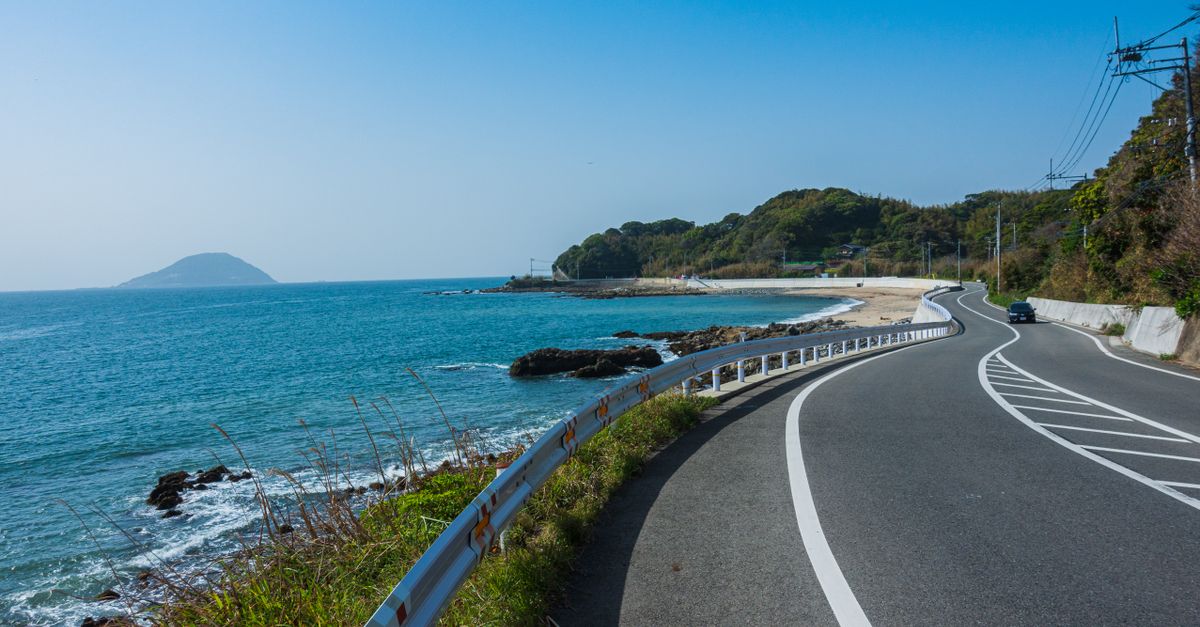
By contrast, renting a car is highly recommended for trips to rural areas, islands such as Okinawa or Hokkaidō, and visits to places that are difficult to reach by train. A rental vehicle allows you to explore hot-spring villages, national parks and wild coastlines freely.

Most agencies offer an English-language service, with GPS devices featuring an English-language option and the ability to search for a destination using a telephone number. Rates vary according to the vehicle category, from around 6,500 yen per day for a small city car to 10,500 yen or more for a hybrid saloon.

One aspect that should not be overlooked is checking the rental conditions:

  • Minimum required age, often set at between 18 and 21.
  • Valid bank card and security deposit.
  • Included insurance and additional options.
  • Availability of snow tyres during the cold season.
  • Any fees for dropping off or returning the vehicle at another location.

To draw up a realistic travel budget including car rental, fuel and motorway tolls, see our Japan travel budget guide, which details all the expenses you should anticipate.

Common mistakes to avoid when renting a car in Japan

  • Showing up with only a French international driving permit, without a Japanese translation.
  • Arriving with a translation that has not been printed or is in an unapproved PDF format.
  • Booking a car without having the official translation in advance.
  • Forgetting your passport, which is used to verify the validity of your licence and the length of your stay.
  • Confusing driving-licence translation with car insurance, which are two separate formalities.

Frequently asked questions

Is a French international driving permit valid in Japan?

No, an international driving permit issued in France is not recognised. You must present the original French driving licence accompanied by an official Japanese translation provided by the Japan Automobile Federation (JAF).

Where and how can you obtain an official translation of your French driving licence?

The translation is obtained through the JAF, generally online from Japan. You must then print the document at a konbini or a JAF office. It is advisable to arrange this before you leave to avoid delays on arrival.

Which car insurance should you choose when driving in Japan?

At a minimum, compulsory insurance is included in the rental. However, taking out additional insurance for better cover is recommended, as is travel insurance that may offer broader protection.

How long can you drive with the Japanese translation of your French driving licence?

The translation is valid for a maximum of 12 months from the date you entered Japan. After that, you must obtain a Japanese driving licence to continue driving legally.

What are the specific driving rules in Japan?

You drive on the left, drink-driving is strictly prohibited (zero tolerance), stop signs are inverted triangles, and pedestrians have absolute priority. Following these rules is essential for your safety and that of others.

More to discover

To get online as soon as you land, a Japan eSIM can be installed before you leave, with no need to look for a local SIM card.

You may also like

Living in Japan: the complete expatriation guide

Our 2026 hub guide: visas, housing, cost of living, healthcare, employment and procedures for settling in Japan.

Updated on

Why is the JAF translation essential for driving in Japan?

Japan has specific rules for recognising foreign driving licences. Nationals of only certain countries, including France, may drive with their national licence, but only when accompanied by an official Japanese translation produced by the JAF. This certified document replaces the standard international driving permit, which has no legal validity in Japan despite being valid in many other countries.

The translation application is submitted online from Japan, after which the document is printed at a konbini or JAF location. The usual processing time is one to two weeks, so you need to arrange this before your arrival. Without this translation, rental agencies will refuse to hand over a vehicle, and driving without the correct documents can lead to severe penalties.

The translation remains valid for a maximum of twelve months from the date you entered Japan. After that, you will have to exchange your French driving licence for a Japanese one. If your French driving licence is amended or renewed, a new translation will be required. This formality is compulsory for all expatriates and travellers wishing to drive.

Car insurance in Japan: minimum cover and additional options

Japanese law requires all drivers to have car insurance. Basic insurance, known as “compulsory insurance” (jibaiseki hoken), covers only the minimum third-party liability. This cover is generally included in rental agreements, but it does not protect against significant material damage or high medical costs.

For enhanced protection, taking out additional insurance (CDW or comprehensive cover) is strongly recommended. This option covers vehicle repairs, theft, medical expenses and sometimes even undeclared drivers. Repair costs in Japan are particularly high, and even a minor collision can result in bills of several hundred thousand yen.

Some travellers also choose travel insurance that includes car cover. This type of policy provides international assistance and extensive protection, which is particularly valuable in a foreign country. To find out more about insurance suitable for expatriates, see our complete guide to health insurance for expatriates in Japan.

Type of insuranceCoverCompulsoryAdvantages
Compulsory InsuranceMinimum third-party liabilityYesIncluded in the rental, legal minimum
Additional insuranceVehicle damage, medical expenses, theftNoEnhanced protection, peace of mind
Travel insurance includedCar and travel coverNoInternational assistance, extensive protection

Specific traffic rules in Japan

Driving in Japan requires French motorists to make several major adjustments. The first is driving on the left, a practice inherited from the country’s history. This rule changes the position of the steering wheel and the way traffic is organised, including the positioning of traffic lights, which are often placed after intersections.

Japan also has a zero-tolerance policy on drink-driving. Any offence results in the immediate suspension of the driving licence and criminal proceedings. The Japanese national police (Keisatsu) carry out regular checks, and the penalties are particularly severe.

Speed limits and road signs

Stop signs are identified by an inverted triangle marked 「止まれ」(“tomare”). Coming to a complete stop is compulsory, as it is at level crossings. Pedestrians have absolute priority at marked crossings, and seat belts are compulsory for all passengers.

Using a phone while driving is prohibited, even when stopped. Parking in city centres can cost between 100 and 500 yen per hour, with automatic barrier-controlled car parks. Fines for illegal parking are common and strictly enforced.

Car hire: when and where to choose this mode of transport

Hiring a car in Japan is not practical everywhere. In major cities such as Tokyo, Osaka and Kyoto, public transport is more efficient, affordable and convenient. Traffic density, parking costs and the complexity of routes make driving less advantageous in cities.

On the other hand, renting a car becomes essential for exploring rural regions, islands such as Okinawa and Hokkaidō, and areas with limited train services. A rental vehicle offers complete freedom to visit hot spring villages, national parks and wild coastlines. To organise your travel around cities, see our Japan Working Holiday guide, which details mobility options for young expats.

Selection criteria and prices

Rental agencies generally offer a service in English, with GPS devices equipped with an English-language option. Prices vary according to the vehicle category, from 6,500 yen per day for a small city car to over 10,500 yen for a hybrid saloon. Most vehicles have automatic gearboxes, making it easier to adapt to driving on the left.

Before booking, check the rental conditions: minimum required age (often between 18 and 21), valid bank card, security deposit, included insurance and additional options. In winter, the availability of snow tyres can be decisive in certain mountainous regions.

Documents to prepare before renting a vehicle

To avoid being turned away at the rental desk, you must present three compulsory documents: your original French driving licence in paper form (no digital copy or photo accepted), the official Japanese translation issued by the JAF, and your passport proving the date you entered Japan.

The international driving permit issued in France, although valid in other countries, does not in any way replace the official translation required in Japan. This confusion is common among travellers who think that a document translated into English is sufficient. France is an exception to the general rule, which means that a Japanese translation is required to ensure that the licence is valid.

Prepare these documents several weeks before your departure to avoid any delays. Rental agencies systematically check that the documents comply with the requirements, and any omission will result in the vehicle being refused. This administrative rigour is a feature of the Japanese system, where compliance with rules is paramount.

Frequently asked questions

How long does it take to obtain the JAF translation of a French driving licence?

The usual processing time is one to two weeks from the online application made from Japan. It is strongly recommended that you arrange this before your arrival to avoid any delay in collecting a rental vehicle.

Can you drive in Japan with a French driving licence without a translation?

No, driving without the official Japanese translation issued by the JAF is illegal in Japan. Even if you have a French international driving permit, it is not recognised in Japan. Rental agencies will refuse to hand over a vehicle without this document.

What are the risks of having an accident without additional insurance?

Basic insurance (compulsory insurance) only covers minimum third-party liability. Without additional insurance, you will have to pay out of pocket for vehicle repairs, medical expenses and property damage, which can amount to several hundred thousand yen.

Is driving on the left difficult to master in Japan?

Adapting to driving on the left requires vigilance, especially during the first few days. Most rental vehicles have automatic gearboxes, which makes the transition easier. Take the time to familiarise yourself with the position of the steering wheel and the location of the traffic lights.

Do you need to rent a car to visit Tokyo or Kyoto?

No, renting a car is not recommended in major cities such as Tokyo, Osaka or Kyoto. Public transport is more efficient, economical and convenient there. A car becomes useful for exploring rural regions, islands and areas with limited train services.

What happens if you exceed the validity period of the JAF translation?

The JAF translation is valid for a maximum of twelve months from the date you enter Japan. After that, you will have to exchange your French driving licence for a Japanese licence to continue driving legally. Driving with an expired translation can result in severe penalties.