Moving to Japan: a complete guide to the formalities
All the administrative steps for settling in Japan long-term.
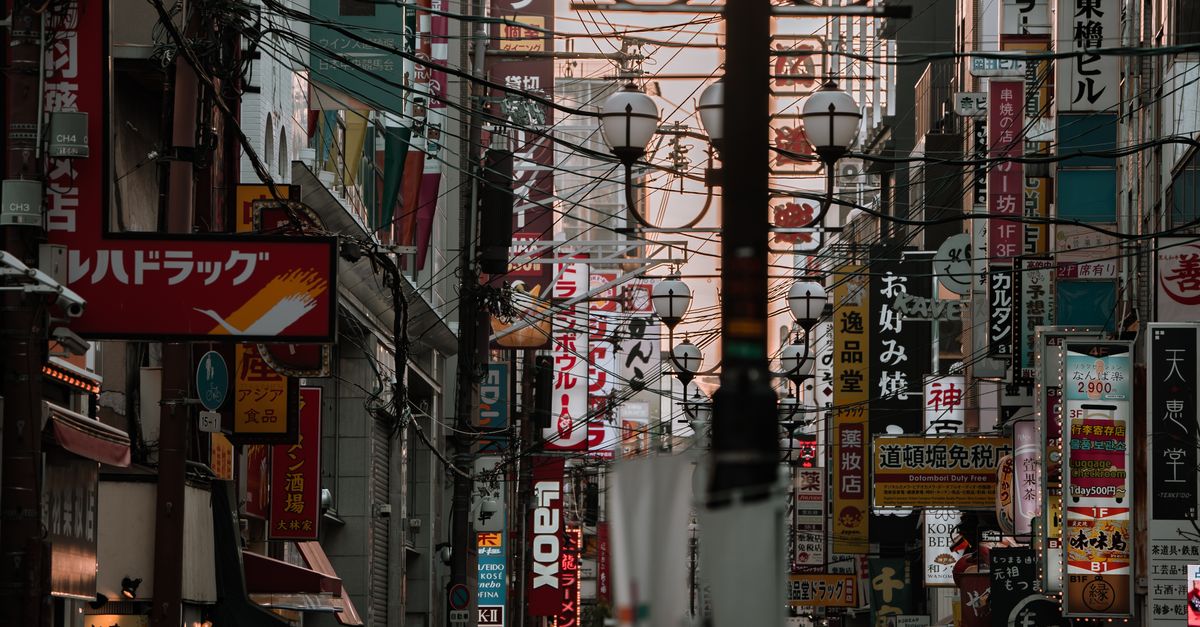
Japan continues to attract a wide range of people, from employees on international assignments to French-speaking couples looking for a stable living environment…
Living in Japan in 2026 first means securing your residence status, then arranging accommodation, finances and local procedures. The right path depends on your plans: employment, studies, family, Working Holiday or a temporary stay. Before you leave, check the requirements with the Japanese authorities and the relevant consulate, as a tourist stay does not allow you to settle or work freely.
To make a success of your move, proceed in this order: define the purpose of your residence, gather the supporting documents, obtain the necessary approval, arrange temporary accommodation, then complete the formalities after arrival. Your budget, level of Japanese, destination city and family situation will then influence your practical choices.
Japan continues to attract a wide range of people, from employees on international assignments to French-speaking couples looking for a stable living environment, as well as remote workers drawn to the rare combination of modern infrastructure, safety, reliable transport and dense urban life. But settling in the archipelago is not simply a matter of booking a ticket and renting a flat. From visas, accommodation and banking procedures to health insurance, professional practices and the codes of daily life, every step requires careful planning. That is precisely what makes the difference between a smooth relocation and an exhausting move.
For a French speaker, living in Japan in 2026 also means dealing with some very practical realities: a demanding rental market, sometimes high upfront costs, a language that remains essential for administrative matters, and significant budget differences depending on whether you choose Tokyo, Osaka or Fukuoka. On the other hand, the country offers solid advantages: exemplary urban mobility, high-quality healthcare, an overall very safe environment, a highly coherent everyday culture and genuine professional opportunities in sectors that recruit foreign workers. The challenge is not to dream about Japan, but to prepare for it realistically.
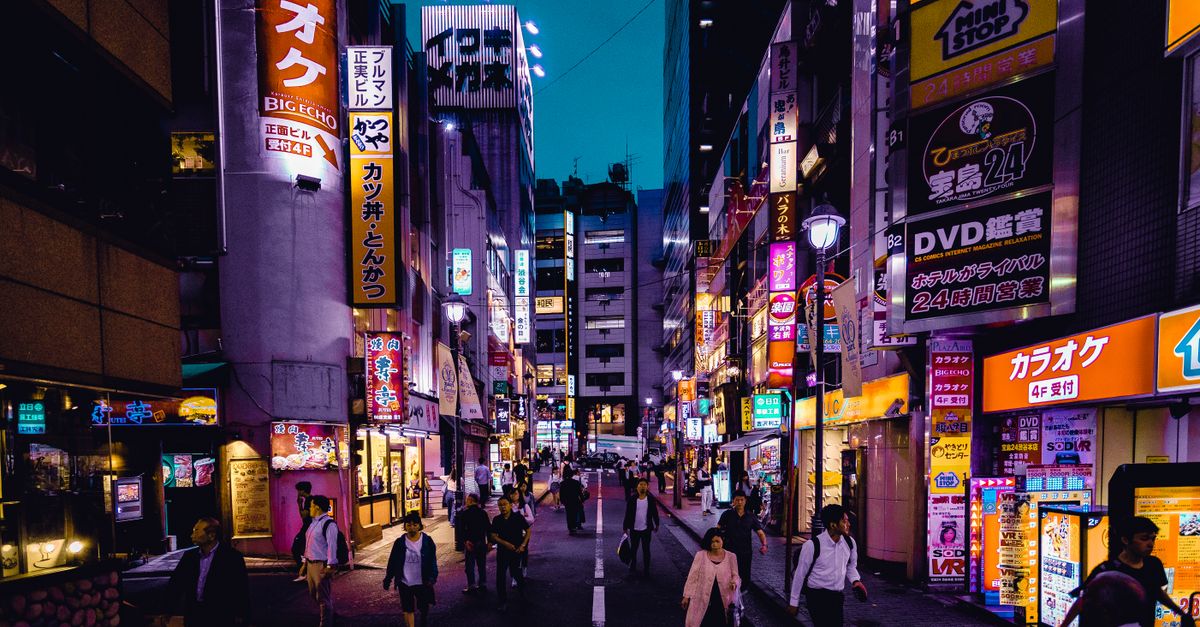

Quickly compare Tokyo, Osaka and Fukuoka across the main spending categories. Useful for planning a move to Japan as a French speaker, with a concrete and practical overview.
In general, rents and family budgets are highest here.
Often chosen as a good compromise between cost, services and vibrancy.
Often more affordable for accommodation and everyday life, with an appreciated quality of life.
| Spending category | Tokyo | Osaka | Fukuoka | Practical advice |
|---|
For a French-speaking expat, Tokyo often requires a tighter budget, Osaka remains a good compromise, and Fukuoka helps ease the pressure of fixed expenses.
To reduce your overall costs, keep an eye on rent first, followed by transport. The rest of your budget mainly depends on your lifestyle and household size.
In this guide
Japan retains a unique power of attraction because it combines two worlds that many consider incompatible: extremely efficient modernity and a strong sense of cultural continuity. In a single day, a resident can work in an advanced digital environment, take a punctual train, pay for their purchases using simple mobile solutions, then end the evening in an old neighbourhood with quiet alleyways, near a small family-run restaurant. This coexistence is far from incidental. It shapes everyday life and gives living there a sense of structure rarely experienced with such intensity elsewhere in developed Asia.
The country is also attractive for more practical reasons. Major cities offer skilled jobs in technology, engineering, international marketing, education and hospitality. Bilingual candidates, or those able to work with international teams, are particularly sought after in some sectors. For a French speaker, this opens doors, even though Japanese remains a decisive advantage. A fictional sales manager based in Osaka with an intermediate level of Japanese will often find more opportunities than an otherwise identical candidate limited to English, because fitting into local teams matters just as much as technical skills.
Lifestyle is another factor to consider. Japan offers reassurance through its orderliness, cleanliness, sense of service and safety. Someone arriving from a bustling European capital quickly notices the difference: transport runs to clear timetables, local shops meet practical needs, public services remain well organised and neighbourhood life is easy to navigate. This stability comes at a cost, of course, but it offers a daily return on investment that many expats value more than their gross salary alone.
Finally, Japan is appealing because it does not ask you to give up your curiosity. From seasonal festivals, regional cuisine, onsens, mountains accessible by train and ultra-dense metropolises, the country remains deeply vibrant. It is an environment where you can build a highly efficient routine while constantly discovering new ways of doing things. This ability to offer the familiar and the unexpected within the same space explains much of its appeal. Choosing Japan often means choosing a country where everyday life becomes a highly structured experience.
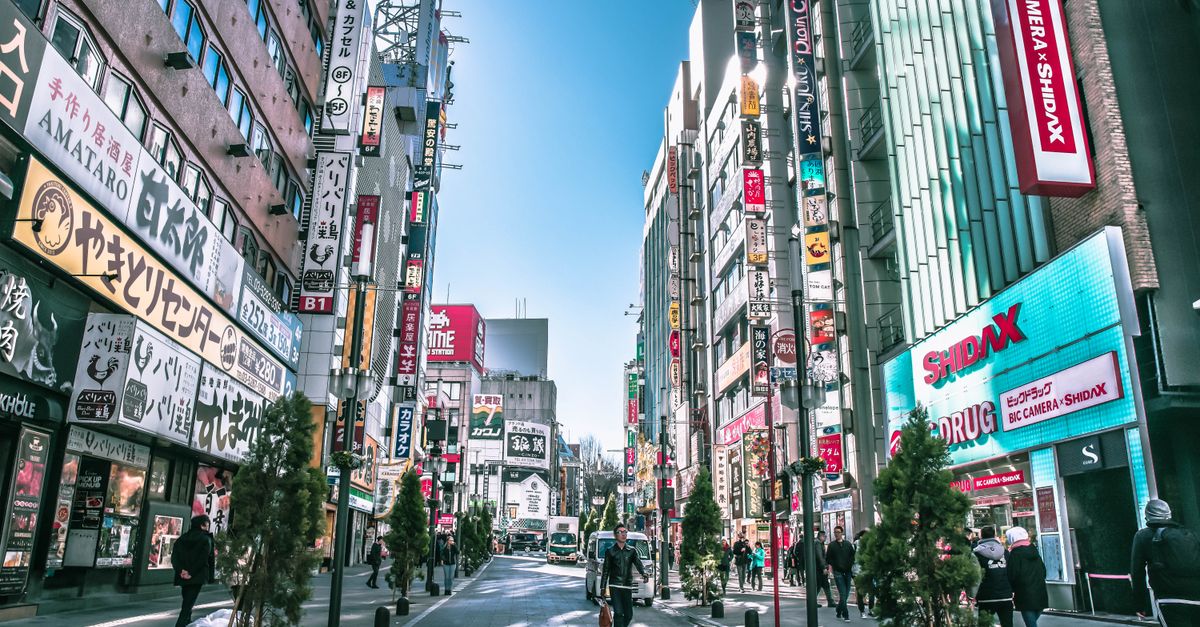
Before making any plans for life in Japan, your immigration status must be settled precisely. For most foreigners, long-term entry is based on a work, student, spouse or dependent visa, or, depending on the circumstances, a more temporary framework such as the WHP or the scheme intended for certain remote workers. In practice, the key point is almost always the same: having a clearly established reason for your stay and compliant supporting documents. An incomplete or poorly translated application can delay your arrival by several weeks, sometimes longer.
Applications are generally simpler when the Japanese employer acts as the sponsor. For a local contract, the famous Certificate of Eligibility is often central to the procedure. It demonstrates that your plans for staying in Japan comply with the immigration rules in force. You will also need a valid passport, recent photographs in the correct format, a duly completed form, proof of employment and, sometimes, financial or family documents depending on the type of visa. For a family move, the consistency of the documents matters just as much as having them all. An incorrect date, an approximate translation or an outdated document can slow down the entire process.
Document preparation deserves to be treated as a phase in its own right. The authorities often expect documents to be properly translated into Japanese, and some situations require authenticated documents. A French-speaking couple preparing to leave will benefit from organising their supporting documents in advance: qualifications, employment certificates, bank statements, civil-status documents, proof of relationship for a dependent visa, or school-related documents for children. Administrative work is not glamorous, but it determines what happens next. The sensible approach is to anticipate the time needed for legalisation, translation and booking a consular appointment.
For a nomadic or freelance profile, you need to be even more vigilant, as the framework is not the same for all nationalities and residence statuses. Some schemes are limited in duration, with income requirements and specific health insurance. The most common mistake is to confuse a tourist stay, temporary residence and professional relocation. Japan is not a country where you can improvise your status regularisation after arrival. The clarity of your visa determines the entire chain: arrival, housing, banking and work.
Japan’s housing market follows conventions that often bewilder newcomers. Renting remains the most common choice for expats, as buying involves costs, practices and timeframes that do not always suit a first move. In Tokyo, a studio or small flat can easily fall within a range starting at around 80,000 to 90,000 yen per month in convenient areas, then rise quickly depending on the address, floor area and age of the building. In some central neighbourhoods, the monthly budget can exceed 150,000 yen for a modest but well-located property. Osaka is often more affordable, while Fukuoka still offers more manageable rents for comparable floor areas.
Beyond the rent, you need to factor in the initial costs. A deposit, possible key money, agency fees, rental insurance, the first month’s rent and various other charges can all increase the cost of moving in. This often surprises new expats comparing the Japanese market with those of more flexible European cities. In practice, your start-up budget should include a comfortable margin, especially if the property is rented through a conventional agency. In some cases, a local guarantor is required, which can make things difficult for a newcomer without a network in Japan.
Choosing a neighbourhood deserves careful thought. Tokyo is not a uniform city. Living in Shinjuku, Setagaya, Meguro or Minato offers different surroundings, rents and levels of density. Osaka has a more direct pace, with lively neighbourhoods and an atmosphere often considered more welcoming. Fukuoka, meanwhile, attracts those looking for a more compact city that is gentler to live in and sometimes simpler for families. The decisive factor is almost always the actual distance to transport, work and everyday services. A cheaper home with poor connections often ends up costing more in time and energy.
Another point that is rarely assessed properly concerns the actual size of homes. Japanese apartments can be functional and well designed, but floor space is limited. For a French-speaking couple accustomed to more space, the adjustment can be brutal if the comparison is based solely on price. This is why it is worth visiting, opening cupboards, checking insulation and finding out about waste disposal, bicycle access, noise hours and tenancy agreement restrictions. To understand how much the rental market can vary from one country to another, looking at this guide to renting in Kuala Lumpur may also help illustrate the differences in practices between major Asian cities.
One final practical point is essential: renting in Japan rewards applicants with clean, stable and prompt applications. A candidate able to show clear employment, regular income and well-prepared documents is far more likely to move forward quickly. In Japan, renting is not just a question of budget; it is a demonstration of reliability.
The cost of living varies greatly depending on the city, neighbourhood and lifestyle. Tokyo remains the most expensive benchmark, particularly for housing, but day-to-day spending can be kept under control if habits are well organised. A careful single person can live on a reasonable budget by using public transport, local convenience stores and simple meals. Conversely, a very urban lifestyle in central neighbourhoods quickly pushes up the bill. Osaka is often a step below Tokyo for housing, while retaining an excellent density of services. Fukuoka, meanwhile, appeals with lower property pressure and a generally gentler pace of consumption.
The table below provides useful guidelines, without claiming to establish universal prices. Differences between seasons, locations and property quality remain significant.
| City | Studio / small flat | Monthly transport | Typical meal | Typical monthly living budget |
|---|---|---|---|---|
| Tokyo | 80,000 to 150,000 yen | 10,000 to 15,000 yen | 600 to 1,200 yen depending on the location | 160,000 to 280,000 yen and upwards |
| Osaka | 65,000 to 120,000 yen | 8,000 to 12,000 yen | 500 to 1,100 yen | 140,000 to 240,000 yen |
| Fukuoka | 55,000 to 100,000 yen | 7,000 to 11,000 yen | 500 to 1,000 yen | 120,000 to 210,000 yen |
These ranges remain useful when preparing an expatriation application, but you also need to add electricity, water, gas, internet, telephone costs, and sometimes health insurance and pension contributions depending on your status. Winter in some regions and humid summers can also push up energy costs. In Tokyo, housing often accounts for more than all the other expenses combined, which explains why well-paid expatriates nevertheless accept modest floor space. In Fukuoka, a family may sometimes find a more comfortable balance by sacrificing a little immediate access to major international hubs.
Food gives a mixed impression. Basic shopping can remain affordable, especially if you favour neighbourhood supermarkets and seasonal produce. Eating out ranges from a simple, quick meal to a high budget in well-known restaurants. A classic dinner at a small local establishment can remain very accessible, whereas a more elaborate meal or a fine-dining restaurant raises the bill considerably. For an expatriate, the wisest approach is to distinguish between a “normal life” budget and a “treats” budget, to avoid unpleasant surprises. Japan is not necessarily prohibitively expensive, but it demands a consistent budget.
Once your visa has been approved and you have found accommodation, administrative arrangements become the priority. Opening a Japanese bank account makes it easier to pay rent, subscriptions, healthcare reimbursements and everyday expenses. Banks generally ask for proof of identity, proof of address and evidence of your long-term presence in Japan, such as an employment contract or an appropriate residence status. Some institutions are stricter than others with newcomers, which is why it is worth choosing the right branch from the outset. A complete application often speeds up the opening process, but you may sometimes have to wait before accessing certain features, particularly more sensitive transfers or cards that are fully compatible.
Telecommunications require the same kind of adjustment. There are many local plans, with major differences between established operators, low-cost offers and more flexible packages. For an expatriate, the main issue is not just the price, but also how easy it is to subscribe, the customer service language and compatibility with the phone you already own. A local SIM card or an eSIM plan can simplify the start-up process, especially if you are settling in alone. A household with children or a couple working from home will benefit from checking fixed-line speeds, internet installation fees and the contract length at an early stage.
Tax and social security obligations must also be understood quickly. Japan applies a progressive taxation system, to which health insurance and pension contributions may be added depending on the resident’s status. Many foreign nationals discover too late that tax residence, the way they are paid and their visa category affect the procedures they need to complete. A local employee does not have the same obligations as a long-term resident, or as a self-employed person. It is therefore preferable to get everything in order during the first month rather than correct it later.
To better visualise the sequence, here is a frequently observed start-up process: visa approval, municipal registration, opening a bank account, signing up for telephone services, joining a health insurance scheme, then updating related contracts. This process may seem highly administrative, but it prevents practical day-to-day difficulties. Without a bank account, some rents are difficult to pay. Without a local telephone number, medical appointments or deliveries become tedious. Without a registered address, several procedures remain incomplete. In Japan, a successful move depends on a succession of simple but essential steps.
Japan’s healthcare system is one of the aspects most appreciated by expats, provided they understand the rules. Residents are generally enrolled in a national health insurance scheme or covered through their employer. This greatly affects out-of-pocket costs and how they access care. For a routine appointment, a consultation can remain affordable once insurance is active, but without suitable cover, the bill can become much higher. This is why it is important not to treat insurance as a secondary formality.
Major hospitals in metropolitan areas sometimes have English-speaking staff, which is reassuring when you first arrive. However, in everyday life, a language barrier may still arise, especially in local facilities or when describing a specific symptom. Many French-speaking expats therefore choose to make a short list of clinics in advance, taking into account flexible opening hours, accessibility by public transport and, if possible, the ability to provide care in English. This preparation saves you from searching in a hurry when a child falls ill or a simple problem becomes more complicated.
You also need to distinguish between routine care and comprehensive protection. Local insurance may be sufficient for everyday life, but an international policy remains useful in certain situations: temporary stays, frequent travel, dependants or a need for repatriation. Families in particular should check the cover provided for emergencies, hospital stays, maternity care, optical care and dental treatment. The most difficult expenses are not always the ones you think of first. A specialist consultation, several tests or long-term treatment can cost more than occasional visits.
Finally, the Japanese system also relies on prevention and punctuality. Not waiting until the situation becomes critical is one of the useful habits to adopt. Booking an appointment early, keeping your medical records, knowing the name of your insurer and understanding the reimbursement process makes life much easier. Good health cover in Japan does more than provide protection; it also gives you peace of mind when dealing with administration.
For families, choosing an educational path is one of the most significant aspects of expat life. Japanese state schools offer a respected, structured environment, but teaching is in Japanese. For a child who does not yet have a good level, adapting can take time, especially during the first few months. The benefits are real: language immersion, local socialisation and a rapid understanding of the country’s customs. The drawback is the adjustment required, which can be demanding if the family has just arrived or is planning a relatively short stay.
International schools offer another option. They make it easier for some expat children to settle in through English-language programmes, and sometimes French-language programmes depending on what is available, as well as an educational approach closer to what mobile families are used to. However, fees can be high and places limited at the most sought-after schools. Depending on the city, school fees can weigh heavily on the family budget, to the point of becoming almost equivalent to a second rent payment. Here too, the area you choose has a major influence on the options available.
In practice, many families choose a mixed strategy. A child may start at an international school before possibly transferring to the local system, or receive additional Japanese lessons to integrate gradually. This approach works well when parents have anticipated their needs in terms of transport, after-school care and language support. A family living in Yokohama, for example, will not necessarily choose the same option as a household in Fukuoka or in an outlying area of Tokyo. Travel time and the school network completely change the decision.
The key point is ensuring that the choice works for the whole family. School is not limited to the language of instruction. It affects timetables, activities, parent networks, holidays, expectations regarding behaviour and the way the child finds their place in a new environment. When this choice is considered early on, expat life becomes more stable. In Japan, an expat family’s educational success depends above all on a clear-headed balance between immersion, budget and educational continuity.
Japan’s job market remains competitive, but it should not be portrayed as closed. Certain sectors regularly recruit foreigners who can offer technical expertise, an international outlook or strong English skills. Jobs in technology, engineering, data, digital marketing, hospitality and language teaching remain among the most visible opportunities. International companies based in Japan are often more open to multicultural profiles, while local companies place greater value on precision, reliability and a willingness to fit into internal practices.
The main obstacle is not simply competition. It also comes from the work culture. Hierarchies are generally more pronounced than in many French-speaking workplaces, and decision-making can seem slow because it is based on collective approval. Working hours can still be long in some organisations, although reforms and new practices have begun to provide a better framework for work–life balance. Professional life therefore requires adaptability: formality in communication, attention to detail, strict punctuality and a focus on relationships after work.
To apply effectively, it is useful to know the specialist platforms, tailor your CV to the local format and make your added value very clear. A trilingual profile, for example, may be more attractive than a candidate with equal technical skills but unable to communicate with Japanese teams. Japanese is not always compulsory at the outset, but it considerably broadens the range of opportunities. Some expats start out working in English for a multinational company, then move towards roles more integrated into the local market as their language skills improve.
A pragmatic strategy is to prepare your plans before arriving: target sector, type of contract, preferred city, expected salary and the financial cushion needed to live while looking. A position based in Tokyo may offer more opportunities but require a higher rent. Osaka, often a little more affordable, attracts candidates looking for a more comfortable balance. Fukuoka, meanwhile, appeals to those who prioritise a gentler quality of life and a less intense relationship with urban density. In Japan, employment is secured as much through competence as through cultural fit.
Living in Japan means learning often unspoken rules of coexistence. Politeness, restraint and consideration for shared spaces shape behaviour. Discretion is appreciated on public transport. In apartment buildings, noise must be managed carefully. At home, shoes are removed in many situations. In restaurants, the way you greet people, order or pay the bill varies depending on the establishment, but respect for staff remains central. These gestures are far from incidental: they immediately make integration easier.
Language is the first major cultural bridge. Even a few simple phrases in Japanese change how local people perceive you and improve everyday interactions. Asking for directions, explaining a delivery problem or reading the instructions at a service counter becomes less intimidating when you know the basics. Many French speakers discover that the most useful learning does not necessarily come from a textbook, but from concrete situations: the station, pharmacy, supermarket, town hall, school and doctor’s surgery. This is where vocabulary gains its true value.
The seasons also play a major role. Spring, with hanami, invites you to go out and contemplate your surroundings. Summer, which is more humid, requires stamina. Autumn often offers a more pleasant period for walking and travelling. Winter varies by region, with real differences between the north and the milder areas. Major seasonal events, local markets, public baths and neighbourhood festivals create a rhythm that gradually helps newcomers feel at home. It is not just a matter of observing a culture, but of becoming part of its living calendar.
Some French people also appreciate neighbourhoods where local life remains strong: a local bakery, independent café, small supermarket, park, library or nearby gym. It is often in these ordinary places that integration happens fastest, far more than at famous attractions. Knowing how to greet your neighbour, sort your rubbish correctly, respect collection times or respond tactfully to an administrative request makes a real difference. In Japan, everyday integration is mainly built on repeated small details.
Tip: set up a Japan eSIM before departure so your data works on arrival.
Japan offers clear advantages, but it would be misleading to present them as automatic. Safety, the quality of public transport, cleanliness, ease of getting around and the consistency of public services remain major assets. However, life there is not always easy for a French speaker. The language barrier can slow down procedures, the weather can be tiring, and housing in Tokyo remains one of the main expenses. Successful integration therefore depends on a clear-eyed acceptance of these constraints rather than abstract enthusiasm.
The most common difficulties often arise during the first few months. A newly arrived resident may feel capable at work but vulnerable when dealing with everyday tasks: understanding a contract, calling a gas company, resolving a parcel problem or making an appointment at a clinic. This imbalance creates a real psychological gap. To reduce it, you need practical tools: document translation, emergency contacts, an administrative calendar and gradual learning of useful vocabulary. A small repeated effort is better than a major one-off push.
Solid integration also comes through simple actions. Taking part in neighbourhood events, regularly visiting familiar local places, accepting local help when it is offered and learning the unspoken rules of a shared space are powerful tools. The expats who manage best are not always those who speak perfect Japanese, but those who know how to observe, ask respectfully and stay organised. A French-speaking student, for example, will progress more quickly if they record their procedures in a notebook, prepare their paperwork in advance and learn to read the essential signs in their neighbourhood.
Finally, it is important to maintain a balanced view. Japan is neither a logistical paradise nor a permanent obstacle course. It is a highly structured country that rewards preparation, consistency and practical politeness. Once the basics are in place, the quality of life can become remarkable. When they are lacking, every formality takes on disproportionate importance. Successfully settling in Japan is above all about turning adaptation into a method.
The budget depends mainly on the city and type of accommodation. For a move involving a standard rental, you should often budget for several months’ rent, agency fees, any deposit, transport costs, telephone expenses and a cushion for your first purchases. Tokyo generally requires a larger reserve than Osaka or Fukuoka.
This is possible at first in certain international neighbourhoods or at English-speaking companies, but everyday life quickly becomes easier with a basic knowledge of Japanese. Administrative procedures, housing, healthcare and certain services still rely heavily on the local language.
Tokyo offers the most professional opportunities, but also the highest rents. Osaka often offers a better balance between dynamism and the cost of living. Fukuoka is appealing for its more accessible surroundings and more relaxed pace, often appreciated by families and people looking for less pressure from the property market.
Yes, health insurance should not be overlooked. Depending on your status, joining the local system is essential, and international top-up cover may be useful for temporary stays, families or highly mobile people. It is also recommended that you check hospitalisation, repatriation and routine healthcare cover.
The most important items are your passport, correctly sized photographs, the visa application form, proof of employment or relationship, depending on the situation, financial documents, civil-status certificates if necessary, as well as translated or authenticated documents when required by the procedure.
All the administrative steps for settling in Japan long-term.
A realistic monthly budget by city, including housing, food and transport.
Finding a flat, guarantors, agencies and pitfalls to avoid.
Health, home and third-party liability: what you need to take out.
Explore all our guides to help you prepare for your move to Japan: visas, housing, cost of living and administrative procedures.
View all guides →Updated on
The first decision is not about the city, but about the type of life you are looking for. An employee recruited by a Japanese company does not prepare for their departure in the same way as a student, self-employed person or family with children. The status you intend to apply for determines which documents you need to gather, whether you can work, your access to housing and the procedures to complete once you are there.
Start by writing a simple summary of your objective, your activity, the planned duration, your resources and the people accompanying you. This step helps you avoid a common mistake: choosing a type of stay that does not match the reality of your plans. As requirements can change, consult official Japanese information and seek advice from the consulate or a specialist professional before making any final bookings.
| Plan | Key points to check first | Useful preparation |
|---|---|---|
| Local employment | Contract, employer and status authorising the activity | Qualifications, experience and professional documents |
| Study | Admission, funding and residence requirements | Enrolment, academic documents and financial resources |
| Family | The status of your spouse or children | Civil-status certificates, schooling and translations |
| Working Holiday or temporary stay | Scheme limitations and personal requirements | Insurance, financial resources and a coherent plan |
A successful move depends on a gradual timetable. Do not leave all the tasks until the final weeks: some documents must be requested in France, translated or checked before the application is submitted. Keep digital and paper copies of your documents, using clear file names and checking their validity dates.
For French documents, ask the relevant authority whether a Japanese translation, legalisation or certification is required. Do not use machine translation for a sensitive administrative document. Any inconsistency between your passport, civil-status certificates and forms may lead to a request for additional documents.
Your moving budget is not limited to rent. You also need to anticipate the costs of moving into your accommodation, travel, equipment, telecommunications, meals, administrative procedures and unexpected expenses. The amount varies depending on the city, season, type of accommodation and number of people. Divide your budget into three envelopes: departure, settling in and everyday expenses.
Temporary accommodation can make your first viewings easier, but it does not always replace a stable address for administrative procedures. Before signing, check the cancellation terms, additional fees, equipment provided and the actual distance to work or school. An advert in English or French does not guarantee that all the conditions will be suitable for your situation.
| City | Suitable profile | Points to watch |
|---|---|---|
| Tokyo | International career, broad professional network and metropolitan lifestyle | Rent, commuting and daily pace |
| Osaka | A compromise between services, employment and urban atmosphere | Choice of neighbourhood and distance from the workplace |
| Fukuoka | A more compact city, with everyday life often simpler | A more specialised range of professional opportunities depending on the sector |
Do not choose based solely on the price of accommodation. Also compare job opportunities, access to healthcare, the availability of schools, transport and the distance from your social network. To assess your purchasing power, you can consult the page dedicated to salaries in Japan and purchasing power, bearing in mind that income cannot be compared without taking the neighbourhood and household into account.
Japanese is not required to the same extent in every situation, but it quickly becomes useful for housing, the local council, banking, healthcare and professional interactions. Start by learning expressions related to your practical needs: address, identity, payment, appointments, emergencies and documents. Asking for written confirmation can help avoid misunderstandings.
Social conventions are mainly learned through observation. Follow the instructions for waste sorting, neighbourhood rules, timetables, queues and workplace customs. If you do not yet speak Japanese, prepare for appointments with a list of short questions and, whenever possible, ask a competent person to accompany you. Practical resources exist for living in Japan without speaking Japanese, but they do not replace checking with the authorities.
Before you leave, make a note of the contact details for your consulate, insurer, employer or educational institution and accommodation. Also find out your local authority’s instructions in the event of an earthquake or major incident. Japan has local procedures that you need to understand before you need them; consult the guide to earthquakes in Japan and what to do.
Finally, keep a fallback option: financial reserves, a French-speaking contact, temporary accommodation or the possibility of changing your departure date. A well-prepared move abroad is not one that ignores difficulties, but one that plans how to manage them without jeopardising your residence status, health or household budget.
First, you need to have a recognised reason for staying, such as employment, study, a family connection or an eligible temporary scheme. The required documents and conditions vary depending on your status. Check the procedure with the Japanese authorities and the relevant consulate before submitting your application or arranging your move.
Yes, temporary accommodation can give you time to view properties and get to know the neighbourhoods. However, it does not resolve formalities that require a stable address. Check the rules applicable to your status and allow for a sufficiently flexible transition period before signing a tenancy agreement.
Start by checking the documents given to you on entry, then contact the relevant local authority to find out which notifications are required. Next, arrange your phone service, bank account, insurance and accommodation according to your circumstances. Requirements differ depending on your status: ask the relevant authority to confirm them.
A tourist stay should not be confused with authorisation to work or reside long term. The options available depend on the status obtained and the work carried out. Before accepting an assignment or job, check the official rules applicable to your nationality and plans.
Compare employment, housing, transport, schools, healthcare and the availability of a social network. Tokyo offers more specialised services, Osaka may suit those seeking an urban compromise, while Fukuoka attracts people with its more compact size. The best choice mainly depends on your day-to-day constraints.