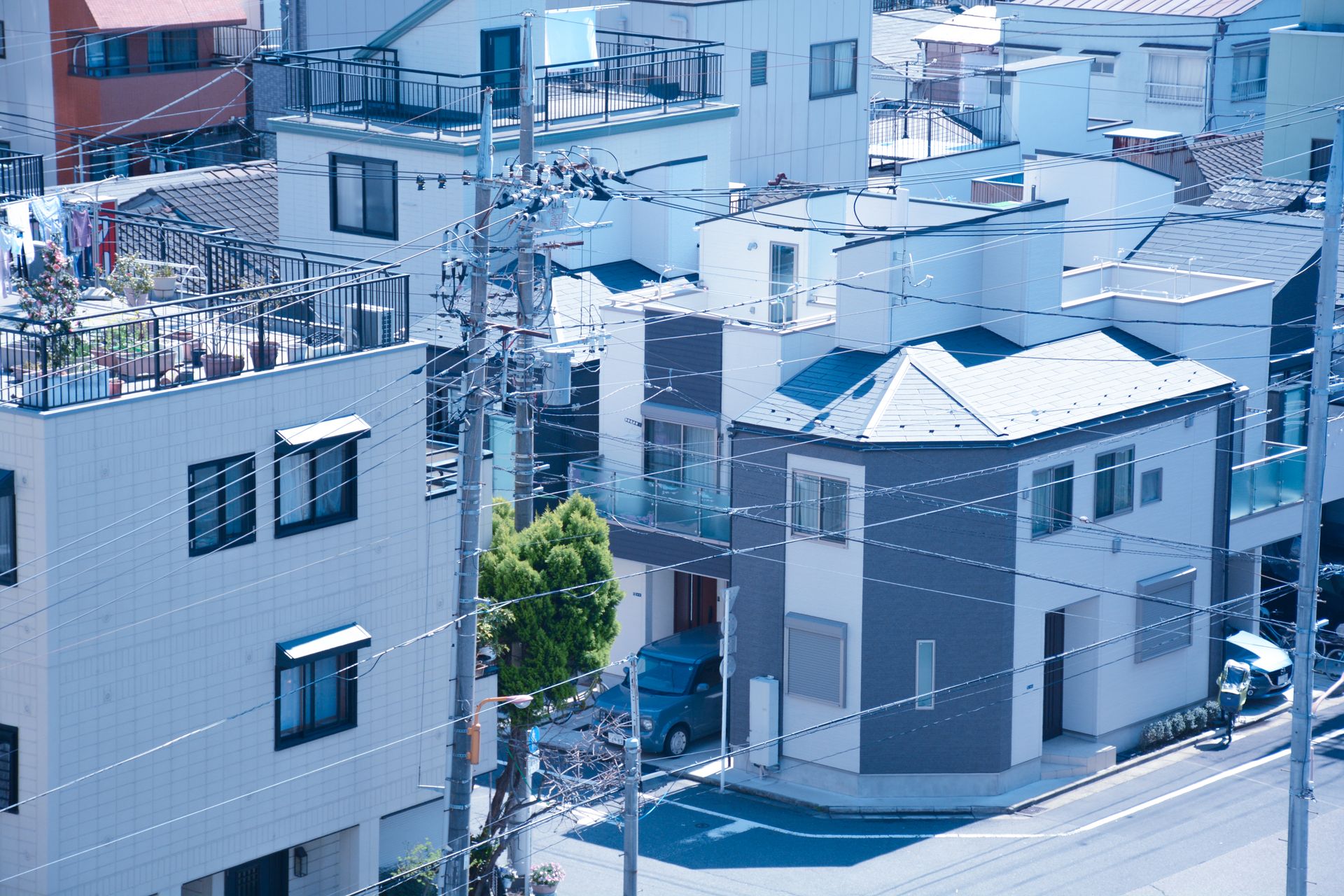
Japan attracts many different kinds of people each year, but the logic of settling in remains the same: a precise sequence of procedures, where good timing matters just as much as having the right documents. For a French speaker preparing to leave to study, work, join a Japanese spouse or start a new life after retirement, the first pitfall is underestimating the order of the formalities. Here, a visa is not treated like a simple stamp, accommodation is rarely booked as it is in Europe, and opening a bank account often depends on details that have already been approved elsewhere. A well-prepared plan moves quickly; an improvised one can become stuck at the airport or during the first few days, sometimes for very practical reasons such as a missing address, no phone number or an unavailable guarantor.
In 2026, the Japanese administration remains highly structured, even though several services have become more streamlined through digitisation. The rules are not intended to discourage you, but they do require careful preparation. This is particularly clear for French speakers arriving without local knowledge: documents must be consistent, translations sometimes prepared in advance, supporting evidence organised methodically, and the schedule followed without improvisation. Good decisions made before departure help avoid unnecessary expenses on arrival, whether extended hotel stays, high initial housing costs or delays with health insurance. The most effective approach is therefore to proceed step by step, prioritising your legal status and then your address before moving on to everyday services.
Need an overview of French and Japanese formalities first? Our guide to administrative procedures explains each residence status and the documents you need to gather.

Choosing the right visa for moving to Japan in 2026
The starting point for any successful move to Japan is your immigration status. Without the right visa, it is impossible to build a stable life, sign a tenancy agreement on good terms or complete basic administrative procedures. The choice of visa depends first and foremost on your actual plans, not on your dream: salaried employment, studies, marriage to a Japanese national or a temporary working holiday experience do not grant the same rights or involve the same constraints. This distinction is essential, because the Japanese administration examines whether the reason for your stay is consistent with the documents provided.
For people recruited by a Japanese company, the most common work visa generally falls under the category of specialised activities, often with a sponsor. The employer then plays a central role, supporting the application and proving that the position matches the applicant’s profile. For a student, the application is based on admission to a Japanese institution and the ability to fund the stay. For the spouse of a Japanese national, the framework is more flexible day to day, with greater freedom to work, but the marriage documentation must be solid and clear. Finally, the working holiday visa is mainly suited to a temporary experience, with the aim of discovering Japan rather than settling there permanently. Each option opens a different door, and choosing the wrong one can cost you several months.
There are also more specific cases, such as the Business Manager visa for setting up a company, with significantly more demanding financial requirements, or statuses linked to family, academic research or certain specialised sectors. The right approach is to check whether your plans justify a long-term arrival, a family move or a transitional stay. For example, a candidate arriving for a master’s degree in Osaka should not prepare the same evidence as an engineer hired in Yokohama. This initial assessment helps avoid incomplete applications and repeated administrative trips. In Japan, getting your status right saves time everywhere else.
Another point that is often overlooked concerns changes of status once you are in Japan. In some cases, it is possible to switch from a student visa to a work visa, or adapt your status following a change in family circumstances. However, this transition requires a complete application, processing time and an immigration check that everything is consistent. It is therefore better to develop a strategy from the outset, especially when a plan combines several elements: studies followed by employment, marriage followed by professional activity, or a temporary stay with the possibility of an extension. A visa is not a mere formality; it is the legal framework for your move. For details of the different statuses and procedures, see our guide to visas for Japan.
Preparing administrative documents before leaving for Japan
Even before booking a ticket, your documents should be gathered and carefully organised. This is the least visible phase, but often the one that saves the most time. The Japanese authorities require applications to be consistent, clear and complete, particularly when the stay is based on employment, a family relationship or studies. A poorly prepared application can slow down COE processing, complicate your arrival and delay access to accommodation or banking. To avoid this, you need to think like a Japanese administrative office: a clear chronology, legible documents and complete consistency between the forms.
The passport must remain valid for long enough after the planned arrival date. Professional documents are often required for a work visa: qualifications, proof of experience, a contract or job offer letter, sometimes translated depending on the sponsor’s requirements. For people joining a spouse or children, civil-status certificates, the family record book and sometimes an apostille may be required depending on the type of application. Bank statements from the past few months are often used to demonstrate financial capacity, particularly for students or certain family applications. Official translations into Japanese are not always required, but when requested, they should be prepared before departure to avoid problems on arrival.
The Certificate of Eligibility, often abbreviated to COE, deserves particular attention. It is not the visa itself, but prior approval by the Japanese immigration authorities, often applied for by the sponsor in Japan. Processing can take one to three months depending on the circumstances, so it is important to plan well ahead. Once the COE has been issued, it is sent to the applicant and then used to obtain the visa at the Embassy of Japan in France. This process is common for recruitment, family reunification and several long-stay categories. You should also plan for practical details, such as a stamped return envelope if the sponsor needs to send the documents on. This stage leaves no room for oversights or improvisation.
Finally, it is advisable to notify your French bank before departure, check your card limits and make sure international withdrawals and payments will be authorised. Travel insurance covering your first few weeks in Japan is still essential, as Japanese health insurance only takes effect once registration has been completed. A student arriving in Kyoto, for example, could find themselves without cover for several days if they wait too long to take out temporary cover. A good application is not only administrative; it safeguards your first few weeks of everyday life. See also our page on health insurance for expatriates in Japan.
Practical timeline for the formalities before and after arriving in Japan
The process of settling in Japan follows a series of stages. Between two and six months before departure, the absolute priority is the visa, followed by accommodation and then the documents needed on arrival. This timeline is not a luxury: it helps avoid transition costs and situations where you are unable to proceed. People who leave without a confirmed address often have to extend their hotel or temporary apartment stay, which can quickly become expensive. Conversely, someone who has already secured accommodation, a prepaid SIM card and the essential paperwork will arrive in much better conditions.
In the weeks before the flight, you should also arrange transport for your personal belongings if necessary, notify the relevant French organisations and prepare both paper and digital versions of all key documents. On arrival, the first three days are often spent securing your accommodation, checking your address, buying a temporary mobile solution and organising the initial formalities. The zairyu card, issued at the airport to long-stay residents, becomes the key document. It serves as a reference for almost everything else. Without it, the administrative side of settling in remains incomplete.
Within the following fourteen days, registering at the local municipal office becomes a priority. You must declare your address at the kuyakusho with your residence card, passport and proof of accommodation. National Health Insurance should be arranged at the same time if it is not handled by your employer. This step is essential, as it provides access to Japanese health cover and allows you to regularise your everyday life. Next come a bank account, the My Number card and then long-term mobile phone contracts. A well-maintained timeline turns a stressful arrival into a well-organised move.
To visualise this sequence, it is useful to think in blocks: before departure, arrival, the first week and then the first month. A family moving to Nagoya will not have exactly the same priorities as a recent graduate in Fukuoka, but the basic structure remains the same. This type of plan protects against oversights and makes it clear what to do in the right order, without wasting time on formalities that cannot be unblocked before the previous step is complete. A timeline is the best antidote to disorder.
Interactive timeline: your tasks before and after arrival
Moving to Japan: your tasks, step by step
Navigate the timeline to view the key actions to take before and after your arrival in Japan in 2026.
Timeline
Click on a step to view the details.
Period
Select a step
Each step of your move to Japan is presented clearly to help you prioritise the formalities.
Priority
High
Tip
Plan ahead for processing times
Objective of this step
Practical advice
Keep a digital and paper copy of all your important documents to save time at every step.
A simple example shows the value of this progression: an employee who arrives without accommodation paperwork may spend ten days in a hotel and pay much more than if they had planned ahead for a share house or furnished flat. Conversely, a file completed on time allows you to move straight into the Japanese routine, without an unnecessary period in limbo. The Japanese way rewards preparation.
The documents to gather for a successful move to Japan
A well-prepared checklist prevents last-minute oversights, especially when you have to juggle French documents, translated supporting documents and paperwork from your Japanese sponsor. The authorities rarely ask exactly the same thing of everyone, but certain items come up very often. The most effective approach is to prepare a main file, followed by subfolders based on your situation: work, study, family or temporary stay. This organisation also makes appointments at the embassy, municipal office or bank easier.
Here is a useful list to prepare before departure:
- valid passport with sufficient remaining validity;
- passport photo in the format required by the Japanese authorities;
- employment contract, job offer letter or proof of admission;
- degree certificate and proof of experience if required for the visa;
- civil status documents for spouses and children;
- recent bank statements or proof of funds;
- official translations where necessary;
- proof of address and accommodation as soon as available;
- paper and digital copies of all important documents.
This basic preparation may seem simple, but it makes all the difference when an official or landlord asks for an unexpected document. The digital copy is useful in case anything is lost, while the paper version speeds up dealings at counters that do not process documents displayed on phone screens. Families should also plan for documents relating to parentage and marriage, as residence and insurance procedures often rely on civil status records. For students, proof of funds and the admission letter are the two cornerstones of the application.
One detail that often makes all the difference is the quality of scans and translations. A blurred or incomplete document may be rejected, whereas a clear, well-prepared application is much more likely to be accepted. Japanese companies and public services appreciate documents that are legible and well organised. For example, an expatriate from Lyon joining a laboratory in Tsukuba would do well to arrange her degree certificate, contract and bank statements in the same order as required by the sponsor. The time saved at the outset pays off later throughout the entire administrative process.
Finding accommodation in Japan on arrival: agents, guarantors, deposit and key money

Accommodation is often the most surprising part of moving for French speakers. The Japanese market operates according to precise conventions that can be confusing at first. Agents often ask for a strong application, a guarantor or an equivalent solution, as well as initial fees that may seem high. The cost structure is not the same as that of a European tenancy, which is why many newcomers opt for share houses, furnished apartments for expatriates or accommodation already set up for remote applications. Our guide to accommodation in Japan and our page on temporary accommodation explain each option in detail.
The guarantor remains a sensitive issue. Some landlords still require one, although alternatives are available through rental guarantee companies. In practice, it depends on the property, the area and the tenant’s profile. In major cities such as Tokyo, Osaka and Yokohama, an application from a foreign tenant with no local history may face greater scrutiny, especially for a first tenancy. Initial costs may include the security deposit, key money, agency fees and sometimes several months’ rent paid in advance. Key money in particular is a non-refundable payment that still comes as a surprise to many newcomers.
Remote applications are often possible for furnished accommodation, some share houses and several residences designed for expatriates. This is a practical solution if you do not want to spend your first few weeks in a hotel. Arriving without an address often means paying more than expected: a transition period in temporary accommodation can easily add a significant extra cost to the initial budget. In highly sought-after areas, particularly during seasonal peaks, acting quickly is crucial. February to April is often a challenging period, while May to August sometimes offers more room for negotiation.
The best approach is to balance three variables: budget, flexibility and speed of settling in. A couple with a child will probably look for greater stability, even if that means accepting higher upfront costs. An exchange student or young employee may prefer a share house to keep costs down and avoid the guarantor barrier. In all cases, reading the entry conditions carefully helps avoid unpleasant surprises. In Japan, a tenancy you understand well is better than an attractive but opaque property.
Opening a Japanese bank account and getting a phone after moving
Once you have settled in, daily life quickly revolves around two practical priorities: money and communication. Without a local bank account, things become more complicated, whether you need to pay certain rents, receive a salary or take out a phone contract. Opening an account is easier once your address has been registered at the municipal office and your residence card is available. In many cases, having a Japanese phone number also makes administrative procedures easier. The sequence is logical: address, residence card, bank account, then mobile phone. Our guide to banks and finances in Japan provides details of the institutions most accessible for a first account.
The most flexible institutions for a newcomer are not always the same as those later required by an employer. Some mainstream banks remain more accessible at first, particularly services linked to the post office, while more traditional banks may require several months of residence. The time frame depends on your profile, residence status and intended use. For a first account, the aim is not to find the perfect offer, but a functional solution. A basic account is already enough to receive transfers, pay essential expenses and organise daily life.
Phones follow the same pattern. Without a local bank account, a standard contract may not be immediately available. Many newcomers start with a prepaid SIM card, often bought at the airport or during their first few days. This allows you to stay reachable, make appointments and manage the country’s cards, transport plans and digital services. Then, once you have your bank account and supporting documents, a more stable contract becomes available. See our guide to mobile phone and internet services in Japan to compare offers.
This move towards connected living is more strategic than it may seem. A new resident who manages their budget, accommodation and travel from a local phone progresses much faster than someone operating in isolation. It also makes it possible to move on to administrative procedures without relying on a temporary access point. In Japan, a good digital start makes everything else easier.
Interactive comparison tool: banking and phone services on arrival
In practice, an employee arriving in Osaka can start with a prepaid SIM, open a basic account soon afterwards, then switch later to a bank better suited to their employer. This step-by-step approach avoids waiting and keeps everyday life running smoothly. Keeping things simple at the start is often the best strategy.
Registering at the town hall, zairyu card and Japanese health insurance
The first few days after arrival are dominated by local administration. The zairyu card, issued on arrival for long-term stays, becomes the central document for settling in. It should be checked immediately, as an error in your identity or status could complicate the following procedures. You must then register at the town hall within fourteen days. This residence registration is not optional: it links you to an official address and allows you to access other entitlements.
At the municipal counter, you will generally need to present your residence card, passport and proof of address, such as a tenancy agreement or residence document. The town hall then records the address on the back of the card or in the relevant system. This formality often triggers the posting of your My Number. The number does not arrive immediately, which can sometimes confuse newcomers, but you simply need to let the normal process take its course. In some cases, you can then apply for the photo My Number card, which is useful for certain online procedures.
National Health Insurance, or NHI, is often arranged at the same time, in the same building or at a nearby counter. If your employer does not provide group cover, registration is essential. It covers around 70 % of medical costs, which completely changes the cost of healthcare in Japan. A medical examination, an emergency consultation or routine follow-up care then become much more affordable. It is essential protection for a student, self-employed worker or recently settled spouse.
The municipal counter may seem intimidating at first glance, but the procedure is generally well organised. Local administrations are used to dealing with foreigners, even though language can still be an obstacle. In very international neighbourhoods, some forms and explanations are available in several languages, but this does not replace thorough preparation. The correct order remains the same: residence card, address, insurance. Once these three are in place, your stay becomes much more stable.
The real cost of moving to Japan in 2026: flights, freight and the first few months
The cost of moving to Japan varies considerably depending on the level of comfort you want, your arrival city and the volume of belongings you take with you. For one person, a one-way ticket from Europe can often fall within a range of around 600 to 1,300 euros, or roughly 100,000 to 220,000 yen, depending on the season and connections. The most expensive periods are generally those when demand is high. Being flexible with your travel dates can sometimes save a significant amount.
The cost of transporting personal belongings mainly depends on the volume. A small shipment of boxes by sea or through a specialist service can remain relatively reasonable, while a full house move quickly becomes expensive. A realistic range for a few personal belongings is often between 300 and 1,500 euros, or around 50,000 to 250,000 yen, with variations depending on the weight, destination and delivery options. If you add checked baggage, essential purchases and equipment that needs replacing after arrival, the bill rises quickly. Some people ultimately prefer to sell some of their belongings in France so they can travel lighter.
Your first home is often the biggest expense. Between temporary accommodation, the upfront costs of a tenancy, any deposits and one or two months of financial security, you need to budget generously. For the first few months of accommodation, the budget can easily range from 500 to 2,000 euros per month depending on the city and type of property, or around 80,000 to 330,000 yen. Initial moving-in costs may also be added, and can make the first payment particularly expensive. In a large city, an extended temporary stay can become the costliest mistake of the entire project.
The most sensible approach is to build your budget in blocks: international travel, temporary accommodation, moving into your home, security deposit, transition insurance, SIM card, travel, and then a contingency fund for unexpected costs. This gives you a clear view of the amount needed to arrive with peace of mind. A young employee in Tokyo will not have the same budget as a family in Fukuoka, but the principle remains the same: paying for the transition once is often cheaper than dealing with it in several instalments. A well-structured budget protects your freedom to settle in. To put this budget into perspective over time, see our page on the cost of living in Japan.
Common mistakes and good habits for settling in Japan long term
The same pitfalls often come up for newcomers, and they can be avoided with a little forward planning. The first is arriving without confirmed accommodation. This mistake means having to book multiple nights of temporary accommodation, immediately increasing the cost of moving. The second pitfall is neglecting the order in which procedures must be completed: without a residence card, a registered address and a telephone number, several services remain inaccessible. The third is starting to look for accommodation or a bank without understanding local requirements. Japan rarely forgives administrative improvisation.
Another point requiring attention concerns family documents. Couples and families should check civil-status documents, translations and, where applicable, the apostille sufficiently early. Expats who think they can deal with this at the last minute often lose time between the embassy, city hall and immigration services. You should also keep an eye on your financial schedule: notify your French bank, arrange backup payment methods and keep a cash reserve. During the first few weeks, some payments may not yet be automated, and foreign cards are not always accepted everywhere.
Driving licences are also one of the matters to prepare. An international driving permit is not the expected solution for driving in Japan long term. An official translation of a French driving licence, particularly through the relevant organisation, may be required for legal driving for a limited period. Here too, the right approach is to check before leaving, not after arriving. In a country where procedures are interconnected, the consistency of your overall application matters more than the urgency of the moment.
People who successfully settle in often have one thing in common: they do not try to sort everything out at once. They prioritise, organise and then move forward. This discipline prevents many hidden costs and wasted time. Ultimately, moving to Japan in 2026 is less about filling in forms than orchestrating a logical sequence. For the next stage of settling in, regarding work, our page on working in Japan provides details about work visas and the sectors recruiting French speakers.
Tip: set up a Japan eSIM before departure so your data works on arrival.
Frequently asked questions
Sources & updates
Content written and updated in 2026 based on the internal guides from vivre-au-japon.com (administrative procedures, accommodation, banks and telecommunications) and common practices observed by French-speaking residents in Japan. This article is for information purposes and does not replace personalised advice: procedures and fees change, so always check the current requirements with the Embassy of Japan, your sponsor or your agency before taking any action.
You may also be interested in
Continue preparing with our additional guides.
Administrative procedures
A complete overview of French and Japanese formalities.
Visa for Japan
Residence statuses and the documents to prepare according to your profile.
Accommodation in Japan
Agencies, guarantors, deposits and key money explained in detail.
Buying property
Property rights, steps and costs involved in becoming a property owner in Japan.
Banks and finances
Opening an account and managing your budget in Japan.
Insurance in Japan
Health insurance and cover for the first few weeks.
Cost of living in Japan
The realistic monthly budget once you are settled.
You may also like
Living in Japan: the complete expat guide
Our 2026 hub guide: visas, accommodation, cost of living, healthcare, employment and the steps involved in moving to Japan.
Claiming your Japanese pension (nenkin) when leaving Japan
Eligibility, amount, procedures from France and taxation: the complete guide to claiming your nenkin in 2026.
Home insurance in Japan: kasai hoken and rental deposit
Shikikin, reikin, genjō-kaifuku: how to get properly insured and recover your rental deposit in Japan.