
Settling down for the long term:
Joining the local community
Move beyond visitor status to become a respected neighbour. Discover the keys to successful social integration in the Land of the Rising Sun.
Joining the local community in Japan means actively taking part in neighbourhood life: always greeting your neighbours, shopping at small local businesses, attending chōnaikai (neighbourhood association) meetings and taking part in matsuri. These repeated actions gradually transform your status from foreigner to respected neighbour. Effort matters more than linguistic perfection.

The art of building social roots in Japan
In 2026, settling in Japan is no longer limited to obtaining a residence visa or finding accommodation in Tokyo. The true success of an expatriate experience lies in the ability to forge genuine connections, known in Japan as Kizuna (絆), the social bond that unites individuals within a community.
Long-term integration requires a nuanced understanding of local customs and active participation in neighbourhood life. It means turning your immediate surroundings into a network of mutual support. Whether you are in an urban or rural area, this approach requires patience, humility and a constant willingness to learn.

The 4 pillars of community integration
A structured approach to moving from "foreigner" to "neighbour".
Observation and Active Immersion
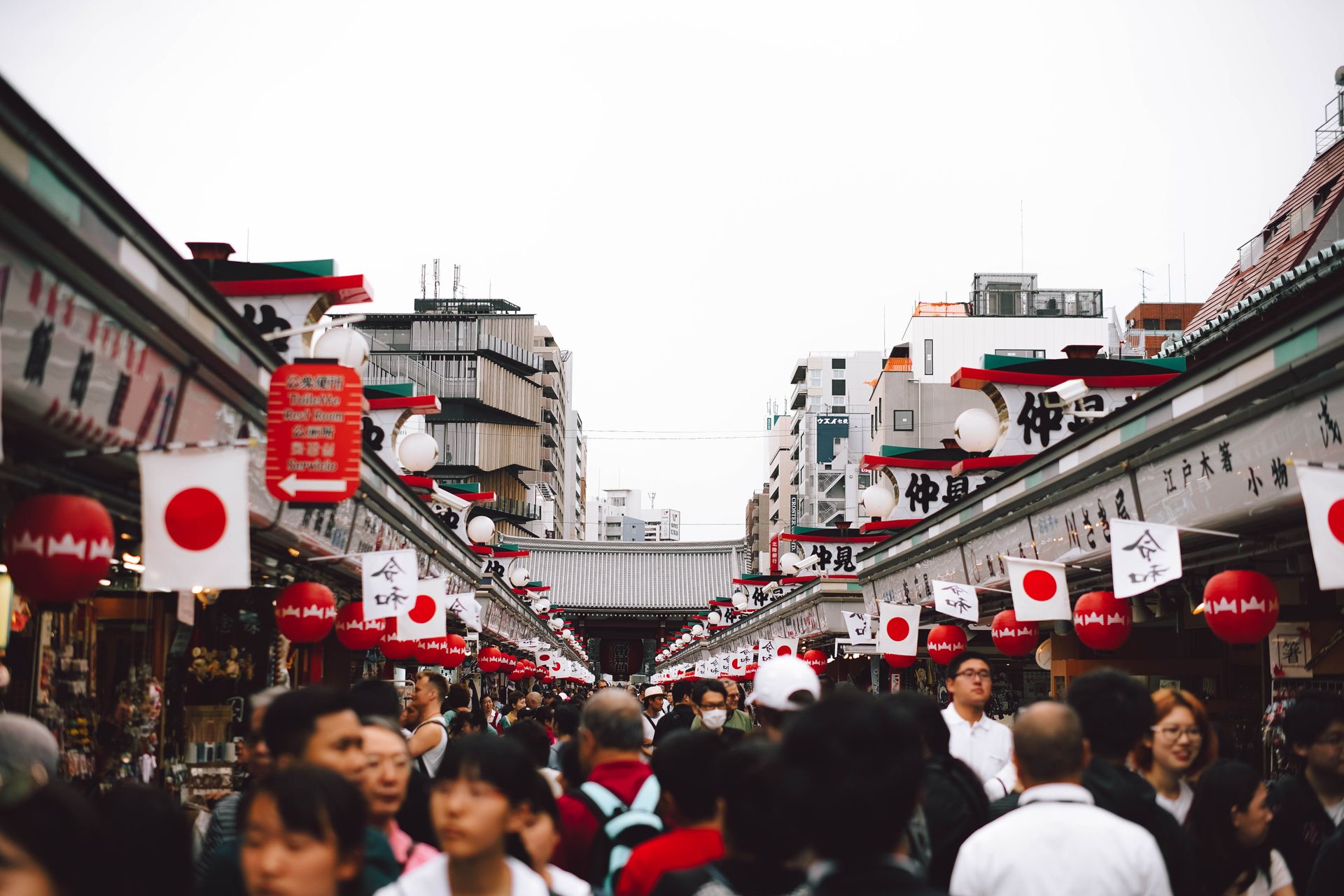
Learn to map your neighbourhood socially. Identify local gathering places: the small café on the corner, the Kōban (local police box), the library or the temple. Observe how residents interact at waste collection points or during morning clean-ups.
The Digital Accelerator
Use platforms such as Meetup, local Facebook groups or neighbourhood apps to identify French-speaking and international events.
- 01 Look for language exchanges
- 02 Sign up for French-speaking events
- 03 Keep up to date via essential apps
2026 tip: Always check the reputation of groups before meeting them in person.
Local Consumption
Choose small local shops rather than large chains. Becoming a "regular" is the easiest way to gain social recognition.
Volunteering and Associations
Giving your time to a local association or helping at a matsuri will immediately establish your legitimacy in the eyes of long-standing residents.
Social Roots Calculator
Assess your current level of local integration and receive personalised advice on taking the next step.
Your Score: 0/60
Volunteering: The passport to visibility
Getting involved in volunteering is one of the most practical ways to build a lasting network. By becoming visible and recognised, you will no longer be "the passing expatriate", but an active member of the community. The social benefits are numerous: a sense of purpose, a dramatic improvement in Japanese proficiency and access to confidential local information (good property deals, mutual support, etc.).
- Take part in your neighbourhood's night-time security patrols (Bōhan).
- Help prepare the Matsuri (carry the Mikoshi or run a food stall).
- Teach French classes at a local community centre (Kōminkan).
"At first, I lived in my own bubble in Minato. Then I moved to a more residential area in Setagaya. I started by always greeting my neighbours when the rubbish was collected. One day, I helped an elderly lady carry her shopping upstairs. Three months later, I was invited to the neighbourhood association meeting (Chonaikai). Today, I feel at home, not just because I sleep here, but because I am part of the local community."
Mistakes to Avoid & Best Practices
For smooth mutual acceptance.
Common Pitfalls
Living on the margins (the expat bubble)
Only spending time with foreigners or in international venues isolates you from local life and creates passive mistrust among local residents.
Imposing your way of life
Japan is a society built on compromise and Wa (harmony). Trying to revolutionise neighbourhood rules as soon as you arrive is the shortest route to conflict.
Forcing your way in
Trying to be “more Japanese than the Japanese” can seem artificial and awkward. Be yourself while remaining respectful.
The Keys to Success
Humility and patience
Integration is a marathon. Repeated small gestures (greetings, punctuality, cleanliness) carry more weight than grand speeches.
Having a “Catalyst” (e.g. a dog)
Taking your pet out or accompanying your children to school provides wonderful opportunities to meet people.
Respecting customs
Even if they differ from your values, try to understand the meaning of local customs before judging them.
Frequently asked questions about integration
Do I have to speak Japanese fluently?
No, but knowing the basics (greetings, saying thank you) is essential. The effort is often appreciated more than perfect results. See our guide to getting by without Japanese.
What is the Chonaikai?
It is the neighbourhood association. It manages local communications, festivals, cleaning and security. Taking part is an excellent way to integrate.
Is it harder to integrate in the city than in the countryside?
In the city (Tokyo), people are busier and relationships more distant, but there is a wide range of community organisations. In the countryside (Inaka), ties are closer and essential, but privacy may be more limited. See our regional guides.
Should I give gifts to my neighbours when I move in?
The tradition of Hikoshi Aisatsu involves giving a small present (towel, soap or tea) to your immediate neighbours when moving into new accommodation.
How can I find volunteering opportunities?
Go to the town hall (Shiyakusho) or check your prefecture’s website. Look for the “Social Welfare Council” (Shakai Fukushi Kyogikai) section.
Are Japanese people open to foreigners?
Japanese society is curious but reserved. The key is to show that you are not there merely to “take”, but also to “contribute”.
How can I help my children integrate?
Enrolling children in local schools is the most powerful catalyst. For more details, read our guide to education in Japan.
Is it considered rude to turn down a local invitation?
It is preferable to take part at least once to show your interest. If you decline, do so with great tact (Enryo).
Are there French-speaking neighbourhoods?
Yes, Kagurazaka in Tokyo is often nicknamed “Little Paris”. See our list of expat neighbourhoods.
Where can I find psychological support if integration is difficult?
There are French-speaking doctors and mutual-support networks to help prevent isolation.
“Independence is collective.”
Ready to put down your own roots in Japan? Join our community to exchange ideas with other residents.