To get online as soon as you land, a Japan eSIM can be installed before you leave, with no need to look for a local SIM card.
What does the word matsuri really mean?
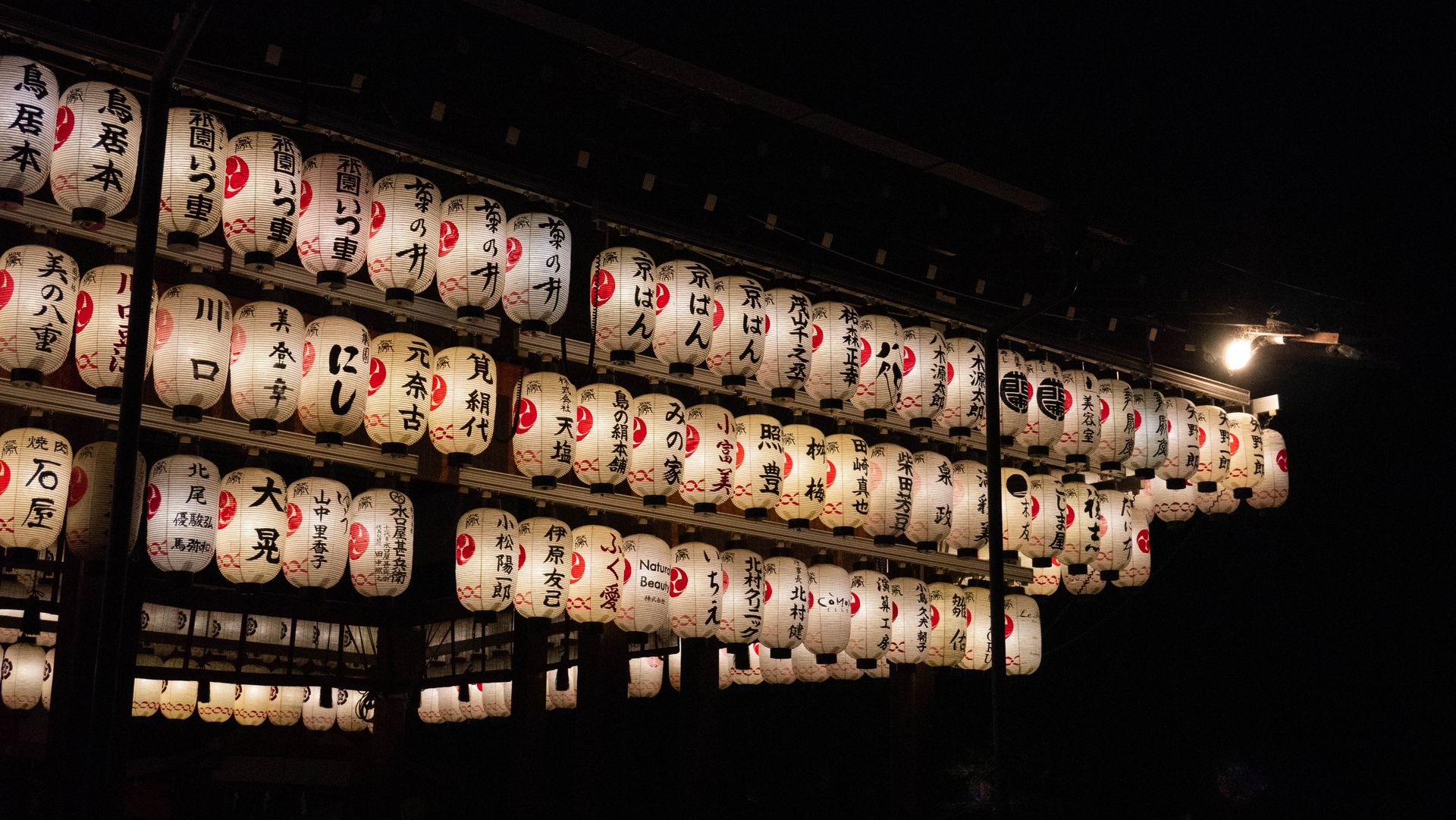
The word matsuri refers to a Japanese festival or celebration. It does not describe a single format: some events are linked to a shrine and a religious calendar, while others mainly showcase a season, neighbourhood, dance, food or local tradition. The word can therefore refer both to a highly structured ceremony and to a lively popular celebration.
The boundary between ritual and entertainment is not always obvious to a visitor. A procession, prayer, mikoshi or offering may take place just a few steps from food stalls, games and performances. Observe the behaviour of local residents and follow the signs before approaching a reserved area.
To explore the different forms of traditional festivals in greater depth, see the guide to matsuri and traditional festivals in Japan. You can then choose an event based on your interests rather than limiting yourself to the best-known major events.
What types of matsuri can you discover?
| Event type | What you may see | Visiting tip |
|---|
| Shrine festival | Processions, purification, prayers and a mikoshi | Keep your distance from participants and respect marked-off areas |
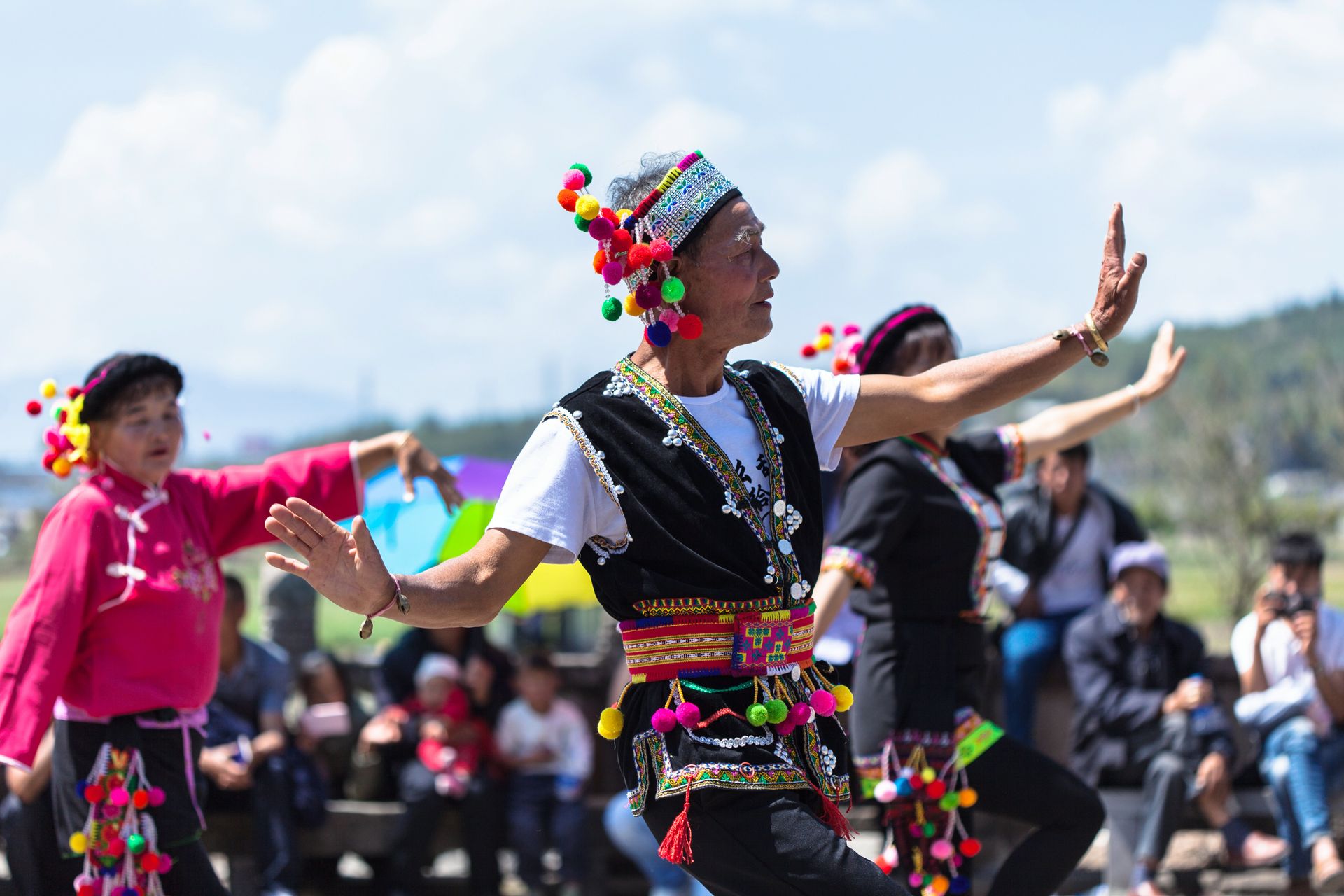
| Dance festival | Group dances, music and regional costumes | Watch the steps first before joining an open circle |
| Seasonal festival | Decorations, activities and specialities associated with the season | Check the weather and the activity times |
| Food festival | Stalls selling local specialities and culinary discoveries | Expect to wait and dispose of your rubbish after eating |
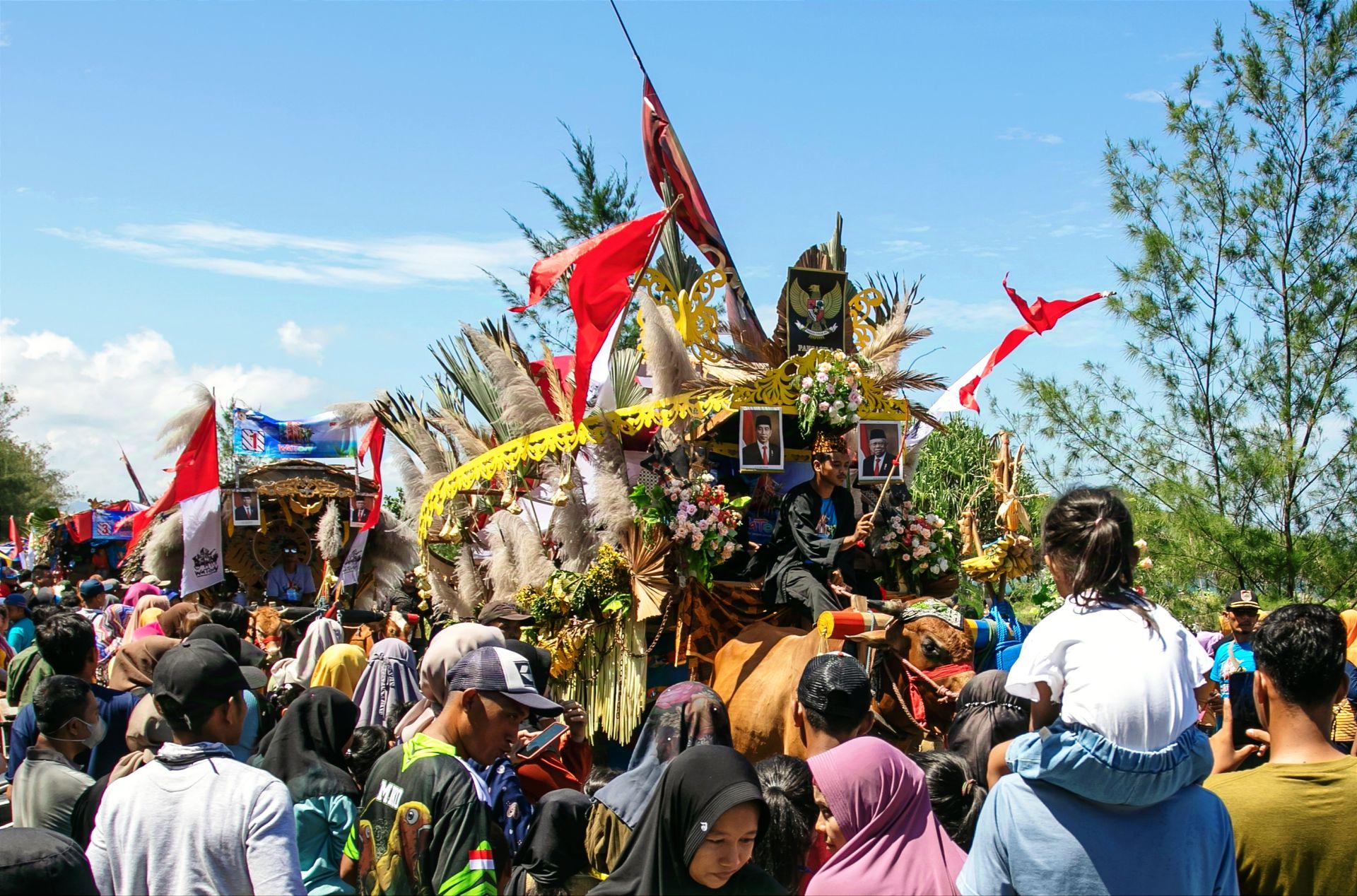
| Large parade | Floats, processions, musicians and large crowds | Locate the entrances, exits and viewing areas |
How can you find a matsuri at the right time?
Small festivals are sometimes announced locally, with posters at stations, shops, town halls, shrines or neighbourhood associations. Information may be published only in Japanese. Note the name of the venue, the date, times, procession starting point and any instructions concerning photos or reservations.
For a well-known event, cross-check information from the organiser, municipality, shrine or tourist office. Dates and programmes may change: check them before setting off, especially if you are coming from another city. Official social media accounts can supplement the poster, but do not replace a reliable local source.
In Marseille, Akimatsuri is presented as a Japanese autumn festival held at Parc Borély. The information provided for the 2026 edition gives the dates as 3 and 4 October: check the programme and arrangements with the organisers before your visit, as this event takes place in France and does not necessarily follow the same rules as a neighbourhood matsuri in Japan.
How should you prepare for your first visit?
Before you set off
- Save the Japanese name of the venue so that you can show it if you need to ask for directions.
- Check the weather and choose suitable footwear for walking, queuing and uneven ground.
- Locate the toilets, lockers, water fountains and exits when a map is available.
- Make sure your phone has enough battery, without blocking passageways to take photos.
- Check whether food, games, seating or certain activities require separate payment.
On site
Start by observing the general layout. Ribbons, barriers, signs and volunteers often indicate passageways and restricted areas. If you do not understand an instruction, ask politely before entering or taking your place. A matsuri is a communal event: let participants pass, avoid stopping in the middle of a flow of people and keep your belongings close to you.
Yatai generally offer food to be eaten in a designated area or away from the flow of people. Check the stall’s instructions, prepare your payment and dispose of your rubbish as indicated. To discover other food-related events, see the guide to food festivals in Japan.
Taking part without being intrusive
You can make the most of a matsuri without taking part in every ritual. The best approach is to distinguish between what is open to visitors and what concerns local residents or worshippers. A group dance announced as open to the public does not require the same precautions as carrying a mikoshi, attending a ceremony or joining a procession.
- Ask before taking a close-up photograph of a person, child, volunteer or group in action.
- Do not use flash if it disturbs a ceremony or other spectators.
- Do not touch a ritual object, float or piece of equipment without being invited to.
- Do not cross a barrier to get a better view.
- Dress for the weather and the setting, without considering a yukata compulsory.
- Leave the site cleanly and follow sorting or collection instructions.
If you live in Japan, a neighbourhood association can explain local customs and volunteering opportunities. Introduce yourself simply, mention your level of Japanese and ask which tasks are open to new participants. Do not agree to carry a mikoshi or help at a stall without knowing the instructions, the effort required and the responsibility involved.
How much should you budget for a matsuri?
There is no single fixed price. Entry to a street festival may be free, while food, drinks, games, souvenirs, transport or a reserved seat involve separate expenses. Prices depend on the location and organiser. Check the official programme and have a backup payment method, as mobile stalls do not always accept cards.
To estimate the cost of your outing, separate transport, purchases on site and optional activities. Do not confuse the price of a reservation with the cost of entry to the event. If you are travelling around Japan for a long time, also compare the journey time and the last-train times so that you are not left without a way to get back.
Mistakes to avoid
- Arriving without checking the exact location when the festival covers several areas.
- Assuming that all activities are accessible or free.
- Photographing a procession while obstructing participants and spectators.
- Wearing shoes that are unsuitable for a long wait or wet ground.
- Wearing traditional clothing without learning the basic rules or respecting the setting.
- Following outdated information without confirming the date with an official source.
Frequently asked questions
What is the definition of a Japanese matsuri�?
A matsuri is a Japanese festival that may be religious, seasonal, cultural or organised by a neighbourhood. It may include a ceremony, procession, music, dancing, food stalls and activities for local residents. The content varies considerably depending on the location and event�: you should therefore check the local programme.
How can you tell whether a matsuri is open to tourists�?
Most publicly advertised events welcome visitors, but some ceremonies or activities remain reserved for local residents. Check the organiser’s information, barriers and signs on site. If in doubt, ask a volunteer before taking part or entering a particular area.
Can you take part in a matsuri without speaking Japanese�?
Yes, you can attend many matsuri without speaking Japanese. However, prepare the name of the location, use a translation app discreetly and observe the visual instructions. To join a dance or help with the organisation, ask first whether you can take part and have the essential movements explained to you.
Do you need to book to attend a matsuri festival�?
Booking depends on the event. General admission may be free, while seating, tours, workshops or viewing areas may require registration. Read the official programme before setting off and check the booking conditions, opening times and payment methods directly with the organiser.
What should you do if a matsuri becomes very crowded�?
Choose a meeting point with your group, keep your phone charged and locate the exits as soon as you arrive. Avoid sudden movements and do not stop in passageways. If you lose someone or feel unwell, speak to a volunteer, security staff or the services present on site.