Traditional Japanese Matsuri Festival
Living in 2026

The Art of Living and
Enjoying Life in Japan

From the lively izakayas of Tokyo to the serenity of Kyoto’s temples, discover how to build a rich and balanced social life as a French-speaking expat.

Social life in Japan revolves around shared activities and regularly attending local events. To integrate as an expat, prioritise neighbourhood clubs, language classes, festivals (matsuri) and nomikai evenings with colleagues or friends. Taking part in collective rituals such as onsens or neighbourhood clean-ups makes it easier to form genuine connections.

French-speaking networks, community centres (Kumin Center) and themed dating apps (Meetup, Facebook groups) can help you find activities suited to your interests, from sport to traditional arts. Even a basic command of Japanese considerably speeds up your social integration.

eSIM: online on arrival

Why is social life the cornerstone of your expat experience?

Moving to Japan in 2026 is no longer just a question of work or a visa. It means total immersion in a culture where the balance between Giri (social duty) and Ninjo (human feelings) defines every interaction. For a French speaker, successful integration inevitably involves understanding the codes surrounding local leisure activities.

Japan offers a range of entertainment that is unique in the world. Whether you enjoy martial arts, are passionate about Japanese cuisine or embrace “Solo-Katsu” (the art of doing activities alone), each prefecture has its own treasures.


Partner Logo Culture Logo Community Logo
Friends in an Izakaya

Explore your future passions

Japan offers an unparalleled variety of activities. Here are the pillars of social life for foreign residents.
Traditional Onsen

Hot Springs (Onsen)

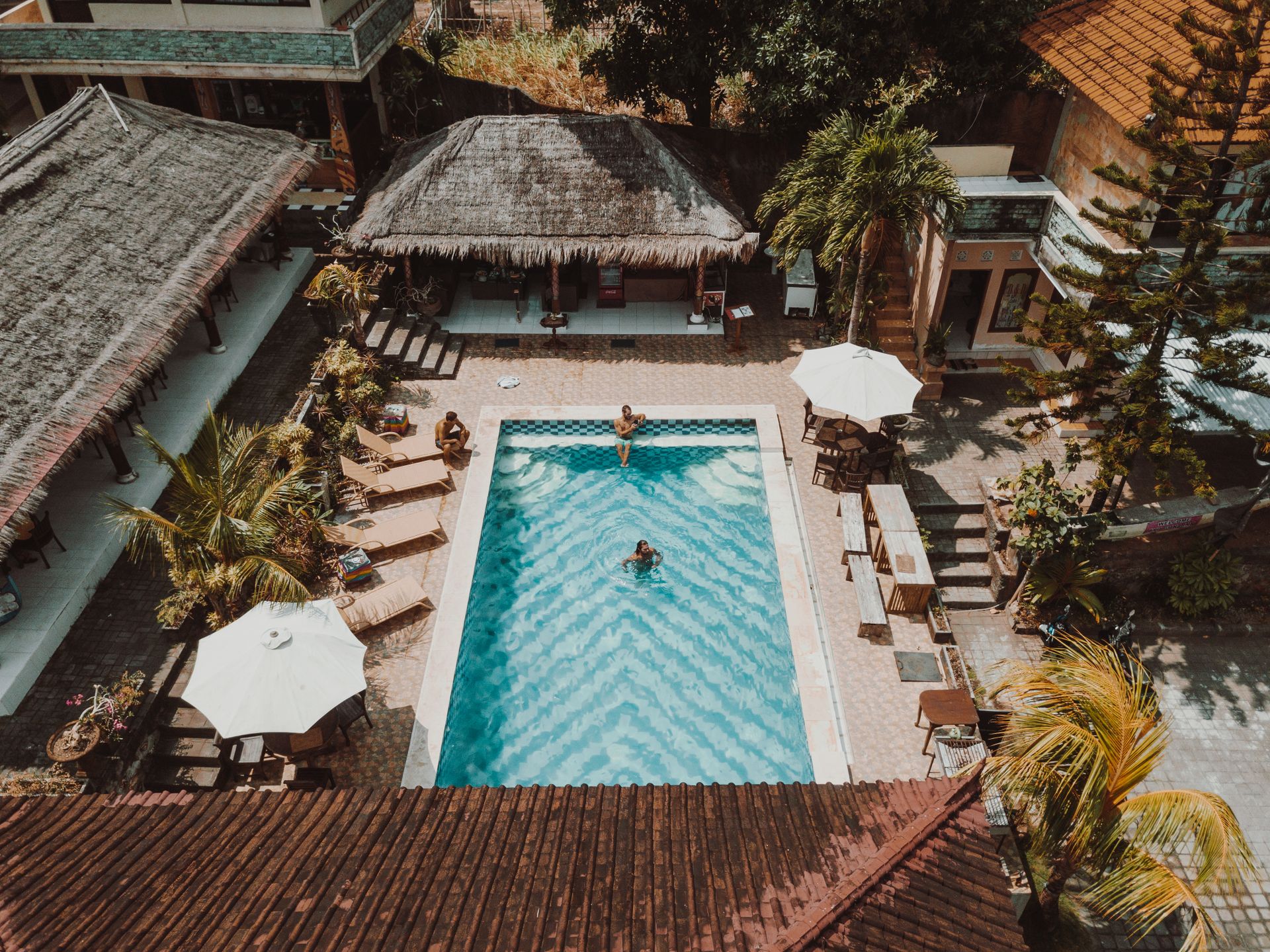
Much more than a bath, it is an essential social and health ritual. Read the guide →

Nightlife

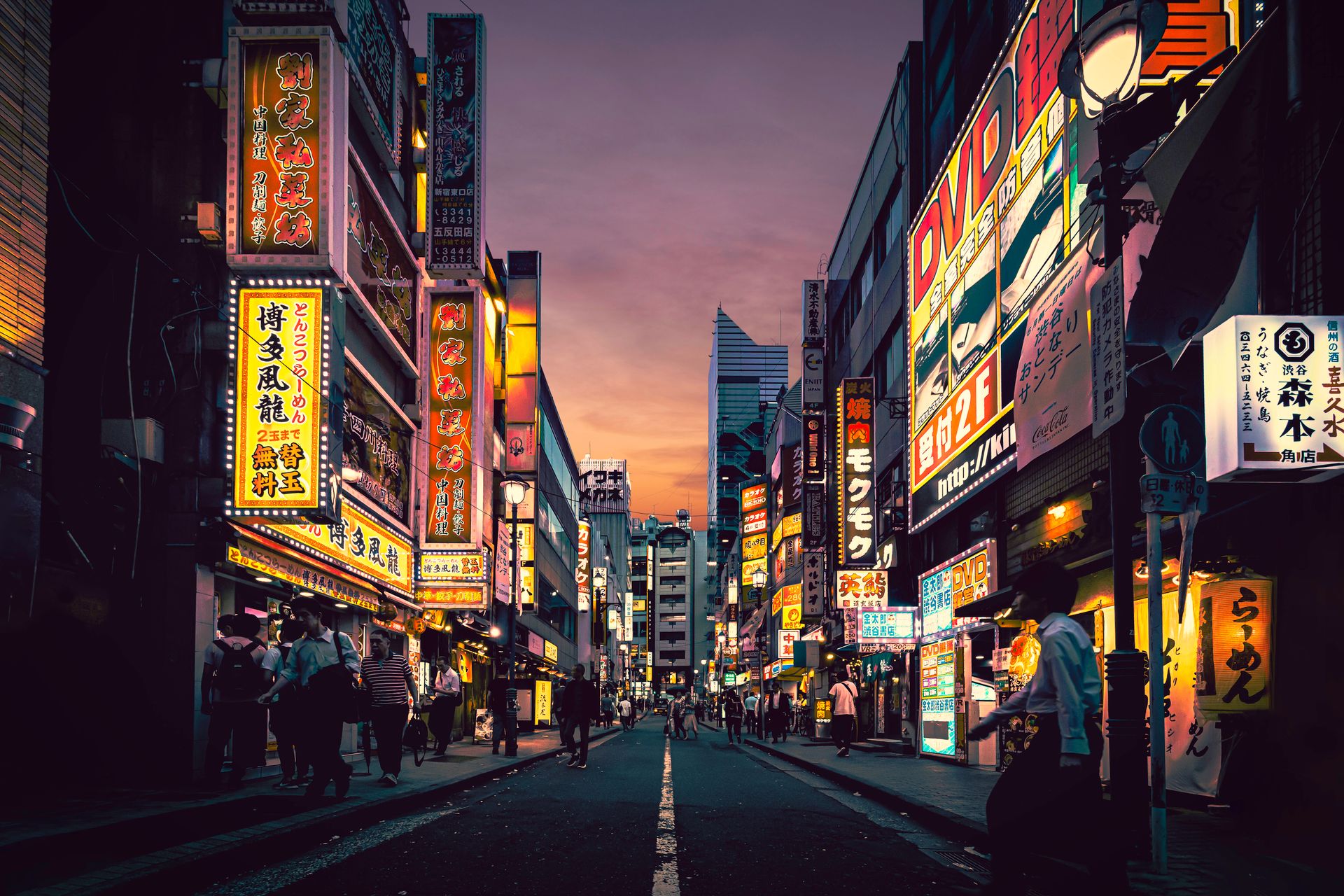
From the bars of Golden Gai to the clubs of Shibuya. A vibrant experience.

Explore
Hiking in Japan

Outdoor & Nature

Hiking around Mount Fuji or skiing in Hokkaido.

Destinations
Matsuri

Don’t miss a single local festival this year.

2026 Calendar
Calligraphy

Traditional Arts

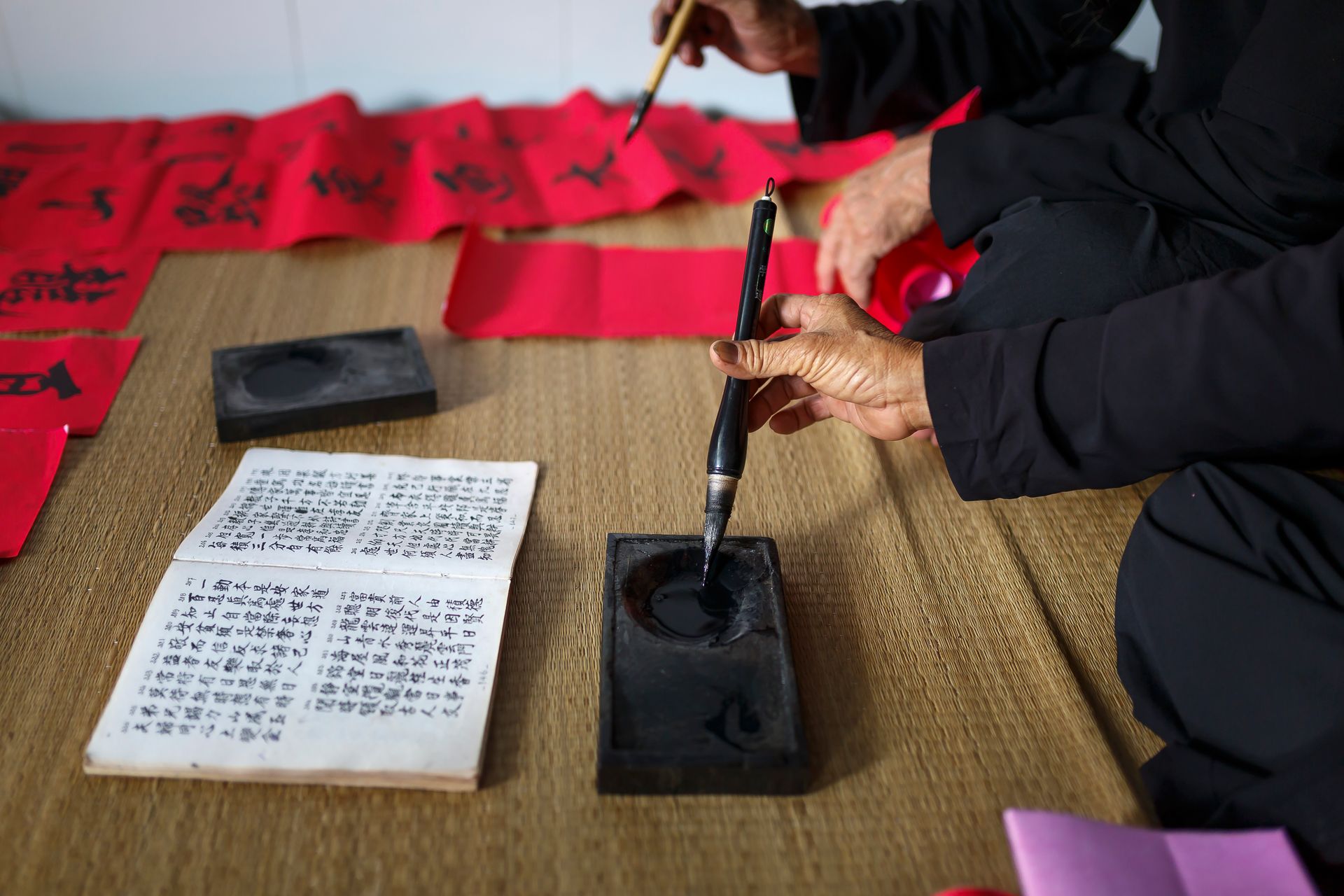
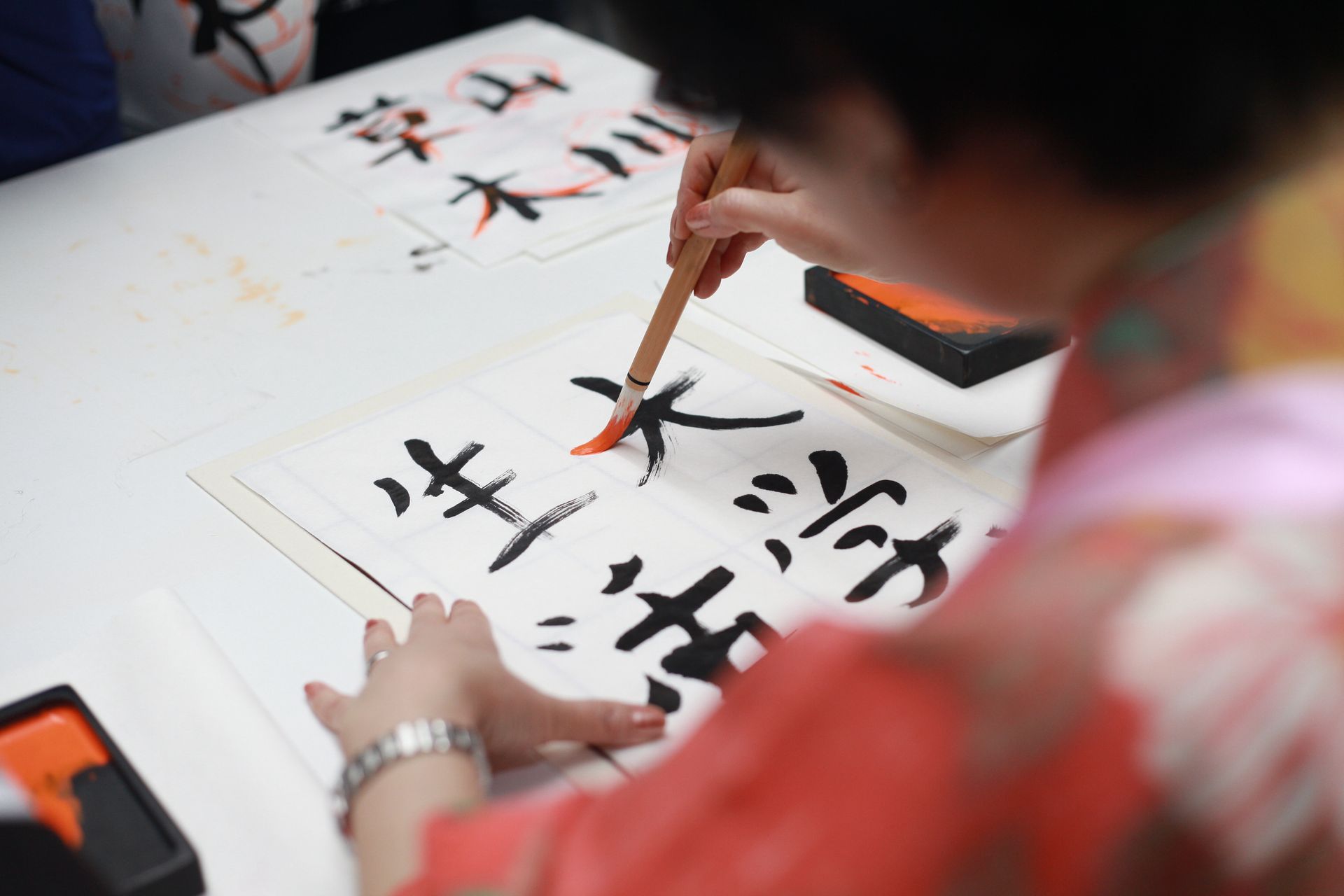
Learn calligraphy, ikebana or take part in a tea ceremony.

Understanding social dynamics: from observation to participation

Social integration in Japan can seem daunting for a newcomer. You will often hear about the distinction between Honne (what you really think) and Tatemae (what you show in public). In 2026, although attitudes are becoming more transparent, these concepts remain fundamental to navigating interpersonal relationships.

The crucial role of Nomikai

The Nomikai (a drinking evening with colleagues or friends) is often considered the real office. It is one of the rare occasions when the hierarchy relaxes and people loosen up thanks to alcohol (or non-alcoholic drinks, which are increasingly popular). Taking part in these events, even without drinking excessively, is a sign of respect and a gateway to genuine friendships.

“In Japan, you don’t become friends over a coffee in 30 minutes. Mutual trust is built through shared experiences, time and regularly attending neighbourhood events.”

To make this process easier, we recommend consulting our advice on Japanese customs to know and non-verbal communication. These tools are your best allies for avoiding faux pas.

2026 Leisure Budget Calculator

The cost of living varies enormously between Tokyo, Osaka and rural areas. Use our tool to estimate your monthly budget for outings and cultural activities.

Rarely 4 times Often

Monthly Estimate

0 ¥

This amount includes your typical outings, leisure transport and regular subscriptions.

  • Realistic budget for 2026
  • Allow for a 15% safety margin
  • Consider group savings (Nomihoudai)

Note: Based on average prices observed in the first half of 2026.

How do you make friends in Japan?

1

The power of language

Even though English is becoming more widely spoken, speaking Japanese radically changes your experience. Enrol in a school or use resources for beginners.

2

French-speaking networks

Don’t stay on your own. Join French-speaking associations or take part in meet-up cafés to share your experiences.

3

Local integration

Take part in neighbourhood clean-ups or events organised by your local council. Consult our guide to community integration.

Meet your new expat family

The social network of French people in Japan is one of the closest-knit in Asia. Whether you live in Tokyo or Kyoto, there are hubs where the language of Molière still resonates. In 2026, new digital platforms are making it easier to connect.

  • ✅ Exclusive access to French-speaking neighbourhoods.
  • ✅ Themed meet-ups (food, hiking, tech).
  • ✅ Emotional support and practical advice for everyday life.
View the Services Directory
Group of friends in Tokyo

Leisure: Comparing Major Cities

Where should you settle based on your social life preferences?

Criterion Tokyo Osaka Kyoto Regions
Range of leisure activities ★★★★★ (Endless) ★★★★☆ (Popular) ★★★☆☆ (Cultural) ★★☆☆☆ (Nature)
Nightlife Elite Warm and welcoming Peaceful Limited
Average Cost of an Outing 6000 ¥ + 4500 ¥ 5000 ¥ 3000 ¥
Local open-mindedness International Very friendly Traditional Authentic

For more details about geography, see our guide to the regions.

To book tours and activities in Japan ahead, see the options on Klook.

Frequently Asked Questions (FAQ)

Is it difficult to make Japanese friends? ▼
It takes time and patience. Japanese friendships are built over time and through regular contact. Showing an interest in the culture and speaking a little Japanese makes things much easier.
What is “Nomihoudai”? ▼
It is an “all-you-can-drink” package for a set period (usually 90 or 120 minutes), very common in izakayas. It is ideal for keeping your going-out budget under control.
Can you go to karaoke alone? ▼
Absolutely! “Hitori-Kara” is very popular in Japan. Some specialist chains even offer individual booths where you can practise your favourite songs without being judged.
Are tattoos accepted in onsens? ▼
More and more establishments accept tattoos or sell patches to cover them. However, many traditional onsens still ban them. Always check the rules before you go.
How can you find French-speaking events? ▼
Check our French-speaking Events page or sign up to sites such as Meetup, which are full of French-Japanese discussion groups.
What free or inexpensive activities are available? ▼
Visiting public parks and free temples, browsing the shops in Akihabara or taking part in local festivals (matsuri) are excellent ways to have fun without breaking the bank.
Is it frowned upon to eat alone in a restaurant? ▼
Not at all. Eating alone is deeply rooted in the culture, especially at lunchtime or when eating ramen. Many establishments have individual counters designed for this purpose.
How can you join a local sports club? ▼
Ask at your local community centre (Kumin Center). They often offer judo, karate or yoga classes at very attractive prices.
What is “Gocon”? ▼
It is a group blind date where an equal number of men and women meet in a restaurant to get to know one another. It is a common way to meet potential new partners.
Where can you buy second-hand leisure equipment? ▼

“Book-Off Super Bazaar” and “Hard-Off” shops are goldmines for finding musical instruments, sports equipment and camping gear at low prices. See our guide to shopping.
Neon in Japan

To get online as soon as you land, a Japan eSIM can be installed before you leave, with no need to look for a local SIM card.

Ready to experience the Japanese adventure?

Don’t remain a mere spectator. Take an active role in your new life. Sign up to our newsletter to receive the best leisure tips every week.

More than 25,000 expats trust us in 2026.

Updated on

Cultural and artistic activities for getting settled in

Japan offers a wealth of cultural activities that are accessible to expats. Traditional arts classes (ikebana, calligraphy and tea ceremony) are often held in small groups and encourage interaction. You can enquire at municipal cultural centres or visit our page on an introduction to Japanese traditions.

Japanese cooking workshops, bilingual book clubs and traditional dance classes (bon-odori) are excellent ways to meet locals and other expats. These structured activities help overcome the language barrier through shared practice.

Clubs and associations for expats

Japan’s major cities are home to many French-speaking, English-speaking and international associations. These groups organise cultural outings, hikes, board game evenings and sake tastings. They provide a valuable social safety net during your first few months.

Franco-Japanese chambers of commerce, French institutes and themed Meetup groups (photography, technology and parenting) offer regular opportunities to build connections. Don’t hesitate to try several groups before finding one that suits your personality.

Sports and outdoor activities

Japan has excellent sports facilities. Municipal sports centres offer swimming, tennis, badminton and yoga classes at very affordable prices. Registration is generally by term, with sessions for all levels.

Hiking clubs attract many expats. Japan’s mountains offer marked trails for all levels, from Mount Takao, accessible from Tokyo, to the peaks of the Japanese Alps. These group outings build strong connections and provide an opportunity to discover lesser-known regions.

Martial arts and traditional disciplines

Practising a Japanese martial art (judo, karate, kendo or aikido) helps with integration and understanding local values. Dojos are happy to welcome motivated foreigners. Respect for the sensei and regular attendance matter more than your initial level.

Some dojos offer classes in English or accept beginners who do not speak Japanese. Ask at your local town hall or check the noticeboards at community centres to find a club near you.

Nightlife and socialising

Izakayas, sake bars and neighbourhood restaurants are at the heart of Japanese social life. Nomihoudai packages (all-you-can-drink) help you keep your budget under control while enjoying long evenings with friends or colleagues.

Neighbourhoods such as Shinjuku Golden Gai in Tokyo, Dotonbori in Osaka and Pontocho in Kyoto offer unique atmospheres. Every city has its favourite spots among expats, where you regularly see the same faces, making it easier to form lasting connections.

Karaoke and popular entertainment

Karaoke plays a central role in Japanese leisure. Chains such as Karaoke-kan and Big Echo offer rooms of all sizes, attractive hourly packages and varied menus. Going to karaoke alone (hitori-kara) is perfectly acceptable.

Game centres, themed cafés (cats, owls and manga) and cinemas with premium seats offer other entertainment options. These venues are ideal for outings with friends and informal first dates.

Local events and festivals

Taking part in the matsuri (festivals) in your neighbourhood is a unique opportunity to become part of the community. These events bring the whole community together for parades, food stalls and traditional performances. Your presence will be noticed and appreciated.

Neighbourhood clean-ups (seisou), neighbourhood associations (chonaikai) and seasonal ceremonies help build social connections. By volunteering, you show your commitment to the community, naturally opening doors to local friendships.

Calendar of major annual events

PeriodEventType of activitySocial opportunity
JanuaryHatsumodeFirst temple visitHigh
March–AprilHanamiCherry blossom viewingVery high
July–AugustSummer matsuriNeighbourhood festivalsVery high
OctoberUndokaiLocal sports festivalsMedium
DecemberBonenkaiEnd-of-year partiesHigh

Building lasting friendships

Japanese friendships develop slowly but solidly. Consistency matters more than intensity: it is better to take part modestly but regularly in an activity than to attend many times on an occasional basis. This consistency demonstrates your seriousness and commitment.

Respecting social conventions makes acceptance easier. Arriving on time, bringing a small gift (omiyage) back from a trip, expressing sincere thanks and avoiding overly personal topics at the start of a relationship are all appreciated signs of respect. To explore these aspects further, see our guide to integrating into life in Japan.

Overcoming the language barrier

Speaking Japanese radically transforms your social experience. Even beginner-level skills show your willingness to integrate and open up conversations that would otherwise be impossible. Group language classes also encourage encounters between learners from different countries.

If you do not speak Japanese yet, our page on living in Japan without a language barrier offers practical strategies. Language-exchange apps (tandem) allow you to practise while making friends with local people who are curious about foreign cultures.

Adapting your leisure activities to the city

Every Japanese city has a distinct personality that influences social life. Tokyo offers endless variety but can seem impersonal. Osaka stands out for its warmth and sense of humour. Kyoto favours cultural and traditional activities.

Smaller cities and rural areas offer faster integration and stronger community ties, but less variety in activities. Your choice of where to live should take your social priorities and personality into account. Explore our general guide to choosing where to live in Japan.

Leisure costs by region

Your leisure budget varies considerably depending on where you live. In Tokyo, an evening at an izakaya costs between 4000 and 8000 yen per person, compared with 3000 to 5000 yen in Fukuoka. Municipal sports memberships remain affordable everywhere, generally costing between 3000 and 6000 yen per quarter.

Free or inexpensive activities are plentiful: public parks, temples with no admission fee, neighbourhood festivals, hikes and municipal libraries with comfortable reading areas. With a little research, you can maintain a rich social life without blowing your budget.

Social networks and online communities

French-speaking Facebook groups in Japan have several thousand active members. They share tips, events and practical advice, and regularly organise in-person meet-ups. These online communities make it much easier for newly arrived French-speaking expats to settle in.

Apps such as Meetup, HelloTalk and Tandem connect people with shared interests. Specialist forums and themed Discord servers (video games, photography and cooking) make it possible to find activity companions even before you arrive in Japan.

Frequently asked questions

How long does it take to make real friends in Japan?

It generally takes between six months and a year of regularly attending an activity or group to develop genuine friendships. Japanese people favour trust built over time. Your commitment and respect for social conventions will speed up the process.

Do single expats find it easy to meet partners in Japan?

Dating apps (Pairs, Omiai and Tinder) work well in large cities. Gocon (group blind dates) and international speed-dating events offer other opportunities. The language barrier and cultural differences require patience and an open mind from both sides.

Can you take part in leisure activities without speaking Japanese?

Yes, especially in large cities, where many clubs welcome non-Japanese speakers. Sports and artistic activities, as well as expat groups, often operate in English or French. However, learning Japanese greatly enriches your experience and multiplies your social opportunities.

How can you manage the gap between an intense professional life and your social life?

Set clear priorities and block out weekly time slots dedicated to leisure. Morning activities (yoga classes and running clubs) or weekend activities can help you maintain your balance. Learn to politely decline some work-related invitations to protect your personal time without offending your colleagues.

Do families with children easily find suitable activities?

Parks, children’s libraries, community centres and parent groups (particularly French-speaking ones) offer a wide range of family activities. International schools regularly organise events that make it easier for expat families facing the same integration challenges to meet.

What social faux pas should you absolutely avoid when going out?

Avoid arriving late, systematically refusing alcohol at nomikai (accept at least one symbolic glass), speaking too loudly on public transport or in restaurants, and openly criticising Japan. Show gratitude, thank people generously and respect local etiquette rules to <a href="https://vivre-au-japon.com/culture-vie-quotidienne">master daily life</a>.