Children's Workshops
Bilingual storytelling, introductions to Creole cooking and drawing workshops. A space is dedicated to families every weekend.
See family tips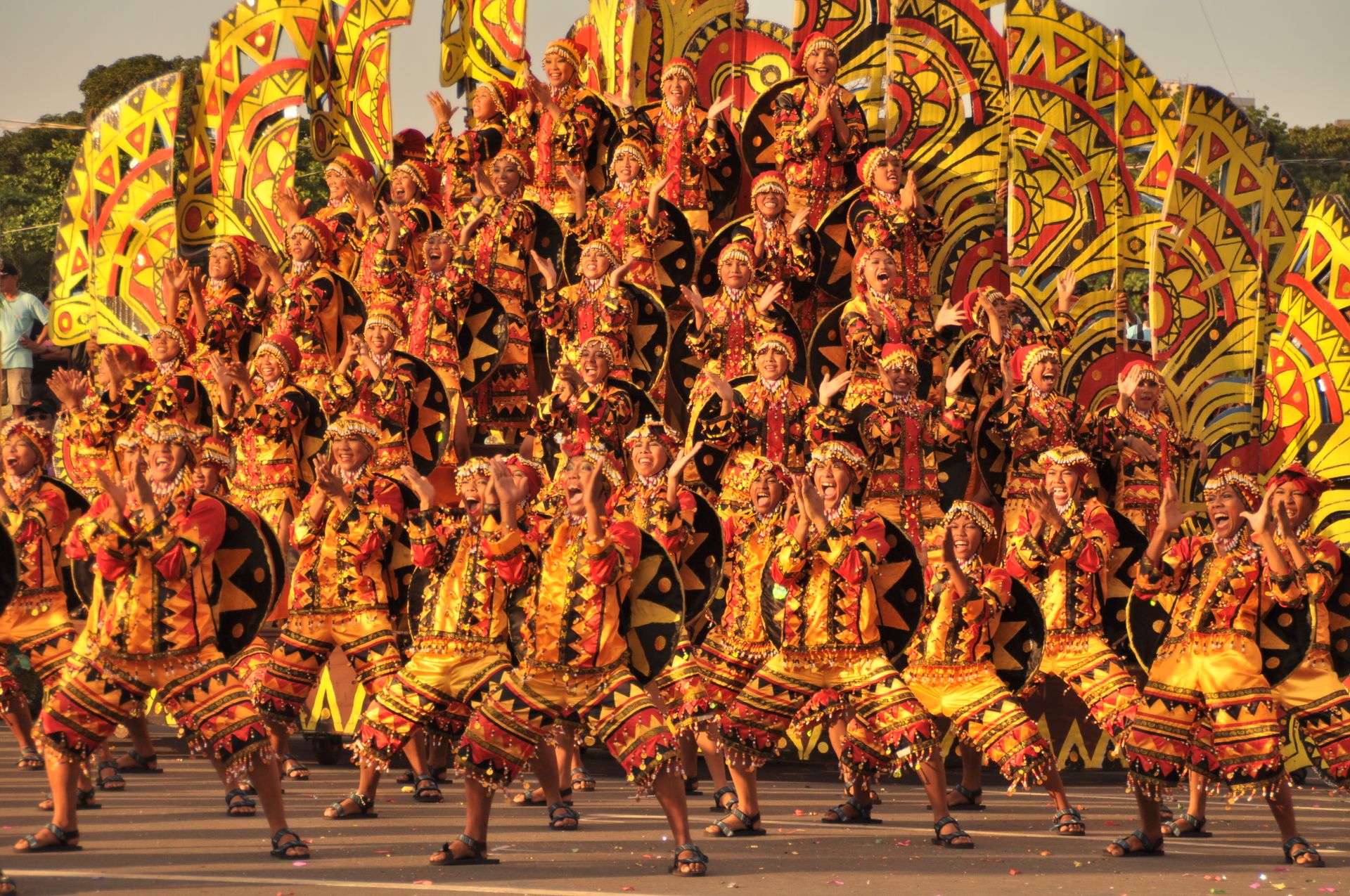
From 22 March to 20 April 2026, immerse yourself in an exceptional programme celebrating the diversity of French-speaking cultures from Kyoto to Tokyo.
The 2026 Month of Francophonie in Japan takes place from 22 March to 20 April 2026, around International Francophonie Day on 20 March. The programme brings together cultural, artistic, scientific and family events in Tokyo, Kyoto and Osaka, with activities in French, bilingual activities or activities accompanied by materials in Japanese.
To make the most of the festival, check the official programme for each venue and verify the language, times, access conditions and whether booking is required. Events do not all follow the same arrangements: an open conference may take place alongside a workshop or a performance requiring advance registration.

This year, the festival revolves around a fundamental concept: passing it on. In a constantly changing world, marked by growing geopolitical and environmental challenges, how do we pass on our knowledge, languages and heritage?
Here, passing things on is seen as a bridge between the past and the present, but also as an unbreakable link between the individual and the collective. Through talks, workshops and performances, we explore the ancestral gestures and new words shaping the global French-speaking world.
"Passing something on is not simply bequeathing an object or a language; it is offering the keys to mutual understanding beyond borders."
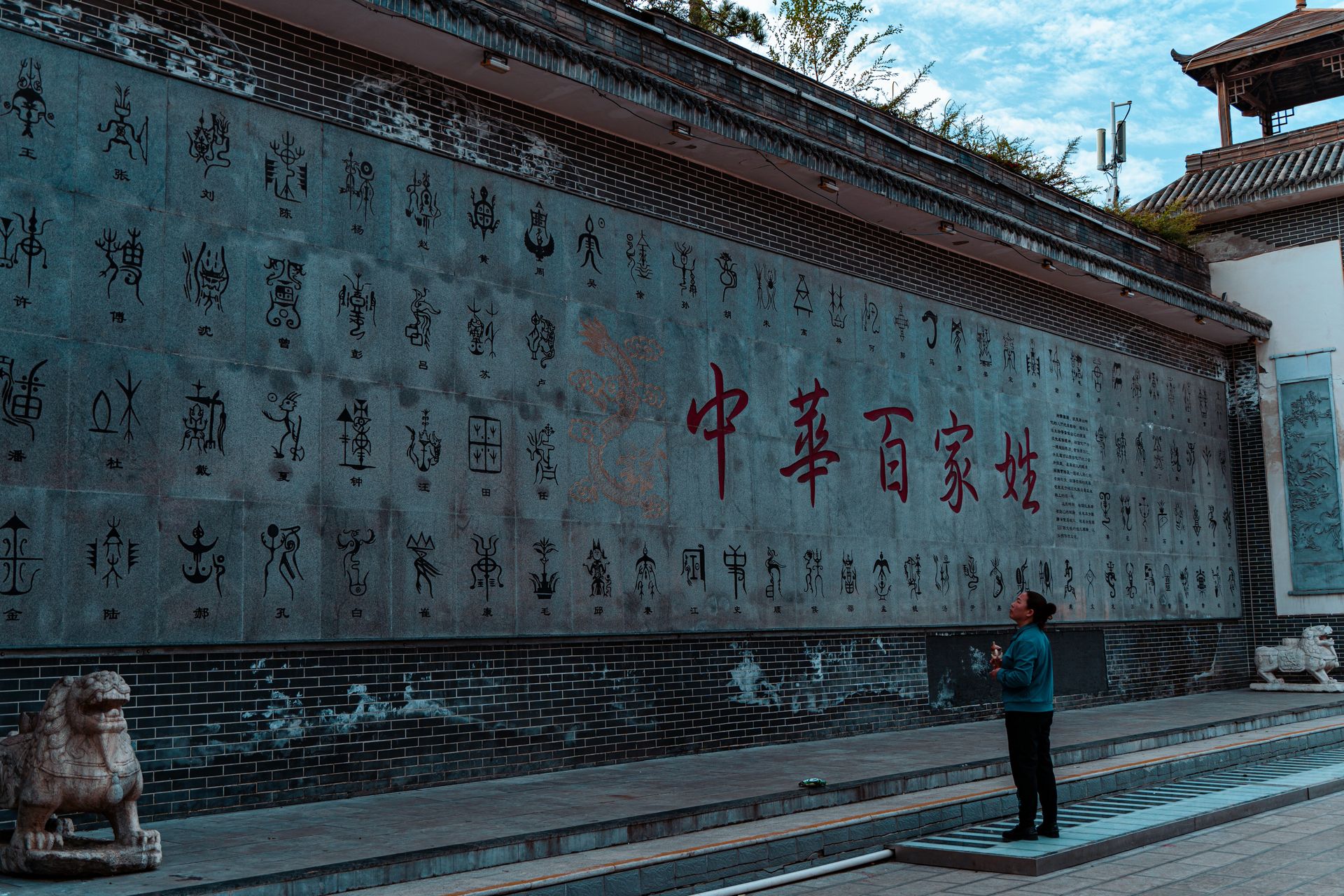
Arts, science, gastronomy and education: discover the wealth of contributions from France, Quebec, Belgium, Switzerland and Africa.
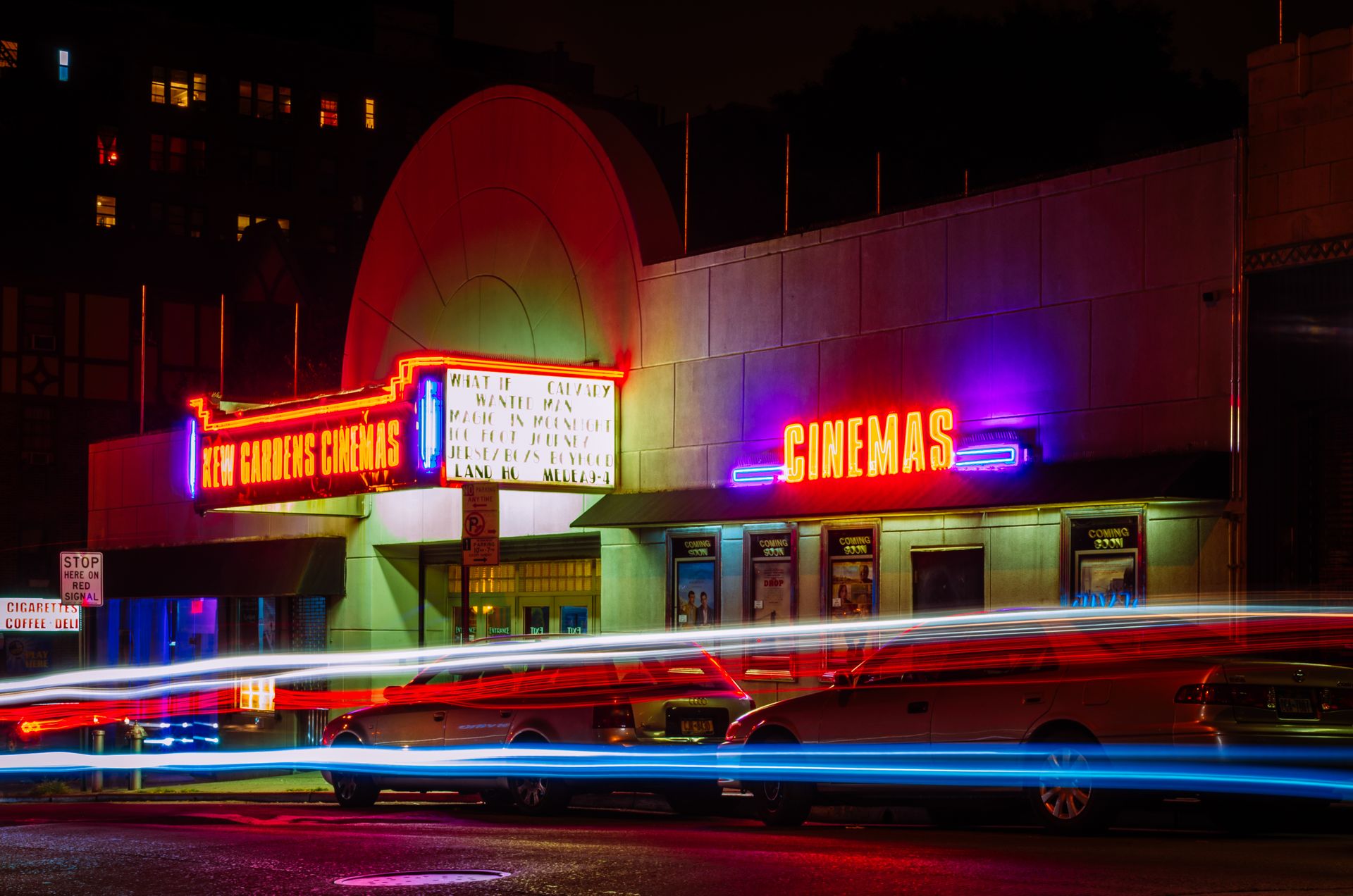
A focus on contemporary documentary cinema exploring themes of identity and exile. Screenings followed by discussions with the directors in Tokyo and Kyoto.
Craft markets and cookery workshops: discover the flavours of the Caribbean and French-speaking Africa in the heart of Osaka.
Find out moreA fusion of traditional Japanese theatre and modern French-language drama. Giant puppet performance.
Talks on the evolution of the French language in technological environments. In partnership with local Japanese institutions.
Language learning →Introductory sessions for all levels throughout April at the Institut Français.
Estimate your participation costs and optimise your schedule for the Month of Francophonie.
Total Budget
0 ¥
Estimated Time
0 H
Located in Kyoto and Osaka, the Institut Français du Kansai plays a pivotal role in organising these festivities. For over half a century, this institution has been a constant meeting place between French culture and Japanese sensibilities.
For this 2026 edition, the focus is on the performing arts. Alongside film and music, less conventional forms of expression such as object theatre and digital arts are being showcased. These artistic choices aim to reach a younger audience while maintaining a high standard of academic quality.
The festival is not limited to France. It includes delegations from Quebec, Belgium, Switzerland and several countries in French-speaking Africa. This diversity makes it possible to compare different perspectives on the French language, whether in terms of its linguistic structure or its poetic power.
For those wishing to get more involved in local life, we recommend visiting our page on French-speaking neighbourhoods to find permanent meeting places.
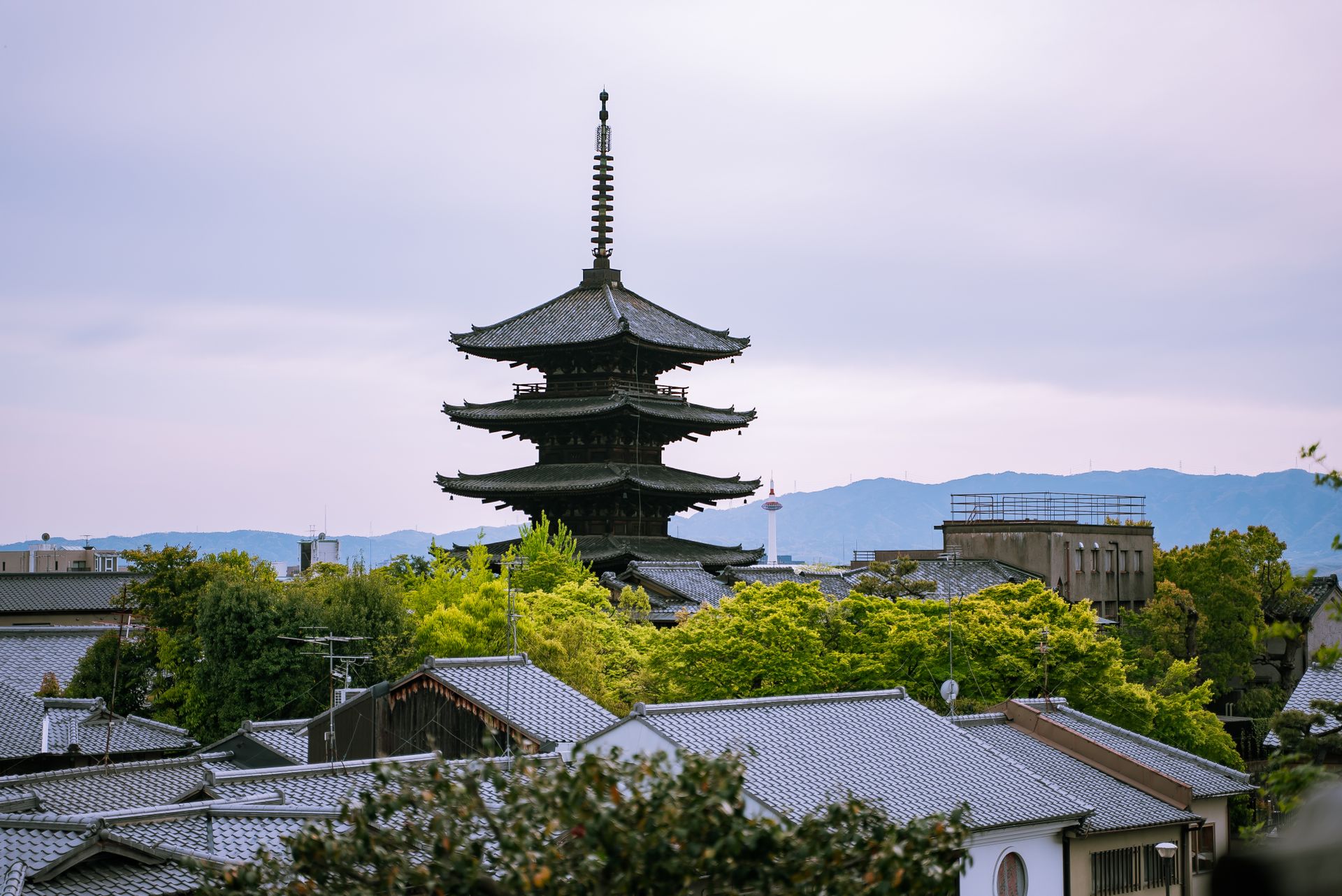


Bilingual storytelling, introductions to Creole cooking and drawing workshops. A space is dedicated to families every weekend.
See family tipsSale of French-speaking crafts, regional produce and a pop-up bookshop. Ideal for finding unique gifts.
Shopping GuideMeet other expats and French-speaking Japanese people in a relaxed atmosphere. Registration recommended.
Taking part in the Month of Francophonie made me feel less alone when I arrived in Kyoto. The cookery workshops are a real treat and make it easy to break the ice.

Marc L.
Expat for 2 years
The mix of traditional Japanese culture and Francophonie is fascinating. The Noh play in French was an unforgettable spiritual experience.

Yumi K.
Literature Student
The Month of Francophonie in Japan takes place from 22 March to 20 April 2026.
The programme is mixed. Many talks, screenings and exhibitions are free. Theatre performances and some gastronomy workshops are paid and require advance booking.
No. Most events are held in French or are bilingual (with interpretation or Japanese subtitles).
The main hubs are the Institut Français du Kansai (Kyoto/Osaka), the Maison Franco-Japonaise in Tokyo, and various local cultural centres.
Absolutely! Special workshops for young audiences are held every Wednesday and Saturday afternoon.
Registration is generally done online via the official Institut Français du Japon website or directly at the reception desk of the participating venues.
They include the Embassy of France, the Bureau du Québec in Tokyo, the embassies of Switzerland and Belgium, and several representatives from West Africa.
Yes, the organisers are often looking for bilingual volunteers to help with reception and logistics. Contact your local Institut Français 2 months before the opening.
Some scientific conferences and literary debates are streamed live on the Institut's social media channels.
Programme booklets are available free of charge at the Instituts Français, Alliances Françaises and some French-language libraries.

To get online as soon as you land, a Japan eSIM can be installed before you leave, with no need to look for a local SIM card.
Join Japan's Francophone community for a month of unforgettable celebrations, shared experiences and discoveries.
Updated on
Le Mois de la Francophonie au Japon brings together events organised by several institutions and partners. It is therefore not a single venue or a continuous activity that you can visit without planning. Your first step is to identify the events that interest you, then confirm the details with the relevant organiser.
Times and availability may vary between cities. The official Institut français du Japon page remains the reference point for changes, bookings and practical information. Checking just before travelling will help you avoid turning up for a session that is full or has been moved.
The programme is aimed at a range of audiences: French speakers living in Japan, travellers, students, families, Japanese people learning French and anyone simply curious to discover Francophone cultures. You can build a day around a particular theme or choose a single event between two visits.
The festival is not limited to French culture. Events may bring together cultural expressions from Québec, Belgium, Switzerland and French-speaking African countries with Japanese artists and institutions. This approach allows you to hear different accents, compare cultural practices and better understand the diversity of the Francophone world.
Conferences, talks and workshops offer a more accessible setting than a traditional class for practising listening and starting conversations. If you are a beginner in French, prioritise events advertised as bilingual or accompanied by Japanese-language support. If you are already comfortable with the language, debates and professional meetings can make it easier to connect with residents, students and Francophiles.
The programme includes cinema, performing arts, theatre, Nô, digital arts, gastronomy, science and language. The different formats do not all require the same level of commitment: a screening offers a relaxed introduction, while a workshop or evening event encourages greater participation and interaction.
Tokyo, Kyoto and Osaka cannot be explored in the same way. If you are travelling between several cities, group your activities by area to limit travel time. For a short trip, start with events whose date and location already fit your itinerary. For a longer stay, keep some flexibility in your schedule: some events may require booking or become fully booked.
The time of year you choose may also affect your plans. To prepare for travelling around Tokyo, see the guidance on Tokyo weather by month. If you are staying in the capital for several days, also compare accommodation options suited to your budget, such as a capsule hotel in Japan.
The information available on the page indicates a mixed programme, with free conferences and paid activities. The amounts shown in the simulator relate to certain example activities and do not replace the terms provided by each organiser. Be sure to check the price, any additional fees and the payment method before confirming your registration.
| What to check | Why check it |
|---|---|
| Price | Terms may vary depending on the activity and venue. |
| Booking | A workshop or performance may require advance registration. |
| Language | The level of French required is not the same for a conference, screening or workshop. |
| Access | Events are spread across several institutions and cities. |
| Audience | Arrangements may differ for children, groups and families. |
If you are staying in Japan as part of a longer-term project, the Japan Working Holiday Visa may apply to your situation depending on your nationality and plans. For day-to-day expenses, do not confuse the festival budget with the overall cost of your stay: transport, meals, accommodation and activities are additional costs.
Children’s workshops, bilingual storytelling sessions and creative activities may be suitable for a family outing. Before travelling to the venue, check the recommended age, duration, whether adult supervision is required and whether places are available. An activity advertised as family-friendly does not necessarily have the same admission conditions as a freely accessible space.
For French-speaking expats and travellers, these events can also provide an opportunity to meet others. Evenings and workshops make it easier to connect, but active participation is not compulsory. You can come alone, attend a talk or start with a cultural activity before joining a more sociable gathering.
The festival may inspire you to continue exploring French-speaking culture in Japan. Cultural institutions, libraries, educational establishments and local associations are all worth looking into. To continue the theme of cultural exchange, you can also discover matcha and the tea ceremony in Japan, bearing in mind that admission conditions vary from one venue to another.
Finally, share only information confirmed by the organisers. Dates, venues, times and arrangements may change during the festival period. Checking the official source before each activity remains the best way to plan a reliable outing.
Yes, some events are bilingual or accompanied by interpretation or Japanese subtitles. However, the level required depends on the activity. Read each event’s description to choose an accessible format, such as a screening, a family event or an introductory activity.
This is possible if the times, locations and journey times are compatible. Avoid scheduling two activities too close together, especially when booking or entry checks are required. A more flexible programme also gives you some leeway in case of transport disruption.
Check the recommended age, times, duration and whether an accompanying adult is required. Children’s workshops and family activities are the most suitable options, but places may be limited. The exact conditions should be confirmed with the organising venue.
No. Le Mois de la Francophonie brings together a programme spread across several venues and partners in Japan. Access rules, bookings, prices and languages used may therefore vary from one event to another. Check the listing corresponding precisely to the activity you have chosen.
Check whether a waiting list, another session or a broadcast is available. You can also choose an event on the same theme in another city or at another venue. The information available may change: check the official page regularly and do not travel until your attendance has been confirmed.
To book tours and activities in Japan ahead, see the options on Klook.