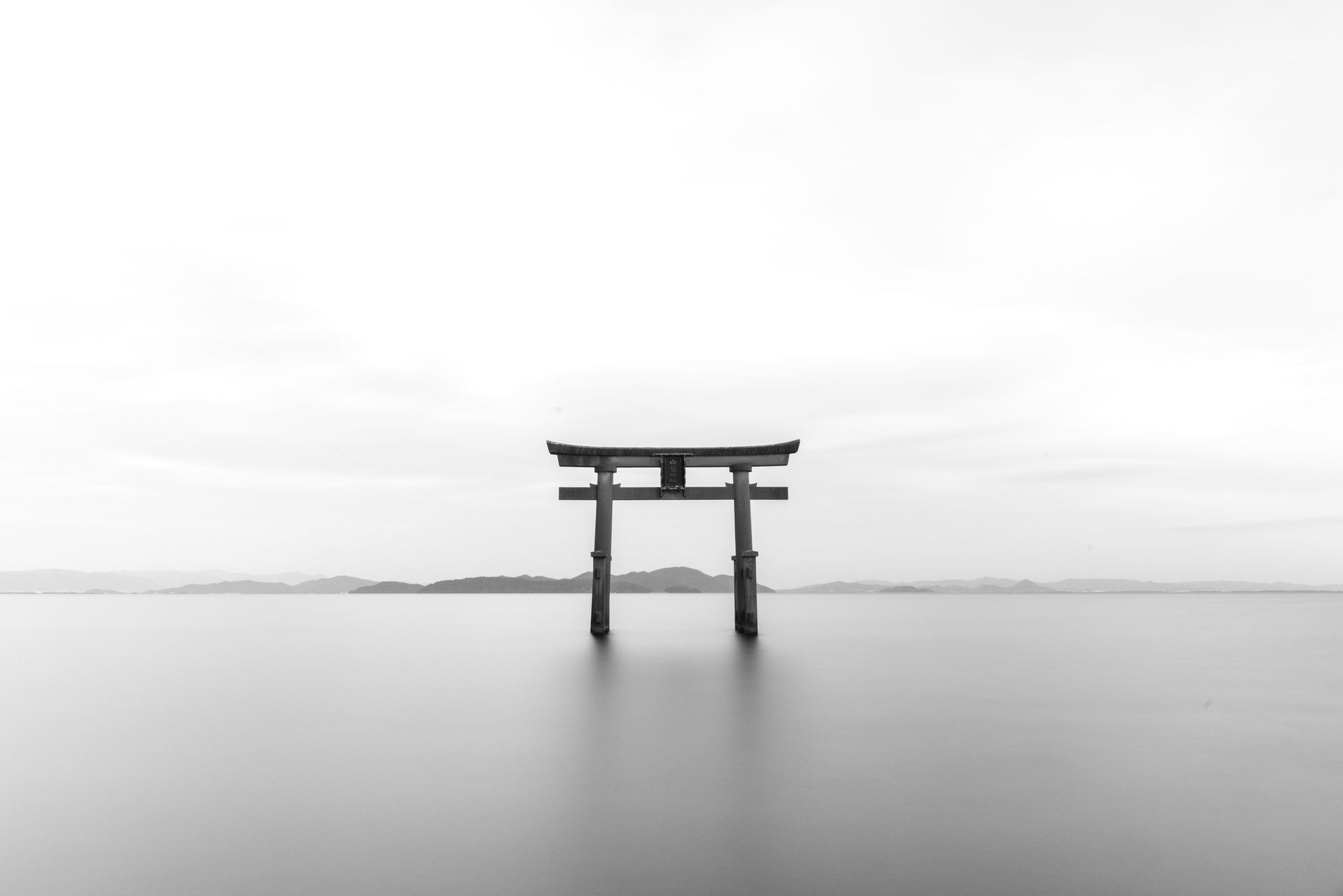
Building a fulfilling family life in Japan
Discover the perfect balance between age-old traditions and technological modernity, giving your children a safe, educational and stimulating environment.
La vie de famille au Japon peut offrir un cadre sûr, une scolarité structurée et une forte autonomie aux enfants, mais une installation réussie demande une préparation précise. Avant le départ, vous devez vérifier les visas, le logement, l’école, l’assurance santé et le budget. Le choix de la ville et du système scolaire dépendra surtout de votre emploi, de votre niveau de japonais et de la continuité souhaitée pour vos enfants.
Au quotidien, les familles s’adaptent à des logements souvent compacts, à des règles locales détaillées et à une organisation scolaire différente. Les démarches auprès de la mairie, les activités de quartier et les associations francophones facilitent progressivement l’intégration.
99%
Sense of security
#1
Quality of education (PISA)
70%
Children's healthcare provision
2026
Year of your plans

Japan: A haven for family life
Moving to Japan as a family is a transformative adventure. In 2026, the archipelago continues to attract French-speaking parents with its unique harmony. Here, the spirit of Omotenashi (genuine hospitality) applies not only to customers, but permeates the entire social structure.
Whether you are drawn by the legendary safety of Tokyo's streets or Okinawa's gentle pace of life, this complete guide to living in Japan will support you at every stage. Here, we cover the practical realities: from finding suitable family accommodation to navigating the intricacies of the healthcare system.
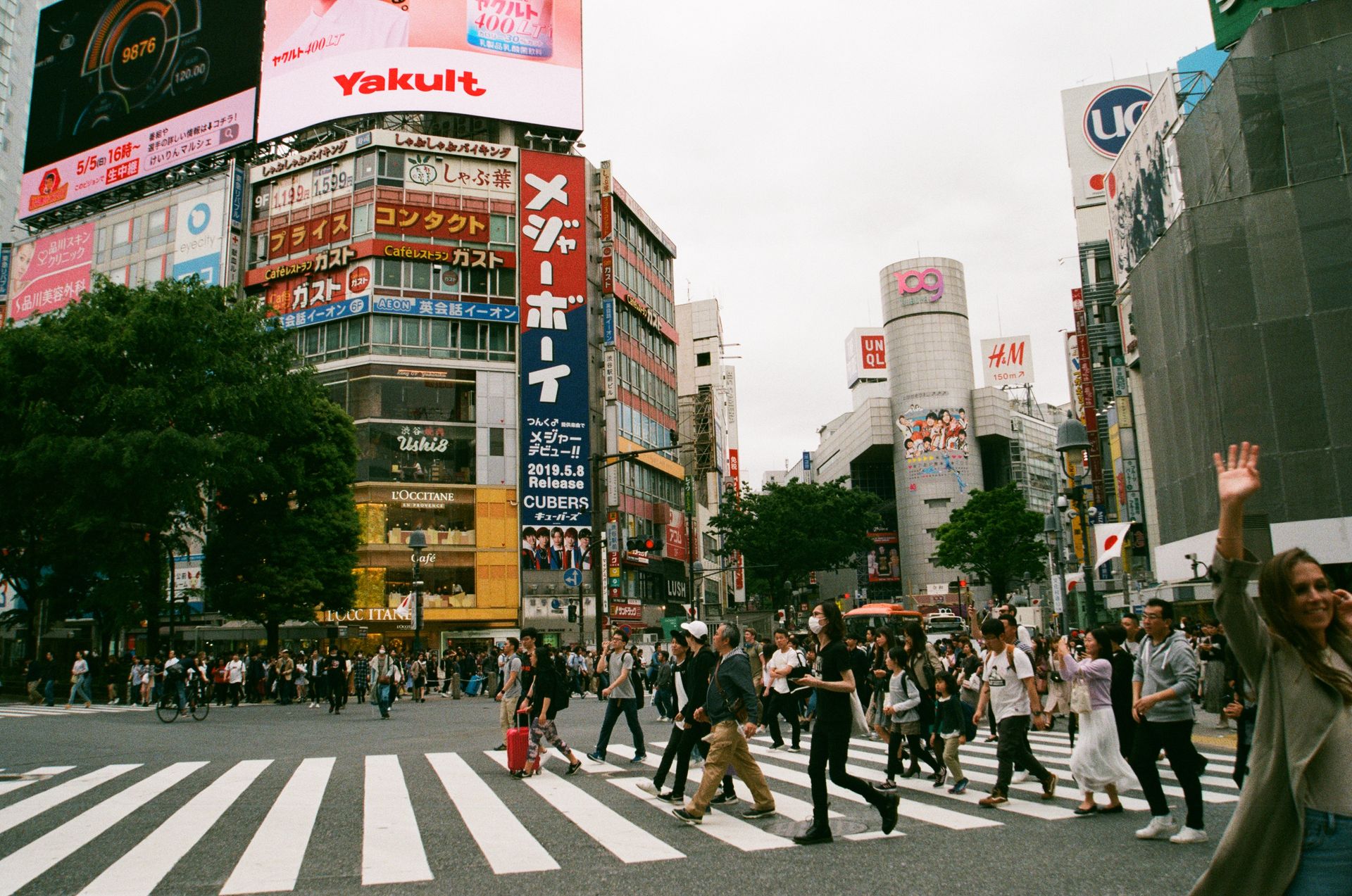
The foundations of your move
Visa and COE
The "Certificate of Eligibility" is the key. For families, family reunification requires proof of stable financial resources. See our guide to administrative procedures.
City Hall registration
Within 14 days of your arrival, registering with the Kuyakusho (ward office) is essential for activating your entitlements and national health insurance.
Banks & Finance
Opening a bank account is necessary for paying rent and bills. Find our advice on banks and finance in Japan.
The school dilemma: Public or International?
🏫 Japanese Public School
Total immersion. Ideal for young children, it encourages community integration and rapid language acquisition. Tuition costs are virtually nil, but allow for the cost of lunch (Kyushoku) and equipment.
- • Strong cultural immersion
- • Very low cost
- • Uniforms and strict school traditions
🌍 International Schools & French Lycees
For maintaining a connection with the French or international system. The campuses in Tokyo, Kyoto and Yokohama offer reassuring educational continuity, although they are expensive.
- • Continuity of the curriculum (Baccalauréat)
- • Vibrant French-speaking community
- • High costs (1.5M¥ to 3M¥ per year)
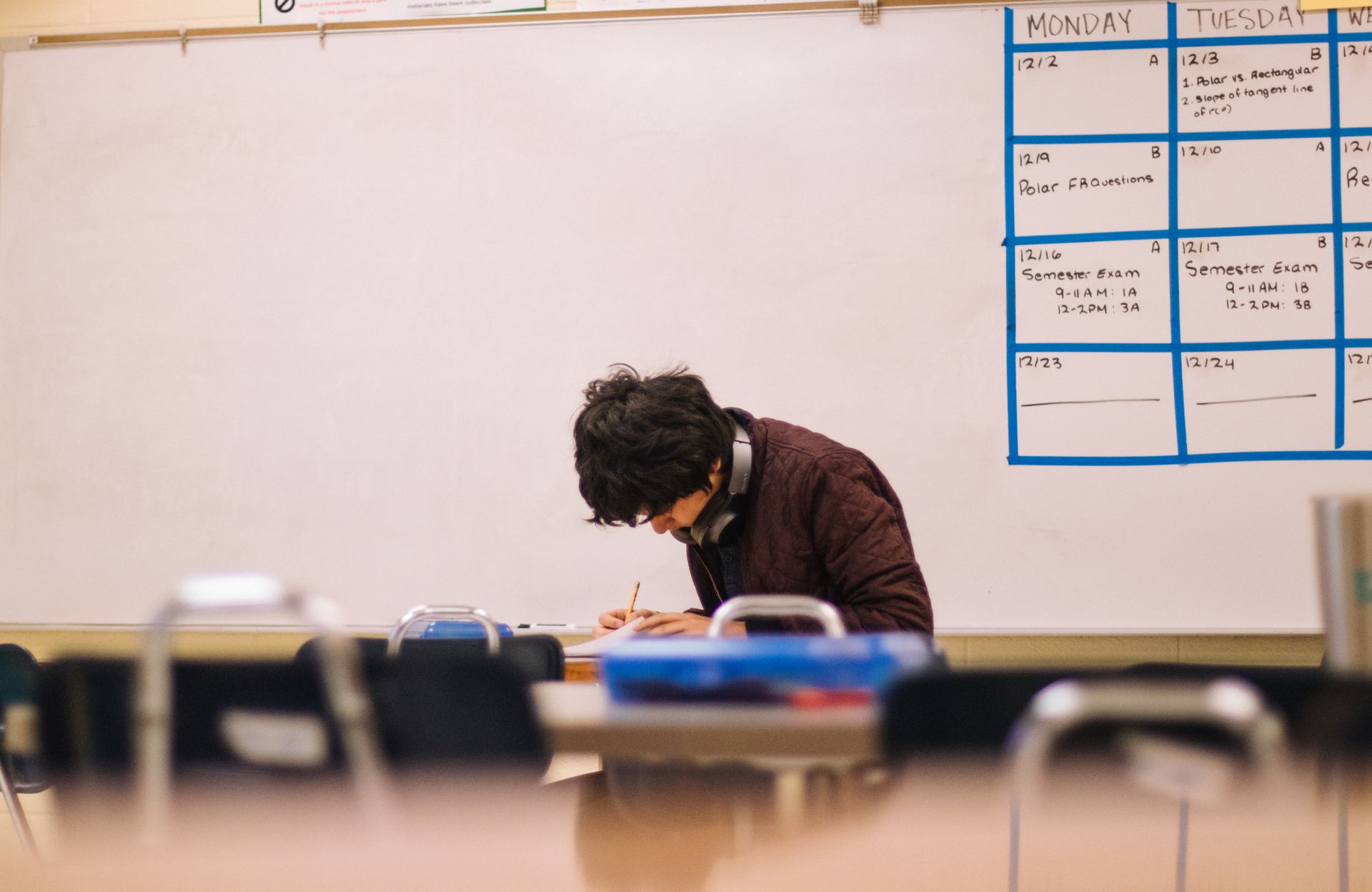
Hoikuen
Public nurseries intended for parents who work in Japan.
Yochien
Kindergartens with a greater focus on pre-school education and activities.
Monthly Family Budget Calculator (2026)
Estimated total per month
450,000 ¥
Includes: Rent (3LDK), food, transport, school and basic leisure activities.

Working while being a parent
Japanese work culture is known for being demanding. However, since 2024, a major reform has encouraged remote working and more flexible hours for parents. Sectors such as high tech and engineering are leading this change.
Child Allowance (Jido Teate): A monthly payment made for each child residing in Japan.
Parental Leave: Increasingly accessible to foreign fathers working for local companies.
Networking: Joining French-speaking associations helps you find opportunities suited to families.
Finding the ideal home
In Japan, apartment sizes are classified using codes (1K, 2LDK, 3LDK). For a family with two children, a 3LDK (3 bedrooms, Living, Dining, Kitchen) is the standard sought.
Mansion
Modern flats, often made of concrete, offering better sound and thermal insulation. Ideal for young families.
Detached houses
More common in the suburbs. They offer more space and often a small garden or parking space.
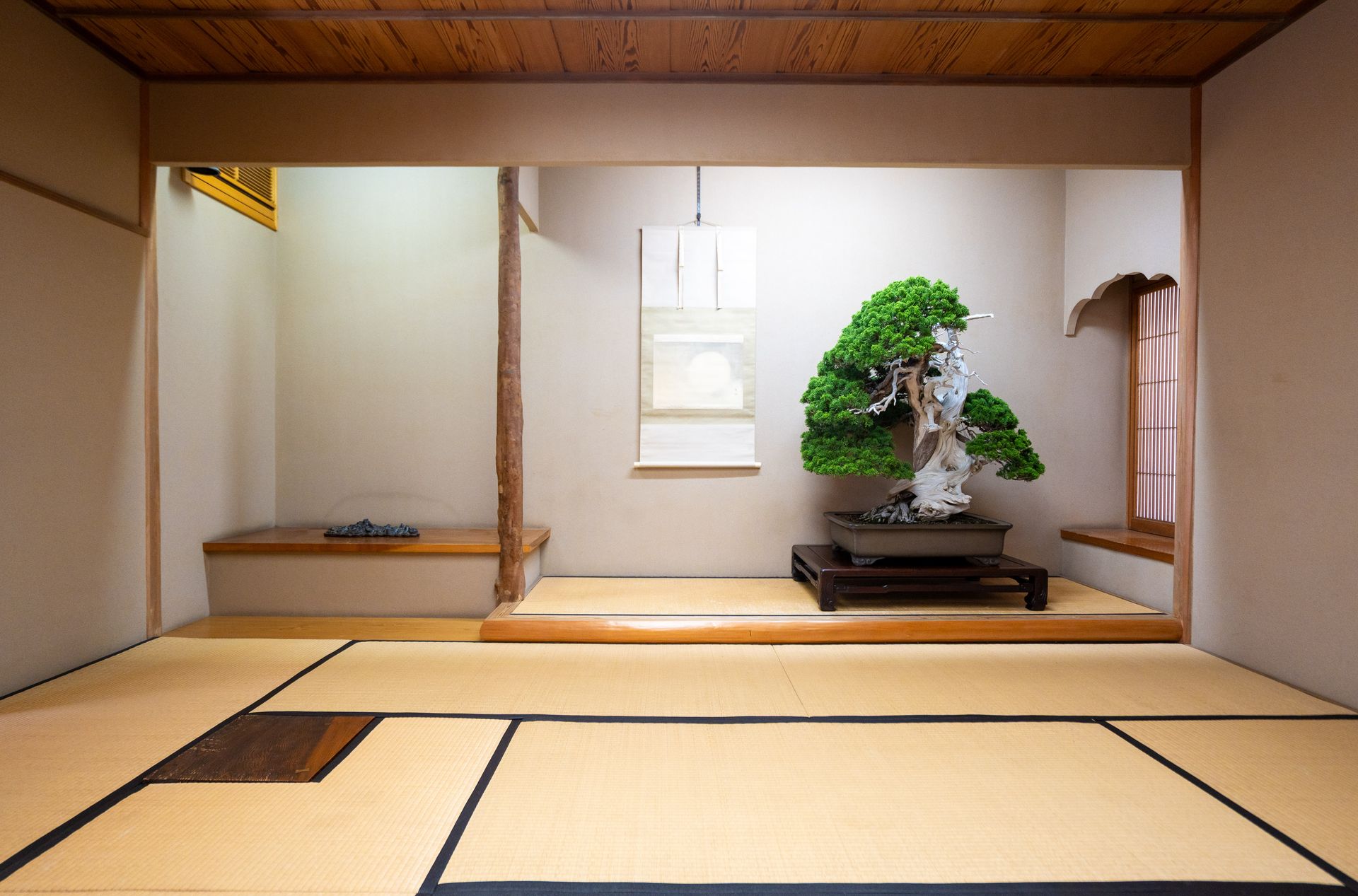
Looking after your loved ones
Japan's healthcare system is one of the most advanced in the world. National Health Insurance (Kokumin Kenko Hoken) or social insurance (Shakai Hoken) covers 70% of costs.
Good to know for children:
Most municipalities (such as Tokyo) offer completely free healthcare for children up to junior high school (sometimes up to the age of 18) through the Maru-fuku certificate.
Finding a French-speaking doctor in Japan is possible in the major cities, but we recommend learning some emergency Japanese for unexpected situations.
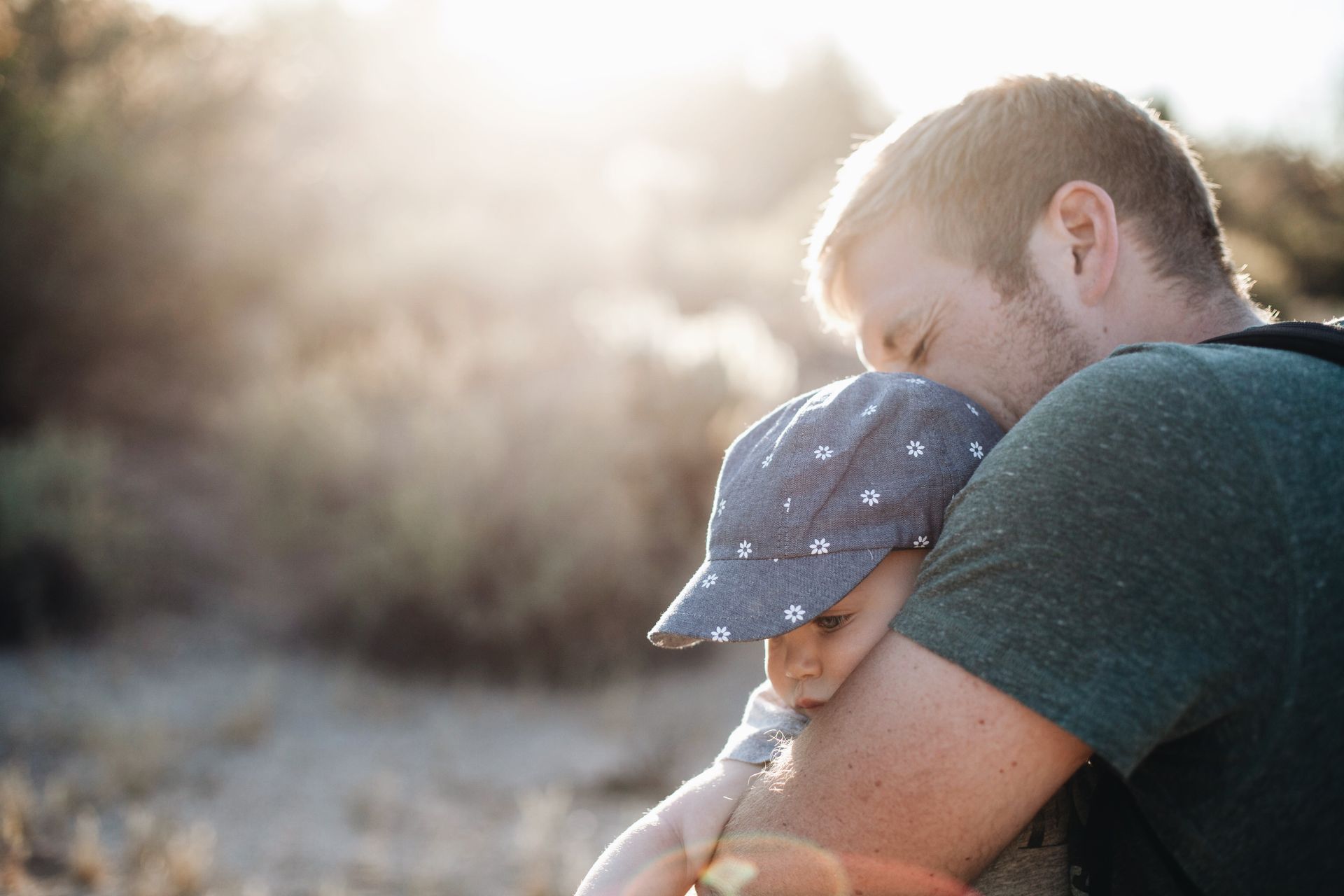
Live, explore and grow
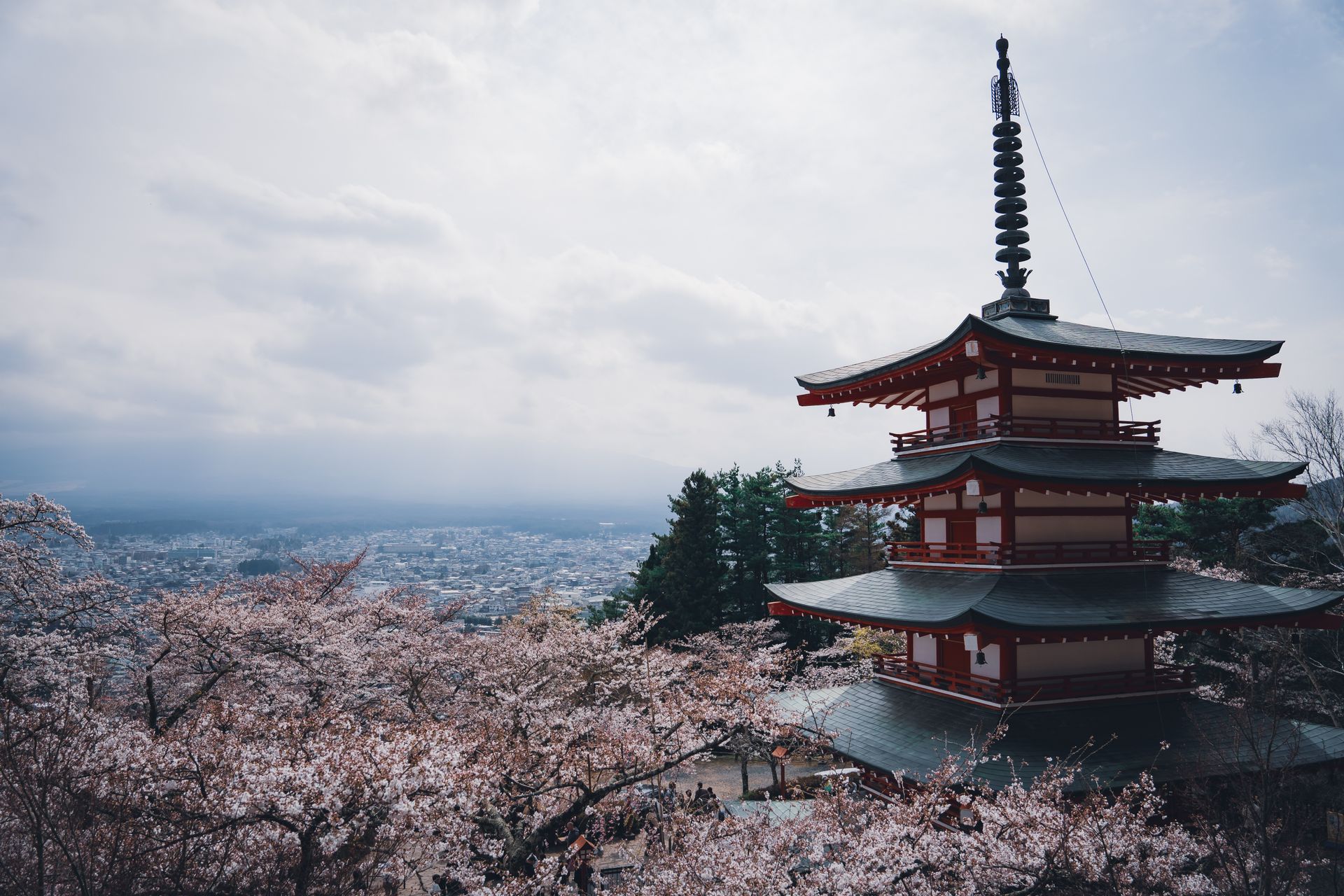
Festivals (Matsuri)
Experience the excitement of local traditional festivals with your children.

Relaxing in an Onsen
Discover hot springs with your family with our onsen guide.
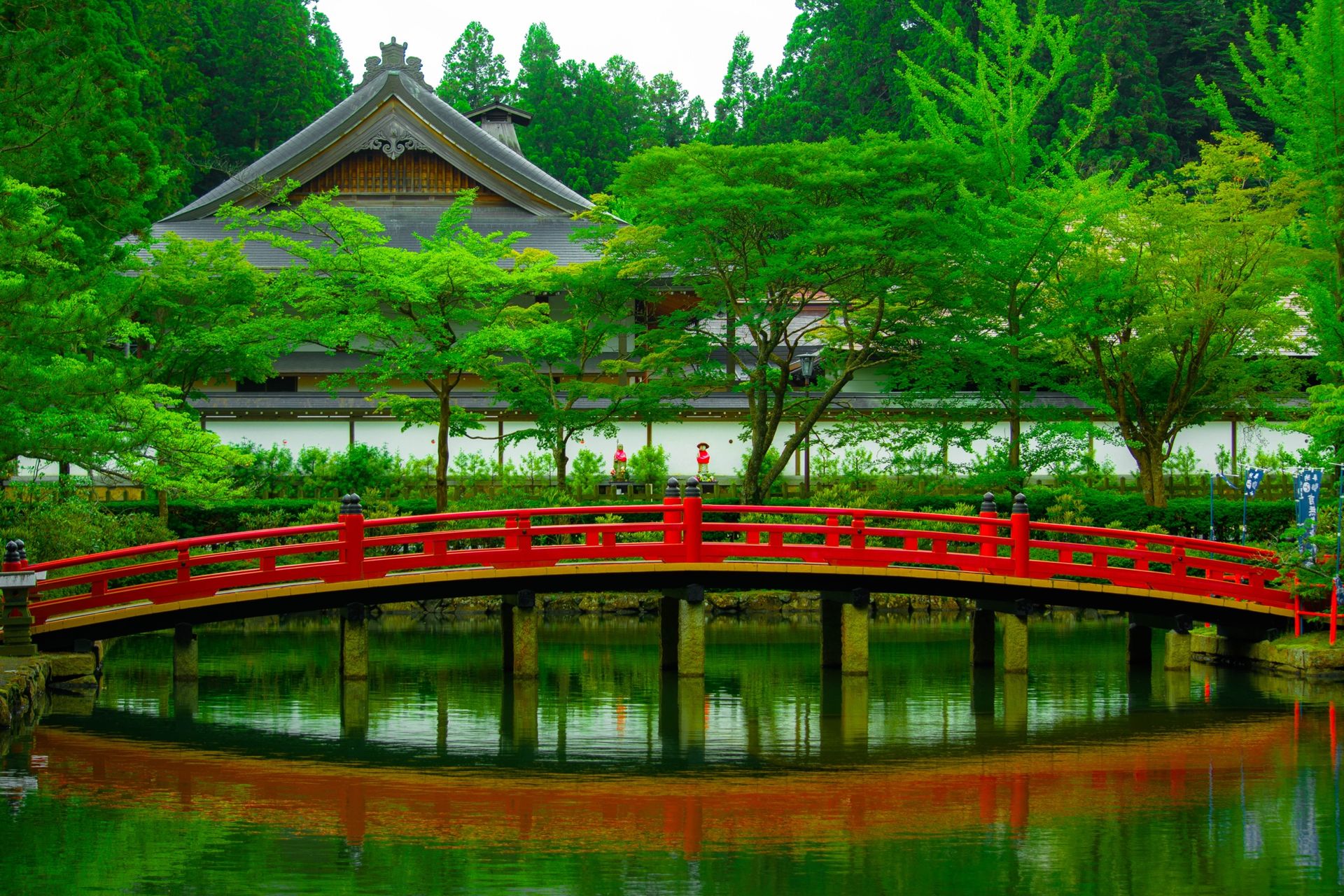
Urban parks
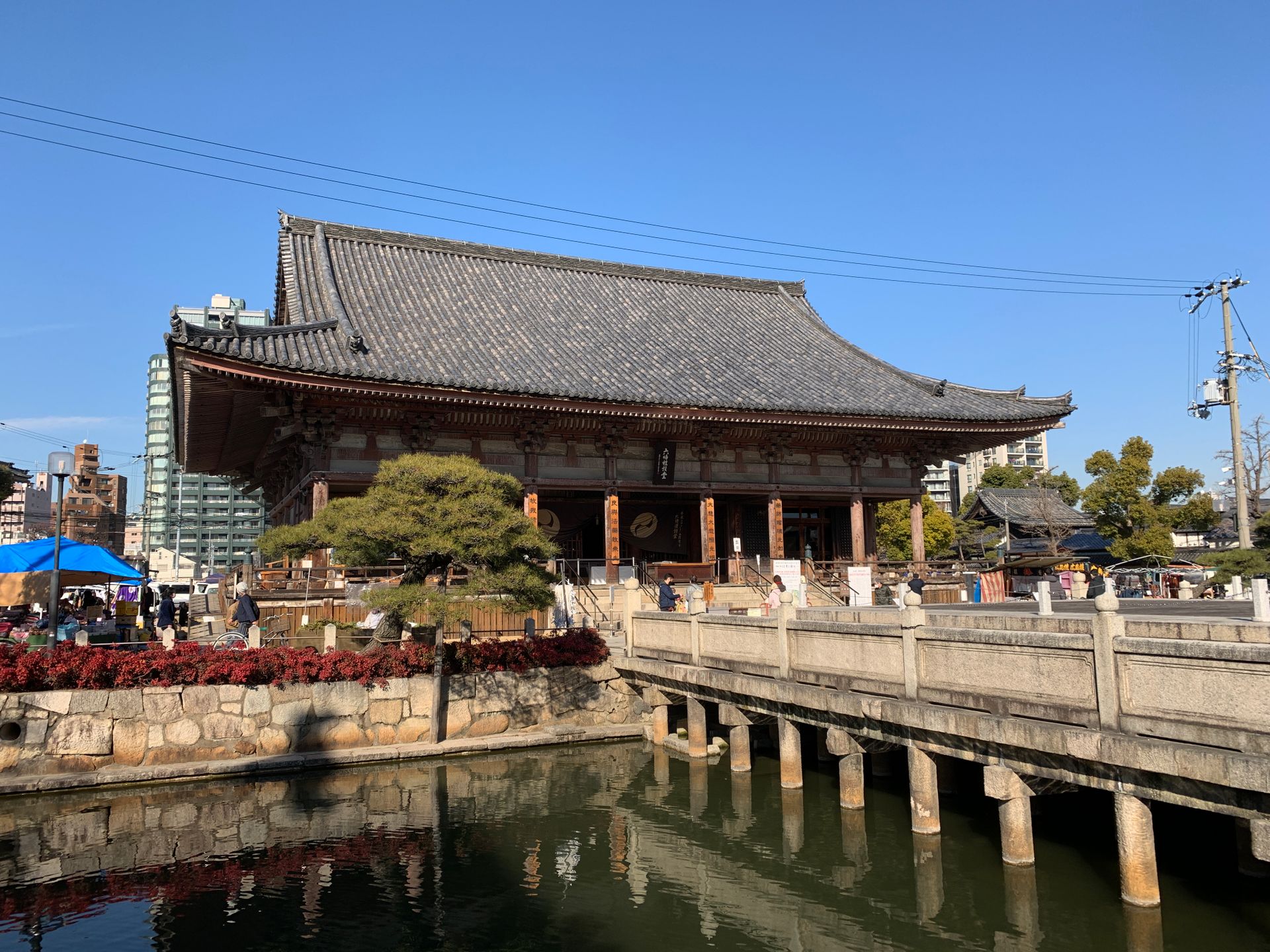
Culture
Tip: set up a Japan eSIM before departure so your data works on arrival.
Parents' frequently asked questions
Is it safe to let my child walk to school alone? +
Yes, it is a strong social norm. Neighbourhoods are organised with "safety volunteers" (often retired people) at pedestrian crossings. This is a fundamental aspect of safety in Japan.
How can I manage my children's diets? +
Supermarkets offer exceptionally fresh produce. If you have specific requirements, see our guide to vegetarianism and special diets.
Is it difficult to get a mobile plan for the whole family? +
Today, operators such as Ahamo and Rakuten Mobile make the process easier. See our comparison of mobile and Internet services.
What about pets? +
Japan has strict quarantine requirements. Plan well in advance by reading our guide to pets in Japan.
How can I integrate locally without speaking perfect Japanese? +
School volunteering and neighbourhood activities are excellent ways to get involved. Read our tips on managing daily life without speaking Japanese.
What budget should I allow for family leisure activities? +
On average, allow 50,000 ¥ per month for restaurant outings and amusement parks. Explore our tips for saving money in Japan.
Which are the best regions for families? +
Tokyo for opportunities, Kyoto for culture, or Fukuoka for quality of life. See our geographical guide.
Is support available for single-parent families? +
Yes, specific support is available at municipal level. See single-parent families in Japan for more details.
How should I organise waste sorting? +
It's a science in Japan! Every city has its own rules. Read our guide to recycling in Japan.
Is French-language education available everywhere? +
Mainly in major cities through the Lycées Français or Alliances Françaises. See the education directory.
Your new life starts here.
Join our community of expat parents and benefit from personalised advice on settling in Japan.