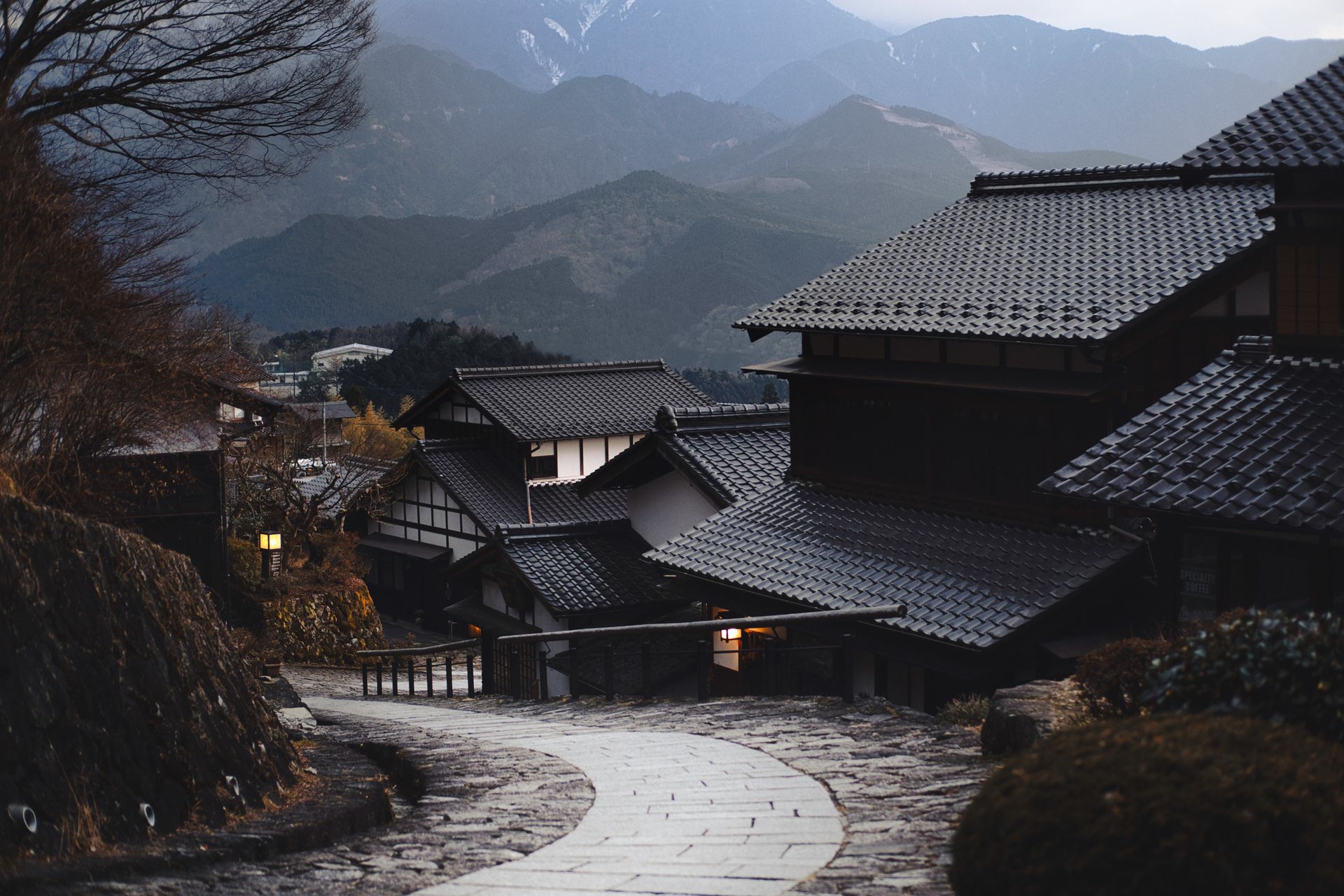
The Spirit of Bunkasai:
Festivals & School Life
Delve into the traditions that shape students’ lives in Japan, from the creative energy of cultural festivals to the daily rituals of learning.
Le bunkasai est la fête culturelle d’un établissement scolaire japonais. Pendant cet événement, les élèves présentent des spectacles, des expositions et des activités préparées en groupe, souvent dans les salles de classe. Selon l’établissement, la fête peut accueillir les familles, les anciens élèves ou le public. Les universités sont généralement les plus accessibles aux visiteurs, tandis que les collèges et lycées appliquent plus souvent des règles d’entrée.
Vous y découvrirez une autre facette de la vie scolaire japonaise : organisation collective, créativité, clubs, cuisine et performances. Pour préparer votre visite, vérifiez les conditions d’accès auprès de l’établissement, prévoyez des espèces en yens et adoptez une attitude discrète pendant les spectacles.

Welcome to the world of “Seishun”
In 2026, Japanese schools remain the crucible of a unique culture where academic excellence goes hand in hand with a strong sense of community. The concept of Seishun (the springtime of youth) is particularly embodied in extracurricular events. More than mere leisure activities, these moments lay the foundations for the social development of future citizens.
The Bunkasai (Cultural Festival) is undoubtedly the high point of school and university life. Held mainly in autumn, these events transform educational establishments into veritable hives of creativity. For expats experiencing family life in Japan, understanding these rituals is essential to supporting their children’s integration.
Student participation rate in clubs
Peak of the celebrations (Bunka no Hi)
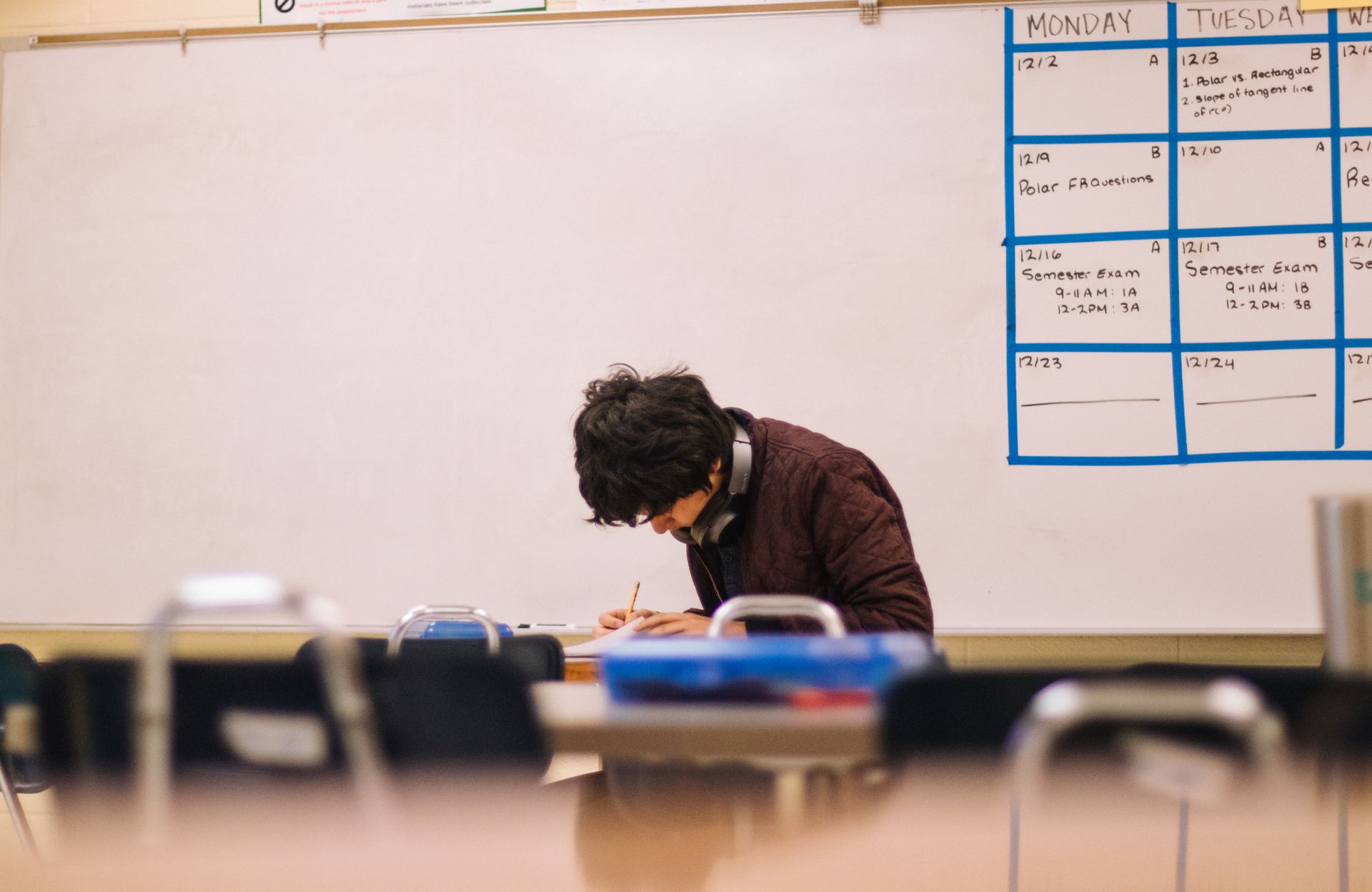
A Calendar Full of Emotion
From nursery school to university, each stage of education has its own iconic celebrations.
The Bunkasai: The Cultural Heart
Each class transforms its classroom into a themed café, haunted house or concert hall. It is an opportunity for students to manage a budget, cook (takoyaki, yakisoba) and practise the teamwork that is essential in Japanese society.
Undokai
Sports day. A fiercely contested competition between the red and white teams, where solidarity takes priority over individual performance.
Ensoku
Educational school trips. Often to temples, museums or nature parks, allowing students to learn beyond the classroom walls.
Transport logistics →Opening & Graduation Ceremonies
Marking the beginning (April) and end (March) of the school year, these ceremonies are imbued with solemnity. Students proudly wear their uniforms (Gakuran or Sailor fuku).
- Nyugakushiki (Opening Ceremony)
- Sotsugyoshiki (Graduation Ceremony)
The Bunkasai: Meticulous Organisation
Unlike Western fêtes, the Bunkasai is almost entirely run by the students. From September onwards, the “festival committees” meet to decide on the annual theme. It is a crucial opportunity to learn about democracy and project management.
Each class receives a limited budget from the school. Students must then use their ingenuity to decorate their classroom with recycled materials (often cardboard and paint). This is where artistic talents truly flourish: monumental murals, 3D structures and handmade costumes.
The Role of Culture Day (3 November)
Many festivals reach their peak around Bunka no Hi. This national holiday, established to promote peace and culture, provides the ideal setting for opening campuses to the public. For future residents, attending a university festival such as Waseda Sai is a recommended deep immersion in our guide to living in Japan.
2026 Bunkasai Stall Simulator
Are you a member of your class committee? Use our tool to simulate the viability of your festival project. Manage your resources like a real Japanese high-school student!
Choose your type of activity.
Set the number of “staff” (students).
Estimate your potential revenue.
Feasibility report:
Features by School Stage
Nursery School (Yochien)
The focus is on physical expression and singing. The Gakushu Happyokai is when young children present their progress to their parents.
Primary School (Shogakko)
The group cleaning day (Soji) is introduced, along with closely supervised inter-class sports competitions.
High School (Koko)
The golden age of the Bunkasai. Students are independent. This is also the period of Shugaku Ryoko (school trips lasting several days).
University (Daigaku)
Festivals open to the general public, concerts by J-Pop stars, and stalls run by Circles (university clubs).
The Festival in Pop Culture
If you consume manga or anime, the Bunkasai will certainly be familiar to you. It is the classic setting for love confessions, sporting rivalries and improvised musical performances (as in K-On! or Your Lie in April).
Symbolically, these episodes represent the end of a cycle, nostalgia for fleeting youth and the strength of the friendships formed amid the challenges of the preparations.
Japanese School Calendar 2026
| Month | Major Event | Cultural Description |
|---|---|---|
| April | Nyugakushiki | Entrance ceremony beneath the cherry blossoms. The official start of the Japanese school year. |
| May / June | Kenko Shindan | Compulsory annual health checks for all pupils held at school. |
| July | Shigyoshiki | End-of-first-term ceremony and the start of the summer holidays. |
| September | Taiikusai | Sports festival. A major event for social and physical bonding. |
| October / November | Bunkasai | The famous cultural festival. Intensive preparations and opening to the public. |
| January / February | Juken | Entrance examination period ("exam hell") for moving on to the next stage of education. |
| March | Sotsugyoshiki | Graduation ceremony. A very moving occasion marked by the exchange of uniform buttons. |
Frequently Asked Questions about School Festivals
Can you attend a Bunkasai freely?
What are the exact dates for 2026?
Should you bring cash?
Can foreign children take part?
What is "Soji" at school?
Tip: set up a Japan eSIM before departure so your data works on arrival.
Want to discover Japan beyond school?
Living abroad is a journey filled with cultural discoveries. Prepare for your departure with our specialist guides for French-speaking people.