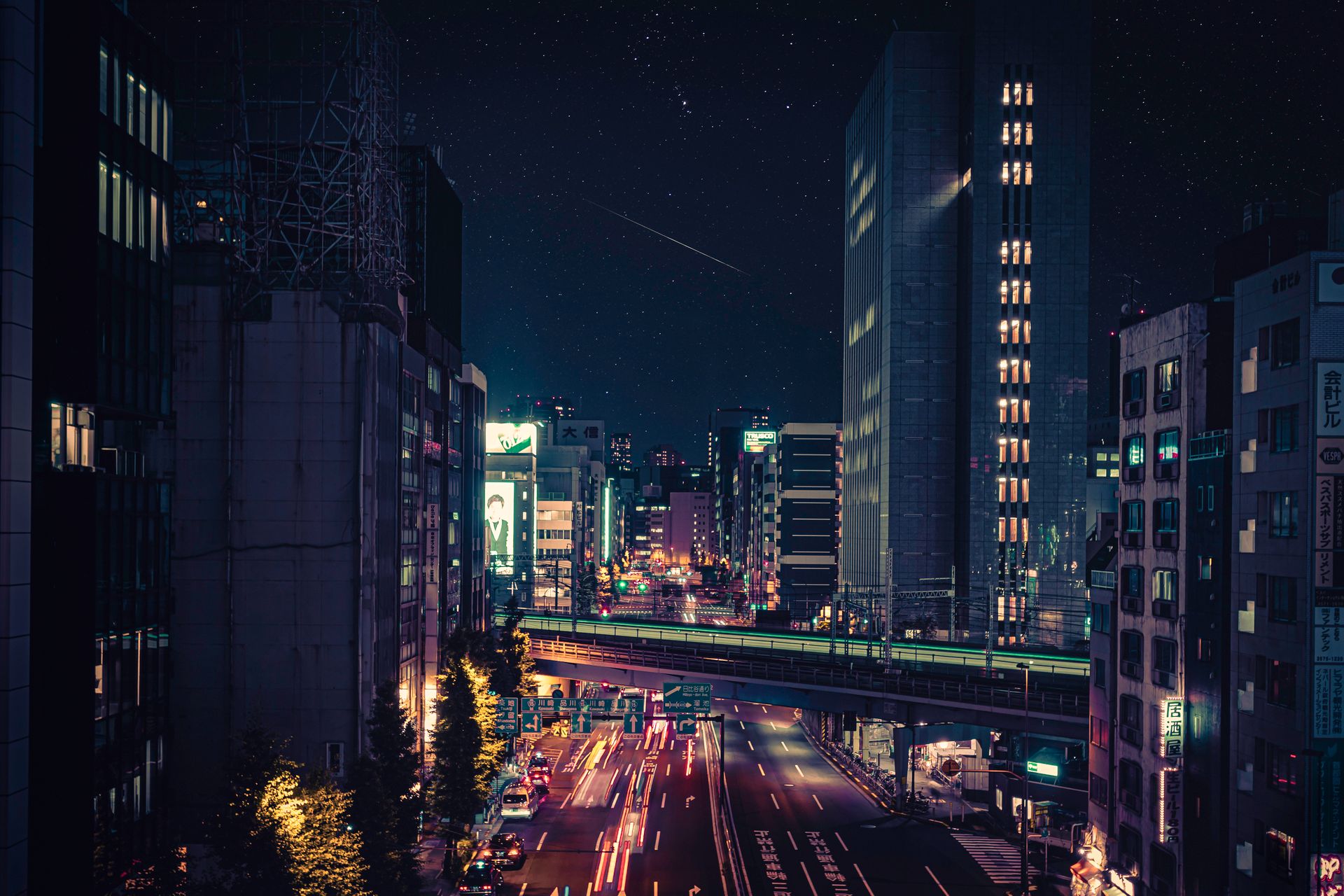
Managing Your Budget in Japan
Moving to the Land of the Rising Sun is a dream for many, but the economic reality of 2026 requires careful preparation. Find out how to make the most of every yen without sacrificing your quality of life.
They trust us with their move abroad

The Japanese economy in 2026: What has changed
Since 2024, Japan has experienced a unique economic dynamic. While global inflation has affected the archipelago, the yen remains an attractive currency for expats receiving income in euros. However, fixed costs such as energy and certain imported products have risen significantly.
Successful financial planning for life abroad is no longer just about finding cheap rent, but about taking a holistic approach to spending: managing loyalty points, optimising transport and gaining a thorough understanding of the tax system. This guide will support you in developing your financial intelligence.
"The economy in Japan is not about going without, but about understanding the local systems."

-25%
Average savings made by an expat following our advice after 6 months.
The 6 Pillars of Saving Money in Japan
A Bento-style organisation system for structuring your budget effectively.
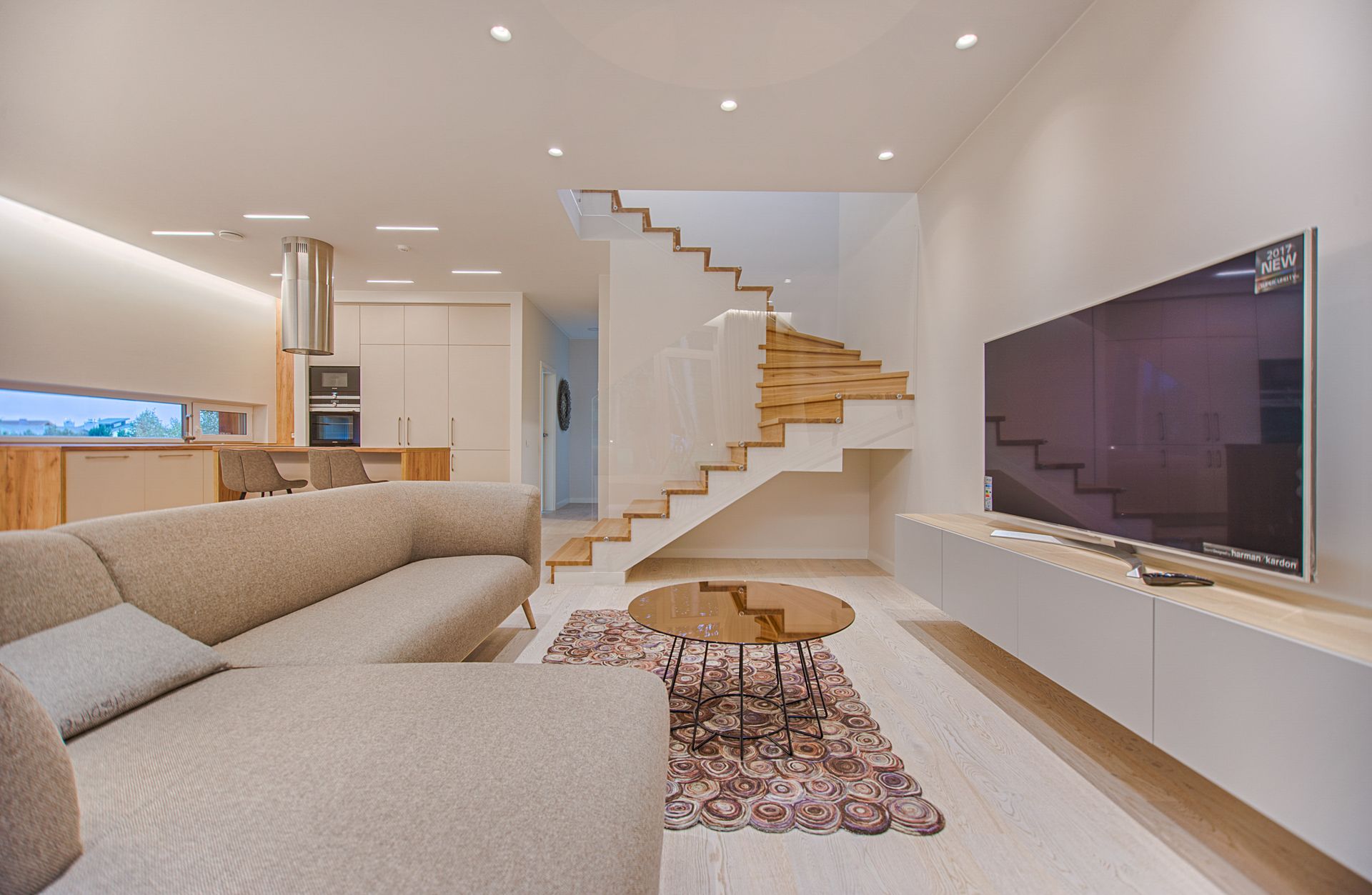
Housing & Location
Choosing the right neighbourhood is crucial. Living just two stops away from a major line can reduce your rent by 20%. Learn how to decode rental costs in Japan to avoid the pitfalls of "Reikin".
Smart Food Shopping
Find out when supermarkets offer discounts (19:00–20:00) and how to use local markets instead of luxury retailers.
"Point Cards Culture"
In Japan, loyalty cards (Rakuten, Ponta, dPoint) are not gimmicks. They are a genuine parallel monetary system that can fund your holidays.
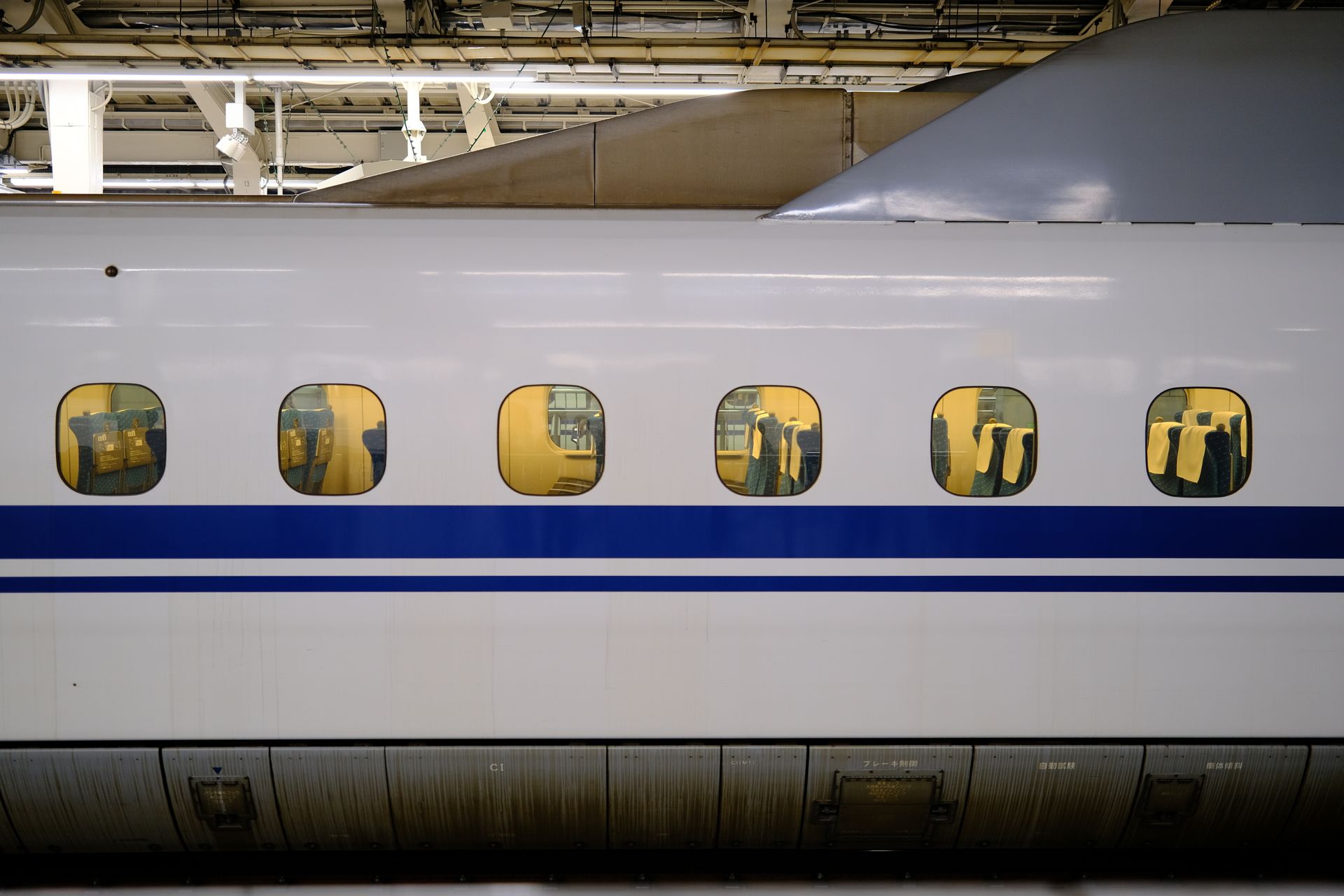
Optimised Mobility
Understand the rail transport system and the "Teikiken" commuter pass covered by your employer.
- ✓ No car
- ✓ City bike
- ✓ IC cards
- ✓ Night buses
Housing: Your Biggest Expense
In 2026, property pressure in Tokyo remains high, with average rent for a 1K (one room + kitchen) ranging from around 85,000¥ to 110,000¥ in sought-after areas such as Minato and Shibuya. However, prices fall dramatically further out along private railway lines (Keio, Odakyu).
Property-saving strategies:
-
01
Choose "Share Houses"
Ideal for newcomers, they can help you save on furniture, internet and insurance. See our guide to temporary accommodation.
-
02
Avoid "Key Money" (Reikin)
Look for agencies specialising in expats that offer flats without non-refundable gratuity fees.
-
03
Negotiate during the off-season
Avoid March (the end of the academic year). Moving in June or July may give you more leverage when negotiating your monthly rent.
Expat Budget Simulator 2026
Estimate your monthly expenses based on your lifestyle choices.
Estimated Monthly Total
Approximately 0€ (2026 rate)
RECOMMENDATION
Select your options to see our personalised advice.
Tip: set up a Japan eSIM before departure so your data works on arrival.
Don't Neglect Your Health
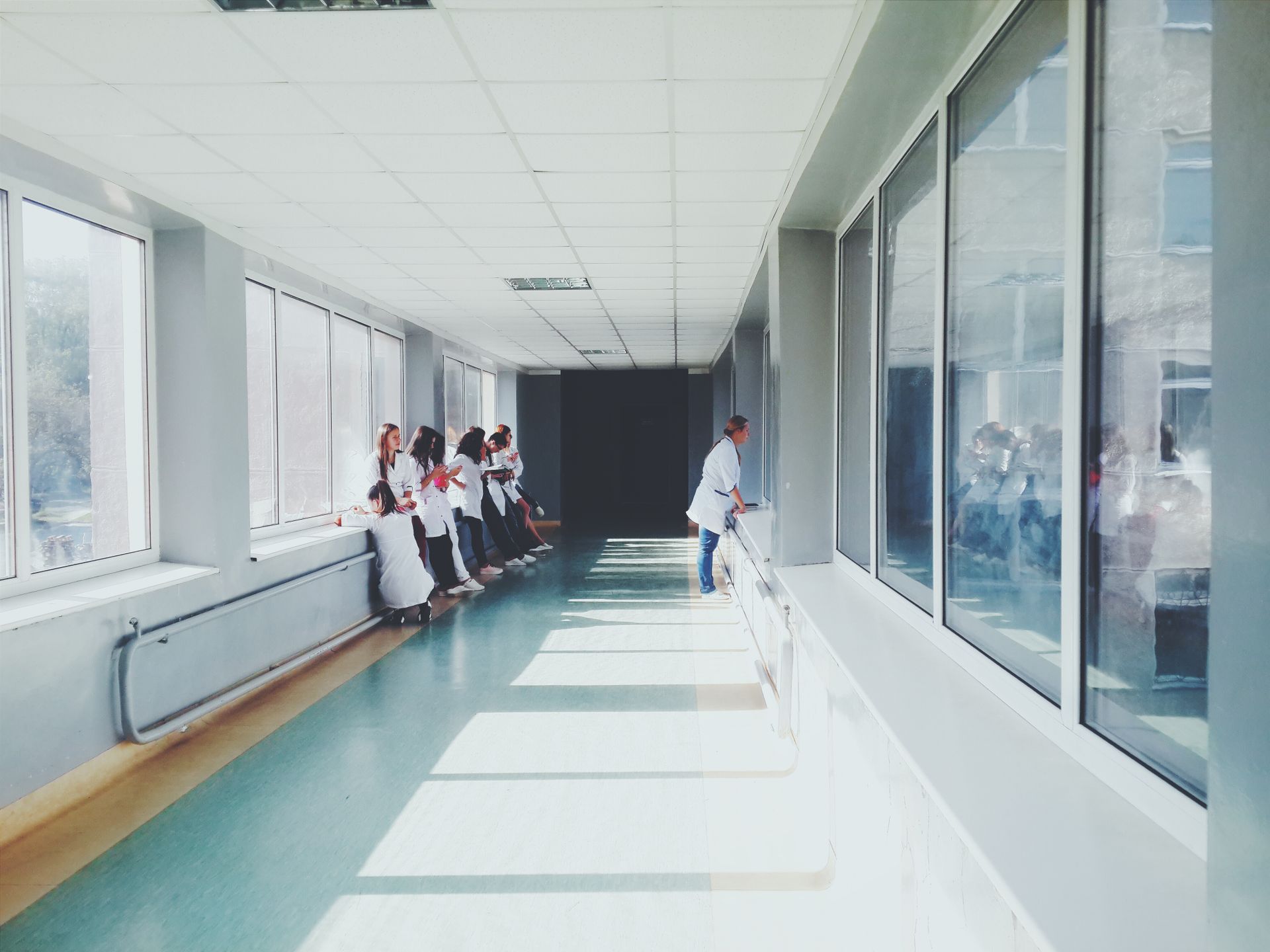
Japan's healthcare system is one of the most efficient in the world, but it can be costly if you do not understand your obligations. Enrolment in National Health Insurance (NHI) is compulsory.
30% co-payment
With your insurance card, you only pay 30% of the actual costs. Consider taking out supplementary insurance for major risks.
Free Preventive Care
Many municipalities offer free annual health check-ups for residents. Make the most of them.
Comparison: Where should you live?
| Expense | Tokyo (Central) | Osaka / Kyoto | Fukuoka / Sapporo |
|---|---|---|---|
| Studio (1K) | 100,000¥ + | 65,000¥ | 45,000¥ |
| Eating out (Lunch) | 1,200¥ | 900¥ | 750¥ |
| Monthly Transport | 15,000¥ | 10,000¥ | 8,000¥ |
| Quality of life index | Excellent | Very Good | Exceptional |
Source: 2026 Regional Analysis - Living in Japan Guide
🉐 Unmissable Deals
- 100 Yen Shops: DAISO, Seria and Can-Do are your best friends for furnishing your home. Quality has improved significantly in 2026.
- Flea Markets: Use "Mercari" for all your furniture and electronics. It is the leading app in Japan.
- Point Cards: Link your bank card to PayPay or Rakuten Pay to get between 1% and 5% back on every purchase.
🚫 Pitfalls to Avoid
- Vending Machines: Avoid using "Vending Machines" for your daily coffee. It costs 160¥ per can, or 50,000¥ a year.
- Taxis: In Tokyo, a 15-minute journey can cost 4,000¥. Trains stop running at midnight, so manage your time.
- Luxury Fruit: Never buy fruit in department stores (Depachika) unless it is a gift. Choose local markets instead.
Frequently Asked Questions
What is the minimum budget for a student in Tokyo in 2026? ▼
For a student living frugally, a monthly budget of 120,000¥ to 140,000¥ is the bare minimum (including sharehouse accommodation, home-cooked food and transport).
Is it worth having a car in Japan? ▼
In large cities, absolutely not. Between parking costs (sometimes higher than studio rent), expensive tolls and the efficiency of the trains, it is a financial loss. In rural areas, however, it is essential.
Which are the best banks for saving on fees? ▼
Online banks such as Sony Bank and Rakuten Bank often offer better rates and lower withdrawal fees than traditional banks (MUFG, SMBC). See our guide to Banks and Finance.
Does Japan finally accept bank cards everywhere? ▼
In 2026, mobile payments (PayPay) and cards are accepted in 90% of urban businesses. However, small temples, some family-run restaurants and local train ticket machines still require cash.
How can you save on your mobile plan? ▼
Avoid the three major operators (Docomo, Softbank, AU) and their two-year contracts. Choose MVNOs such as LINEMO, Ahamo or Rakuten Mobile, which offer 20GB plans for less than 3,000¥. More information on our dedicated page.
Ready to launch your project?
Join our forum community to share your tips or ask questions of experts who are already settled here.