Which French-language library should you choose in Japan?
The right institution depends first and foremost on your objective. For occasional reading or work, a media library at the Institut français may be sufficient. For university research or work focused on Japan, the Maison franco-japonaise meets a more specialised need. The locations in Tokyo, Kansai, Yokohama and Kyushu offer options close to where you live.
If you are preparing for a stay, do not choose based solely on the name of the city. Check the exact location, opening days, services offered and rules applicable to visitors. Opening hours may vary depending on the site and exceptional closures.
In Tokyo
Tokyo offers several complementary options. The Institut français de Tokyo, in Iidabashi, is suitable for general reading, newspapers and magazines, children's books and working on site. The Maison franco-japonaise, in Ebisu, is more geared towards people looking for a research collection on Japan in the humanities and social sciences.
The two locations therefore serve different purposes. Before travelling, search for the document in the shared catalogue or ask a librarian for advice. Some older or rare collections may not be listed online.
In Kyoto, Osaka, Yokohama and Fukuoka
The Kansai centre serves Kyoto and Osaka, while the Yokohama and Fukuoka sites provide an option for residents of these regions. Collections and services may vary from one institution to another. A reservation, shuttle or interlibrary loan request may be useful if the title you are looking for is held at another site.
To better prepare for your move, you can also consult French-speaking associations in Japan. They are another way to find activities, exchanges and local recommendations.
How do you find a book in a library in Japan?
The shared catalogue allows you to search by title, author, subject or keyword. Try several variants when the results are incomplete: the original title, the author's name, transliteration in romaji or French words describing the subject. Japanese titles may appear in Latin characters, making the search less intuitive for someone used to kanji and katakana.
- Start with a simple search using the most precise terms.
- Refine it with the author, subject or year when the list is too long.
- Check the site where the document is held.
- Check whether it is available, reserved or already on loan.
- Contact the library if the book is old, rare or not listed in the catalogue.
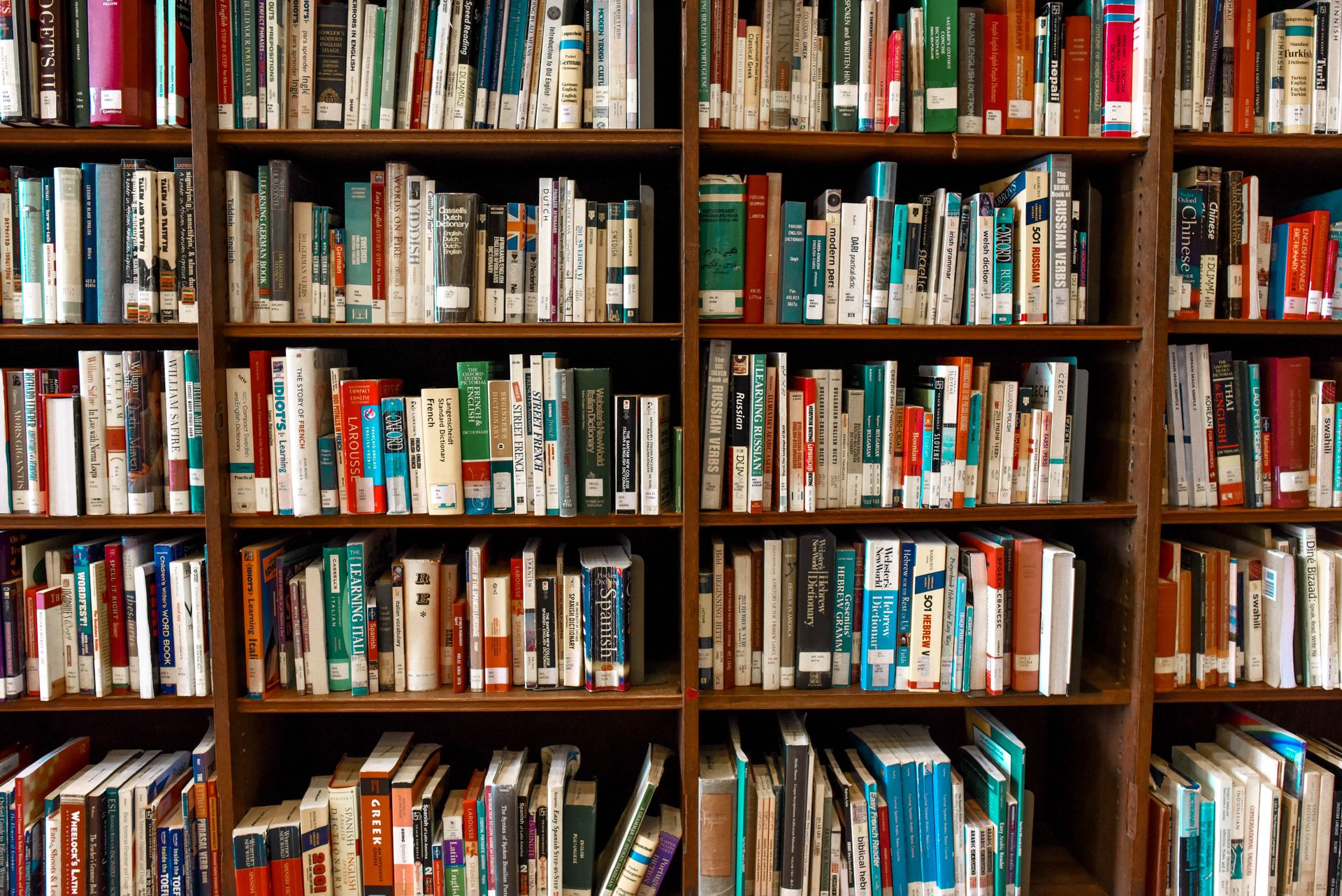
Themed selections and new arrivals can also help you discover books without knowing their title. To learn Japanese in French, also search for courses, grammar books and materials suitable for beginners or more advanced learners.
On-site use, registration and borrowing
Browsing the shelves and reading on site are available without prior registration. However, borrowing documents and accessing Culturethèque from home require membership. The required documents, membership categories and fees must be confirmed with your chosen institution, as conditions may change.
| Need | Access to arrange | Useful check |
|---|
| Read or consult a book on site | Visitor access | Opening hours and possible closures |
| Borrow books or magazines | Membership card | Supporting documents and lending rules |
| Read resources remotely | Membership providing access to Culturethèque | Account activation and digital conditions |
| Obtain a title held elsewhere | Inter-library shuttle or loan | Availability, waiting times and possible fees |
The international driving permit in Japan does not replace planning your journey by public transport: for a library located in a large urban area, identify the nearest station and allow extra time in case of an exceptional closure.
Useful services for French speakers living in Japan
Digital resources
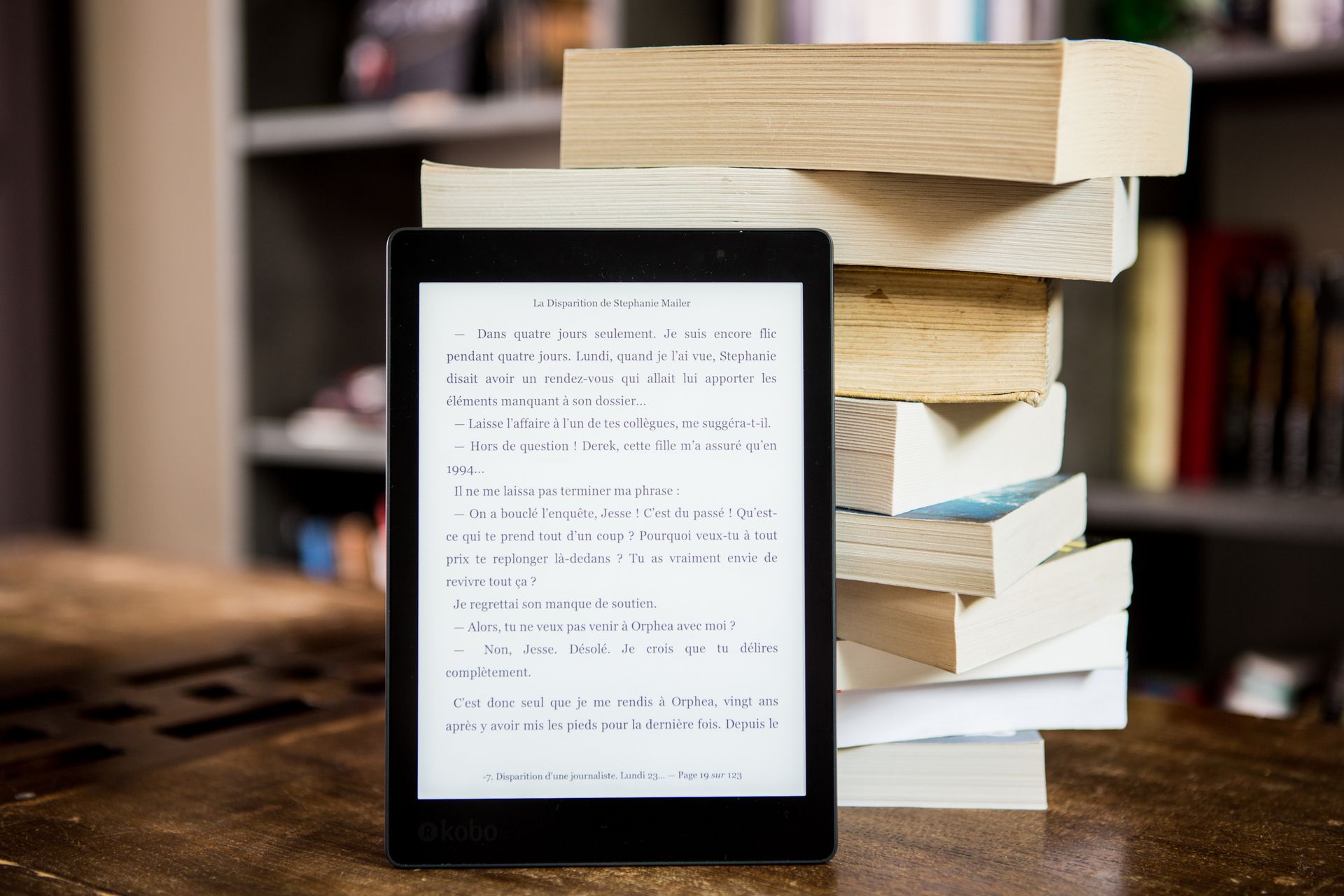
Culturethèque complements the physical collections with newspapers and magazines, comics, picture books, music, talks and podcasts. This format is particularly convenient if you live far from an institution or would like to read on your phone, tablet or computer.
Work and study
Reading areas can be suitable for a work session, particularly when you need peace and quiet, power sockets or Wi-Fi access. The rules on silence, seat reservations and use of equipment must be followed on site. Researchers will benefit from distinguishing the general media library’s resources from the specialist collection of the Maison franco-japonaise.
Children and family life
Children’s collections, picture books and comics help families maintain their connection with French. If you are also looking for French-speaking healthcare professionals, see the information on French-speaking doctors in Japan.
Before visiting a Japanese library
- Note down the institution’s exact name and address.
- Check the official calendar for changes to opening hours.
- Make a note of the shelf mark or details of the document you are looking for.
- Bring the required documents if you wish to register.
- Ask whether the title can be reserved, transferred or consulted on site.
- Follow the instructions concerning bags, drinks, phone calls and photography.
A traditional Japanese library can also be useful for resources in Japanese, study areas and local books. However, access arrangements, available languages and lending rules vary from one institution to another. For a precise search, consult the official website of the relevant library directly or ask its staff.
How can you avoid results that do not match your search?
The search query “library in Japan” may refer to a French-language media library, a university library, a storage unit or a Japanese institution. So add a geographical or documentary term: “French library Tokyo”, “Institut français media library”, “French books Kyoto” or “Japan research collection”. This reduces commercial results and makes it easier to identify the place you are looking for.
Frequently asked questions
Is there a French library in Tokyo?
Yes. Tokyo is home to, among others, the Institut français media library in Iidabashi and the research collection of the Maison franco-japonaise in Ebisu. These institutions do not have exactly the same role: the former is suitable for general reading and everyday resources, while the latter is more geared towards research on Japan.
Can you enter a French media library in Japan without being a member?
On-site consultation and access to the shelves are open to visitors without prior registration. However, borrowing, renewals and access to certain digital resources require membership. Check the rules of your chosen site before travelling there, particularly during closure or stocktaking periods.
How can you find a French book in a library in Japan?
Use the shared catalogue with the title, author’s name or a keyword. Then refine your search by subject, year or institution. If the book is old, rare or absent from the results, ask a librarian for help: not all documents are necessarily indexed online.
Does a library in Japan offer books for learning Japanese?
French-language media libraries offer Japanese language-learning courses and materials intended for French-speaking readers. Availability depends on the site and the time of year. Search by subject in the catalogue, then check whether the book is available or can be requested from another library in the network.
Can you borrow a book held in another city in Japan?
An inter-library shuttle or loan service may make it possible to bring a document to another institution in the network. The arrangements, availability and any fees must be confirmed with the library. Transfer is not automatic for all documents, particularly specialist collections.