The Main Disciplines of Traditional Japanese Arts
Traditional Japanese arts are distinguished by their meditative approach and close connection with Zen philosophy. Each discipline is as much a path of personal development as it is an aesthetic practice.
Ikebana: the Japanese art of flower arrangement
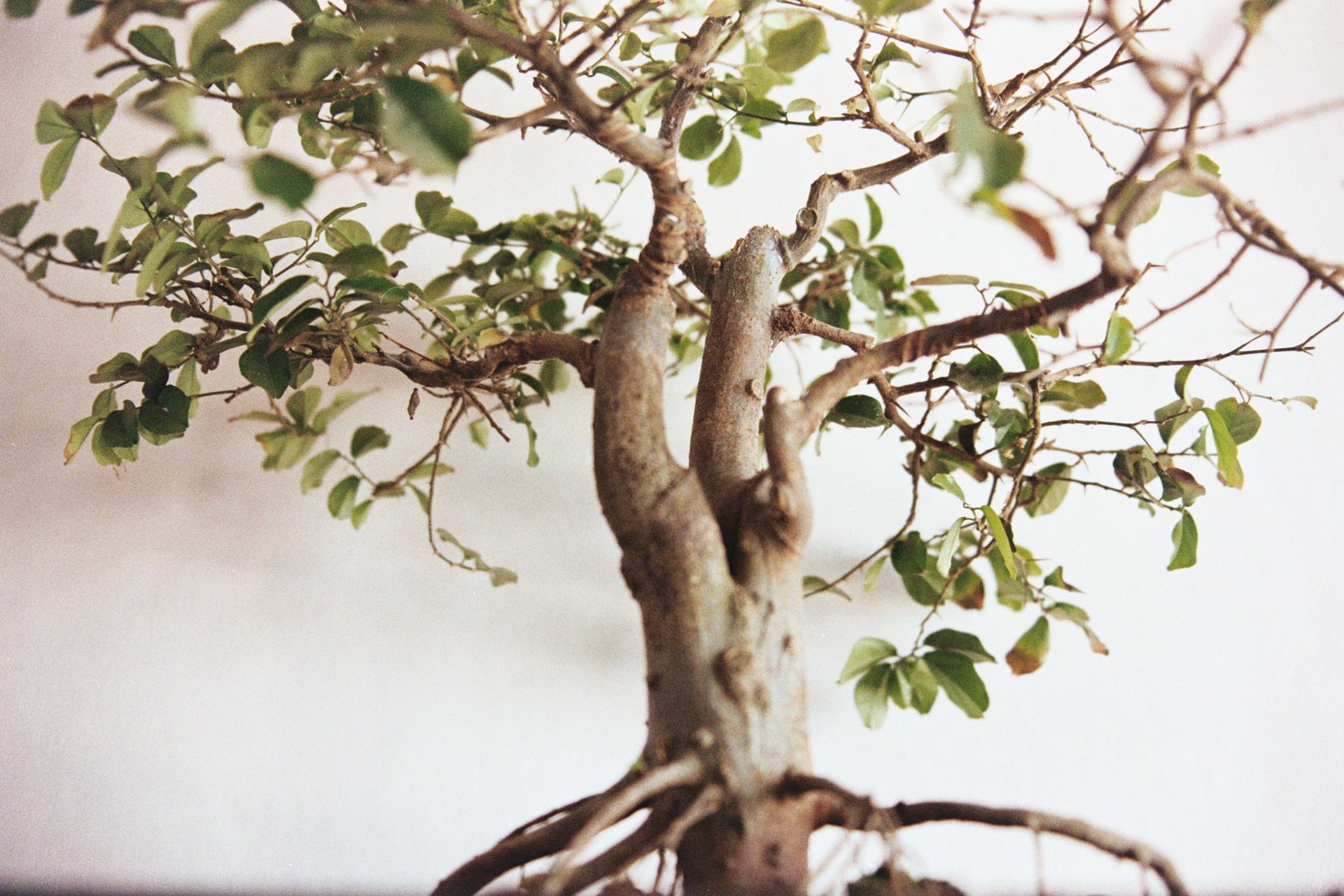
Ikebana, or kadō (the way of flowers), originated from Buddhist offerings in the 6th century. Unlike Western bouquets, which seek abundance, ikebana favours line, space and asymmetry. Its structure is based on three symbolic elements: Shin (Heaven), Soe (Humanity) and Hikai (Earth). Several schools exist, including the Ikenobo school, the oldest, as well as the Ohara and Sogetsu schools, which have modernised traditional forms.
Arrangements use a kenzan (flower frog) and special scissors (hasami). Each arrangement reflects the season and captures an ephemeral moment in nature. To deepen your understanding of this philosophy, explore Japanese customs that influence these practices.
Chadō: the tea ceremony
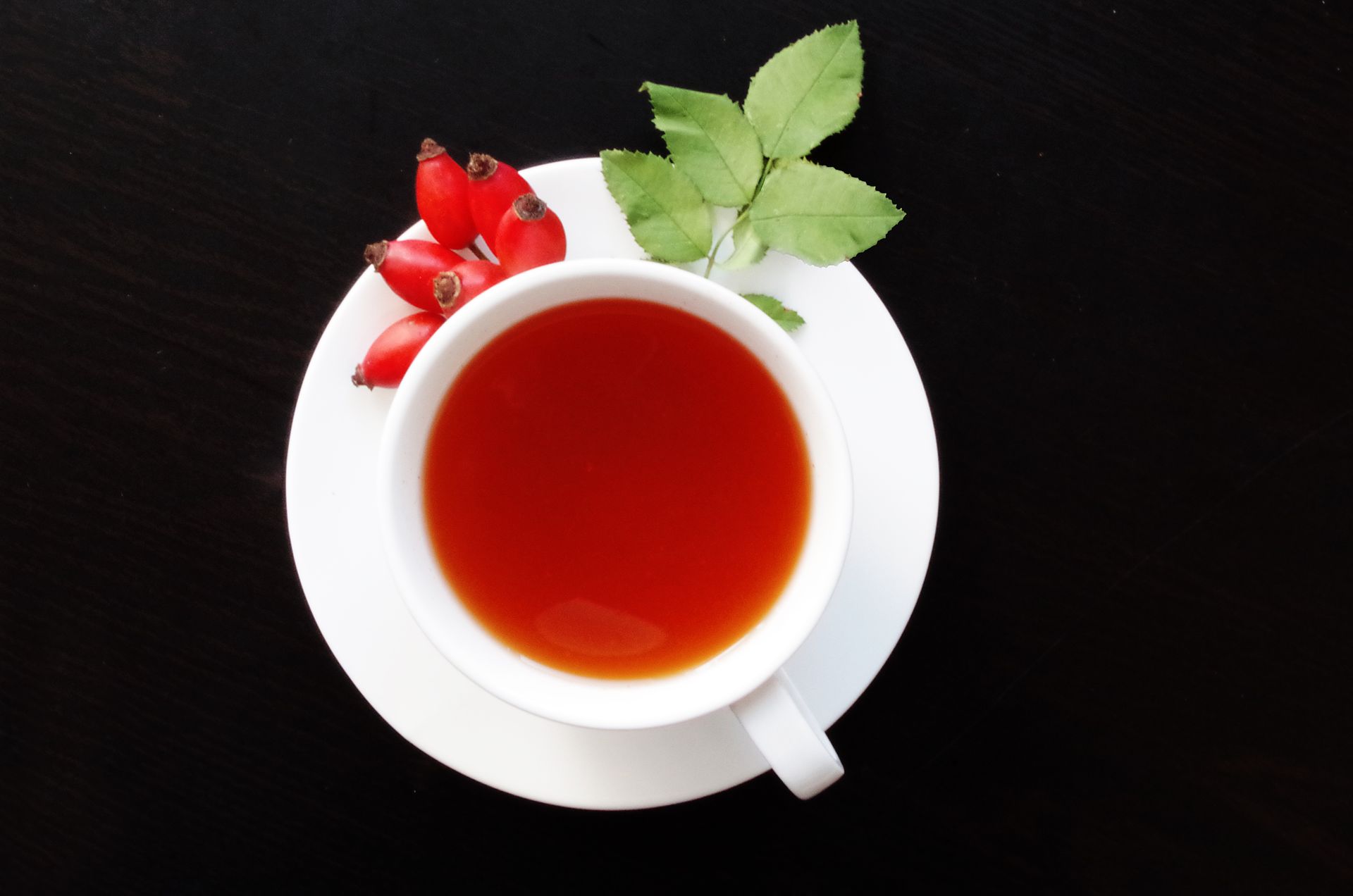
The tea ceremony embodies Japanese hospitality and mindfulness. Every gesture is codified, from folding the cloth (chakin) to the way the bowl is turned. This practice teaches four fundamental principles: wa (harmony), kei (respect), sei (purity) and jaku (tranquillity). Participants learn to appreciate silence, understated aesthetics and human connection.
Chadō classes generally require a higher level of commitment than other disciplines, as they involve learning Japanese social etiquette. To better understand this art, see our guide to the tea ceremony in Japan.
Shodō: Japanese calligraphy
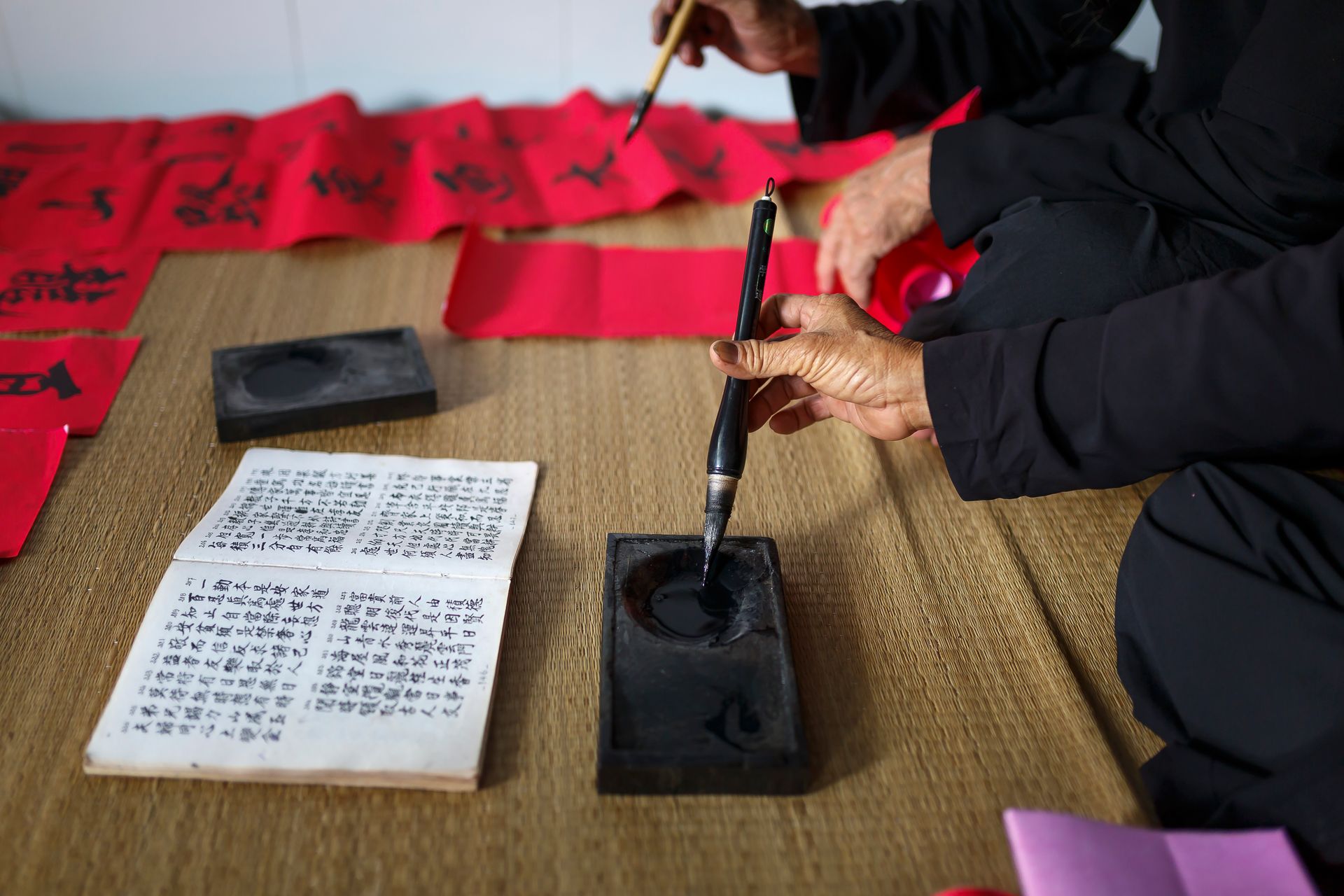
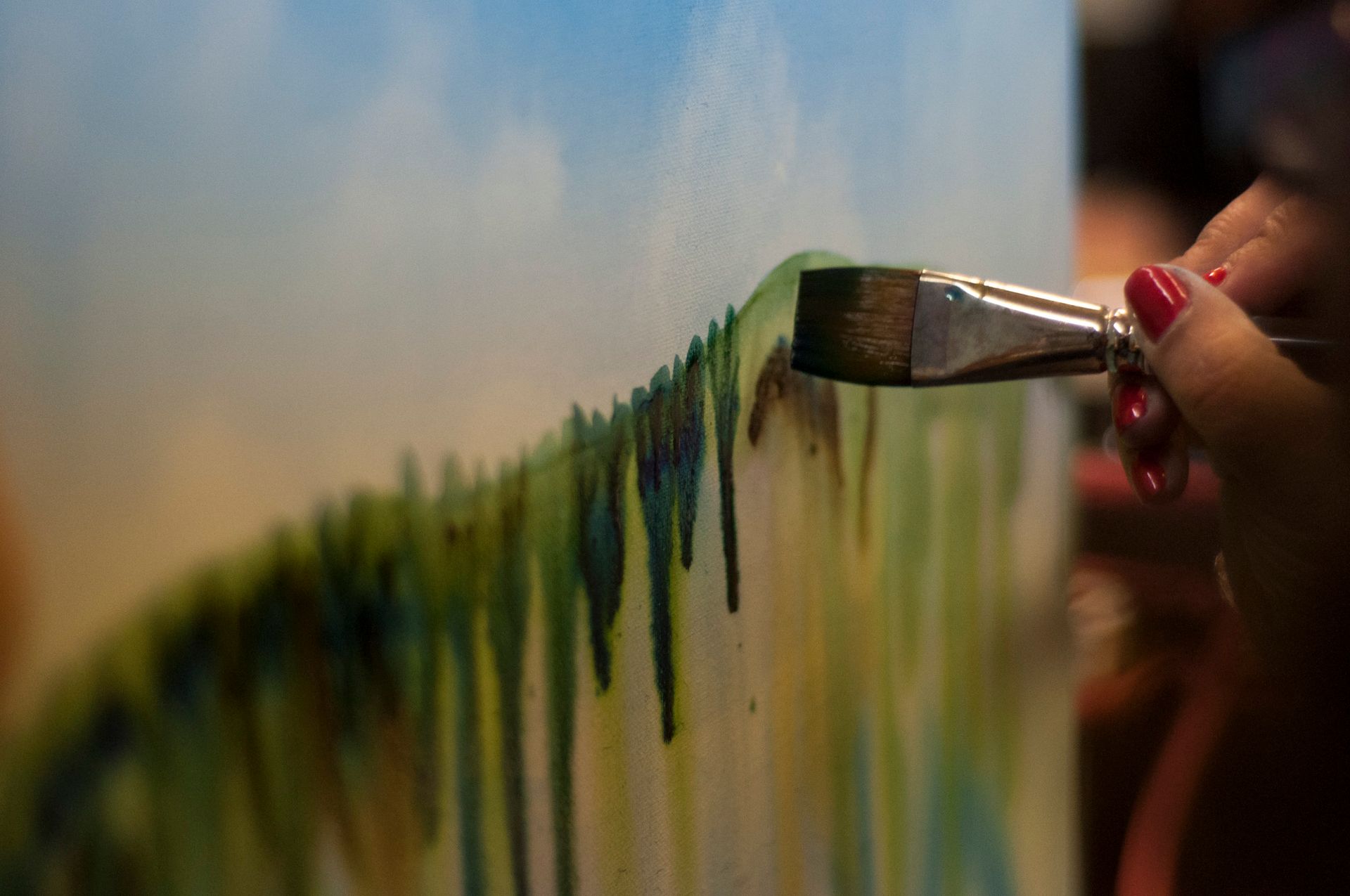
Japanese calligraphy transforms writing into meditation. Practitioners use a brush (fude), ink (sumi) and washi paper to draw kanji or kana characters. The quality of the stroke reveals the calligrapher's state of mind: hesitation, fluidity or determination can be read in every curve.
Beginners start by mastering posture, how to hold the brush and the basic strokes before progressing to more complex compositions. This discipline develops concentration and self-mastery.
Kintsugi: the art of repairing with gold
Kintsugi involves repairing broken pottery with lacquer mixed with gold powder. Rather than concealing the cracks, this technique enhances them, transforming the repaired object into a unique work of art. This philosophy reflects acceptance of imperfection and the beauty of the passage of time.
Kintsugi workshops attract those seeking a metaphor for personal resilience. The practice requires patience and precision, as the lacquer-drying process can take several weeks.
How to Choose and Get Started in a Traditional Art
Choosing a discipline depends on your temperament, your goals and the time you can devote to it. Some arts produce visible results quickly, while others require years of practice.
Selection Criteria Based on Your Profile
If you are looking for visual serenity and direct contact with nature, ikebana is an excellent starting point. Those drawn to writing and concentration will prefer shodō. People who value social ritual and etiquette will gravitate towards chadō. Finally, if you are looking for a practice symbolising resilience, kintsugi offers a unique therapeutic approach.
Most disciplines offer half-day introductory classes, allowing you to try them before committing to regular study. These experiences are also an excellent introduction to culture and everyday life in Japan.
Difficulty Level and Progression
Ikebana is generally considered the most accessible discipline for beginners. Your first arrangements can be completed during the very first session. Shodō requires a longer period of technical training, as mastering the brush takes months of practice. Chadō requires memorising numerous ritual gestures and developing a thorough understanding of Japanese etiquette, making it the most demanding discipline.
Kintsugi is at an intermediate level: the basic technique can be learnt quickly, but mastering the gold finishing requires experience. Each discipline has a grading or level system, allowing you to measure your progress over the years.
Equipment Needed to Get Started
For ikebana, you will need a kenzan, hasami scissors and a suitable vase. Schools generally provide this equipment during introductory classes. In calligraphy, the basic equipment consists of a brush, an ink stick, an inkstone and washi paper. Kintsugi requires urushi lacquer, gold powder and specialised tools, often provided by the workshop.
For the tea ceremony, the initial investment is higher: a tea bowl (chawan), a bamboo whisk (chasen), a spoon (chashaku) and matcha powder. Schools generally lend these utensils to beginners.
Where to Practise Traditional Arts in Japan
The choice of location has a profound influence on the learning experience. Some cities offer an authentic historical setting, while others provide more modern and accessible approaches.
Kyoto: the heart of tradition
Kyoto remains the spiritual capital of traditional arts. Classes often take place in centuries-old machiya (traditional wooden houses), near historic temples. The atmosphere is steeped in history, and masters pass on techniques preserved for generations. The Gion and Higashiyama districts are home to numerous authentic workshops.
The city also organises public demonstrations during seasonal festivals, allowing you to watch masters at work before signing up for a class.
Tokyo: modernity and accessibility
Tokyo offers a balance between tradition and modernity. The Asakusa district is home to many workshops offering classes in English, making them more accessible to non-Japanese speakers. Tokyo schools often take a more flexible approach, with individual classes rather than long-term commitments.
The capital also allows you to combine artistic learning with other cultural activities. To organise your stay, see our guide to transport in Japan so that you can travel easily between the different places to practise.
Other cities and regions
Kanazawa, renowned for its crafts, offers excellent kintsugi and lacquerware classes. Nara offers introductions to ikebana in an exceptional natural setting, surrounded by temples and historic gardens. Rural areas sometimes allow for more intimate experiences, with masters welcoming only a limited number of students.
Some Buddhist temples also offer retreats combining Zen meditation and artistic practice, providing a complete spiritual experience.
Cultural Integration through Traditional Arts
For French-speaking expats, practising a traditional art provides a valuable gateway into Japanese society. These disciplines encourage genuine encounters and offer an understanding of deep cultural values.
Social and community benefits
Traditional arts classes bring together Japanese people of all ages and from all professions. Unlike the often formal interactions of everyday life, the workshop creates a space for sharing where social barriers fade away. Foreign students are generally welcomed warmly, and their interest in Japanese culture is appreciated.
Attending a class regularly allows you to build lasting relationships and receive invitations to community events, such as ikebana exhibitions or public tea ceremonies. This gradual integration greatly enriches social life and leisure in Japan.
Understanding Japanese values
Traditional arts teach essential concepts of Japanese culture: respect for the teacher (sensei), the importance of the process over the result, the value placed on patient effort (ganbaru) and acceptance of imperfection. These values can be found in every aspect of daily life in Japan, from work to personal relationships.
Regular practice also develops sensitivity to the seasons (shiki), which is central to Japanese culture. Each discipline adapts to seasonal changes, whether in the choice of flowers for ikebana or calligraphic motifs for shodō.
Impact on personal development
Beyond technical learning, these disciplines transform the way you perceive time and space. Regular practice develops patience, concentration and the ability to find beauty in simplicity. Many practitioners report reduced stress and improved emotional management.
The meditative approach of these arts offers a valuable counterpoint to the frantic pace of modern life, particularly in Japan's major cities.
Practical and Logistical Considerations
Organising your introduction to traditional arts requires minimal preparation to make the most of the experience.
Class budgets and fees
One-off introductory classes generally range from 5,000 to 15,000 yen, depending on the discipline and setting. Workshops in historic locations or including a complete ceremony are more expensive. Regular classes (monthly) often offer reduced rates.
Equipment is generally provided during the first sessions, but personal investment becomes necessary for regular practice. Allow for an additional budget for supplies if you wish to practise at home.
Booking and language
Many workshops in Tokyo and Kyoto offer classes in English, and some in French. Online booking platforms make it easy to register, with detailed descriptions and reviews from previous participants. For classes taught only in Japanese, a basic level is generally sufficient, as teaching relies heavily on visual demonstration.
Book several weeks in advance, particularly during the tourist seasons (spring and autumn), as places are limited at authentic workshops.
Clothing and etiquette
Wear discreet, comfortable clothing that allows you to sit on the floor. For the tea ceremony, clean white socks (tabi) are often required. Avoid strong fragrances that could interfere with the smell of the tea or flowers.
Arrive a few minutes early and greet the master and the other participants respectfully. During the class, observe carefully before asking questions. This learning-by-observation approach (minarai) is valued in Japanese teaching.
| Discipline | Introductory session duration | Average price | Equipment provided | Language available |
|---|
| Ikebana | 2 to 3 hours | 5,000 to 8,000 yen | Yes | English, sometimes French |
| Chadō | 2 to 4 hours | 8,000 to 15,000 yen | Yes | English, Japanese |
| Shodō | 1.5 to 2 hours | 4,000 to 7,000 yen | Yes | English, Japanese |
| Kintsugi | 3 to 4 hours | 8,000 to 12,000 yen | Yes | English |
Continuing the Experience after the Introduction
A one-off introductory session offers a valuable insight, but true transformation comes with regular practice.
Continuing to learn in Japan
If you live in Japan, joining a local school allows you to deepen your practice. Weekly or monthly classes create a beneficial meditative routine. Some schools organise annual exhibitions where students present their creations, providing additional motivation.
Long-term expats may even consider taking level examinations, recognised by the national federations of each discipline. These certifications attest to your proficiency and can enrich your personal journey.
Practising from abroad
Many Japanese schools have international branches. The Ikenobo ikebana school, for example, has representatives in several French-speaking countries. These organisations allow you to continue learning with an authentic teaching approach, even far from Japan.
Online classes are also developing, although distance learning has limitations for disciplines that are so tactile and sensory. Nevertheless, they are a useful supplement between trips to Japan.
Creating a practice space at home
Setting up a space dedicated to your artistic practice encourages regularity. For ikebana, a spot near a window with natural light is ideal. For calligraphy, a stable table and storage for your equipment are sufficient. The important thing is to create an environment conducive to concentration, free of clutter and reflecting the wabi-sabi aesthetic.
Gradually investing in quality equipment improves the experience and demonstrates your commitment to your chosen path.
Frequently asked questions
What is the difference between ikebana and a Western bouquet?
Ikebana favours asymmetry, clean lines and the space between the elements, unlike Western bouquets, which seek symmetry and floral abundance. Ikebana also emphasises symbolism (Heaven, Humanity, Earth) and harmony with the season, creating a meditative rather than decorative composition.
How long does it take to master a traditional Japanese art?
True mastery takes years, or even decades, of regular practice. However, you can create satisfying ikebana arrangements from your very first sessions. Schools offer grading systems: the first levels are generally achieved after one to two years of dedicated practice.
Are traditional Japanese arts reserved for Japanese people?
Absolutely not. Masters are happy to welcome foreigners with a sincere interest in their discipline. Your cultural curiosity will be appreciated. Many schools offer classes adapted for non-Japanese speakers, and some masters regard international teaching as a cultural preservation mission.
Can you practise several traditional arts at the same time?
Yes, and some disciplines complement each other harmoniously. Ikebana and the tea ceremony share common aesthetic principles. However, each art requires regular commitment in order to progress. It is often advisable to focus on one main discipline before exploring others.
Are traditional arts classes accessible to children?
Yes, many schools offer classes adapted for children, particularly in ikebana and calligraphy. These disciplines develop concentration, patience and creativity. The minimum age varies between schools, but generally starts at around six or seven for fun workshops.
Do you need to know about Zen philosophy to practise these arts?
No, philosophical understanding develops naturally through practice. Masters gradually introduce Zen concepts through movements and exercises. Physical and sensory experience often comes before intellectual understanding, making these arts accessible to everyone, regardless of their prior philosophical background.