Mastering the Art of Everyday Life in Japan
Moving to Japan is about more than a change of scenery. It is an immersion in a world governed by age-old codes, an invisible politeness and a unique social harmony. Discover how to navigate Japanese culture with elegance.
Japanese customs are based on the concept of Wa (collective harmony): absolute punctuality, keeping noise to a minimum, respect for shared spaces and consideration for others. Everyday etiquette requires you to remove your shoes at the entrance, bow according to the context, never stick your chopsticks into rice and respect silence on public transport. These unwritten rules govern every interaction, from the konbini to the temple, and reflect a profound mutual recognition.

A Society of Harmony (Wa)
In 2026, despite its rapid technological modernisation, Japan remains rooted in the concept of "Wa" (harmony). Every social interaction, from a simple purchase at a konbini to a formal business meeting, is one piece of this collective puzzle.
For French-speaking expats, understanding these implicit rules is the key to successful integration. It is not simply about politeness, but a way of saying: « I acknowledge your presence and respect the space we share ». This consideration for others is reflected in exemplary punctuality, constant discretion when it comes to noise and an almost military-style yet always benevolent social organisation.
In this guide, we will explore culinary rituals, non-verbal codes, the use of public spaces and the spiritual dimension that runs through everyday life. To take your move further, do not hesitate to consult our complete guide to living in Japan.
"Respect in Japan is not spoken; it is lived through every everyday gesture."
The Pillars of Japanese Etiquette
Punctuality (Jikan Genshu)
In Japan, arriving on time already means being late. Punctuality is the foundation of mutual trust. For a 14:00 appointment, plan to be there at 13:55.

Non-Verbal Communication
Learn to "read the air" (Kuuki wo yomu). Silences and looks matter just as much as words.
Giri & Reciprocity
The concept of Giri (social duty) requires you to return a service or gift you have received.
Discretion
Avoid speaking loudly on the phone on the underground or eating while walking.
Smiling
A powerful social tool for defusing a situation or expressing embarrassment.
Greeting Simulator (Ojigi)
Choose a scenario to discover the correct bowing angle and the appropriate polite expression.
A slight 15° bow is enough to greet colleagues or neighbours.
Konnichiwa
15°
Bowing angle
Table Manners: Beyond Chopsticks
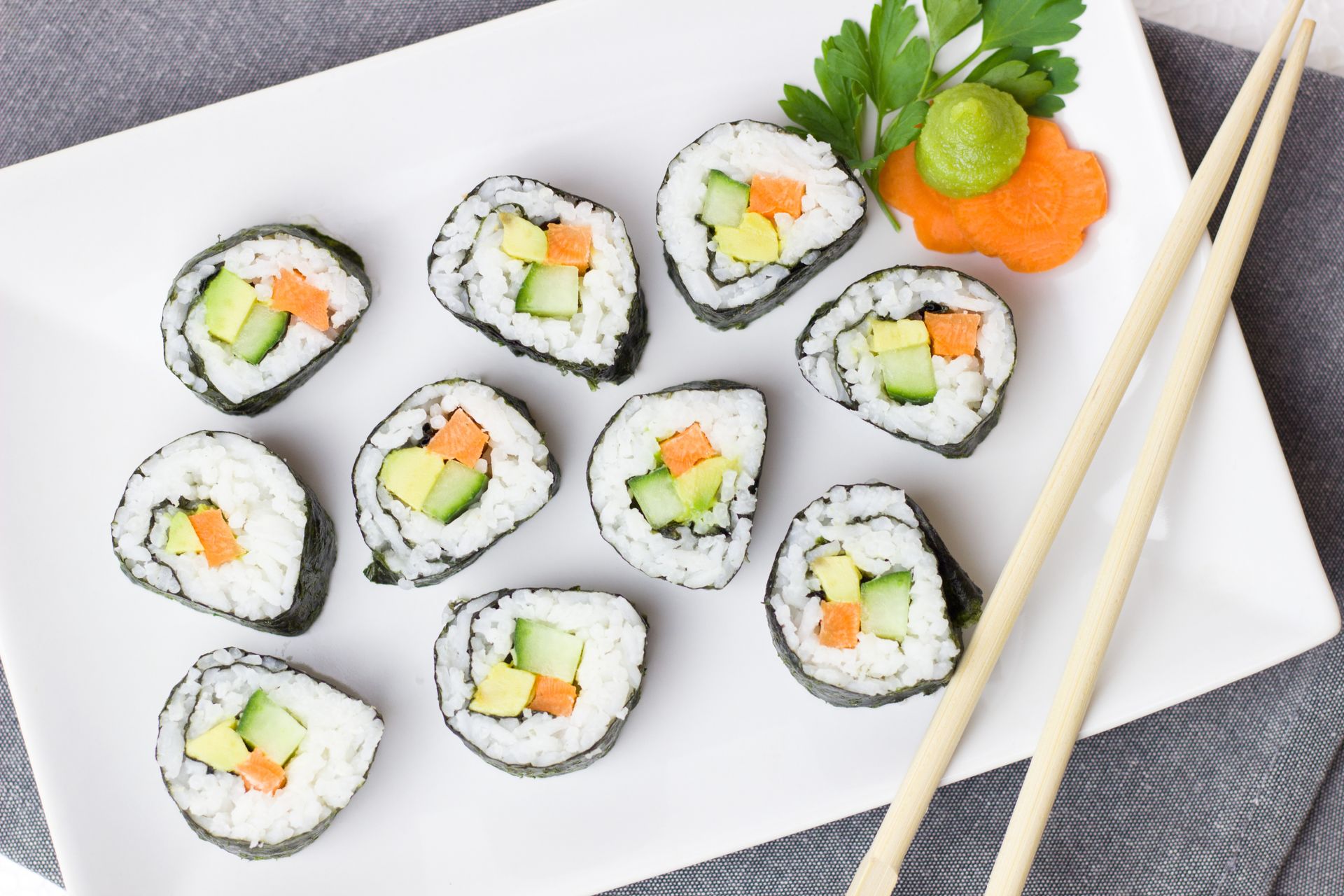
Japanese cuisine is listed as UNESCO intangible cultural heritage, and the rules surrounding it are just as precious. Before beginning, tradition dictates saying « Itadakimasu » (I receive with gratitude), with your hands together. At the end, « Gochisousama » expresses your gratitude to the chef and the ingredients.
Chopstick taboos (Hashi)
- Never stick chopsticks upright in a bowl of rice (as this recalls funeral rites).
- Avoid passing food from chopstick to chopstick.
- Use the chopstick rest (hashioki) rather than placing them on the bowl.
- Slurping your noodles is a sign of enjoyment and allows you to appreciate the aromas better.
For more advice on products and places to eat, see our page on shopping for food and food culture.
Cleanliness and Private Spaces
The separation between the "clean" (soto) and the "unclean" (uchi) is fundamental. At the entrance, the Genkan marks the boundary where outdoor shoes must be removed and replaced with indoor slippers.
Toilet slippers
Never forget to change slippers when entering the toilet, and above all, leave them inside when you come out!
The bathing ritual
In an Onsen or a family bath, wash yourself thoroughly *before* entering the hot water, which is solely for relaxation.
Waste management
Waste sorting is a science in Japan. Observing collection days is crucial for maintaining good relations with your neighbours. See our recycling guide.

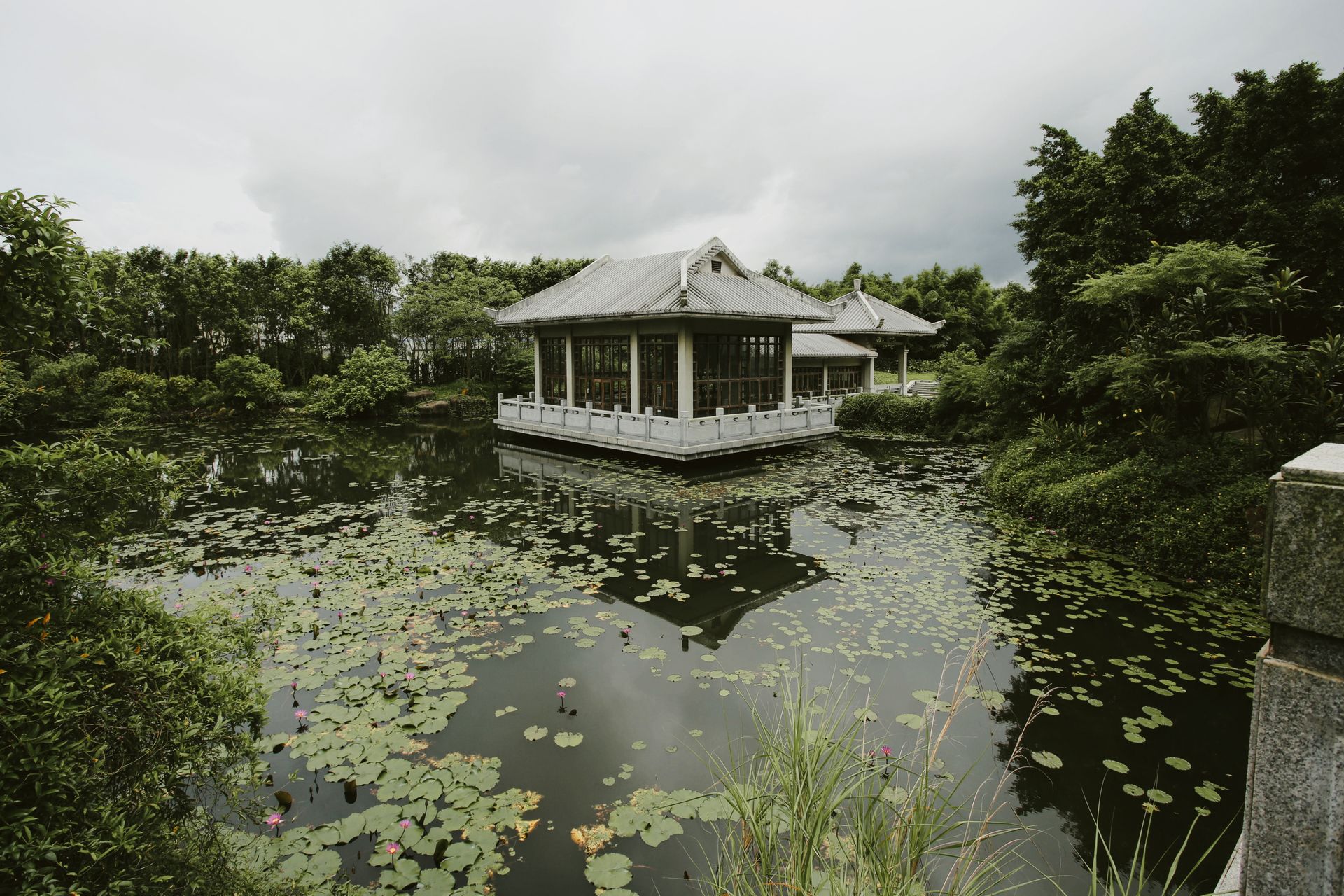
Syncretism: Shinto and Buddhism
Japanese people do not necessarily consider themselves "religious" in the Western sense, but they live according to ancestral rites. People get married at a Shinto shrine, celebrate life with their ancestors through Buddhism and celebrate Christmas purely for the aesthetic pleasure. This peaceful coexistence, tinged with Confucianism when it comes to social values, creates a solid moral framework.
The Shinto Shrine
Dedicated to the Kamis (deities), people come here to ask for protection or success. The ritual: bow twice, clap your hands twice, pray, then bow once more.
Find out more →The Buddhist Temple
A place of meditation and ancestor worship. Incense is burned there to purify the mind. The atmosphere is more solemn and quiet.
Discover the sacred arts →Good Manners in Transit
Japanese public transport is a haven of peace. In 2026, discipline remains the golden rule. People wait for trains in perfectly orderly queues, do not talk on the phone and keep their backpacks in front of them so as not to inconvenience their neighbours.
- ✓ Absolute priority for elderly people and pregnant women.
- ✓ Silent mode ("manner mode") on all devices.
- ✓ Keep left, whether driving or walking through corridors.

Frequently Asked Questions (FAQ)
Is it rude not to speak Japanese? ▼
It isn't "rude", but making the effort to learn the basics (Sumimasen, Arigato) instantly opens the door to kindness. Japanese people greatly appreciate the effort to integrate.
Can I smoke in the street? ▼
Generally, no. Smoking while walking is prohibited in most urban centres. Look for designated "Smoking Areas", often near stations or at the entrance to department stores.
How should I address someone? ▼
Always use the family name followed by the suffix -san. Avoid first names unless you are very close friends.
Is tipping customary? ▼
No, tipping does not exist in Japan and may even be seen as awkward or insulting. Excellent service is considered the norm.
Are tattoos accepted? ▼
Although attitudes are changing in 2026, many Onsens and swimming pools still ban tattoos or ask you to cover them with plasters. Always check in advance.
Should I bring a gift when invited? ▼
Yes, this is the custom of Temiyage. A small, attractively wrapped gift (food or a speciality from your country) is essential to thank your host.
What should I do if I get lost? ▼
Go to the Koban (neighbourhood police box). The police officers are extremely helpful and used to assisting residents and tourists.
What are the rules for sorting waste? ▼
They vary by municipality (Ku). Generally: burnable, non-burnable, PET bottles, cans and cardboard. Follow the timetable provided by your local council carefully.
How do I use Japanese toilets? ▼
They are highly technological. Read our complete guide to understand the control panels and etiquette rules (Otohime).
Can I eat while walking? ▼
This is generally considered rude (except during festivals/matsuri). It is preferable to stop or eat near the place where you bought the food.
Tip: set up a Japan eSIM before departure so your data works on arrival.
Ready for your new life?
Join our community to exchange with other expats and ask all your questions about everyday life in Japan.
Recommended resources