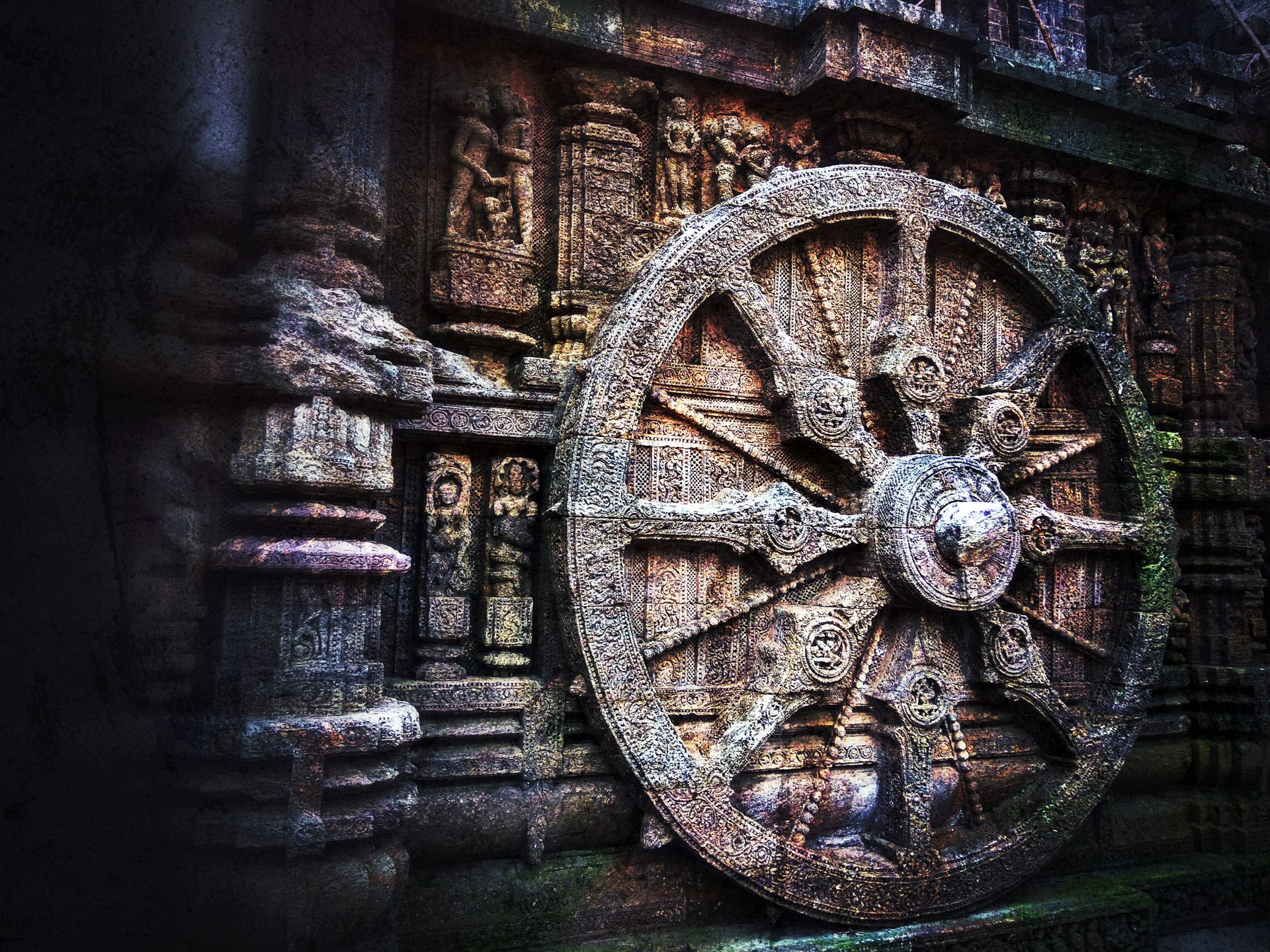
Spirituality & Places of Worship in Japan
Explore the harmony between the sacred and everyday life in the Japanese archipelago in 2026. A comprehensive guide for French-speaking expats.
Religion in Japan is based mainly on the coexistence of Shintoism and Buddhism, without a strict separation between spiritual practices and everyday life. Shinto shrines, Buddhist temples, pilgrimage sites and places for quiet reflection are generally open to visitors, provided they respect the peace and quiet, the instructions and the sacred function of the site.
To organise a spiritual journey, choose a few sites along your route rather than trying to visit too many. Observe the differences between a shrine and a temple, plan suitable clothing and check each place's specific rules before taking photographs or taking part in a ritual.

The Harmony of Japanese Syncretism
In Japan, spirituality is not expressed through exclusive adherence to dogma, but through the harmonious coexistence of age-old traditions. When you arrive in the archipelago, you will quickly see that modernity and the sacred are not opposed: they nourish one another. In 2026, Buddhist temples and Shinto shrines remain the pillars of social cohesion, acting as vital community centres.
A local saying often goes that Japanese people are born Shinto, marry Christian (for aesthetic reasons) and die Buddhist. This unique syncretism defines everyday life in Japan. For an expat, understanding these nuances is essential not only for cultural integration, but also for appreciating the serenity that permeates urban and rural landscapes.
Whether you are looking for a place for personal reflection or are curious to discover Japanese customs, this guide will accompany you as you explore faith and spirituality in the Land of the Rising Sun.
A Diverse Spiritual Landscape
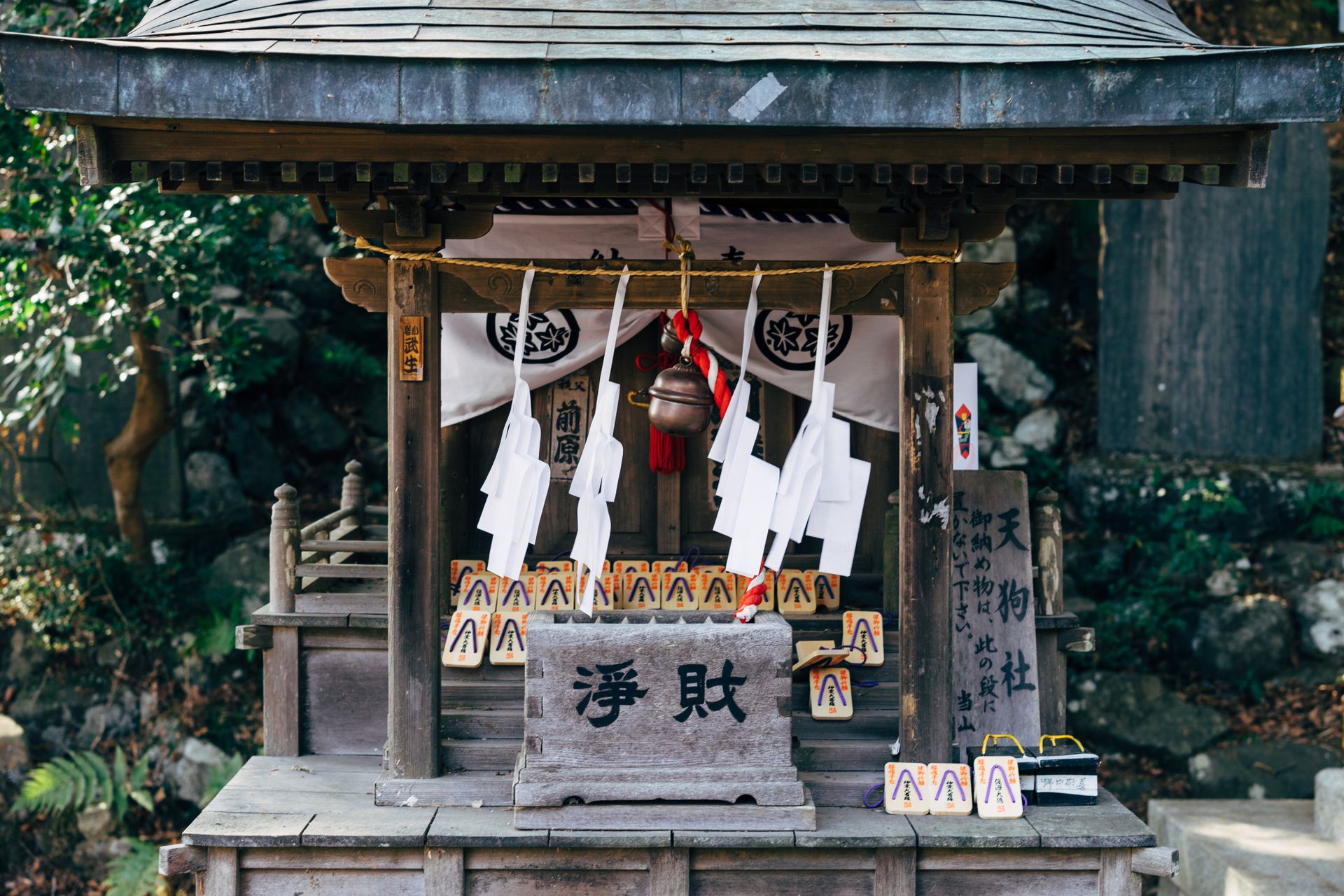
Shintoism: The Way of the Kami
Japan's indigenous religion, centred on the veneration of nature and ancestors. Shrines (Jinja) are recognisable by their red Torii gates.
Nature WorshipO-Tera
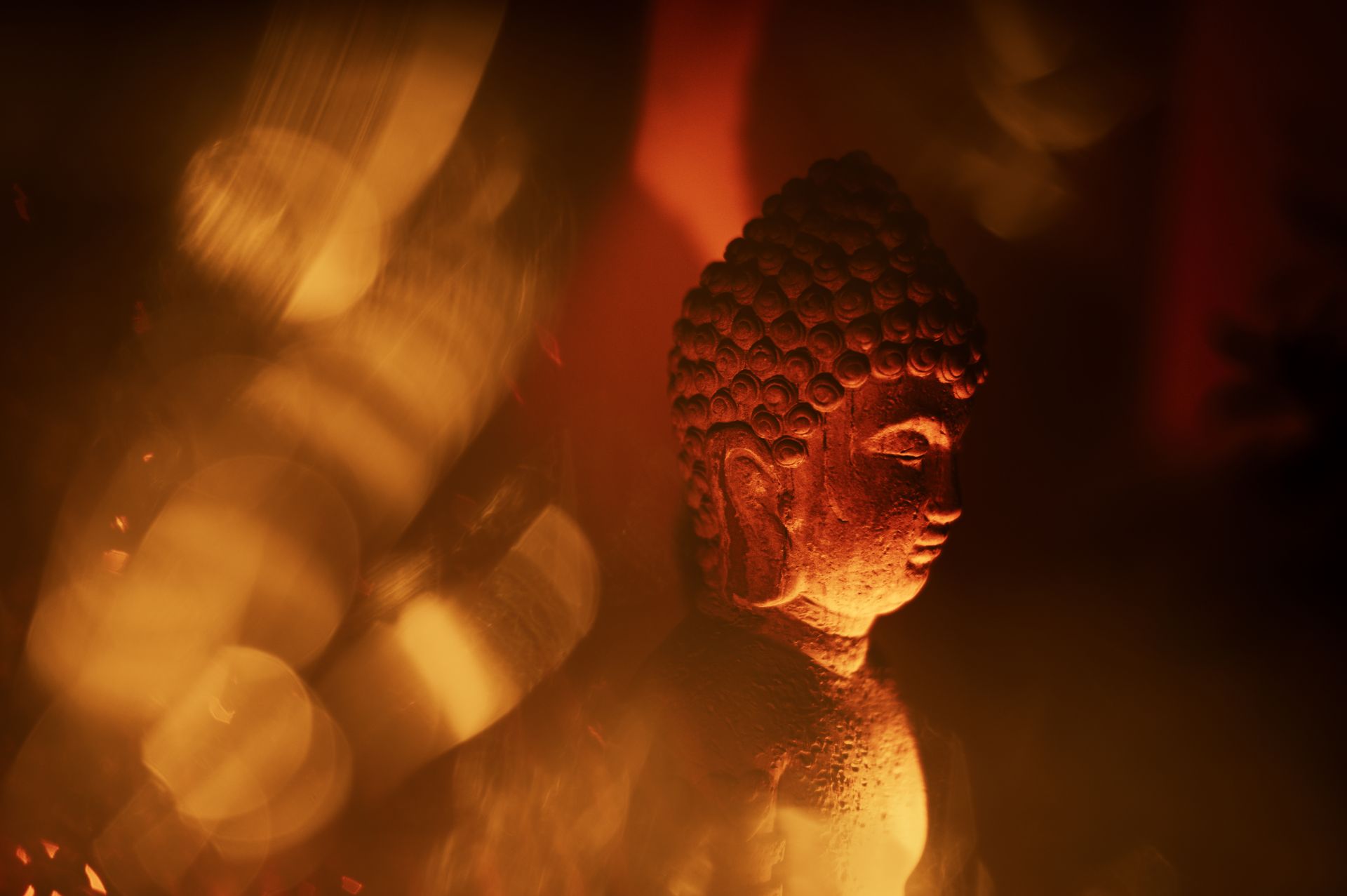
Japanese Buddhism, introduced in the 6th century, focuses on the pursuit of enlightenment and funeral rites. Temples (Tera) house statues of Buddha and Zen gardens conducive to meditation.
Minorities & Diversity
- Christianity: Present since the 16th century, and very popular for Western-style weddings.
- Islam: Growing rapidly in major cities as the expat population increases.
- Judaism & Hinduism: Active communities mainly in Tokyo and Kobe.
Tokyo Focus
Sensō-ji in Asakusa remains the beating heart of popular Buddhism, attracting millions of worshippers every year.
Kyoto Focus
Fushimi Inari-taisha offers a unique mystical experience through its thousands of torii gates winding up the mountain.
Practising Your Religion Abroad
Moving to Japan does not mean giving up your personal beliefs. Major cities such as Tokyo, Osaka and Kobe have a range of religious facilities offering services suitable for foreigners.
Multilingual services: Many churches and mosques offer sermons in English, French or Spanish.
Dietary options: The growth of tourism and expat communities has encouraged the rise of Halal- or Kosher-certified restaurants, particularly in international neighbourhoods.
To find out more about support networks, see our section on French-speaking associations in Japan.

"Finding my community at Tokyo Cathedral helped me feel at home much more quickly."
— Marc, an expat in Tokyo for 4 years.
Spiritual Pilgrimage Calculator
Estimate the budget and time needed for your cultural visits in 2026.
Estimated time
-- days
Ritual budget
-- ¥
The Guide to Sacred Objects
Omamori
Protective amulets sold at temples. They cover everything: health, academic success, road safety or love.
Rule: Never open the pouch!
Ema
Wooden plaques on which worshippers write their wishes to the deities before hanging them at the shrine.
Tip: Look at the drawings on the back.
Goshuin
Hand-calligraphed seals in a special book (Goshuincho). They are proof of your visit and devotion.
Collection: A unique work of art.
Omikuji
Fortune predictions drawn at random. If the prediction is bad, it is tied to a tree to leave the misfortune behind.
Use: A guide for the year.
Unforgettable Spiritual Experiences
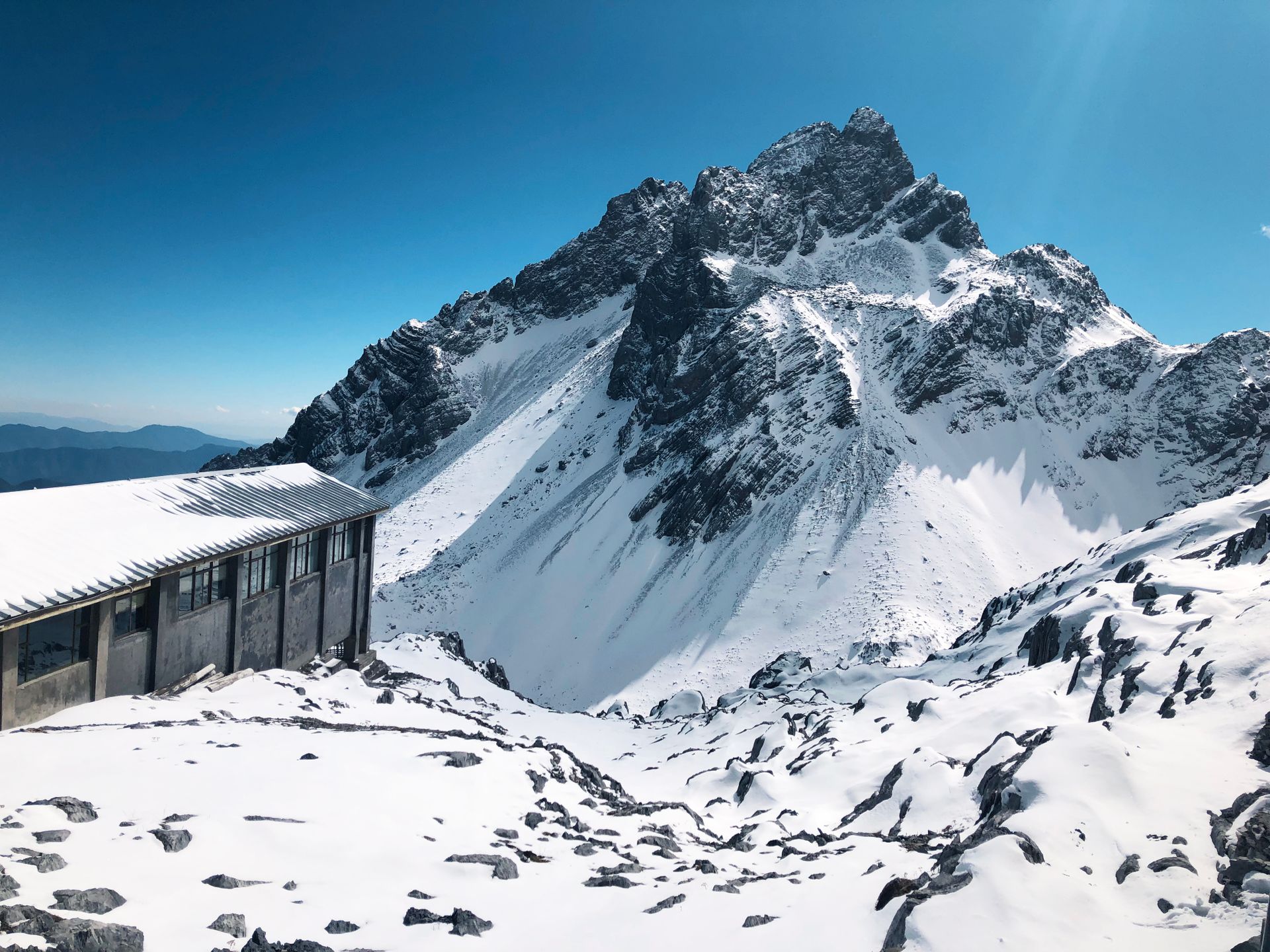
Kitaguchi Hongu Fuji Sengen
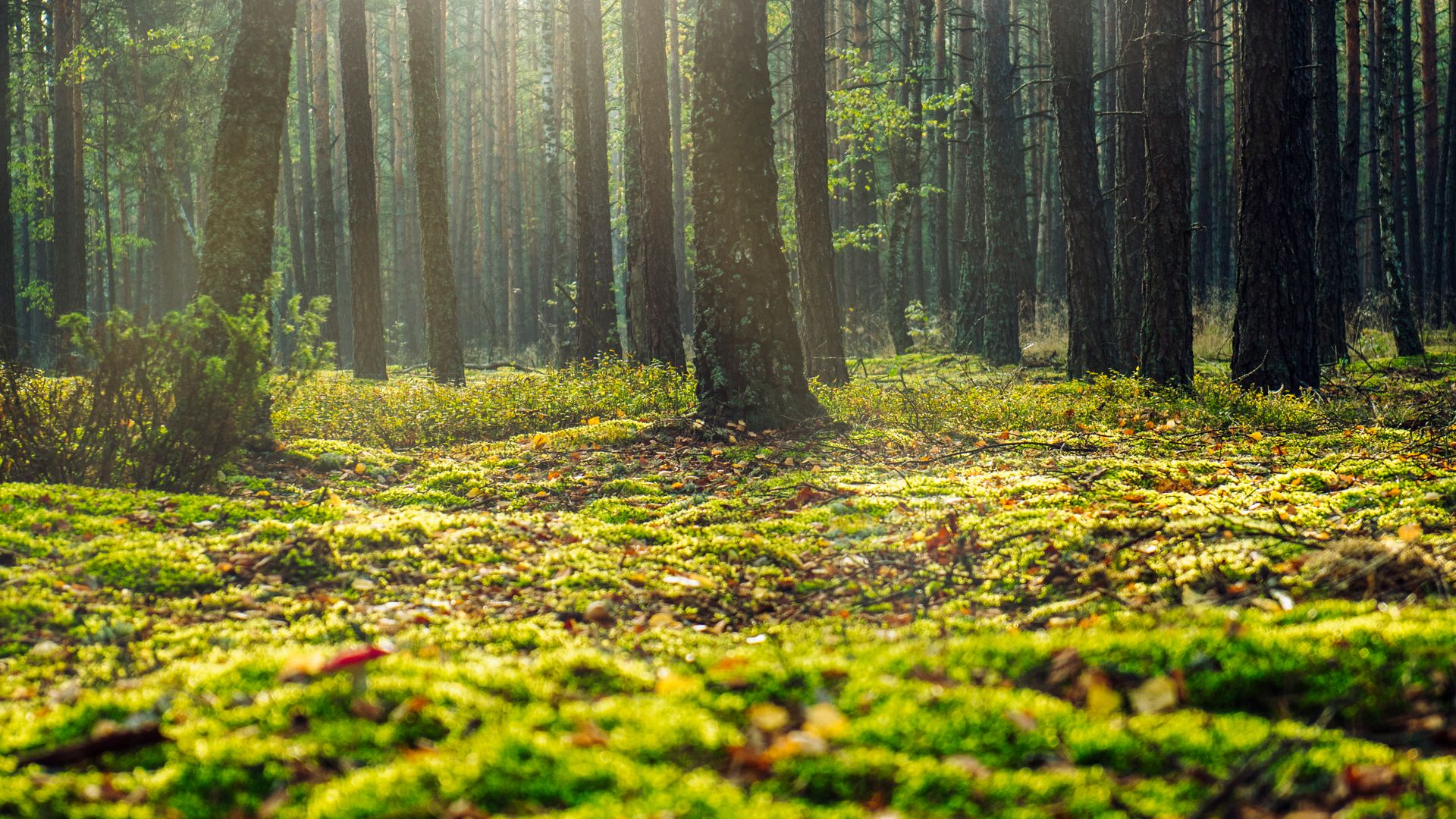
Located at the foot of Mount Fuji, this shrine is the historic gateway for pilgrims climbing the sacred mountain. The atmosphere is steeped in mystery, among ancient trees and moss-covered stone lanterns. A perfect place to feel the power of nature.
The Village of Takachiho
Considered one of the cradles of Japanese mythology on the island of Kyushu. This is where the sun goddess Amaterasu is said to have hidden in a cave. Sacred dance performances (Kagura) take place there every evening. A journey to the origins of Japan.
Challenges & Solutions for Worshippers
Language Barrier
Most rituals are conducted in old Japanese. However, many temples now offer brochures in French or English. Do not hesitate to use translation apps to understand the purification signs.
Community Isolation
Outside the major cities, non-Japanese places of worship are rare. Groups on are an excellent way to stay connected and find private prayer rooms.
Etiquette
Silence and discretion are paramount. Learn the basic gestures: two bows, two claps and a final bow at shrines. Avoid taking photos in marked sacred areas.
Everyday Adaptation
In 2026, more and more offices are offering neutral meditation spaces. Speak to your HR department if you have specific needs during your professional life in Japan.
Frequently Asked Questions
Can I visit a temple if I am not Buddhist?
Absolutely. Japanese places of worship are open to everyone, regardless of faith. Respecting the rules of conduct is the only requirement.
How much does it cost to enter a temple?
Many Shinto shrines are free. Large, famous temples, such as those in Kyoto, generally charge between 300¥ and 800¥ to maintain the buildings.
What is the Temizu ritual?
It is the water purification ritual at the entrance to shrines. You wash your hands and rinse your mouth using a wooden ladle (hishaku).
Is it possible to attend a monks’ ceremony?
Yes, particularly in the morning (O-tsutome). Some temples in Koyasan even offer Shukubo (temple accommodation) for a fully immersive experience.
Where can I find information about minority religions?
The French Embassy or the expat services directory can provide lists of Christian, Muslim and Jewish places of worship.
Can you take photos inside?
Outside the buildings, generally yes. Inside prayer halls housing national treasures, it is almost always strictly prohibited.
What should I do with old Omamori?
Do not throw them in the bin. Return them to a temple so that they can be ritually burned during the end-of-year ceremonies.
Are tattoos a problem?
Not in temples and shrines (public places), unlike onsens, where they may be prohibited.
Are there any French-speaking guides for these visits?
Consult our service directory to find accredited guides specialising in the history of religions.
What is syncretism?
It is the blending of beliefs. In Japan, Shinto and Buddhism merged over centuries, creating shared deities and rituals.
To get online as soon as you land, a Japan eSIM can be installed before you leave, with no need to look for a local SIM card.
Share your spiritual experience
Join our community to ask questions, share your photos of Goshuin or find pilgrimage companions.