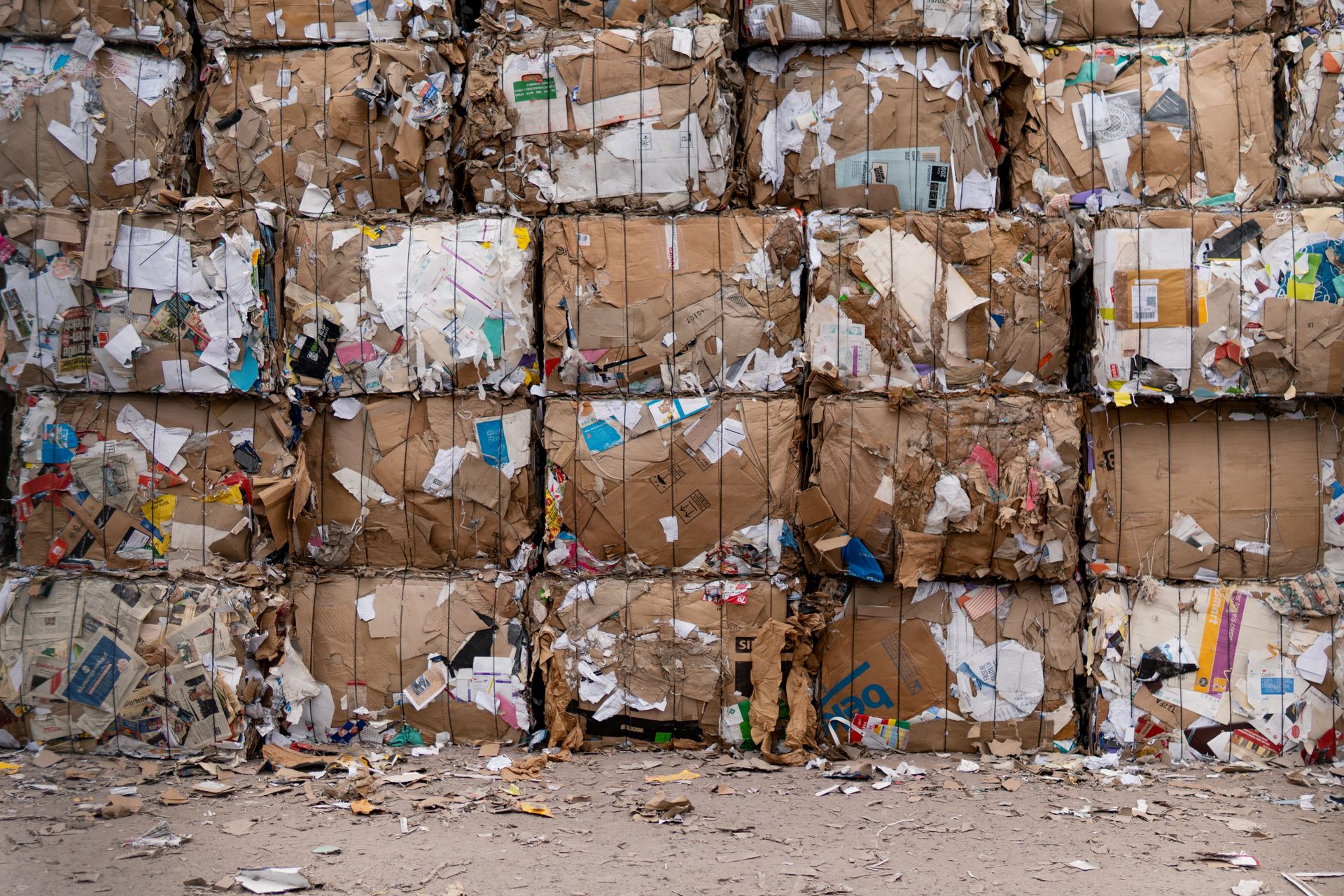
The Art of Recycling in Japan: The Ultimate Guide for Expats
Master the rules of waste sorting, understand the “Mottainai” philosophy and fit seamlessly into your neighbourhood through exemplary waste management.
Au Japon, le recyclage repose sur le tri local des déchets, le respect des jours de collecte et des consignes de votre municipalité. Les règles changent selon la ville, l’arrondissement ou le village : vérifiez donc le calendrier officiel avant de sortir un sac. Séparez soigneusement les déchets combustibles, non combustibles, recyclables et encombrants, puis utilisez le point de collecte indiqué.
Pour les visiteurs, le plus simple consiste à conserver ses emballages jusqu’à trouver une poubelle adaptée ou à les rapporter à son hébergement. Pour les résidents, le guide distribué par la mairie précise les sacs autorisés, le lavage des contenants et les modalités applicables aux objets particuliers.

Why is waste sorting a religion in Japan?
As soon as you arrive at your home in Japan, you will notice one thing: the immaculate cleanliness of the streets despite the almost total absence of public bins. This paradox is based on an immense sense of individual responsibility. In 2026, waste management is no longer merely a matter of hygiene; it is an essential act of citizenship for your local integration.
Each municipality (or “Ku”) has its own rules, bags and collection calendar. Ignoring these rules means exposing yourself not only to administrative penalties, but above all to strong social pressure from your neighbours.
The 4 Main Everyday Categories
Understanding household waste sorting step by step.
Moeru Gomi (Combustible Waste)
The most common category (generally collected twice a week). It includes food waste, small soiled paper items, nappies and certain non-recyclable plastics.
- Use your city’s official bags (often yellow or transparent).
- Drain food waste thoroughly to reduce its weight.

Shigen (Recyclables)
PET bottles, aluminium cans, glass and newspapers. Special care is required: rinse them and remove the caps and labels.
Moenai Gomi
Non-combustible Waste
Metal, ceramics and small electrical appliances. Collected infrequently (often once a month).
Sodai Gomi
Bulky waste: furniture and bicycles. Requires an appointment and the purchase of tax stamps at a konbini.
Waste-Sorting Simulator & Calendar
Select an item to find out how to prepare it and when to put it out.
The “Mottainai” Concept
The term Mottainai (もったいない) expresses regret at waste. It is a philosophy that permeates every Japanese household. Beyond the simple act of throwing something away, it reflects a deep respect for the object and the resources used.
This is reflected in daily rituals that every expat must learn in order to integrate successfully:
Washing everything thoroughly
Plastic packaging can only be recycled if it is spotless. Rinse your yoghurt pots and sauce bottles.
Stripping bottles
Remove the cap, tear off the plastic label and dispose of them separately from the PET bottle.
Labelling and visibility
Some neighbourhoods require you to write your name or flat number on the bag to ensure traceability.
The town aiming for absolute “Zero Waste”
“In Kamikatsu, in the heart of Tokushima, recycling is not an option; it is an economic and ecological necessity.”
There are no collection lorries here. Residents bring their own waste to the central station. Waste is sorted into 45 distinct categories. Disposable chopsticks are turned into paper, while bottle caps are melted down to recreate high-density plastic.
To find out more about regional specificities, see our geographical guide to Japan.

Energy Recovery
Japan uses high-tech incineration to generate electricity from non-recyclable waste.
Filtration Technology
Japanese plants are so clean that they are often located in the city centre, next to parks.
Circular Economy
The Home Appliance Recycling Law requires manufacturers to take back old products.
How do you dispose of bulky waste (Sodai Gomi)?
Make an appointment
Call the Sodai Gomi centre or book on its website (often 2 weeks in advance).
Buy the ticket
Go to Lawson, 7-Eleven or FamilyMart. Ask for “Sodai Gomi Ken” for the amount indicated.
Label the item
Stick the completed ticket clearly onto your furniture or appliance.
Put it out at the collection point
On the day itself, put the item at the designated collection point outside your home before 8am.
The community’s advice
“Never throw away a piece of furniture in good condition! Use ‘Sayonara Sales’ Facebook groups or the Mercari app. Japanese people love quality second-hand goods, and this will save you from paying collection fees.”
Discover support networksRecycling: Japan vs France
| Feature | Japan | France / Europe |
|---|---|---|
| Collection location | Outside the house or at a neighbourhood collection point (Gomi-station) | Large municipal containers or door-to-door collection |
| Plastic bags | Official paid bags by city (tax included) | Any bags (yellow recycling bags) |
| Rinsing | Mandatory and strict (must be dried) | Recommended but not systematically checked |
| Social pressure | High (your neighbours monitor sorting) | Low to moderate |
Frequently asked questions about waste
What happens if I put it out on the wrong day?
The “crow” or collection worker will leave a yellow refusal sticker on your bag. You will have to pick it up, take it back home and wait for the next corresponding collection.
Where can I find the collection calendar?
At your local ward office when you complete your residential registration, or via apps such as “Gomi Navi”.
Why are there no bins in the street?
Since the 1995 sarin gas attack, most bins have been removed for security reasons. The rule is simple: take your rubbish home.
Where can I throw away cans and bottles when I’m out?
Look for vending machines; they almost always have a small receptacle next to them.
Are plastics really recycled?
Japan faces a challenge: much of its plastic is actually incinerated for energy (thermal recycling). However, PET bottles achieve world-leading rates of genuine material recycling.
How should I dispose of a frying pan?
Generally in “Moenai Gomi” (non-combustibles), unless it exceeds 30cm, in which case it becomes “Sodai Gomi”.
What about batteries?
Never throw them in normal bags (fire risk). Special boxes are available at post offices or electronics shops.
What if I don’t speak Japanese?
Ward offices provide very clear illustrated guides. You can also consult our guide to managing daily life without Japanese.
Can I use supermarket plastic bags?
In most large cities, no. You must buy the specific bags sold in supermarkets, which include the treatment tax.
What should I do with used cooking oil?
Never pour it down the sink. Use solidifying products (“Katameru Temple”) or absorb it with newspaper before putting it in the combustibles.
Official Resources and Additional Guides
Tip: set up a Japan eSIM before departure so your data works on arrival.
Ready to move to Japan?
Recycling is just one aspect of your new life. Discover our complete guide to finding your future home with peace of mind.