Master the Art of the Brushstroke
Discover the best Japanese calligraphy (Shodō) workshops in Tokyo in 2026. A spiritual immersion in a thousand-year-old tradition alongside urban modernity for French-speaking expats.
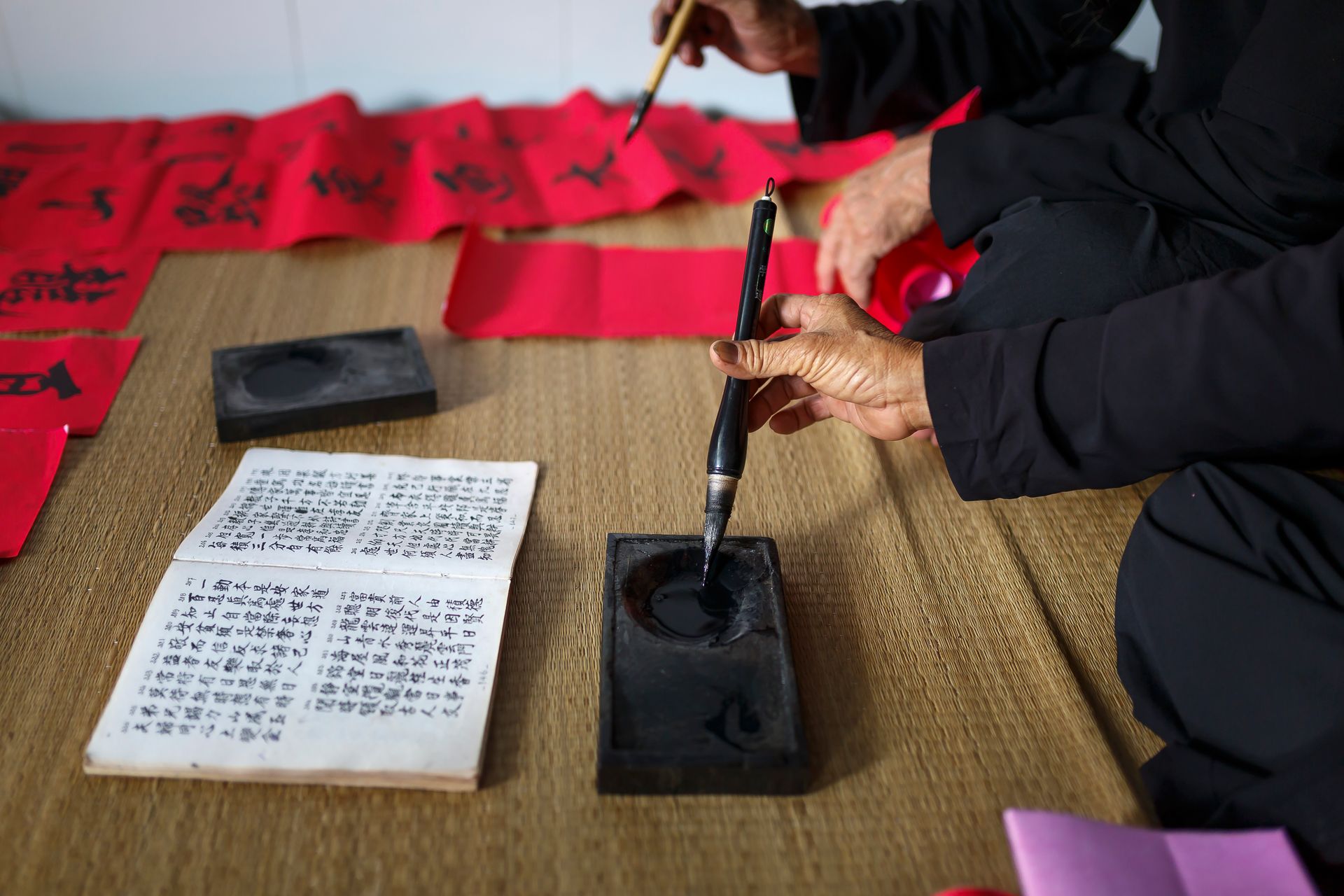
"Shodō is not merely writing; it is the movement of the soul on paper."
— Master Tanaka, Ginza
La calligraphie à Tokyo, appelée shodō, convient aux débutants comme aux personnes qui souhaitent approfondir leur pratique. Vous pouvez choisir entre un dōjō traditionnel à Yanaka ou Nezu, un atelier en français ou en anglais, une séance dans un temple ou un studio créatif à Shibuya. Avant de réserver, vérifiez la langue d’enseignement, le style proposé, le matériel inclus et les conditions de pratique.
Une séance découverte dure généralement entre 1 h 30 et 2 h et coûte entre 3 000 ¥ et 6 000 ¥, matériel compris, d’après les informations présentées sur cette page. Les tarifs et les disponibilités variant selon l’établissement, consultez directement l’organisateur avant votre venue.

Shodō: More than an art, an active meditation
Settling in Japan in 2026 is not just about finding accommodation in Tokyo or obtaining a work visa. It is also about immersing yourself in a culture where every gesture matters. Japanese calligraphy, or Shodō (書道), literally "the way of writing", is one of the archipelago's most highly respected disciplines.
For a French-speaking expat, learning Shodō offers a unique gateway to understanding Japanese thought. Unlike Western writing, Japanese calligraphy requires perfect synchronisation between breath, mind and hand. Each character drawn is definitive: there is no possibility of correction, teaching mindfulness and acceptance of imperfection.
In Tokyo, the bustling capital, these workshops are havens of peace. Whether you are a beginner or looking to improve your mastery of kanji, the city is full of prestigious schools and welcoming family-run workshops.
Where can you practise calligraphy in Tokyo?
Traditional Schools (Dōjō)
Located mainly in Yanaka or Nezu, these schools follow a rigorous teaching method. You will learn the Kaisho (regular) and Gyosho (semi-cursive) styles under the watchful eye of a master certified by a national association.
French-language Workshops
Ideal for newcomers who do not yet speak the language. Some masters speak French or rely on volunteer translators from the community.
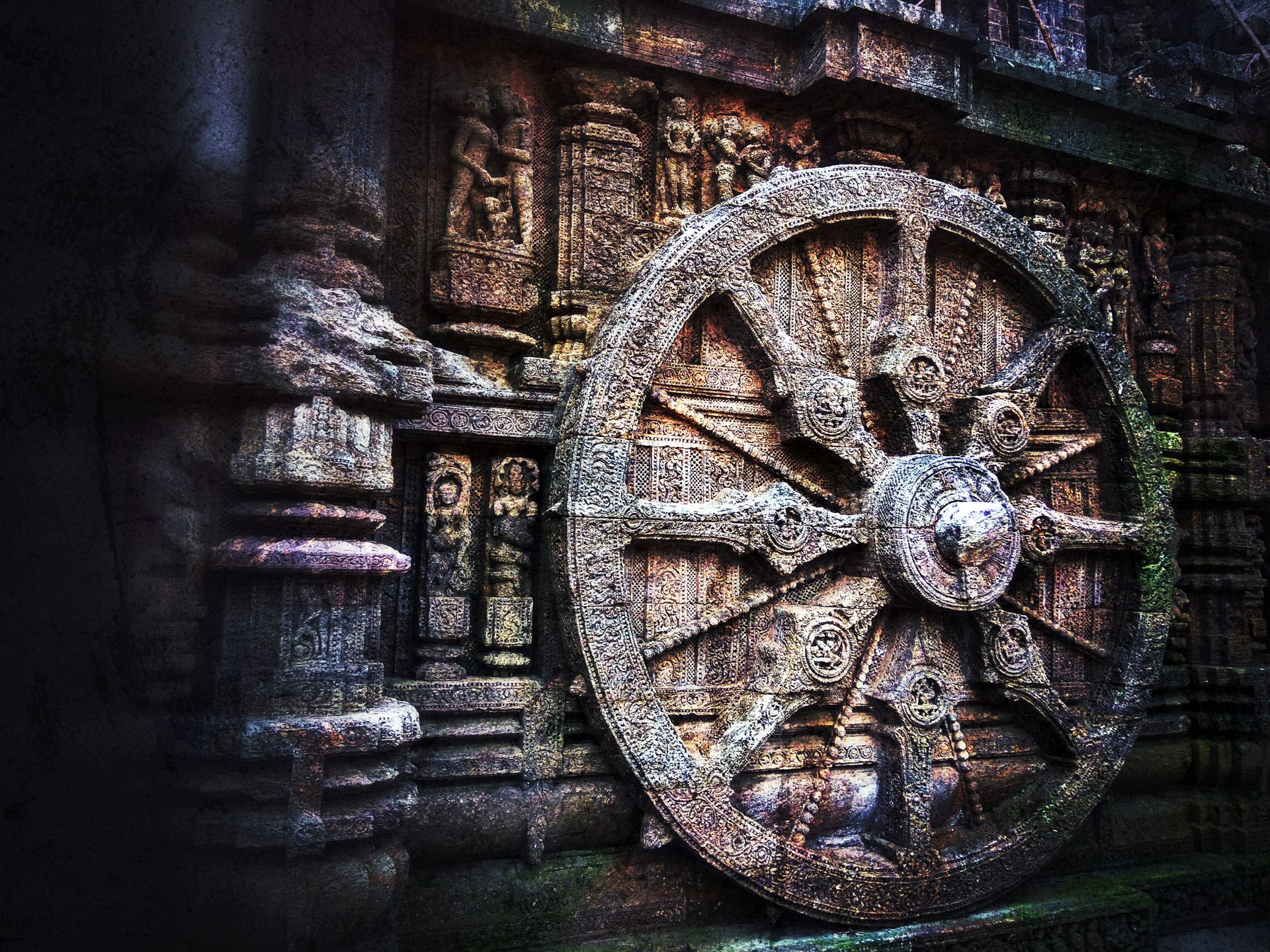
Shakyo at a Temple
Practise copying sutras at Senso-ji or Zojo-ji temple. An intense spiritual experience.
Creative Studios in Shibuya
For those seeking a less rigid approach. These studios combine traditional calligraphy with contemporary design. Perfect for creating your own decorative works for your Japanese flat.
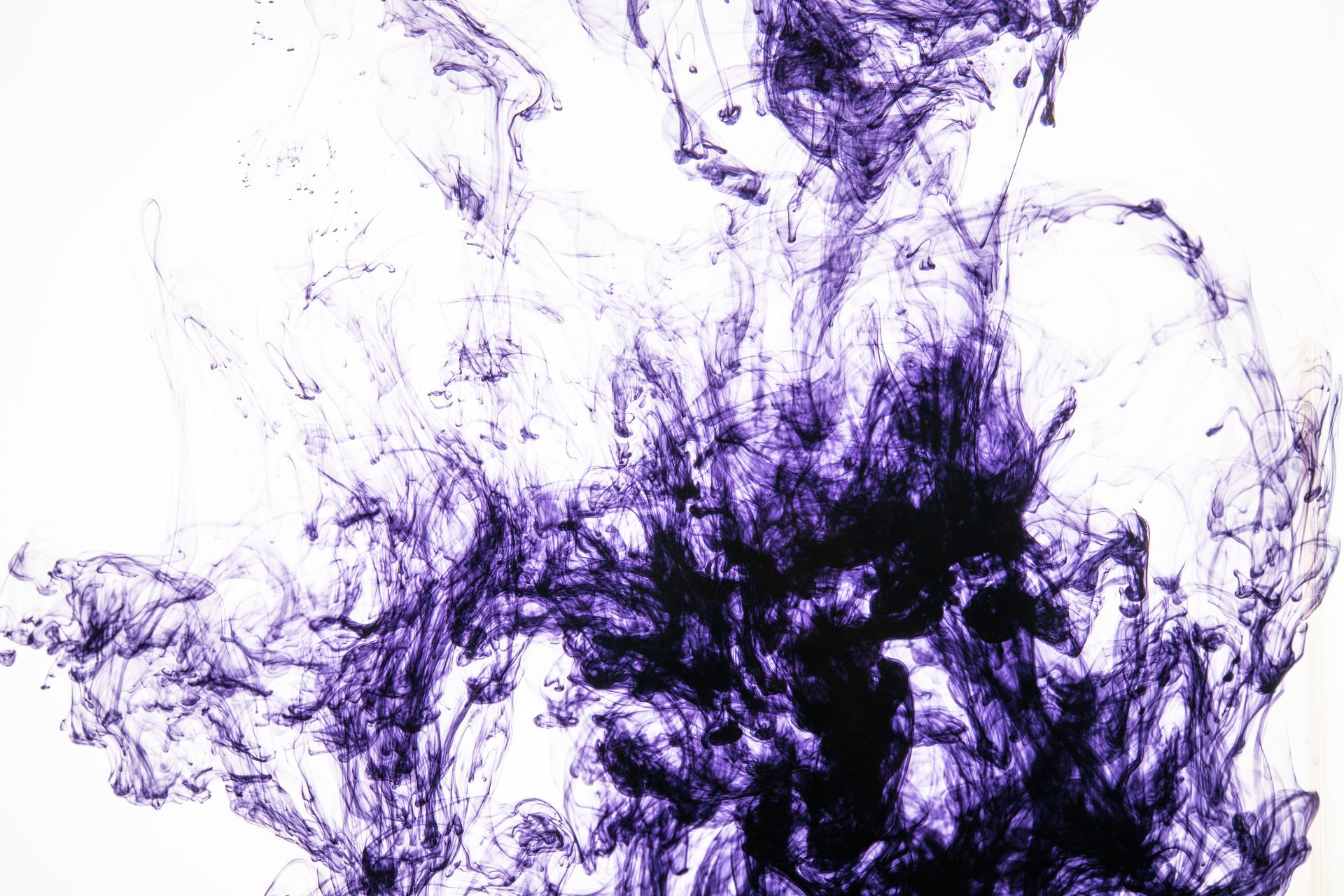
Bunbō Shihō: The Four Treasures of the Scholar
Before dipping your brush in the ink, it is essential to understand the tools. The quality of the materials directly affects your progress. In 2026, Tokyo remains the best place to source high-quality materials, particularly through the specialist shops in Ginza or Nihonbashi.
-
1
Fude (Brush)
Wolf, goat or horse hair. Each fibre offers different flexibility for varying the thickness of the stroke.
-
2
Sumi (Ink)
The solid ink stick that is patiently rubbed on the inkstone. This preparation process is a form of meditation in itself.
-
3
Suzuri (Inkstone)
Often carved from high-quality natural stone to allow the Sumi to emulsify perfectly.
-
4
Hanshi (Paper)
Ultra-thin rice paper. Its absorbency determines how the ink spreads (the famous Kasuri).
Calligraphy Progress Simulator
Estimate the time and budget required to achieve your brushstroke mastery goals.
Annual estimate (2026)
Select your options to see the estimate.
5 Criteria for Choosing the Right Workshop
1. Language of Instruction
Even if you are taking Japanese lessons, Shodō's technical terminology is complex. Check whether the workshop provides materials in French or English.
2. Affiliation (Ryuha)
There are several styles or lineages (Ryuha). Some are highly traditional, while others are more artistic. Ask the Sensei which style they favour.
3. Flexible Scheduling
If you are working in Japan all day, look for evening or weekend classes, which are common in business districts such as Shinjuku.
4. Enrolment Costs
In addition to the class, check the joining fees (Nyuukinkai) and the cost of paper, which can quickly add up if you practise a lot.
5. Group Size
Choose small groups (fewer than 8 people) so that the master can correct the position of your hand and the angle of the brush.
The Expat Tip
Consult our for recommendations from other French speakers about specific masters.
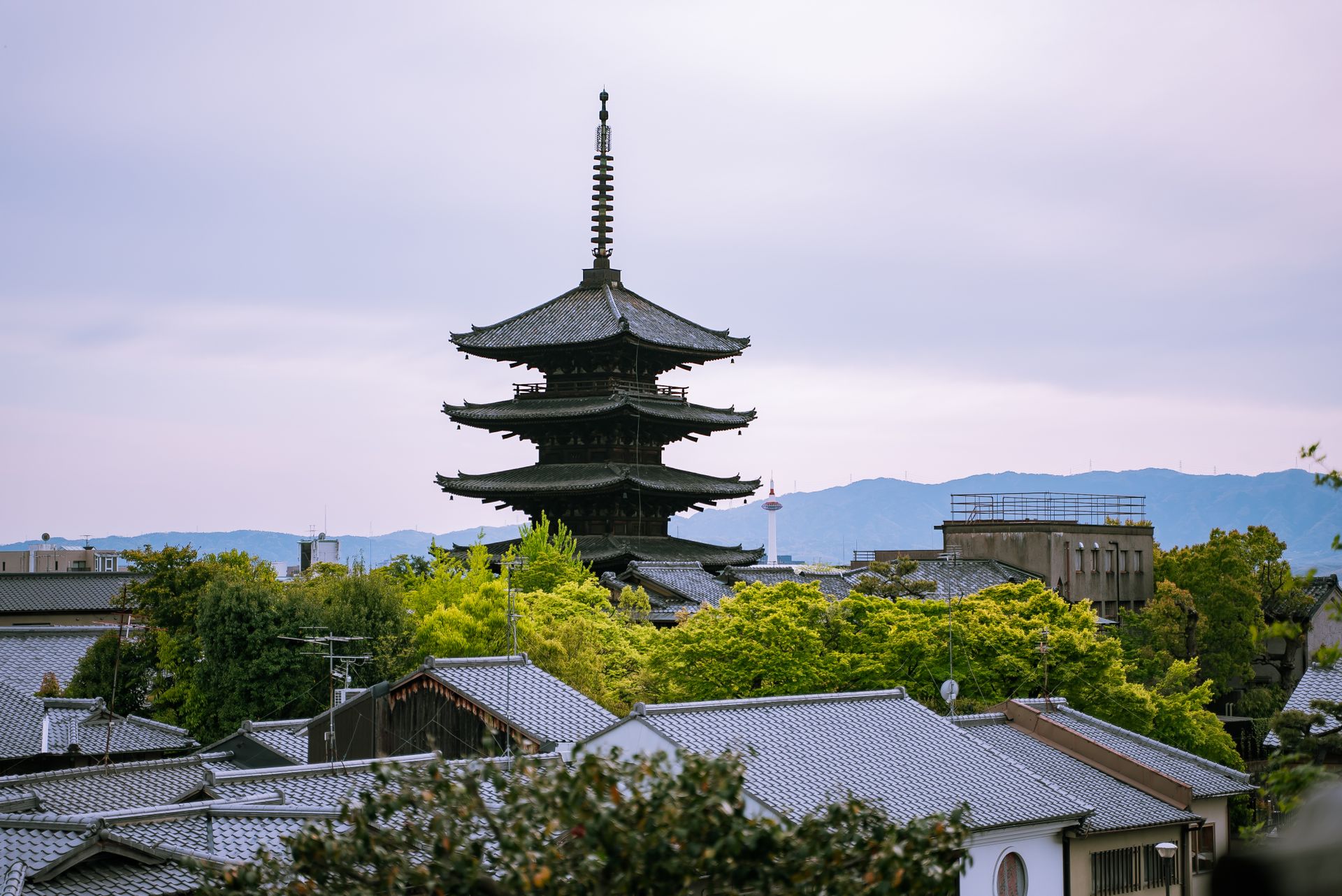
Experience Shodō: Tokyo or Kyoto?
While Tokyo offers an incredible variety of modern studios, a getaway to Kyoto will allow you to practise in a more traditional setting.
Frequently Asked Questions (FAQ)
Do I need to already speak Japanese?
No, many workshops in Tokyo are used to welcoming foreigners. However, knowing the basics of kanji is a great help when it comes to understanding stroke order.
How much does an introductory class cost?
For a 1½- to 2-hour taster session, expect to pay between 3 000 ¥ and 6 000 ¥, including materials.
Can I bring my own equipment?
Yes, once you have invested in your own "Four Treasures of the Scholar", most masters will encourage you to use your own brush so that you can get used to it.
What is the grading system (Dan/Kyu)?
As in martial arts, calligraphy uses a grading system. Kyu grades are for beginners, while Dan grades are for advanced practitioners.
Where can I buy my equipment in Tokyo?
The Kyukyodo shop in Ginza is the institution par excellence, having been in existence since the Edo period.
Is there an age limit?
Absolutely not. It is one of the few activities in Japan practised by people aged from 5 to 99.
Do I have to sit in seiza (on my heels)?
Less and less. Many modern workshops use tables and chairs for the comfort of their students.
Can I learn online?
It is possible to learn the theory, but having a master physically correct your posture is irreplaceable if you want to make real progress.
Does calligraphy help with learning Kanji?
Very much so! Drawing a character with a brush engraves stroke order into your muscle memory.
What is the best time to start?
Each season offers its own inspiration. In winter, people often write wishes for the New Year (Kakizome) in calligraphy.
To get online as soon as you land, a Japan eSIM can be installed before you leave, with no need to look for a local SIM card.
Ready to draw your first stroke?
Join the community of expat calligraphers and discover a new side of yourself in the heart of Tokyo.