How to organise your shopping in Japan
Start by separating your purchases into categories: easy-to-transport souvenirs, consumable products, clothing, fragile items and electronic devices. This method helps you choose the right shops and reserve enough space in your luggage. It also prevents you from mixing products intended for consumption during your stay with those you want to bring back to France.
Set your priorities before you leave
- Souvenirs: favour lightweight items that represent a region or are easy to give as gifts.
- Crafts: examine the finish, the stated origin and the care instructions.
- Fashion: try clothes on, as cuts and sizes may differ from European conventions.
- Electronics: check the voltage, menu language, compatibility with your needs and warranty conditions.
- Food: check the packaging, storage requirements and the rules applying to entry into France.
Keep your receipts, any certificates and documents provided by the shop. They may be useful for tax-free shopping, an exchange or a warranty query.
Which place to choose for each type of purchase
| Location | Suitable purchases | What to check |
|---|
| Department store | Cosmetics, fashion, food, gifts and crafts | Consolidation of purchases and tax-free procedure |
| Shopping street | Everyday products, souvenirs and local specialities | Opening hours, payment methods and returns policy |
| Specialist shop | Electronics, manga, figurines, knives or handicrafts | Compatibility, product condition and warranty |
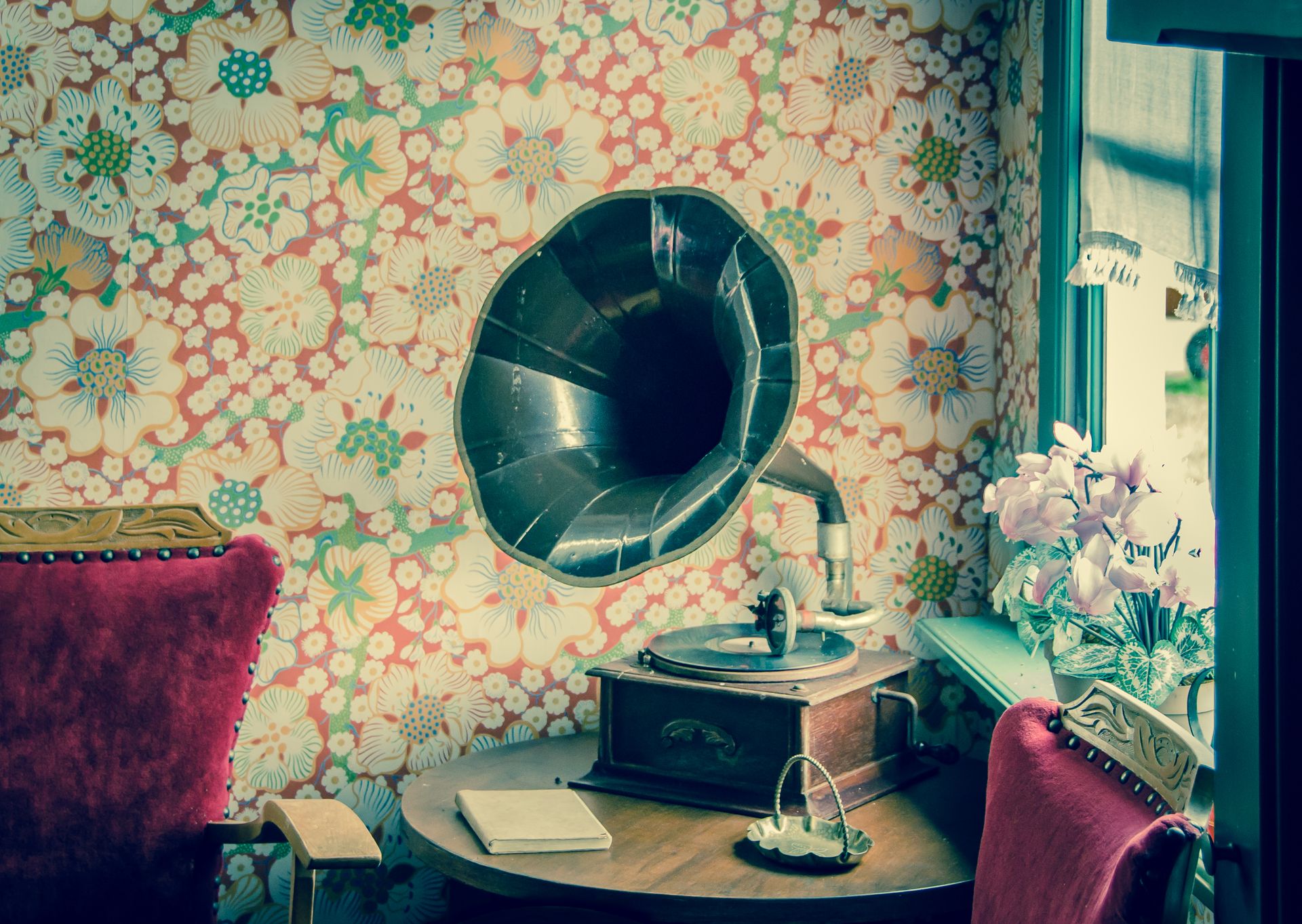
| Market or second-hand shop | Clothing, vinyl records, collectibles and vintage items | Actual condition, authenticity and no missing parts |
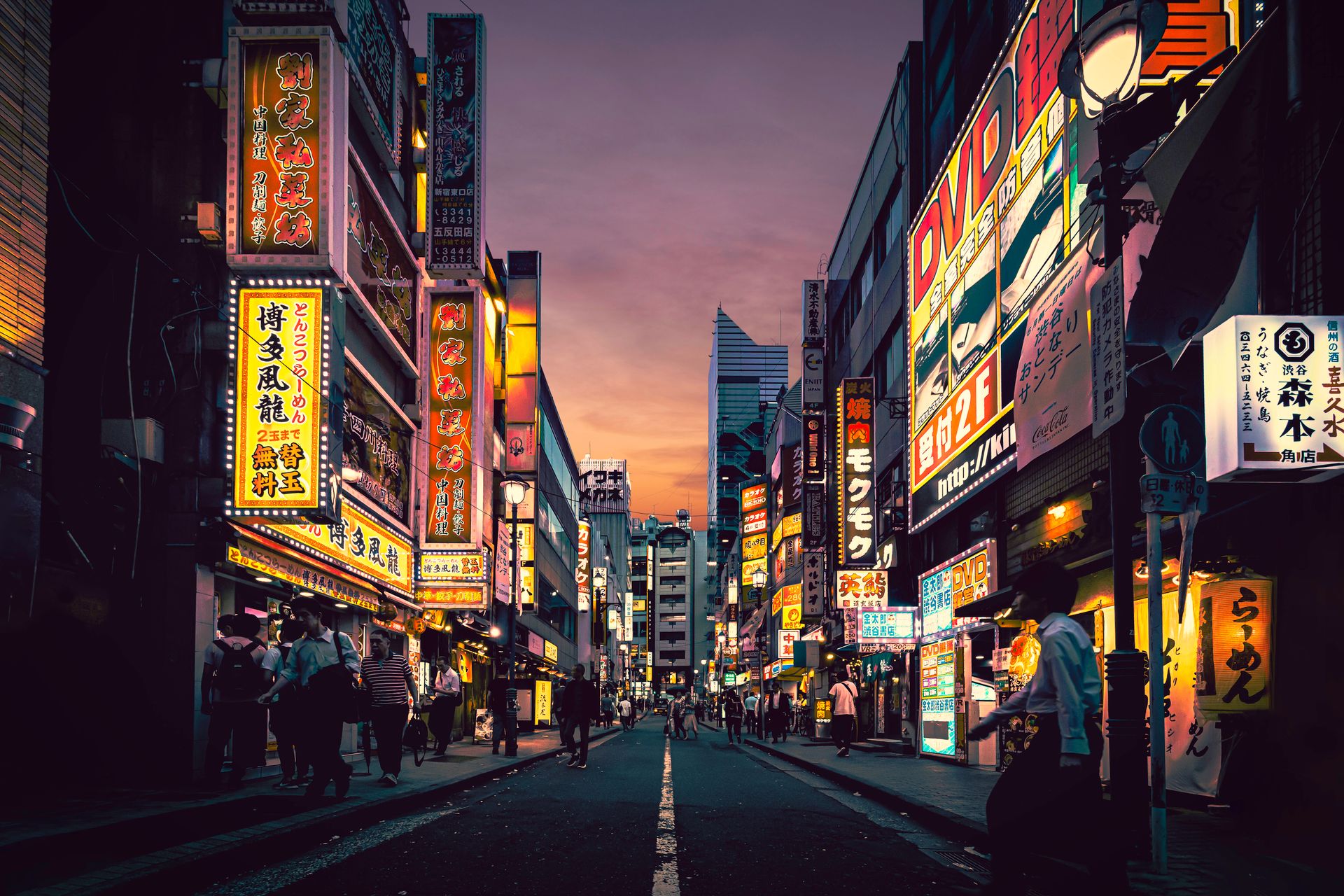
In Tokyo, the neighbourhoods already known for their distinct profiles can be complemented by local shopping streets and second-hand retailers. In Osaka and Kyoto, also look for shops connected with food, crafts and everyday life. Tourist information offices and official city websites can confirm addresses, opening hours and temporary events.
How to make a successful purchase in a Japanese shop
Compare more than just the displayed price
A low price is not enough to guarantee a good deal. Compare the product version, included accessories, language of the instructions, warranty conditions and any additional costs. For a handcrafted item, ask whether it was made locally, how it should be cleaned and how it should be protected during transport.
Check the condition of second-hand products
In second-hand shops, inspect signs of wear, packaging, cables and instructions. For collectibles, look carefully at the descriptions of their condition. Return policies may vary between retailers: ask about them before paying when the product is expensive or fragile.
Plan for heavy or bulky purchases
Japanese delivery services can be useful for sending a purchase to your final accommodation or another place where you will be staying. Ask the shop whether the packaging adequately protects the item and whether the delivery includes all the necessary steps. For a move or setting up home, also see the guide on organising a move to Japan.
Tax-free shopping: checks to make in-store
The existing content states a 10% consumption tax, a threshold of 5,000 JPY in the same shop and the presentation of the original passport for eligible visitors. Consumable products may be placed in a sealed bag. The conditions depend on your status, the shop and the nature of the products: ask about the exact procedure before paying.
- Look for the retailer’s tax-free shopping logo or service.
- Present your original passport, not just a copy.
- Check that your purchases are registered according to the shop’s procedure.
- Keep the documents until departure and do not separate sealed items without checking the instructions.
- Confirm any service fees, as they may reduce the expected saving.
The rules may change. For a particular situation, consult official Japanese information or ask the shop and customs authorities for confirmation.
Buying from France after a stay in Japan
Some purchases can be ordered remotely from Japanese shops, specialist retailers or shipping services. Before paying, check the delivery costs, any import charges, the validity of the warranty in France and whether the product can be returned. An order that is shipped does not necessarily follow the same rules as a purchase carried in your luggage.
For an electronic product, ask for the exact model and check its compatibility with the sockets, networks and software used in France. For food, cosmetics or items made from animal or plant materials, check the applicable French rules before ordering. If in doubt, customs or the selling professional is the best source of information.
Taking your purchases home and preparing for the return journey
Protecting fragile items
Keep ceramics, bottles and lacquerware in their original packaging when it is suitable. Place fragile items in the centre of your suitcase, surrounded by clothes or suitable protective material. Do not overpack luggage to the point of deforming boxes or making inspection difficult.
Checking restrictions
The existing content mentions a passenger allowance of €430 in total value per adult, as well as limits on alcohol. It also mentions a ban on certain fresh products, counterfeit goods and weapons. These rules depend on the product category and may change: always check official French information before your departure.
If you are travelling with valuable purchases, prepare a personal list of the products, keep the receipts and separate items subject to specific rules. For questions about payments, consult the guide to payment methods in Japan. If you are staying for a long time, your needs will differ from those of a traveller and may include accommodation or settling in.
Checklist before leaving Japan
- Check receipts, warranties and tax-free shopping documents.
- Check which products are prohibited or restricted on arrival in France.
- Confirm that devices are compatible and that the accessories are included.
- Protect fragile items and distribute the weight.
- Keep sealed products in accordance with the instructions you received.
- Consult an official source if you have any doubts about customs.
Frequently asked questions
What can you easily buy in Japan as a gift?
The easiest gifts to transport are stationery, small craft items, lightweight textiles, packaged confectionery and certain beauty products. Choose well-protected items, check their composition and find out about the rules applying to their entry into France before buying.
How do you choose between a department store and a specialist shop in Japan?
A department store is suitable if you are looking for several categories in one place, with structured service and sometimes a tax-free shopping procedure. A specialist shop generally offers a more focused selection, particularly for electronics, collectables or crafts. Above all, compare the warranties and return conditions.
Are second-hand purchases in Japan reliable?
Second-hand shops may offer clothing, vinyl records, figurines and devices in very different conditions. Examine the product, its accessories and the condition rating before paying. Also ask whether returns are possible, as the conditions may vary depending on the retailer and the type of purchase.
How can you avoid problems with a device bought in Japan?
Note the exact model number and check the voltage, plug, menu language, network compatibility and warranty. A model sold in Japan may differ from its European version. Ask the seller whether the device is intended for international use and keep the receipt.
What should you do if a Japanese purchase is too large for your suitcase?
Ask the shop what packaging and delivery options are available. Shipping an item to your final accommodation can save you from carrying a bulky object during your stay. For a shipment to France, check the costs, import formalities, insurance and customs restrictions separately.