🌡️ Summer 2026 News
The 2026 heatwave in Japan is best managed by reducing your exposure rather than pushing ahead with your plans. Check official alerts, go out early or at the end of the day, take frequent breaks in air-conditioned places and drink regularly. In Tokyo, Kyoto and Osaka, stop any activity immediately if you experience dizziness, confusion, nausea or unusual fatigue, then ask for help if your condition does not improve.
Travellers and residents should above all adapt how they get around: limit long walks, scale back sightseeing, choose routes with places to take breaks and avoid staying on a platform or in a queue in direct sunlight. Children, older people and those who are already tired require closer monitoring.
In Tokyo, Osaka and Kyoto, summer 2026 no longer feels like an ordinary hot season: it demands daily discipline. Days above 35 °C, sometimes close to or exceeding 40 °C depending on the region and the hours of peak sunshine, are accompanied by humidity that makes the air feel heavy, slows the body down and turns even the shortest journey into an ordeal. For residents and travellers alike, the danger does not come from the thermometer alone. It also comes from walking, waiting on platforms, queuing outside shrines, children’s outings to the park, construction sites, mountain hikes and accumulated fatigue when the heat is underestimated for several days.
Japan treats heatstroke, netchūshō 熱中症, as a genuine health emergency, not a passing inconvenience. Special heatstroke alerts, air-conditioned spaces open to the public, prevention campaigns and the growing number of cooling shelters show just how much the country is adapting its habits to more severe summers. Large cities make the phenomenon even worse through the urban heat island effect: concrete, tarmac, traffic and outdoor air-conditioning units that release hot air all combine to make some streets far more exhausting than a weather forecast might suggest. In this context, knowing where to shelter, when to go out, what to drink and how to respond at the first sign of feeling unwell becomes a skill every bit as useful as reading a train map.
To make these guidelines practical, it helps to follow a few examples: a family living in Setagaya, an employee walking across Osaka between two meetings, a couple visiting Kyoto in the middle of summer and a hiker heading for Mount Fuji. They are not all exposed in the same way, but they can all avoid the worst by following the same basic principles: drink before you feel thirsty, break up physical effort, use air conditioning without feeling guilty, protect your skin, choose the right times and identify shelter locations. Japanese heat leaves little room for improvisation; it does, however, reward simple, consistent habits.
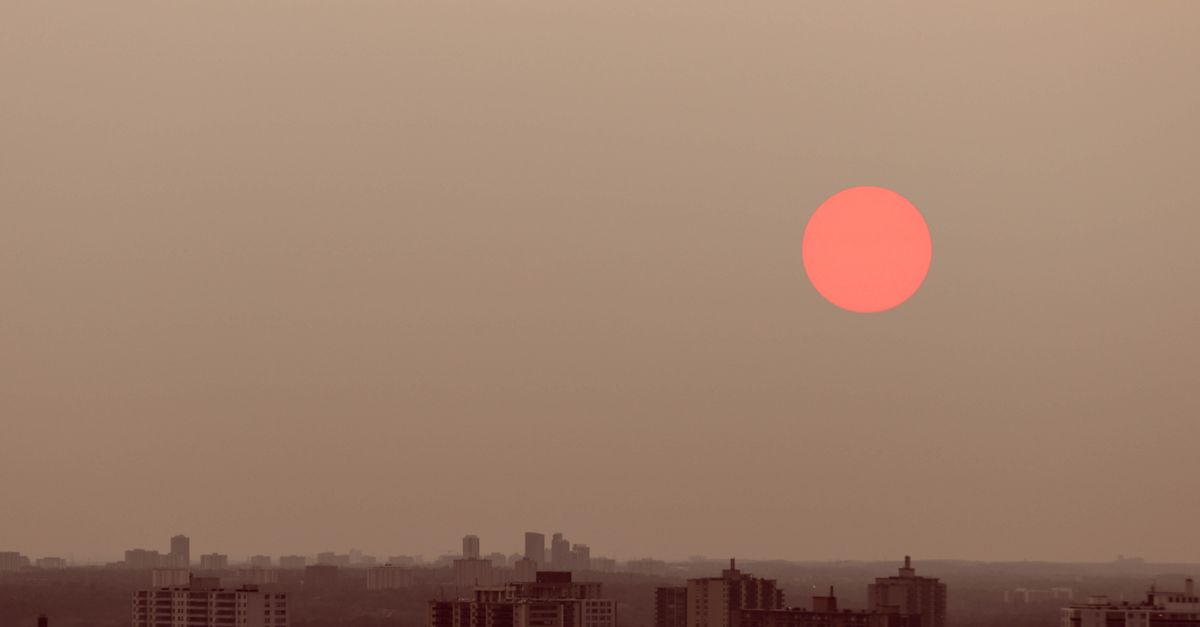

Japanese summers have always been hot, but recent changes are shifting the situation. The first factor is humidity, which turns a high temperature into a suffocating sensation of heat. When the air is saturated with water, sweat evaporates poorly and the body cools less effectively. This explains why 34 °C in Tokyo can feel heavier than 37 °C in a dry climate. The second factor is dense urban development. In Tokyo, Osaka, Nagoya and Fukuoka, urban materials store heat throughout the day and then release it in the evening. As a result, nights sometimes remain insufficiently cool for proper recovery.
The urban heat island effect is particularly noticeable in heavily built-up central districts, around huge stations, major roads, shopping areas and glass-fronted buildings. By contrast, some more open spaces or riverside areas offer a little respite, but the difference also depends on shade, wind and humidity levels. The body does not respond only to the figure shown on the weather app; it is affected by the combination of solar radiation, humid air, physical exertion and lack of rest. This is why a simple walk after 1 pm can become more tiring than a short hike early in the morning.
The summer 2026 heatwave is part of a trend already observed in previous years: Japanese authorities are seeking to strengthen prevention in response to more frequent and intense episodes. The national heatstroke action plan is due to be revised to bring the annual number of deaths down quickly to below 1,000, while it now exceeds 1,500 a year, with a historic record of 2,160 deaths in 2024. This is not a trivial matter. It shows that the issue is no longer purely meteorological; it also concerns urban planning, work, travel habits and the very way people spend the summer.
In practice, Japanese cities cannot all be navigated in the same way during extreme conditions. Tokyo combines density with vast concrete areas, Osaka brings together heat, humidity and very busy streets, while Kyoto can be particularly gruelling in its enclosed valleys and largely exposed tourist routes. In July and August, daytime temperatures often fall within high to very high ranges, and the way it feels to the body can far exceed what the figures suggest. The right approach is therefore to think in terms of actual exposure, not simply the weather shown on the screen. This difference is what separates a manageable day from a risky one.
The human body regulates its temperature largely through sweating. However, when the air is humid, evaporation slows down. We sweat more, but cool down less. This is why Japanese summer is so exhausting for people who are not acclimatised. A resident who goes out several times a day for work, shopping or taking the children somewhere becomes tired without always realising it. Even without intense activity, the body uses energy to maintain its thermal balance.
Transport also contributes to the problem. Between walking to the station, waiting on the platform, changing trains and emerging onto very sunny streets, just half a day can be enough to cause significant heat stress. Travellers who think they will only be doing “a few visits” often underestimate the hidden time involved: queues, stairs, the weight of their bag, finding their way around an unfamiliar city and limited opportunities to take breaks. In this context, slowing down is not a weakness; it is a survival strategy. Urban heat can cost you hours if it is not anticipated.
netchūshō 熱中症 does not always appear as a dramatic collapse. It often begins with more subtle signs: headaches, dizziness, unusual tiredness, intense thirst, nausea, difficulty concentrating, cramps, very hot skin, heavy sweating or, on the contrary, an absence of sweat. For some people, the first visible sign is unusual behaviour: slow replies, confused speech, hesitant movements or unusual irritability. That is precisely where the danger lies. Many people think they can “keep going a little longer” when their body is already beginning to malfunction.
Severe cases require an immediate response. A person who is vomiting, having difficulty walking straight, not responding normally, losing consciousness or whose body temperature is rising sharply must not be left alone. In Japan, treatment is taken seriously because netchūshō can progress quickly, sometimes within a few dozen minutes depending on exposure, age and hydration. In children and older people, the warning signs may be less obvious. Children do not always clearly say that they are too hot; older people may naturally experience less thirst and become dehydrated without realising it.
The risks are not limited to strenuous activity. They can also arise in a poorly ventilated room, in accommodation where the air conditioning has been switched off to save money, on a crowded bus, on a platform in full sun or during a long sightseeing trip. This is why Japan places so much emphasis on prevention at home and official alerts during extreme peaks. A common mistake is to think that resting for a few minutes is enough. In reality, the body needs to be genuinely cooled down, not just given a symbolic break. As soon as someone feels unwell, move them somewhere cool, lay them down if possible, give them fluids if they are conscious, and seek help quickly if the symptoms persist or worsen.
During a heatwave in Japan, certain symptoms should mean stopping immediately. Anyone who is staggering, speaking incoherently, no longer able to tolerate light, complaining of unusual pain or unable to cool down must get out of the heat straight away. Waiting for it to “pass” is rarely a good idea. Every summer, paramedics, medical centres and station staff see cases that could have been stopped earlier with a few simple actions.
Travellers must also watch out for a common trap: the gap between how you feel and the actual risk. Visitors from temperate climates may not recognise the level of fatigue that signals heatstroke. Residents, meanwhile, may be more confident because they “know the Japanese summer”. Yet acclimatisation does not provide complete protection, especially after a short night, a busy working day or a series of journeys. The most useful first response is therefore to observe your body clearly and honestly. In summer in Japan, it is better to cancel an outing than end up in A&E.
Japanese prevention is based on simple actions repeated throughout the day. The most obvious is hydration, but it needs to be approached methodically. Waiting until you become very thirsty to drink is already too late. It is better to drink regularly, in small amounts. Drinks containing minerals, fortified waters and electrolyte solutions sold in convenience stores or pharmacies can help replace losses caused by sweating. FOSHU-type labels seen on some drinks refer to products designed for everyday use, but in practice, balance remains the key: water, salt, regular meals and attention to the signs of dehydration.
Salt is not a minor detail. During a very humid Japanese summer, the body loses not only water but also electrolytes. This is one reason isotonic drinks, salted sweets, sachets of salt and certain suitable snacks are often used locally. For someone who sweats heavily, drinking only water without ever eating may sometimes not be enough. The opposite mistake is also possible: consuming too much coffee, alcohol or very sugary drinks, which do not properly help replace losses. A light but salty lunch, fruit, cold noodles and regular breaks are often better than a heavy meal eaten too late.
Air conditioning is not a luxury in Japan; it is a health tool. Air-conditioned homes, offices, trains, shops and libraries provide places to recover. Many people prefer not to set the temperature too low to avoid a sharp contrast between indoors and outdoors, but the basic principle remains simple: a temperate interior is better than an unbearably hot home. You should also avoid the most dangerous hours. From late morning to mid-afternoon, exposure to the sun is often at its worst. Outings, long walks, unnecessary journeys and sports activities should be moved to sunrise or after sunset whenever possible.
Japanese people have long used practical accessories to get through the day: a hat, parasol, cooling towel, mini fan, reusable ice pack and cooling body spray. Nothing spectacular, but a very effective approach. There is also the culture of the “temporary refuge”: stepping into a convenience store for a few minutes, passing through a station, sitting down in a department store or stopping at a library. These are very ordinary solutions, but they become invaluable when temperatures remain high.
A well-prepared bag makes all the difference. A reusable bottle, an electrolyte drink, a small hand fan, cooling wipes, a lightweight towel, sun cream, a hat and perhaps a few salty snacks can prevent a lot of trouble. Pharmacies and konbini readily stock these products, so you can top up your supplies during the day without complicated planning. For a family, it is also useful to have a light change of clothes for a child who sweats heavily, or an ice pack to place on the neck if they become tired.
Common sense matters just as much as equipment. Waiting until the last moment to buy water, crossing a completely sunny square at midday, forgetting to recharge your portable fan or skipping a break in an air-conditioned place often comes back to haunt you. Conversely, repeating a few simple habits regularly makes summer considerably more bearable. Japanese heat is not an opponent to be “braved” with pride; it is an environment to be managed methodically.
Quickly compare the most useful refuge locations for residents and travellers: access, coolness, ideal break length and the best time to go in.
| Refuge location | Access | Ideal break | Coolness | Residents | Travellers | When to take refuge there | Quick tip |
|---|
The coolness score combines the effectiveness of the air conditioning, the comfortable length of the break and ease of access. The aim is not to “live” there, but to break your exposure to the heat at the right time.
In summer in Japan, between 11 am and 4 pm, take frequent breaks in air-conditioned places, drink regularly and avoid setting off again too quickly after a long walk.
Stations and department stores are often the best “emergency” refuges. Libraries and municipal museums offer a quieter break. Konbini are mainly useful for a brief respite.
For someone living in Japan, the heat is not limited to the time spent out for a stroll. It reshapes the entire day. Leaving for work, passing through the station, doing the evening shopping, returning home and even preparing dinner all need to be planned to reduce exposure. In a flat that heats up quickly, it is often better to air it early in the morning, close shutters or curtains during the hottest hours and then use the air conditioning consistently. Waiting until you are too hot to turn it on reduces comfort and causes greater fatigue.
At work, shared habits play a major role. Japanese teams often already have a culture of saving energy, but summer calls for a balance between restraint and health. Drinking water regularly at your desk, getting up to stretch in the shade of an indoor area, reducing journeys on foot where possible and reporting unusual tiredness are all useful habits. An employee working in construction, logistics, agriculture or outdoor activities must take breaks even more seriously, as the heat builds from morning to evening. The Japanese authorities also want to strengthen prevention in the most exposed sectors, particularly construction and agriculture.
Journeys deserve a precise strategy. If a station offers a longer but air-conditioned connection, it may be preferable to a quick walk outdoors under the sun. Station exits should also be chosen carefully: some lead straight onto scorching avenues, while others lead towards an arcade, shopping centre or more bearable underground passage. For a resident, knowing the shaded routes becomes almost as useful as knowing their train route. This is particularly true in cities where concrete intensifies the discomfort from late morning onwards.
Your home itself also requires careful adjustment. Sleeping in a room that is too hot will leave you exhausted the next day. A short, clammy night increases the risk of feeling unwell at work and reduces alertness. Heat therefore needs to be managed over 24 hours, not just during the day. When the body does not recover, the next day begins with thermal debt already built up. This is why summer in Japan often requires rethinking your priorities: fewer unnecessary outings, more breaks, more flexible schedules and stricter attention to your tiredness.
Konbini are the most immediate refuge. You can step inside, cool down for a few minutes, buy some water or a salty drink, then set off again better prepared. Large stations are another valuable shelter, especially when changing trains. Department stores and shopping centres often provide consistent coolness, with seating, toilets and cafés where you can catch your breath. Municipal libraries are particularly useful for residents, as they allow you to take a proper, quiet break away from noise and sunshine.
These places are not just convenient; they are part of Japan’s approach to managing the summer. In a country where you can go from an overheated platform to a comfortably air-conditioned indoor space in just a few minutes, knowing where these refuges are can make a real difference to your day. A parent out with a child, a commuter crossing the city or a traveller who loses time between two visits: everyone benefits from identifying these fallback spots before the heat becomes excessive. Anticipating where to take shelter is often more useful than simply enduring the discomfort.
Children do not always perceive heat as a danger. They carry on running, ask to play and forget to drink. This is a well-known issue in Japan, where schools, nurseries and neighbourhood activities often adapt with breaks, shorter hours or indoor activities. At home, it is important to establish simple routines: offer drinks at set times, limit outings in the sun, and watch for flushed skin, headaches and signs of tiredness. A child who is unusually quiet in the middle of summer is not necessarily calm; they may already be overly exhausted.
Older people require even more continuous monitoring. Many underestimate their thirst, are reluctant to use air conditioning or maintain lifestyle habits that suited them in the past but become risky in extreme heat. In Japan, prevention campaigns focus heavily on this group, as it accounts for a significant proportion of serious cases. In a quiet, hot flat, an older person can become dehydrated without any obvious warning. Relatives, neighbours and carers therefore play an essential role: a phone call, a visit, a message or checking the condition of the room can prevent a tragedy.
Families living in cities also need to think about everyday logistics. Going to the park at 11 am, shopping with a sleepy child, waiting for a bus in full sun or leaving a pushchair exposed over hot tarmac can very quickly become counterproductive. By contrast, choosing activities in air-conditioned places, breaking outings into shorter spells, preparing cold snacks and prioritising shade can completely change the day. A heatwave often reveals the difference between a family that merely “gets through it” and one that organises itself intelligently.
Perhaps the most important thing is your mindset. In summer in Japan, it is better to see the heat as a health constraint to work around, rather than simply an inconvenience to endure. This distinction protects the most vulnerable, but also makes everyday life easier for everyone. A cautious routine is better than pointless heroics.
In a household, prevention works when it becomes a shared effort. One designated place can be used for water bottles, towels, fans and salty snacks, so that everyone remembers to help themselves. Parents should set an example by drinking regularly and being willing to take a break indoors. Grandparents, for their part, are more likely to go out if the outing has a clear purpose, such as a medical appointment or a very short walk in a shaded area.
For a French-speaking family living in Japan, the main challenge is not buying equipment but turning prevention into an automatic habit. Once that habit is established, the heat becomes easier to manage. The home stops being a place where summer is simply endured and becomes a secure starting point for getting through it.
Travellers discovering Japan in summer need to accept one simple rule: days cannot be planned in the same way as in spring or autumn. In Tokyo, it is often best to prioritise morning visits, museums, department stores and districts with good transport links. Osaka calls for the same caution, with particular attention to long journeys across the city and very busy areas where you walk a lot between restaurants, arcades and stations. Kyoto, meanwhile, can be particularly gruelling during cultural sightseeing, as temples, narrow streets, slopes and queues expose your body more to the sun. For broader planning, see our guide to Japan in July, including festivals and destinations.
Travellers should think of their day as an alternation between short periods of exposure and long periods of recovery. An outdoor visit can be followed by an air-conditioned break in a station or café, then a journey by metro or train before setting off again. This approach prevents tiredness from building up and making heatstroke more likely. You should also allow for organisational surprises: a very popular site that looks “close” on the map may require a much longer walk than expected in the sun. Japan in summer is best explored with fewer objectives but greater comfort.
Temperatures can vary greatly from one city to another, but the general picture is clear: lowland cities often experience days of 30 to 35 °C, with higher peaks depending on the weather spell, while some areas in the west and centre experience particularly oppressive heat. For visitors, what matters is not just the temperature reported by the weather forecast. It is the combination of heat, humidity, walking, a backpack, possible jet lag and insufficient recovery time. Someone who goes from a temple to the metro, a shopping district and a flight of stairs without a break will quickly exceed their limit.
Good summer itineraries therefore include places to take refuge: a metro line instead of walking in the sun, a shopping centre before a historic district, a museum before a park, a station where you can sit down, or a library if you need to wait. Experienced travellers quickly notice that many small decisions help conserve energy. The most beautiful place to visit becomes unpleasant if you go at the wrong time. In summer in Japan, good timing is part of the experience.
For nature lovers, the same principles apply even more strictly. Mount Fuji, mountain trails and high-altitude hikes are appealing because of the prospect of cooler air, but physical exertion, solar radiation and travel fatigue can combine dangerously. An early-morning start, a slow pace, frequent breaks and increased hydration are not merely optional extras. They determine the level of safety. Starting an ascent too late in the morning increases the risk of overheating and leaves less leeway in case of illness.
In the Japanese mountains, you also need to beware of the illusion of coolness. Shade can be deceptive, there may be little wind, and sun-exposed sections soon reappear. For a hiker, the real mistake is to maintain a mid-season pace when the environment demands a different rhythm. It is better to abandon part of the route than to continue walking beyond the body’s capabilities. This caution takes nothing away from the experience; it allows you to enjoy it fully.
Japan is gradually strengthening its resources for dealing with extreme heat. The authorities are considering making cooling shelters more widespread—air-conditioned places where people can protect themselves during the most severe episodes. The goal is ambitious: to reach 100% of municipalities with designated sites by 2030. Today, around 70% of municipalities have already identified nearly 23,000 such spaces. The network therefore already exists, but it still needs to expand to better cover residential areas, densely populated neighbourhoods and municipalities where vulnerable people live far from major routes.
These shelters are particularly useful when a special heatstroke alert is issued. This system is reserved for the most extreme situations, when exceptional and unprecedented temperatures are expected. For the general public, this means one very concrete thing: the guidance is not an excess of caution; it responds to a real risk. Going into a cool place, cutting short an outing, postponing a journey or limiting the time spent outdoors then becomes normal behaviour, not an overreaction. This change in attitudes is essential for prevention to work effectively.
The future national plan also aims to strengthen vigilance around older people, with awareness campaigns and closer cooperation between public- and private-sector organisations. It also provides for greater attention to exposed occupational sectors, such as agriculture and construction. This approach shows that heat is now viewed simultaneously as a public health issue, a matter of work organisation and a question of social protection. For residents and visitors alike, the important thing is to understand that the country provides practical tools, but they only work if they are used at the right time.
In Japanese cities, protection is therefore built on several levels: warning messages, air-conditioned places, a culture of rest, journey planning and individual responsibility. Summer 2026 confirms that it is no longer enough simply to “love the heat” or “get used to it”. You need to equip yourself, identify the shelters, know when to abandon an outing and accept that a konbini, station or library can form part of a sightseeing itinerary or daily routine. It is often in these ordinary places that the day is saved.
| Situation | Main risk | Useful response | Recommended refuge |
|---|---|---|---|
| Resident working in the city | Cumulative fatigue, exposed journeys, dehydration | Drink before you feel thirsty, break journeys into shorter stages, avoid the hottest hours | Station, department store, library, konbini |
| Family with children | Forgetting to drink, overexposure to the sun, overheating while playing | Frequent breaks, indoor activities, checking for signs of tiredness | Shopping centre, library, air-conditioned station |
| Older person | Underestimating thirst, indoor temperatures that are too high | Check the air conditioning, offer drinks at set times, monitor their general condition | Cooling shelter, municipal centre, cool public place |
| Traveller in Tokyo, Kyoto or Osaka | Walking for too long, an overly packed sightseeing schedule | Short visits, travel by public transport, scheduled breaks | Station, department store, air-conditioned museum |
| Hiker on Mount Fuji or in the mountains | Prolonged exertion, sun exposure, sudden loss of energy | Start very early, increase hydration, stop if your body becomes tired | Starting station, shaded area, high-altitude shelter |
Tip: set up a Japan eSIM before departure so your data works on arrival.
In a home that is too hot, it is often safer to maintain a stable, comfortable temperature than to wait until you feel uncomfortable. The important thing is to avoid sudden changes and to keep one room genuinely cool for sleeping, resting and recovering.
Headaches, dizziness, nausea, cramps, sudden fatigue, confusion, difficulty speaking normally, excessive sweating or an absence of sweat should all be warning signs. As soon as these symptoms appear, move somewhere cool and immediately reduce your exertion.
Konbini, stations, some department stores and municipal libraries offer a valuable air-conditioned break. They are particularly useful between journeys or when walking outdoors becomes difficult.
Yes, provided you adjust your schedule, limit long walks to cooler hours, use air-conditioned spaces and drink regularly. Visits should be shorter, more flexible and planned as sequences with breaks.
Yes, especially if the climb is poorly prepared or undertaken during the hottest hours. In the mountains, setting off early, staying hydrated, taking salt, wearing light equipment and monitoring fatigue are essential, as the sun and exertion can quickly leave you exhausted.
Month-by-month climate, the best season for travelling and how to prepare.
Hospitals, clinics and healthcare pathways for expats.
Police, ambulance, fire service: useful contacts in case of a problem.
Social codes and customs to know to integrate successfully.
Updated on
A manageable day starts before you leave. Check the weather and heatstroke alerts issued by the Japanese authorities, then look at the actual route: the walking distance between the station and your accommodation, transfers, queues, lack of shade and opportunities to take a break. A map may show a short route without indicating exposure to the sun or the presence of stairs.
For a longer stay, choose accommodation in Japan suited to hot weather: working air conditioning, easy access to shops and the possibility of returning quickly during the most difficult hours. A cool room and a good night’s sleep reduce accumulated fatigue, but do not replace vigilance during the day.
Public transport can often limit exposure, but a journey is not just the time spent on the train. Walking to the station, transfers, stairs and waiting on a platform can become the most exhausting part. Check the route before setting off and, where possible, choose routes with opportunities to take breaks indoors.
Cycling and walking may seem convenient for exploring a neighbourhood, but exertion, sunlight and humid air quickly add up. If you hire a bicycle, adjust the distance, look for less exposed streets and stop as soon as you feel any change in your condition. The practical advice on bicycle hire in Japan can complement your journey preparations.
At the first sign of dizziness, headache, difficulty concentrating, nausea, cramping or unusual fatigue, stop the activity. Move to a cool or air-conditioned place, loosen any restrictive clothing and rest. A conscious person can drink gradually. Do not leave someone alone if their condition appears to be worsening.
Confusion, difficulty walking, loss of consciousness, persistent vomiting or an inability to drink should be treated as serious signs. Quickly ask for help from station staff, hotel staff, shop staff or the emergency services. If the person is not responding normally or the symptoms persist despite being moved somewhere cool, do not try to continue the journey.
Explain the situation simply: exact location, symptoms observed, approximate duration of exposure and the person’s ability to respond. Residents should keep useful health information and their insurance details easily accessible. Expats can also check the cover provided by their health insurance in Japan before summer.
Children do not always describe their discomfort clearly. Observe their behaviour, energy levels, way of walking and ability to drink. Take breaks before they ask for one and avoid prolonged play in the sun. A pushchair or baby carrier can also retain heat: regularly look for a cool place and check the child’s condition.
In older people, the sensation of thirst may be less noticeable. Offer a break and a drink regularly, without waiting for them to ask. Neighbours, relatives and colleagues can check in during very hot days, particularly if the person lives alone. Air conditioning should not be switched off solely to save money when the accommodation becomes difficult to tolerate.
Convenience stores, pharmacies, stations, shopping centres and other air-conditioned buildings can serve as places to take a break, depending on their opening hours and access conditions. However, do not assume that a place is open or accessible: check on site and always have a backup option.
Prevention works best when it becomes a group rule: no one stays alone if they feel unwell, everyone can suggest a break and the schedule remains flexible. During a heatwave, conserving your energy is better than finishing a visit at all costs.
Choose times when sun exposure is lowest, then adapt your outing to the alerts and the day’s weather. Plan outdoor visits around indoor breaks and save the most difficult hours for air-conditioned activities. If the heat becomes unbearable, cut the day short rather than sticking to the schedule.
Yes, provided you reduce the distances you walk, avoid queues and routes that are completely exposed, and plan regular breaks. Alternate indoor and outdoor visits, take easily accessible water with you and check the official alerts. A shorter schedule lets you enjoy Kyoto without building up dangerous fatigue.
Drink regularly rather than waiting until you are extremely thirsty. Water and drinks containing minerals are available in many Japanese shops. Your needs vary depending on sweating, exertion and your state of health. If you have a medical condition or specific medical instructions, ask a health professional for advice.
Look out for unusual tiredness, strange behaviour, nausea, dizziness, cramps or difficulty staying attentive. Stop the activity immediately, move the child somewhere cool and ask for help if their condition does not improve. Loss of consciousness, confusion or an inability to drink requires prompt medical attention.
Do not assume this without checking the facilities at your accommodation. Before booking, check that there is working air conditioning and access to a cool space. When you arrive, identify nearby shops, lobbies or indoor places where you can take a break, while taking their opening hours and access rules into account.
To book tours and activities in Japan ahead, see the options on Klook.