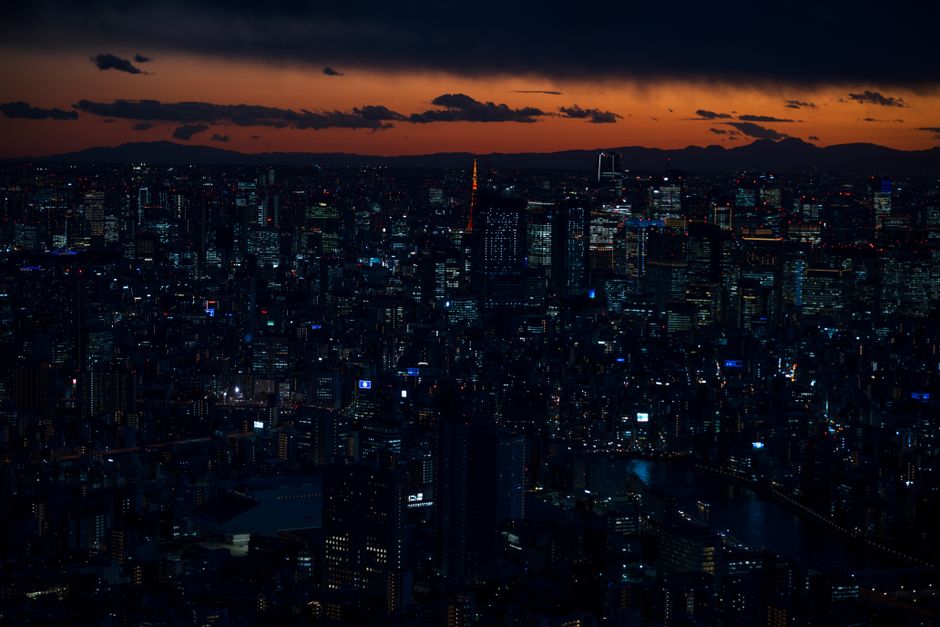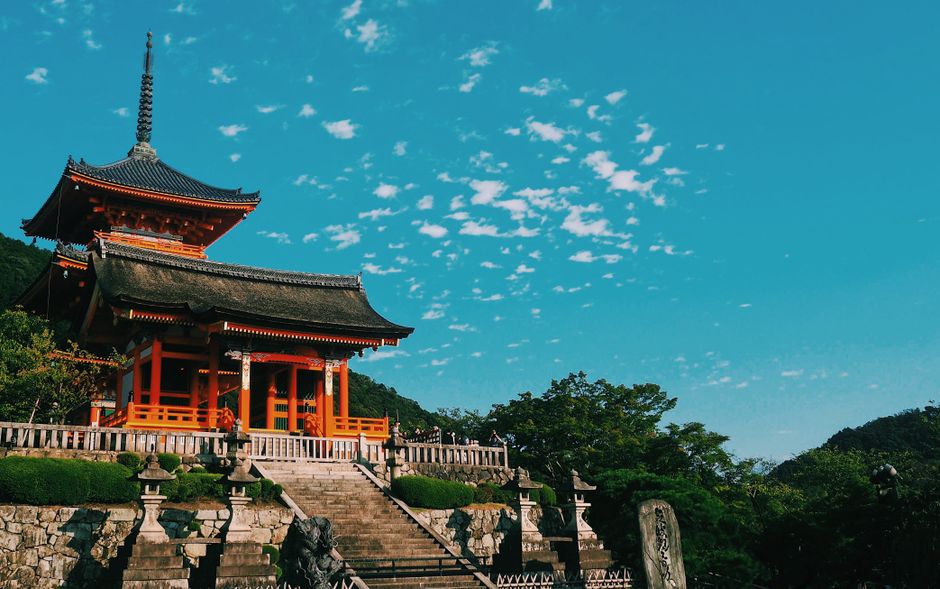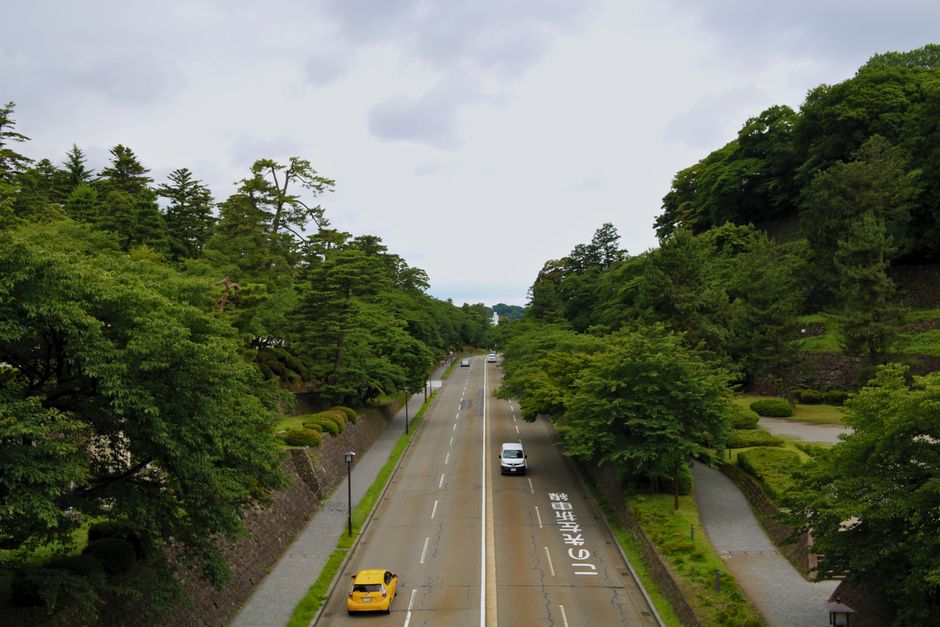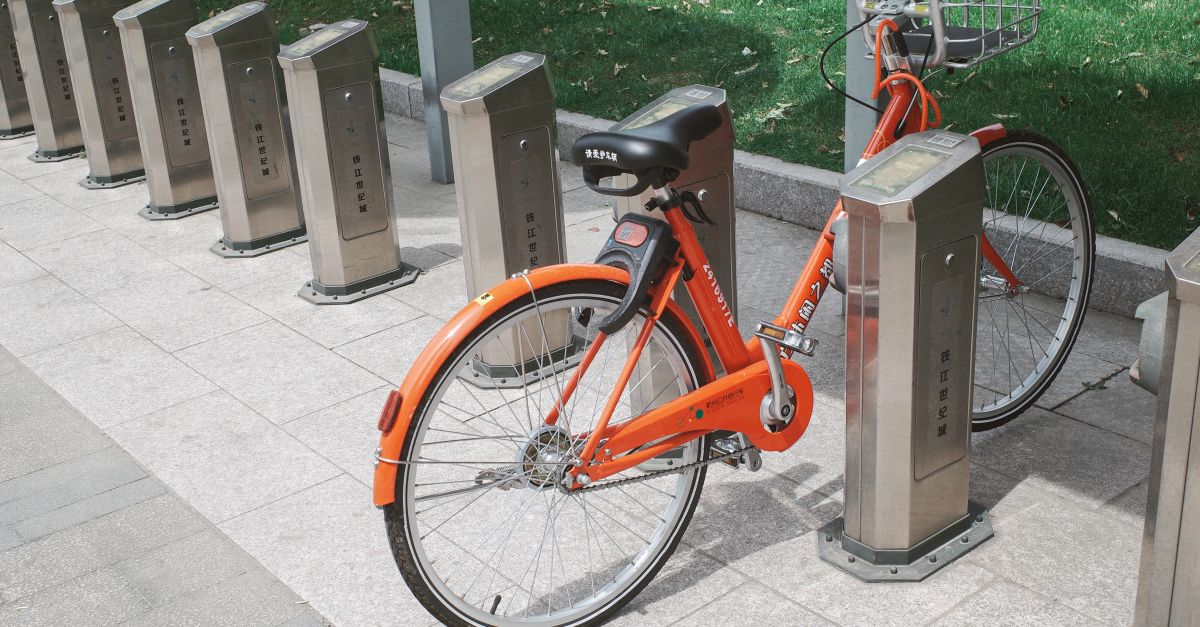
In Japan, cycling is not just a leisure activity or an option for weekend outings. In many cities, it is a genuine extension of the train, metro and walking, with a tangible place in everyday life. In Tokyo, Osaka, Kyoto, Hiroshima and Kanazawa, you see baskets, child seats, simple city bikes and electric models moving between stations, local shops and residential streets. This very practical relationship with two-wheelers can be explained by a rare combination: often compact urban centres, short journeys, a culture of respect for the rules, and a rental service that has become much simpler than it was a few years ago.
For French-speaking travellers and expats alike, renting a bike in Japan in 2026 can transform a trip. Kyoto’s temples become more accessible between connections, Kanazawa’s backstreets take on a whole new dimension, islands such as Naoshima can be explored at a more fitting pace, and longer routes such as the Shimanami Kaido become experiences in their own right. However, you need to understand where to rent, which type of bike to choose, which documents to prepare and how to avoid mistakes that cost time or even result in a fine. This practical guide addresses these points precisely, with a focus on real-world use: options suited to cities, tourist areas and more demanding terrain, as well as a realistic look at prices, traffic rules and the insurance you should not overlook.

Interactive comparison tool for bike rental in Japan in 2026
Quickly compare the most useful options for French-speaking travellers: estimated price, ideal duration, comfort, constraints and the best context for use.
Quick read
Quick tip
For a city break, a classic city bike remains the best compromise. For longer or hilly journeys, an electric bike is often the most comfortable option.
Renting a bike in Japan in 2026: why this mode of transport works so well
Cycling has found particularly favourable conditions in Japan. In many cities, the distances between a station, a residential neighbourhood, a temple, a park or a small shop are short enough for travelling by bike to be more efficient than taking a taxi or making a detour by bus. In historic centres such as Kyoto, but also in more modern cities such as Tokyo, cycling fits into a finely tuned mobility system: the train covers long distances, then the bike completes the journey. This complementarity explains why bike rental is so widespread around JR stations, hotels, ryokan and tourist information points.
Terrain also plays an essential role. Some Japanese cities are relatively flat, making cycling very enjoyable, particularly on urban and coastal routes. Other areas, however, are hillier and require an electric-assist bike to avoid an exhausting outing before you have even made your first visit. This is particularly true in coastal areas, on certain islands and in cities where places of interest are spread out. In this context, bike rental is not simply an additional service: it becomes a sightseeing tool that changes the way you experience an area.
The quality of the cycling network varies from city to city, but Japan’s great advantage lies in the overall organisation of public space. Junctions are easy to understand, road markings are precise, and interaction with pedestrians is often better regulated than elsewhere. This does not mean you can simply get on a bike without thinking. Cyclists must anticipate frequent stops, pedestrian crossings, shared areas and narrow streets. Nevertheless, for visitors used to sometimes aggressive traffic in Europe, Japan often offers a more predictable experience on the road.
This relationship with cycling is not limited to Tokyo. In Kyoto, it allows you to visit a succession of temples without relying on sometimes-crowded bus timetables. In Kanazawa, it is ideal for getting from a garden to a historic district. In Hiroshima, it makes short journeys between the city’s main sights easier. On the islands of the Seto Inland Sea, two-wheelers are almost part of the cultural landscape, alongside ferries and seaside cafés. In other words, renting a bike in Japan often means choosing a smoother way to temporarily inhabit a place.
This approach also explains the rise of urban bike-sharing systems. In a megacity such as Tokyo, there is strong demand for simple, fast solutions spread across multiple stations. Self-service services meet this need with a flexible system: you pick up a bike near one station, return it elsewhere, and the app shows which points are available. This model suits short urban journeys, trips between neighbourhoods and sightseeing without constraints. It is one of the reasons why cycling has become, in Japan, a practical, economical and surprisingly well-integrated means of transport in everyday life.
This first point is central: in Japan, cycling is not marginal; it is part of the invisible infrastructure of local life.
The main types of bike rental in Japan: self-service, stations, hotels and electric bikes
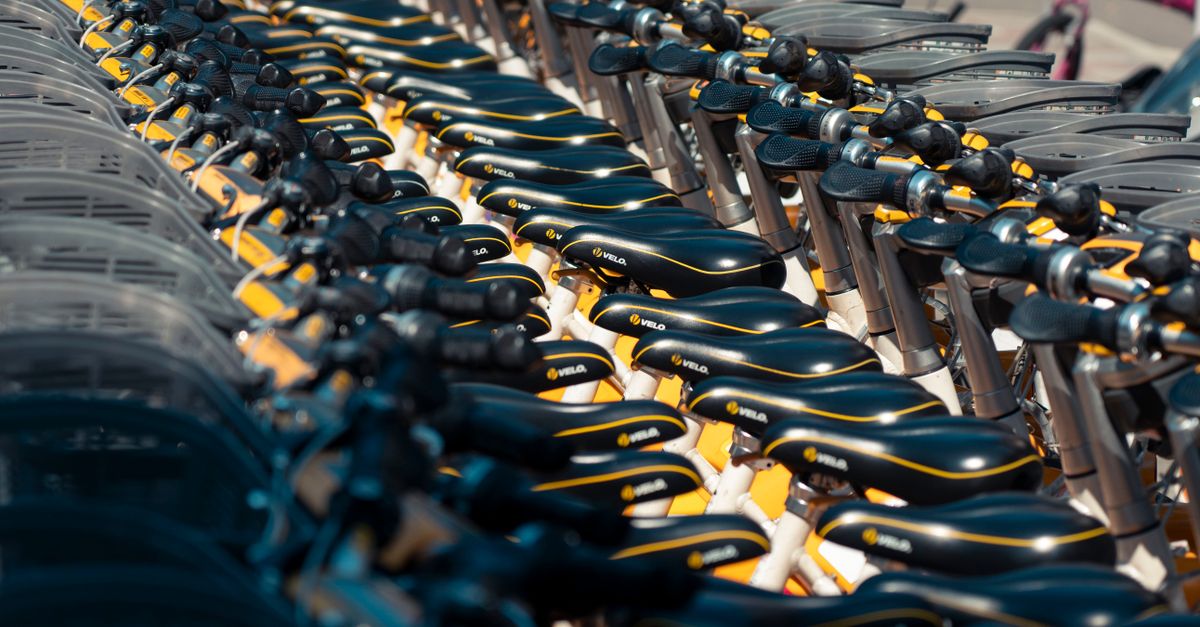
Bicycle hire in Japan is not based on a single model. On the contrary, several options coexist depending on the city, the length of your stay and the type of journey you have in mind. The best-known option in urban areas remains dockless bike sharing. In Tokyo, networks such as Docomo Bike Share offer stations spread throughout the city, with booking or activation via an app, followed by the option of returning the bike to another station. Other systems, also highly visible in the capital, work in a similar way. For a short stay, this format is particularly efficient: you avoid wasting time looking for a shop and can optimise travel from one neighbourhood to another.
The second, very common model is daily hire near JR stations or tourist areas. This option is mainly aimed at visitors who want a basic bike for a few hours or a full day. Hire desks are often close to transport hubs, making it easy to get started as soon as you arrive. This option is particularly useful in medium-sized cities, around secondary stations and in areas where you want to explore without planning every journey with an app. It is also the most intuitive choice for anyone who only uses a bike occasionally.
The third type is found at ryokan and hotels, especially in destinations where cycling naturally forms part of the tourist experience. Kyoto is the clearest example, but Hiroshima, Nara and some coastal towns also offer this possibility. Hire is often designed as a convenience service: there is no need to visit an external shop, as the bike can be collected from reception or from a member of staff. This suits people who want to set off early in the morning, return before dinner and avoid dealing with multiple arrangements.
Finally, electric bike hire has become a major option in hilly areas and on longer routes. Electric-assist bikes are very useful in places where the terrain quickly becomes tiring, but also for people who want to save their energy for sightseeing. At some natural sites around Okutama or Ome, you can also find sportier bikes, sometimes mountain bikes or road bikes, depending on the local selection. On islands or routes such as the Shimanami Kaido, this category becomes almost strategic: it considerably extends your range without making the ride exhausting.
There is therefore a clear logic to choosing between the options. For a short urban journey, dockless hire is often unbeatable. For a stress-free day of sightseeing, a shop near a station remains a safe bet. For a comfortable stay, hotels and ryokan make planning much easier. For hilly terrain, electric bikes change everything. The right approach is to choose according to your actual needs, rather than simply the advertised price.
Once you understand the full range of options, bicycle hire becomes a travel solution tailored to your trip, rather than merely a way of getting around.
In practice, many travellers save time by comparing these options when booking their accommodation. Once you have defined the type of journey, everything else becomes clearer.
How much does it cost to hire a bike in Japan: hourly, daily and electric bike prices
Prices vary according to the city, duration, bike category and level of service. For a classic city bike, often similar to a mamachari, prices generally remain modest. In 2026, a short hire may start at around 300 to 500 yen for a simple time slot, especially with bike-sharing systems or easily accessible shops. For a full day, the budget is often between 800 and 1,500 yen for a standard model, with variations depending on the location and accessories included.
Electric bikes fall into a different price range. Their practical benefits are genuine, but the extra cost quickly shows on the bill. Prices often range from around 1,500 to 3,500 yen per day, and may be higher in very touristy areas or for recent, well-equipped models. Hourly hire may seem more economical, but it quickly becomes less worthwhile if you are planning several stops. The useful comparison is therefore not just the basic price, but the balance between effort saved, extra range and actual duration of use.
In some cities, bike-sharing services charge according to usage, based on time slots. This can be worthwhile for short distances, provided you plan for breaks and check the accumulated fees. Conversely, daily hire is often more convenient if the route includes several visits, detours for lunch or unplanned stops. The right calculation depends on your itinerary, not on an isolated price.
Another factor matters: accessories. A basket, lock, child seat, helmet or second lock may or may not be included. Their presence sometimes changes the price slightly, but they are important, especially in cities. For a stay in a densely built-up neighbourhood, the simplicity of a basic bike is appealing. For a longer ride, an electric bike becomes more cost-effective if it prevents excessive fatigue or the need for a taxi back. You should therefore not too quickly set cost against comfort: in many cases, the most expensive option per unit is still the one that genuinely saves time and energy.
In practice, a traveller looking for a budget-friendly solution can plan for a very reasonable budget, especially in flat cities and urban areas. A couple spending a full day visiting Kyoto or Kanazawa will often spend less than they would on repeated taxi journeys. Conversely, on an island, an electric bike may be the best investment of the day, transforming a potentially tiring outing into an enjoyable visit.
The real issue is therefore not just the price displayed at the counter, but the total cost of a successful day.
| Type of bike | Typical price | Ideal use | Practical note |
|---|---|---|---|
| Classic city bike | 300 to 500 yen per hour, 800 to 1,500 yen per day | Short urban journeys | Simple, economical and sufficient in flat areas |
| Dockless bike sharing | Depending on usage time, often close to short hourly time slots | Journeys between neighbourhoods | Practical if there are plenty of stations |
| Electric bicycle | ¥1,500 to ¥3,500 per day, sometimes more | Hilly areas, long visits | Very useful for conserving your energy |
| Sports bicycle or mountain bike | Varies depending on the location | Nature trails, islands, specialised routes | Often limited to certain areas |
This price range remains consistent with occasional or tourist use, which explains the continued growth of bicycle hire in several regions.
Documents required to hire a bicycle in Japan and formalities to prepare
Hiring a bicycle in Japan remains straightforward in most cases, but certain administrative practices are worth knowing in advance. The document most frequently requested is an identity document. Depending on the company, this may be a passport, a residence card for foreign residents, or sometimes an equivalent document. In large cities and tourist areas, the process is often quick: verification, entering your contact details, possibly signing a form, and then receiving the bicycle. For visitors, this simplicity is reassuring, provided you have your document readily accessible.
A driving licence is rarely necessary for a standard bicycle. However, some very specific hire services, particularly for specialist bicycles or services included as part of an excursion, may request additional information. This remains the exception, not the rule. The main point is to check the booking method: for bike-share services, an app and a valid payment method are often sufficient; at a physical shop, speaking to a member of staff will generally allow you to sort out the rest within a few minutes.
For expats, the process may vary slightly. Some shops prefer to keep a copy of your contact details, while others ask for a local number in case of a problem. For a long-term or regular hire, it may be useful to find out whether a written contract is provided, particularly for more expensive bicycles or electric models. This precaution is not excessive: it avoids ambiguity over return times, any damage and insurance conditions.
The payment method is also something to plan ahead for. Bike-share services often accept international bank cards and digital wallets. Small local shops, on the other hand, may still prefer payment on site, sometimes in cash and sometimes by card, depending on the terminal available. This difference in practice may seem trivial, but it has a major effect on the experience: arriving with the right payment method avoids unnecessary trips back and forth.
In very busy tourist areas, bicycle hire can be very smooth, but you may sometimes need to book in advance during peak periods, particularly Japanese holidays, cherry blossom season or certain long weekends. Accommodation providers offering their own bicycles are often the easiest to use, because they combine bicycle collection, opening hours and key pick-up in the same place. For a hassle-free stay, this is often the most relaxing option.
The golden rule is easy to remember: prepare valid identification, a compatible payment method and a few minutes to spare before setting off. In practice, this is often enough to get started with peace of mind.
Cycling rules in Japan: what you really need to follow in town
Japan’s Highway Traffic Act should be taken seriously, as cycling is regulated precisely. In principle, when the road and pavement are separate, cyclists must ride on the road, keeping to the left and following the direction of traffic. This is an essential difference for travellers from countries where cycling more often takes place on dedicated cycle paths or on the right. The rule to adopt is therefore simple: ride on the left on the road when the layout requires it, and do not improvise your route among the cars.
In some areas, cycling on the pavement is permitted, but only when indicated by signage or when local circumstances allow it. In practice, this tolerance may exist on very busy or narrow streets, but it does not remove the need to be considerate towards pedestrians. Japan values predictable behaviour: moderate speed, a steady line, stopping at intersections and respecting pedestrian crossings. It is often this strictness that makes sharing the road possible despite the density.
Helmets are not compulsory for adults in every situation, but they are strongly recommended. Even on simple routes, one becomes useful as soon as traffic increases, the weather worsens or the route includes bends and descents. Similarly, using a phone while cycling is prohibited, as is holding an umbrella while pedalling. Visitors are sometimes surprised by the latter, but it is easy to understand: safety comes before immediate comfort.
Parking is another important point. You should not leave your bicycle just anywhere, even for a short break. Designated parking areas exist specifically to prevent pavements from becoming obstructed and bicycles from being removed. A poorly parked bicycle may be moved and could even result in a fee. In large cities, especially where public space is tightly regulated, this detail matters just as much as the route itself. It is therefore wise to identify authorised parking spaces from the outset, particularly near stations, shopping centres and very busy attractions.
In Tokyo, the local authorities place particular emphasis on safety rules. The metropolitan government also stresses the importance of third-party liability insurance cover for cyclists. This requirement has set the tone in several cities, where caution is not merely a moral recommendation but a concrete framework. The message is clear: bicycles are welcome, but not at the cost of careless behaviour.
When these rules become second nature, getting around becomes more comfortable for everyone. Smooth travel in Japan relies largely on this shared discipline.
Bicycle insurance in Japan in 2026: why it is strongly recommended
Insurance is something to take seriously, even for a short rental. Several bike-sharing services already include cover for certain types of damage or accidents, providing an initial level of protection. But this should not lead you to let your guard down. The useful cover is insurance that properly covers third-party liability, damage caused to others and, depending on the policy, injuries to the cyclist themselves. A bicycle may seem harmless, yet a collision with a pedestrian or another road user can result in significant costs.
In Japan, the question of third-party liability for cycling has become particularly prominent, especially in densely populated urban areas. In everyday terms, this means that travellers and expats should check whether their existing personal cover already includes it, or whether they need to add a dedicated option. Some travel insurance policies cover cycling, while others do not. Likewise, home insurance or broader Japanese cover may sometimes include a specific clause. The simplest approach is to check before hiring, rather than discovering a gap after an incident.
For longer rentals, the contract should specify what happens in the event of theft, damage or late return. Reading it takes just a few minutes and often prevents misunderstandings. In some cities, an abandoned or poorly secured bicycle may be moved, and not having a suitable lock can make matters more complicated. Insurance never replaces common sense: locking the bicycle properly, using the designated parking areas, choosing a visible location and not leaving valuables in the basket remain essential habits.
Electric bicycles deserve particular attention. Their value is higher, so the conditions for cover may be stricter. An excess, partial exclusion or requirement to report an incident immediately may be included in the rules. Visitors in a hurry often tend to look only at the daily price. In practice, it is better to read two extra lines and make sure that the procedure is straightforward if something goes wrong, especially if communication takes place in English or through an app.
It is also a good idea to check your travel insurance cover before setting off. A simple mention of bicycles among the benefits can make a real difference. Those living in Japan will often find that local insurance policies offer options better suited to repeated use. In any case, the message remains the same: a well-chosen but inadequately insured bicycle can cost more than a slightly more regulated rental.
In a country where compliance with traffic rules is taken seriously, insurance is not an administrative detail; it is part of the normal preparation for your journey.
To rent a scooter or a bike, book it ahead for your dates.
Where to hire a bicycle in Japan: Tokyo, Kyoto, Kanazawa, Hiroshima and the best-suited islands
Tokyo is probably the easiest city in which to try bike sharing. There are plenty of stations, the station-to-station system is well designed and journeys between neighbourhoods can become very efficient. For short distances, a system such as Docomo Bike Share or other urban networks lets you get from one place to another without relying on a physical shop. The areas around Shibuya, Meguro and the quieter parts of central Tokyo offer good conditions for an urban ride that is both useful and enjoyable.
Kyoto remains one of the most convincing examples in Japan. There are many temples, bus journeys can be long, and a bicycle allows you to link several sites without losing half the day to connections. You still need to choose your routes sensibly, as some streets can be busy or narrow. A day rental near a station or hotel works particularly well here, especially if it includes a basket or a good-quality lock. For many travellers, seeing Kyoto by bicycle is the best way to see more without having to rush.
Kanazawa is another excellent example. The city is compact enough to explore on two wheels, with pleasant journeys between Kenroku-en Garden, the former samurai districts and the craft areas. Cycling offers a gentle pace, perfectly suited to a visit combining heritage, coffee breaks and quiet little streets. Hiroshima, meanwhile, is well suited to short journeys between the Peace Memorial Park, the waterfront and several areas of the city centre. Here too, a bicycle makes the day easier without making it rigid.
The islands and coastal routes are a world apart. Naoshima is well known for combining contemporary art with relaxed travel, and a bicycle helps you move from one museum to another without constraints. The Shimanami Kaido, meanwhile, is almost an iconic route: bridges, islands, sea views and a long distance made accessible with good preparation. In these areas, an electric bicycle really comes into its own, especially if you want to enjoy the scenery without turning the outing into strenuous exercise. The areas around Okutama and Ome, near Tokyo, offer a more athletic alternative, with nature trails and more specialised bicycles depending on what is available locally.
The right location therefore depends on the type of visit. A busy city, a flat city, a cultural capital, an artistic island or a major cycling route: each setting calls for a different solution. This adaptability is what makes bicycle rental so relevant in Japan.
Choosing according to the terrain: a few useful examples
A day in Kyoto visiting several temples calls for a simple city bike or an electric one, depending on how you are feeling that day. A trip to Naoshima is better suited to a local rental with flexible hours. A journey around Tokyo benefits from using a bike-sharing service. As for a ride on the Shimanami Kaido, it deserves more thorough preparation, including checking the pick-up and return points. Cycling in Japan is therefore never an abstract choice: you choose your bicycle according to the map, the slopes and the pace of the day.
Making your bicycle rental in Japan a success: the practical details that can change your whole day
A successful rental often comes down to a few very simple details. The first thing to check is the bike’s size and comfort. A frame that is too high, a poorly adjusted saddle or unsuitable handlebars can quickly turn a ride into a chore. Before setting off, it is worth taking thirty seconds to test the brakes, bell, lights and lock. This routine may seem basic, but it prevents plenty of inconvenience. In an unfamiliar city, the quality of the journey depends as much on the bike as on the route.
The second point concerns the actual range. If the bike is electric, it is important to ask clearly about the battery. A few hours’ outing is not usually a problem, but a long journey, especially one involving hills, means knowing how far the assistance will last. Some operators state an estimated range, while others provide a charged bike without any particular details. In that case, common sense suggests keeping a buffer and avoiding plans for an overly ambitious day.
The third factor is planning where to stop. In Japan, you cannot simply leave your bike in the first free space you find. Parking areas exist for a reason and must be used. In city centres, this helps avoid fines and vehicles being moved. At tourist sites, it also means you can enjoy your visit without worrying. A properly parked bike is easy to find again, whereas a bike left in the wrong place can become a problem within minutes.
It is also useful to have a small weather strategy. Light rain does not always prevent you from cycling, but it does affect visibility and grip. As holding an umbrella while cycling is prohibited, a lightweight waterproof jacket or poncho is often more practical. In summer, the opposite is true: heat, humidity and tiredness call for regular breaks, especially in highly exposed cities. A well-planned cycling route is not necessarily the shortest one; it is the one that leaves room to breathe, drink and explore.
Finally, cycling remains an excellent way to combine transport with discovery. Where a metro journey cuts through the landscape, a bicycle restores the continuity between neighbourhoods, shops, small shrines and residential streets. In Tokyo, this can offer a very tangible glimpse of local life. In Kyoto, it lets you see the city beyond its major sights. On an island or coastal road, it mainly reveals the right kind of slowness—the kind that gives you time to look around without taking over the whole day.
Using a bike effectively in Japan therefore relies on light but precise preparation: comfort, range, parking and weather all form one coherent whole.
A typical day cycling in Japan: routes, pace and mistakes to avoid
A day cycling in Japan often works better when it is planned as a series of short sections. Setting off after breakfast, reaching a first site twenty minutes later, taking a coffee break and then making a longer second journey creates an ideal rhythm. This structure prevents exhaustion and lets you enjoy the neighbourhood instead of rushing through it. In Kyoto, for example, it is more pleasant to visit two temples in the morning, stop at a tea house, then head to another area after lunch. The bike then becomes a link between visits, rather than part of a race against the clock.
In Tokyo, the approach is different. Bike-sharing allows you to build a series of short trips: museum, park, bookshop, shopping district, then back towards a station. This flexibility is valuable for urban stays when you want to see a lot without organising too much logistics. The main risk is underestimating the time spent stopped. In the city, you also need to allow for traffic lights, pavements, pedestrian crossings and frequent stops. A four-kilometre route can therefore take much longer than expected if you do not leave some leeway.
In more touristy or island areas, the day takes yet another shape. On Naoshima, for example, the idea is often to travel between several art sites, stop regularly and avoid the hottest parts of the day. On the Shimanami Kaido, the pace is different: the effort is more demanding, but the surroundings make the journey memorable. In these settings, renting a bike is not only about getting around, but about creating a complete experience. This is precisely where an electric bike or road bike can make all the difference.
The most common mistakes are nevertheless fairly easy to avoid. Ignoring signs, forgetting to check where parking is permitted, setting off with a phone in your hand or assuming that all rental systems work the same way from one city to another are all habits that need correcting. Another frequent mistake is choosing a bike simply because it is immediately available, without considering the terrain. In a flat city, a standard model is often sufficient; on a slope or in a hilly area, it is better to invest in electric assistance.
A good day cycling in Japan is not about performance, but about a coherent sequence of experiences. When the route, weather, traffic and breaks are all in balance, the bike becomes one of the best ways to understand the city, distances and everyday local life.
Bike-sharing services and local rentals: what changes between Tokyo and other cities
Bike-sharing systems have transformed mobility above all in large urban areas. Tokyo is the most visible example, as the density of stations and variety of neighbourhoods make the service particularly useful. You can pick up a bike near a hotel, leave it near a museum, then take another one somewhere else during the day. This flexibility suits the way residents and visitors get around the capital, combining walking, trains and two-wheelers. The associated apps provide a real-time map of available stations, considerably reducing logistical hassle.
In other cities, the options are more local but sometimes more personal. A shop next to a station, a neighbourhood hotel, a rental point in a tourist area or an office near the ferry may be all you need. The advantage is simple: a direct explanation, sometimes in English, and personal contact to sort out the details. In destinations such as Okayama, Nara and the islands of the Seto Inland Sea, this simplicity makes a real difference. The service is less industrialised, but often better suited to the traveller’s actual needs.
The clearest difference lies in how the bike is returned. With bike-sharing, you need to find a compatible station. With a local rental, you will often return the bike to the same place, at a set time. This distinction affects the entire day. Bike-sharing is ideal for linear routes and spontaneous plans, whereas traditional rental reassures those who want a stable base. For a day trip, both formats are suitable; the choice mainly depends on how much freedom you are looking for.
French-speaking travellers often benefit from considering the urban context. Tokyo is well suited to bike-sharing, Kyoto favours neighbourhood or hotel rentals, the islands prefer very simple pick-up points, and hilly areas clearly give electric bikes an advantage. So the aim is not to find the best option in general, but the most logical one for the location and duration. This way of thinking helps avoid unpleasant surprises and immediately improves the experience.
The contrast between the major networks and local solutions shows one thing very clearly: in Japan, bike rental has become an ecosystem, not a single solution.
Frequently asked questions
Do you need a licence to rent a bike in Japan?
In the vast majority of cases, no. Some form of identification is often sufficient, such as a passport for travellers or a residence card for residents. A driving licence is generally not required for a conventional bicycle.
How much does it cost to rent a bike for a day in Japan?
A conventional city bike often costs between 800 and 1,500 yen per day. An electric bike more commonly costs between 1,500 and 3,500 yen per day, depending on the city, duration and services included.
Can you cycle on the pavement in Japan?
Yes, in certain situations or where signs permit it, but the general rule is to cycle on the road, on the left. You should remain aware of pedestrians and follow local signs.
Is wearing a helmet compulsory for adults?
No, it is not compulsory for adults in all cases, but it is strongly recommended. This is even more relevant in busy cities, bad weather or on hilly routes.
Which city is the most convenient for cycling?
Tokyo is very convenient for bike-sharing, Kyoto is ideal for temple visits, Kanazawa is enjoyable for a compact exploration, and islands such as Naoshima, as well as the Shimanami Kaido route, are particularly well suited to a more tourist-oriented or sporty outing.