Why are hanabi so popular in Japan
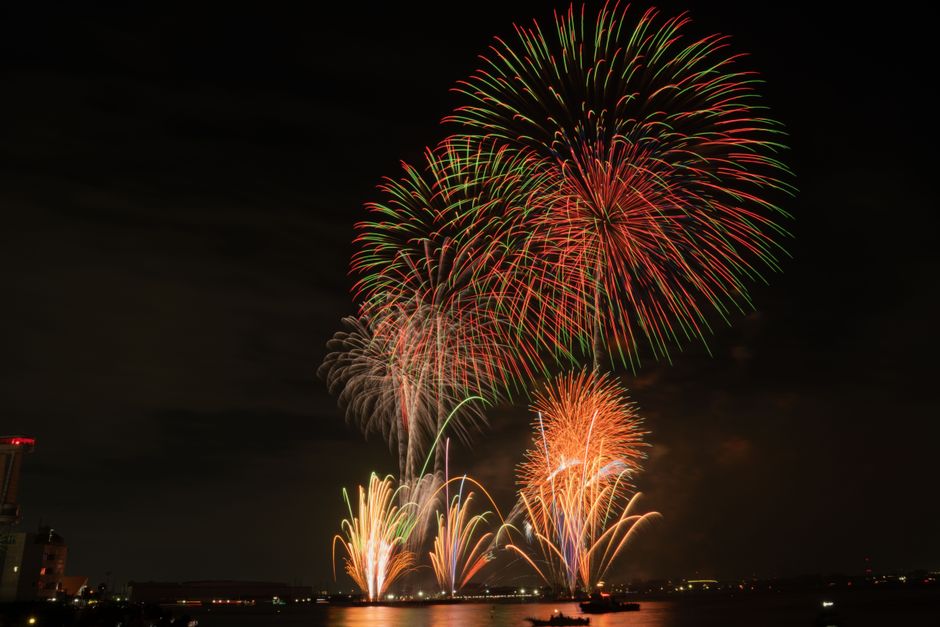
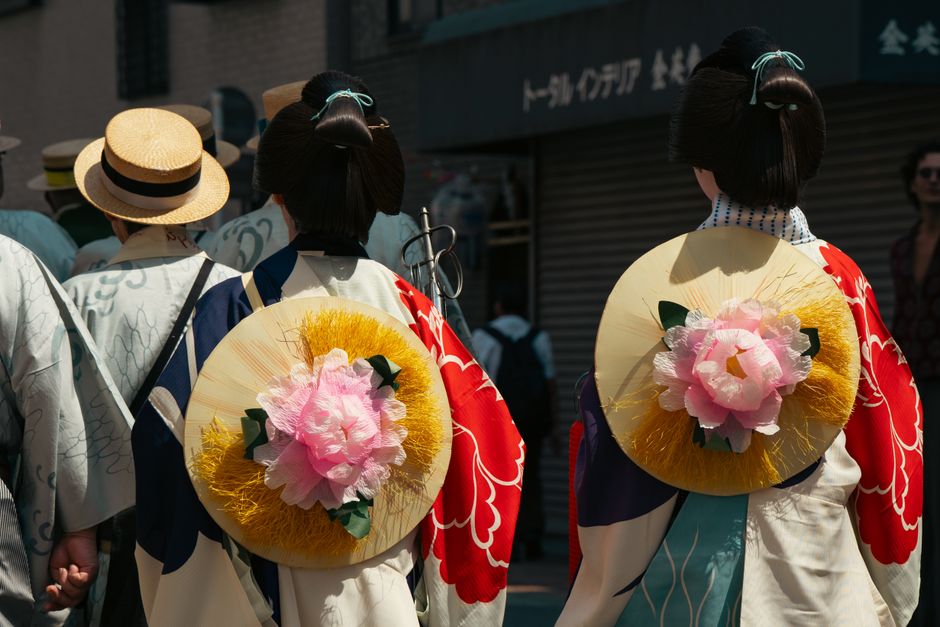
Japanese fireworks are more than just a spectacle: they embody a deeply rooted cultural tradition in the Japanese summer. Each festival offers unique pyrotechnic creations, designed by artisans who compete in technical skill to produce original shapes and colours. Spectators often wear the yukata, a lightweight summer kimono, and gather with family or friends on blue tarpaulins set up along rivers or in parks.
The festive atmosphere continues with the yatai, street stalls selling yakitori, takoyaki and other specialities. This convivial atmosphere, blending tradition and modernity, explains why hanabi attract so many people every year. To discover more aspects of Japanese culinary culture, see our guide to bento and its traditional compositions.
When and where to see the best hanabi in 2026
The hanabi season mainly runs from late July to early August, with a few festivals in September and November. Dates vary each year, but the main events are concentrated at weekends to maximise attendance. Here is a summary table of the major festivals:
| Festival | Location | Usual period | Number of fireworks |
|---|
| Sumida River Fireworks | Tokyo | Late July | 20 000 |
| Adachi Fireworks | Tokyo | Late July | 13 000 |
| Edogawa Fireworks | Tokyo | Early August | 14 000 |
| Omagari Fireworks | Akita | Late August | National competition |
| Nagaoka Fireworks | Niigata | Early August | 20 000 |
| Biwako Fireworks | Shiga | Early August | 10 000 |
To organise your stay and make the most of these events, consider reading our article on the Working Holiday visa for Japan if you are planning an extended stay.
Festivals outside Tokyo: a more authentic experience
While Tokyo's hanabi attract huge crowds, festivals in regional areas offer a more intimate and traditional atmosphere. The Omagari championship, in Akita Prefecture, brings together the country's best fireworks technicians, who present innovative creations. The Biwako festival, near Kyoto, offers the chance to admire fireworks reflected on Lake Biwa, creating a spectacular visual effect.
The Miyajima hanabi, in Hiroshima Prefecture, take place above the sea, with the famous floating torii gate in the background. These regional festivals are often less crowded, allowing you to enjoy the spectacle in better conditions.
How to prepare properly for a hanabi
Attending a hanabi requires careful planning, especially for the most popular festivals. Here are the essentials to plan for:
- Arrive early: for free seating areas, allow 4 to 5 hours in advance for the best spots, or even longer for major festivals.
- Blue tarpaulin: essential for marking out your space on the ground. You can find them in konbini or at Daiso.
- Food and drinks: buy bentos, snacks and drinks in advance. The yatai on site offer specialities, but the queues are long.
- Cash: stalls generally only accept cash. Allow 5,000 to 8,000 yen per person for the evening.
- Clothing: the yukata is traditional but optional. Wear light, comfortable clothing, and bring a windbreaker if you are staying late.
Paid or free seating: which should you choose?
Most spectators watch the hanabi from free areas along the river or in parks. These spots offer a reasonable view, but require you to arrive very early and remain standing or seated on the ground for several hours.
Paid seating includes grandstands with seats, cruises on yakatabune (traditional boats), or hotel-and-restaurant packages with a view. Grandstand seats cost between 4,000 and 8,000 yen and can be booked two months in advance via Lawson Ticket or 7-Eleven. Boat cruises offer a unique experience, but the budget rises quickly (15,000 to 30,000 yen per person).
Etiquette and safety guidelines
Hanabi attract considerable crowds, and following the rules ensures everyone's safety and comfort. Here are the main guidelines:
- Respect reserved areas: do not set up in areas marked on the ground for paid seating.
- Avoid prohibited areas: stairs, scaffolding and emergency access routes are not seating areas. The police systematically clear them.
- Drink alcohol in moderation: beer and sake are permitted, but excessive drinking is frowned upon.
- Drones prohibited: Japanese regulations prohibit their use at public events.
- Tripods and photography equipment: often prohibited in free areas so as not to obstruct other spectators' view.
- Rubbish: take your rubbish with you or use the sorting bins provided.
Japan is a country where safety rules are taken very seriously, particularly because of the risk of earthquakes. To find out more about prevention, see our article on earthquakes in Japan and the guidelines to follow.
Transport and accommodation for hanabi
Public transport is packed before and after major festivals. Metro lines and local trains are full, and taxis become scarce. Plan to stay on site until the crowds have dispersed, or leave very early to avoid the rush.
If you are staying in Tokyo, choose accommodation close to the festival venue or well served by several metro lines. For an unusual experience, see our guide to capsule hotels in Japan, an affordable and practical option.
Weather and postponements
Hanabi take place outdoors and are affected by weather conditions. In the event of heavy rain or strong winds, the festival may be postponed until the following day or cancelled. Always check the event's official website on the day itself to confirm that the show is going ahead.
Frequently asked questions
How much does entry to a hanabi festival in Japan cost?
Entry is generally free for most spectators who set up in public areas along rivers or in parks. Reserved grandstand seats are available for 4,000 to 8,000 yen, while traditional boat cruises cost between 15,000 and 30,000 yen per person.
When do fireworks festivals take place in Japan?
The main hanabi season runs from late July to early August, with a concentration of major events during this period. A few festivals are also held in September and November, such as Tsuchiura All Japan Fireworks in November.
Do you need to wear a yukata to attend a hanabi festival?
A yukata is not compulsory, but it is very common and adds to the festive atmosphere. You can rent one for 3,000 to 5,000 yen in areas such as Asakusa in Tokyo or Gion in Kyoto. Light, comfortable clothing is also suitable.
How long does a Japanese fireworks display last?
A hanabi display generally lasts between 60 and 90 minutes. The largest festivals feature between 10,000 and 20,000 fireworks, with sequences synchronised to music and breaks between the different parts of the display.
Can you see hanabi outside Tokyo?
Yes, many festivals take place throughout Japan. Omagari in Akita Prefecture hosts the national championship, Biwako near Kyoto offers a lakeside setting, and Miyajima in Hiroshima puts on a display over the sea with a view of the floating torii.
What should you do if the hanabi festival is cancelled due to the weather?
In bad weather, the festival may be postponed until the following day or cancelled. Check the event’s official website on the day itself for the decision. Paid tickets are generally refunded or remain valid for the rescheduled date.