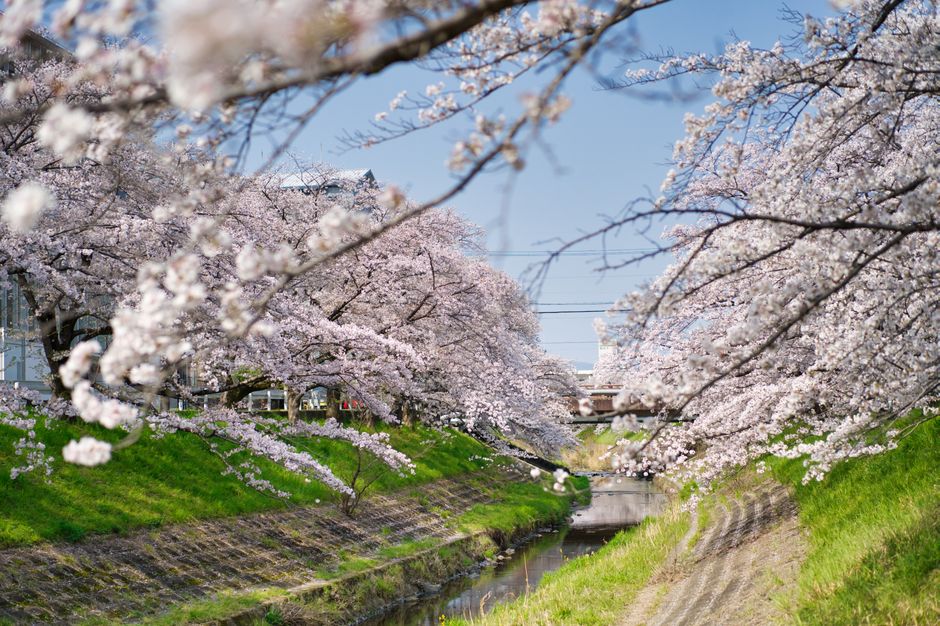
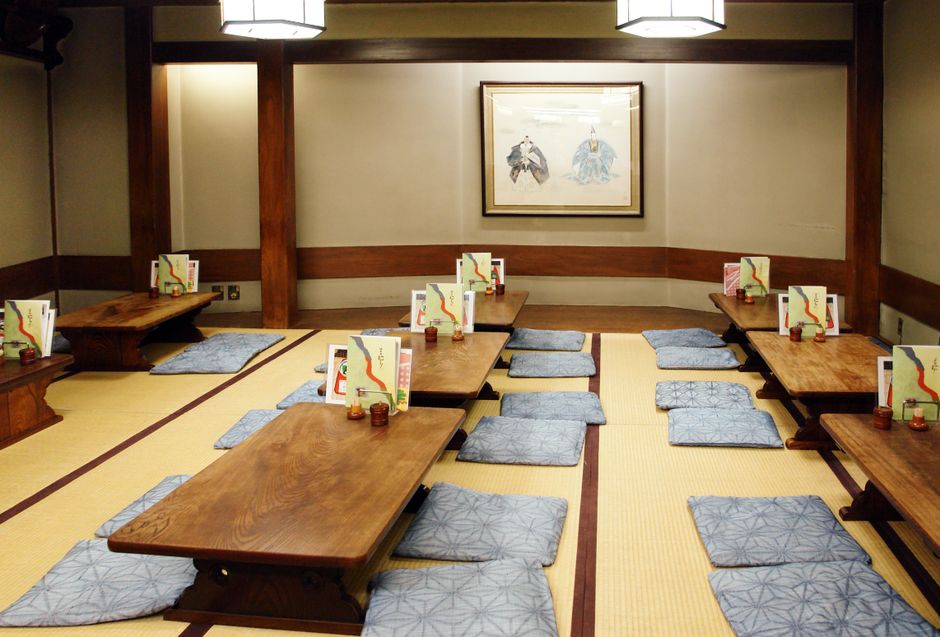
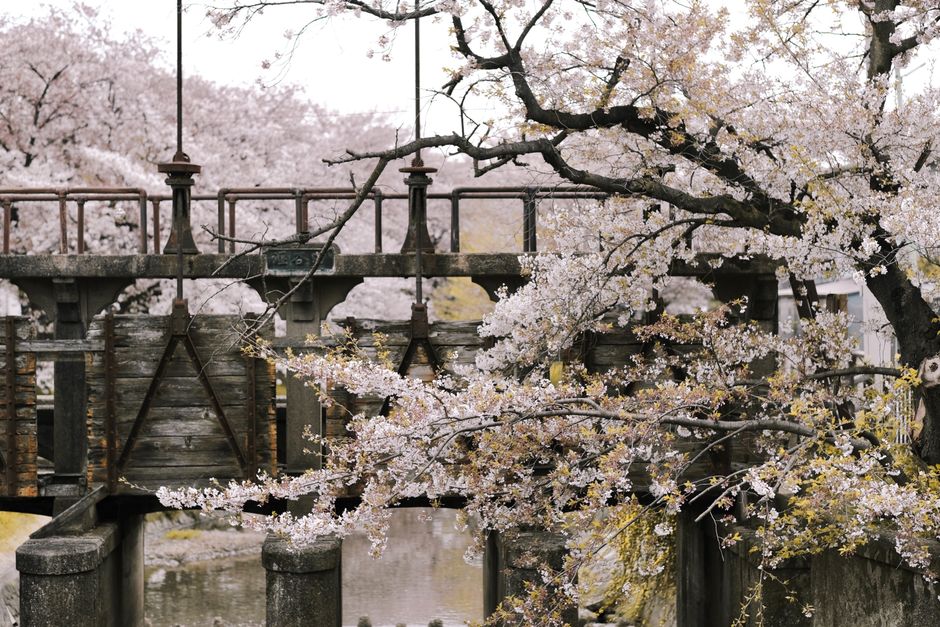
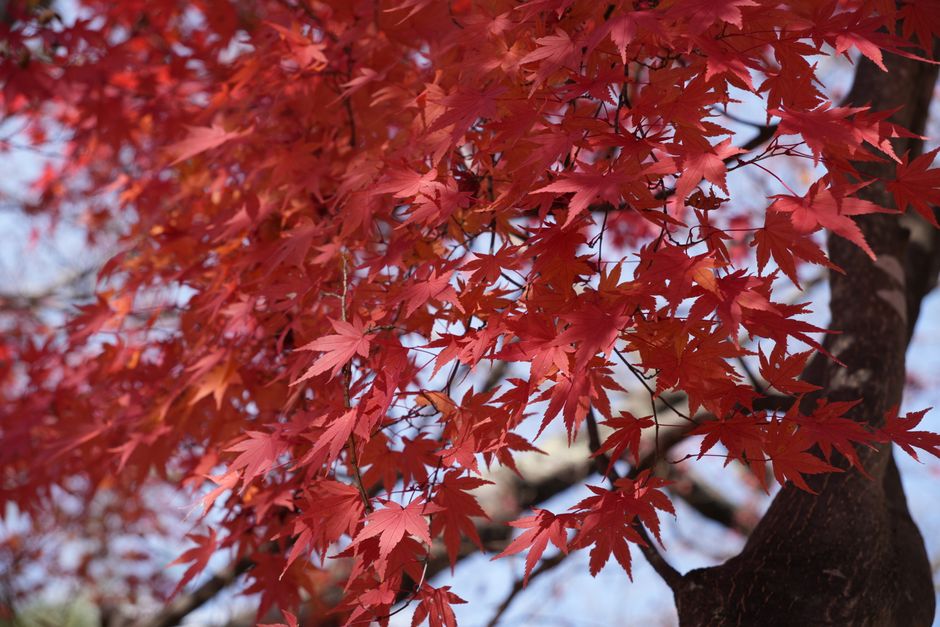
The best season to visit Japan depends on your itinerary and priorities. Spring is ideal for cherry blossoms, autumn for colourful foliage and pleasant temperatures, winter for skiing, onsen and illuminations, while summer is perfect for festivals, beaches and Hokkaido. For a balanced first trip, May, September, October or November are generally preferable, after checking the weather region by region.
Japan stretches for almost 3,000 kilometres from north to south, so Tokyo, Kyoto, Hokkaido, Okinawa and the west coast do not have the same climate. A climate map and local forecasts are essential before finalising your stops.
Japan’s climate varies considerably by region
Talking about “Japan’s season” in the singular is an oversimplification. The archipelago stretches from cold northern Hokkaido to the subtropical islands of Okinawa. Mountains, winds and exposure to the sea also affect weather conditions. A period that is pleasant in Tokyo may be cooler in Hokkaido, wetter on the west coast or very hot in the south.
When planning your itinerary, compare at least the Tokyo and Kansai regions, Hokkaido, Tohoku, the Sea of Japan coast and Okinawa. Data from one weather station does not describe the whole country. Check the official forecasts shortly before departure, especially if you are planning a hike, climb or mountain journey.
Climate map: key points
| Region | What to expect | Suitable trips |
|---|
| Hokkaido | Cold, snowy winters; summers milder than in the major cities in the south | Skiing, nature, hiking and exploring the island |
| Tokyo, Kyoto and Osaka | Four distinct seasons, heat and humidity in summer | Culture, urban neighbourhoods, temples and food |
| Tohoku | Generally milder summers than the southern metropolises | Festivals, scenery and less conventional itineraries |
| West coast and Hokuriku | Heavy snowfall in winter | Onsen, winter scenery and regional cuisine |
| Okinawa | Warmer climate and seaside atmosphere | Beaches, islands and water activities |
If Hokkaido appeals to you, also see this guide to Hokkaido, its attractions and the best time to visit.
Which time of year should you choose for your trip?
For a first cultural trip
Spring and autumn generally offer the best balance between outdoor sightseeing, manageable temperatures and remarkable scenery. However, spring attracts many travellers around the cherry blossoms. Autumn allows you to plan a cultural itinerary around temples, gardens and maple trees, with visitor numbers often more moderate depending on the places and dates.
A trip centred on Tokyo, Kyoto and Osaka involves a lot of walking and regularly changing neighbourhoods. Avoid choosing a date solely for a particular blossom or autumn colour: their timing varies according to the region and the conditions that year.
For scenery, hiking and Mount Fuji
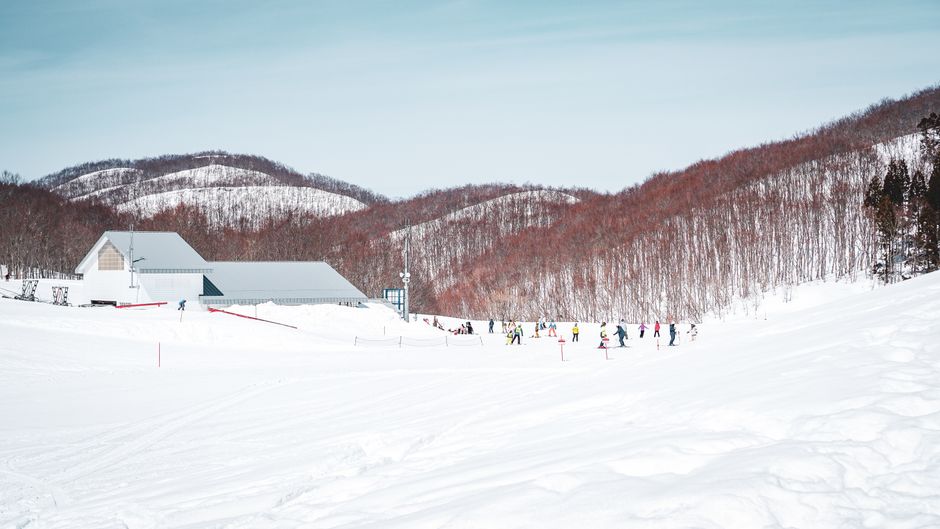
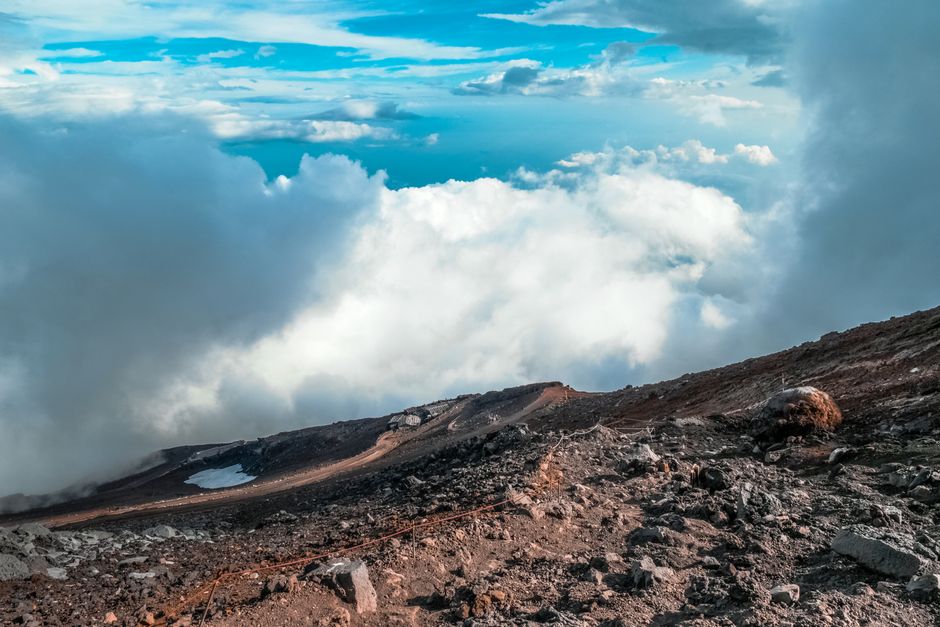
The best time depends on the altitude, whether trails are open and the local weather. Summer makes some mountain trips easier, but heat and showers can make hikes strenuous. In winter, snow transforms the scenery and makes skiing possible, but it can disrupt travel on the west coast and in mountainous areas.
Before setting off, check trail conditions, access arrangements and local recommendations. Do not base your itinerary on a theoretical date: the authorities, tourist offices and site managers indicate the actual opening dates.
For festivals, beaches and nightlife
Summer is the season richest in matsuri, fireworks and local events. It suits travellers who are comfortable with heat and humidity. Okinawa’s beaches and Hokkaido’s milder landscapes meet very different expectations: choose your region before choosing your month.
Major festivals can fill accommodation and transport. Check the event’s official calendar, the exact locations and any restrictions before booking.
Choosing your month without relying solely on the calendar
| Period | Main advantages | Points to bear in mind |
|---|
| March to May | Renewal, cherry blossoms and temperatures often favourable for sightseeing | High demand around the blossoms and crowds at famous sites |
| June to July | Festivals and the approach of the summer season | Rainy season, rising temperatures and humidity |
| August | Beaches, festivals, mountains and climbing Mount Fuji | Heat, humidity, holidays and very busy transport |
| September to November | Light, autumn colours and often pleasant conditions | Typhoon risk at the start of the period; timing of the autumn colours varies |
| December to February | Snow, skiing, onsen, illuminations and lower visitor numbers outside the holidays | Cold, shorter days and closures or disruption caused by snow |
May can be a balanced choice, but Golden Week, from 29 April to 5 May, creates high demand for transport and accommodation. The Obon period, from 13 to 16 August, is also busy. Around the Japanese New Year, from 28 December to 4 January, some establishments close and travelling becomes more difficult.
Adapt your plans to the weather
- Plan alternative indoor activities for rainy days: museums, covered markets, department stores or cultural workshops.
- Group outdoor activities in the morning when summer heat is likely to make travelling tiring.
- Leave some flexibility in your itinerary if you are travelling during a period exposed to typhoons or heavy snowfall.
- Choose clothing that can be worn in layers: differences between regions, altitudes, air-conditioned transport and urban streets can be significant.
- Book accommodation earlier for festivals, blossom seasons and Japanese holidays.
To choose your base in Tokyo, compare neighbourhoods according to your planned transport and sightseeing with this guide to Tokyo neighbourhoods for sightseeing and accommodation. For a winter stopover, a capsule hotel in Japan may also meet a practical need, provided you check its location and opening hours.
How can you quickly decide when to visit Japan?
- List your priorities: cherry blossoms, momiji, skiing, beaches, festivals, hiking or cities.
- Identify the regions you will actually visit, without applying Tokyo’s weather to the whole archipelago.
- Compare visitor numbers and calendar constraints with the dates available to you.
- Check official forecasts and alerts before departure.
- Keep a flexible itinerary for activities affected by rain, wind or snow.
There is therefore no single date that is ideal for visiting Japan. The best time is the one that combines your main activity, your chosen regions and acceptable weather. For a general trip, spring and autumn remain the most sought-after options; to reduce crowds, consider an in-between period and confirm local conditions before booking.
Frequently asked questions
When should you visit Japan for the first time?
For a first trip combining Tokyo, Kyoto and other cities, spring or autumn often offer a good balance. Spring attracts more visitors around the cherry blossoms. Autumn is well suited to temples, gardens and walks. However, check the dates of Japanese holidays and the weather in each region.
What is the weather like in Japan in March?
The climate in March varies depending on the region. The north remains considerably colder than Tokyo or Kyoto, while temperatures change quickly over the course of the month. Plan to wear layers and check local forecasts. Cherry blossoms do not start everywhere at the same time.
Is May a good time to visit Japan?
May can be pleasant for visiting cities and travelling through several regions, with conditions often easier than in the height of summer. However, do not assume that the whole period is quiet: Golden Week, from 29 April to 5 May, comes with very high demand for transport and accommodation.
Can you visit Japan in August?
Yes, if you are looking for festivals, fireworks, beaches or certain mountain activities. However, the heat and humidity can be challenging, while travel is busy around Obon, from 13 to 16 August. Hokkaido can offer a more temperate experience.
What is the best season to see the autumn colours in Japan?
Autumn is the preferred season for momiji, but the timing depends on latitude, altitude and the weather. The colours may appear earlier in the north and in the mountains, then progress towards the more southerly regions. Check local forecasts before planning your itinerary.