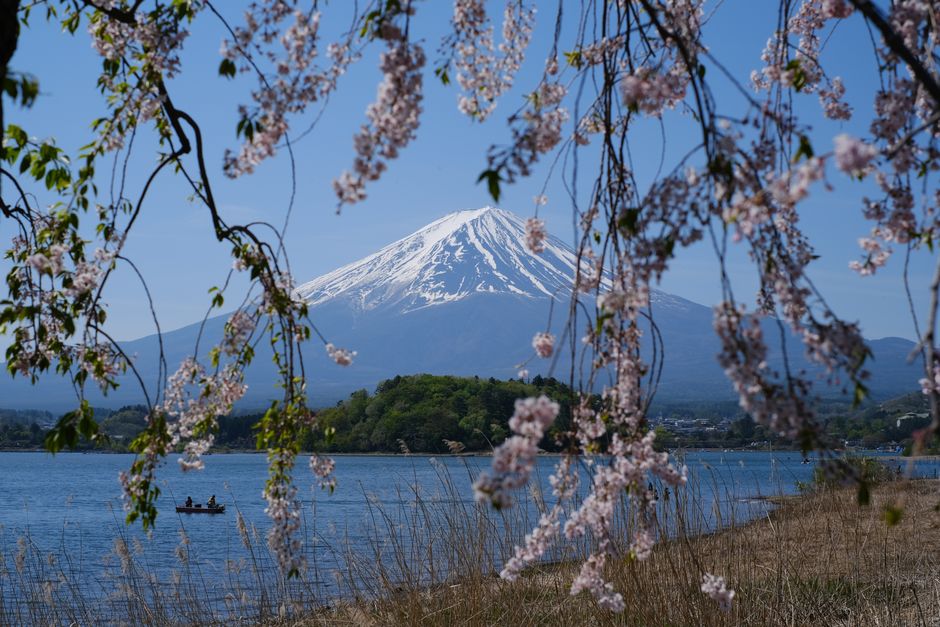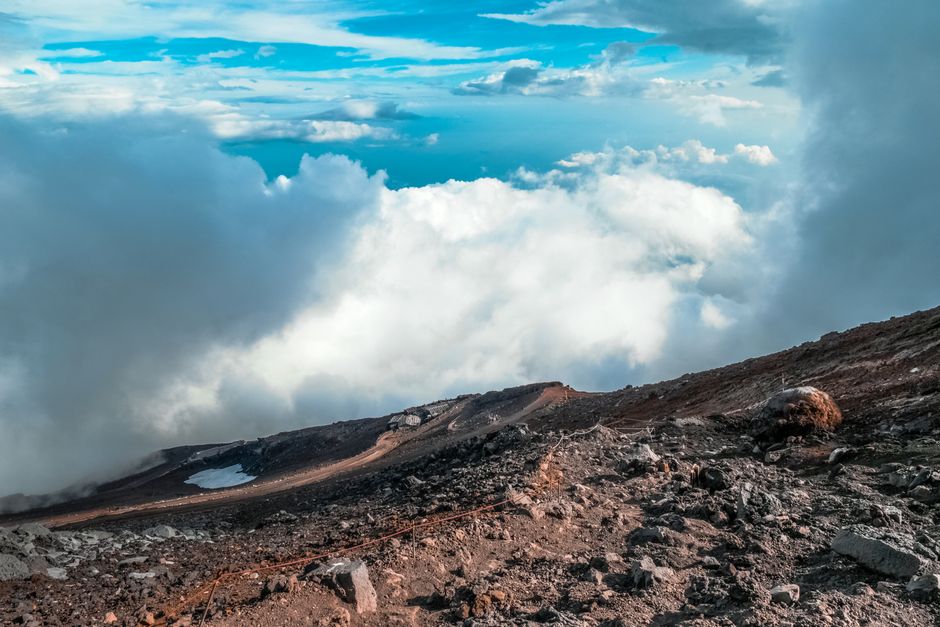
Every summer, Mount Fuji attracts travellers who want to experience an iconic ascent without getting their budget, dates or choice of trail wrong. In 2026, access remains regulated, following an approach now well established in Japan: reducing pressure on the mountain, spreading out visitor flows more effectively, and reminding people that a summit at 3,776 metres requires more preparation than a simple day hike. For French-speaking residents of Japan as well as visitors passing through, the question often comes down to three very practical points: when to go, how much to budget, and which route really suits the group’s ability.
The answer depends mainly on the opening season, the route chosen and how you organise the trip. The Yoshida, Subashiri, Fujinomiya and Gotemba trails do not have the same gradient, atmosphere or transport and accommodation constraints. The first few metres may seem manageable, but altitude, weather and fatigue quickly transform the experience. The right choice is therefore not just about scenery; it is also a question of pace, booking and clear-headed judgement. That is precisely what makes the difference between a smooth ascent and an interminable day in the wind, cold or crowds.

Climbing Mount Fuji in 2026: official opening season and the best time to go
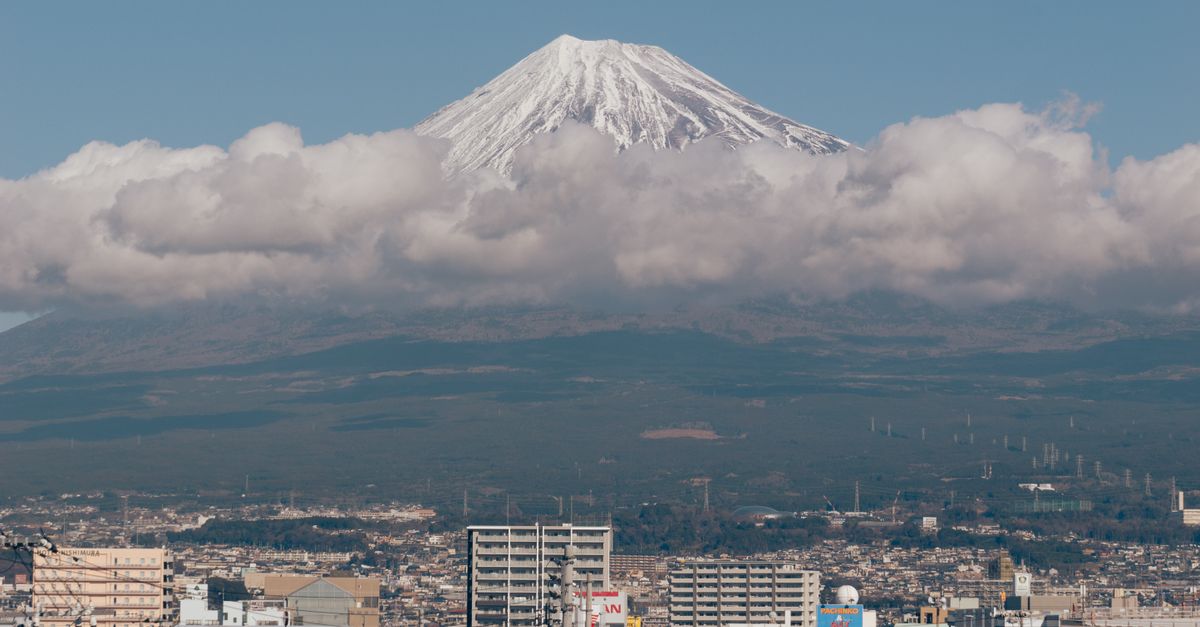
The Mount Fuji climbing season remains short and strictly regulated. In 2026, the official opening dates follow the pattern already observed: the Yoshida and Subashiri routes generally open on 1 July, while the Fujinomiya and Gotemba trails, as well as the crater-rim walk at the summit, tend to open on 10 July. This difference is not insignificant: it reflects residual snow conditions, the securing of facilities and the gradual opening of mountain huts and access controls. When planning a trip, a few days can change the entire itinerary for a stay in Japan.
The most comfortable period for climbing is usually between early July and the first half of September. This is when the roads are monitored, the huts are open and seasonal shuttles or buses are easier to use. However, you must accept a particularly strict Japanese reality: even in summer, the summit can be freezing, especially at night or before dawn. Going in August guarantees neither good weather, nor an absence of wind, nor clear visibility. An overcast sky in Tokyo gives no reliable indication of conditions above the mountain huts.
For those wanting to avoid the biggest crowds, two strategies stand out. First, aim for weekdays rather than weekends and the Obon holiday period. Second, choose an earlier date in the season, when groups are still fewer than during the August peak. However, setting off early in the season means being even more vigilant about the weather and temperatures. The truly best time is not just a date on a calendar: it is a compromise between safety, availability and your tolerance for the cold.
Beginners often make one simple mistake: confusing the opening of the trails with actual comfort. An open route is not an easy route. On Mount Fuji, climbing is possible because a seasonal framework has been put in place, not because the mountain has become any more forgiving. The weather changes quickly, the air gets thinner, and the temperature differences between the base and the summit are considerable. It is therefore better to view the season as a logistical opportunity, not a guarantee of an easy climb. This distinction helps avoid many disappointments.
What the 2026 calendar changes in practical terms when planning your trip
For a traveller arriving in Tokyo with only one night available, the trail opening date affects everything: accommodation, train connections, buying equipment and booking a mountain hut. If the aim is to climb for sunrise, you generally need to sleep in a hut or set off very late in the day, which quickly tires out beginners. By contrast, climbing during the day followed by a night in a hut lets you reach the summit more serenely, provided you have booked in advance. In both cases, the official opening of the trails remains the starting point for any credible planning.
In practice, 2026 confirms a trend that is useful for French speakers: planning ahead is more important than ever. Availability can quickly become tight during the most convenient periods, and access to certain stations fills up at peak times. The Fuji calendar should therefore not be read as a simple seasonal table, but as a decision-making tool. It is this calendar that determines your preparations, not the other way around.
Mount Fuji climbing prices in 2026: real budget, access fees and expenses to expect
The budget depends less on the summit itself than on how you climb it. Since visitor management was strengthened, you need to allow for an entrance or cooperation fee to access the mountain, with the amount varying according to the arrangements in force at the time of departure and the route. In practice, it is reasonable to budget around 1,000 to 2,000 yen, or approximately 6 to 12 euros, for this administrative and environmental component. The principle is simple: contributing to trail maintenance and visitor safety. Climbing Fuji therefore also means preparing for controlled access, not just a free hike.
On top of this come the costs of transport, mountain huts, food and, potentially, equipment hire. For transport from Tokyo, the realistic range is often between 2,000 and 6,000 yen one way, or depending on the type of journey, approximately 12 to 36 euros, especially if you combine a train and seasonal bus. A bed in a mountain hut commonly costs around 5,000 to 10,000 yen per night, or approximately 30 to 60 euros, with variations depending on the package, period and whether meals are included. At this price level, booking early quickly becomes essential.
Equipment can also push up the total if everything has to be bought locally or before departure. Suitable hiking shoes, a waterproof jacket, a headlamp, gloves, thermal layers and sometimes walking poles can easily add several thousand yen. For a traveller who already has the equipment, the cost remains manageable. For a complete beginner, the bill can rise well above the basic access fee. In short, Fuji is not a single expense, but a collection of small budgets that need to be added together without overlooking any item.
A telling example: a couple travelling from Tokyo for a two-day climb, including train, bus, mountain hut and partial equipment hire, can quickly spend around 15,000 to 30,000 yen per person, or approximately 90 to 180 euros, excluding more comfortable meals and last-minute purchases. This range remains realistic and consistent with an organised experience without luxury, but without improvising either. Those who set off on a tight budget often discover that on Mount Fuji, the unexpected always costs a little more than planned.
Useful table for estimating the cost of a climb
| Item | Range in yen | Approximate equivalent in euros | Practical note |
|---|---|---|---|
| Mountain access / contribution | 1 000 à 2 000 | 6 à 12 | Amount varies according to the arrangements in place |
| Transport from Tokyo | 2 000 à 6 000 | 12 à 36 | Depending on buses, trains and connections |
| Night in a mountain hut | 5 000 à 10 000 | 30 à 60 | Booking is almost essential during the season |
| Equipment hire | 3 000 à 10 000 | 18 à 60 | Depending on the number of items hired |
| Food and drinks | 1 500 à 4 000 | 9 à 24 | More expensive than in the valley |
Mount Fuji routes: Yoshida, Fujinomiya, Subashiri and Gotemba clearly compared
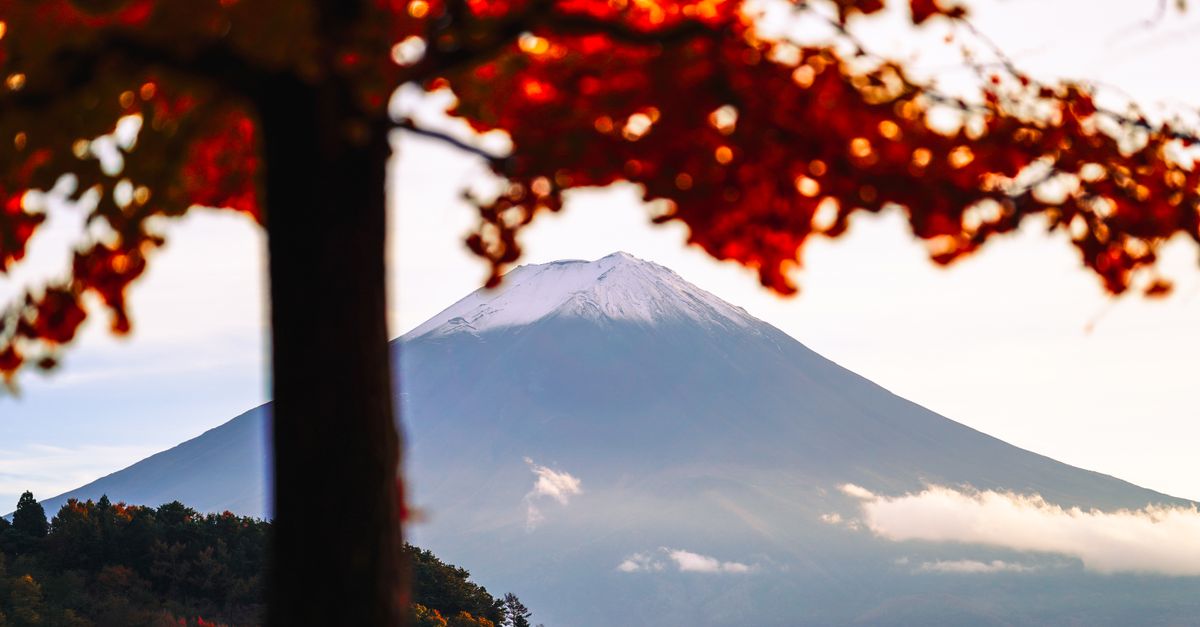
Mount Fuji has four main ascent routes, each with its own character. The Yoshida trail is the best known, often chosen by those who want more mountain huts, a straightforward climb and relatively simple logistics. Fujinomiya is shorter but steeper, making it a popular option with hikers already used to elevation gain. Subashiri combines forest sections and volcanic terrain, with a sense of gradual progress before joining Yoshida. Gotemba, finally, is the longest and one of the most demanding, starting lower down with an effort that goes on for a long time. Choosing a route therefore means choosing a type of day.
The Yoshida trail starts at around 2,305 metres at the fifth station of the Fuji Subaru Line. The ascent covers around 6.8 km and takes approximately 6 hours, while the descent is around 7 km and takes nearly 4 hours. The terrain alternates between rock and gravel, with a high concentration of mountain huts. This makes it the most reassuring route for a first climb, especially if you plan to sleep in a hut. The downside is obvious: more people, more bottlenecks and more noise. A first Fuji climb is best experienced on Yoshida if you accept the crowds as the price of comfort.
Fujinomiya starts at around 2,400 metres, higher than Yoshida, with an ascent of 4.3 km taking approximately 5 hours. The descent also covers around 4.3 km and can take 3 hours. The trail is short, but the gradient is felt sooner. It is an efficient route for anyone looking to save time, provided they already have some experience of strenuous walking. At 2,000 metres, Subashiri covers approximately 6.9 km in 7 hours uphill and 6.2 km in around 4 hours downhill. The forested sections make for a pleasant start before the terrain becomes more rocky. Gotemba, finally, is the toughest logistically: starting at 1,440 metres, it involves a 10.5 km ascent over approximately 9 hours, followed by an 8.4 km descent taking 4 hours. The volcanic gravel terrain tires the calves and slows progress. It is a route often reserved for patient hikers.
To visualise the choice, a simple rule is very helpful. Yoshida suits those who want mountain huts and a well-balanced first Fuji climb. Fujinomiya is for efficient hikers who are used to steep slopes. Subashiri appeals to those who like a more gradual approach with fewer visitors. Gotemba requires endurance and time, but offers a more athletic experience. Rather than looking for the “best” route, it is better to choose the one that best matches your fitness level, travel style and tolerance for crowds. That is exactly what determines whether the climb is a success.
Interactive route comparison tool
Mount Fuji climb: compare the 4 routes
Choose the hiker profile or filter by difficulty to display the most suitable route.
Interactive comparison table
Click a route to highlight it.
| Route | Starting altitude | Ascent distance | Ascent duration | Difficulty | Mountain huts | Recommended for |
|---|
Quick summary
Visual overview to quickly choose the right route.
Practical tip
For a first ascent, Yoshida remains the easiest and most reassuring choice, thanks to its many mountain huts.
Booking a mountain hut on Mount Fuji: overnight stays, comfort and practical planning
Mountain huts play a central role in a well-managed ascent. They allow you to break up the effort, warm up, eat and reduce the risks associated with an improvised night climb. On Fuji, the huts are modest and often very basic, with functionality taking priority over comfort. This is not a “luxury mountain” stay, but a strategic place to rest. That is precisely what makes them indispensable. Without an overnight stay, many beginners set off too quickly, become exhausted and then miss their ideal weather window at the summit.
Booking is done in advance, and you need to accept that the best dates sell out quickly, especially in August and at weekends. Huts often offer dormitory-style accommodation, sometimes with meals, and sometimes with an additional charge for dinner or breakfast. The price of 5,000 to 10,000 yen per night remains the most realistic benchmark, but certain services can push up the bill. Booking early also helps reduce the stress of the big day, as you already know where you will sleep and what time to aim for the next part of the ascent. This preparation makes a major difference mentally.
A common scenario among French-speaking visitors is to arrive in the late afternoon, have dinner at the hut, sleep for a few hours, then set off for the summit before dawn. This option is popular because it allows you to see the sunrise without spending the night outdoors. However, it requires good management of sleep and exertion. Getting little sleep at altitude is not without its risks. Huts help you acclimatise, but they are no substitute for serious preparation. The hut is therefore not just a bed; it is part of your safety strategy.
In practice, it is best not to rely on last-minute availability. Mount Fuji attracts many visitors over a short period, and the huts fill up quickly. A confirmed booking also allows you to organise transport to the 5th stations without rushing. Those who plan to “see what happens on the day” often end up sleeping less well, setting off later and taking more risks. On this mountain, improvisation comes at a high cost—sometimes in time, sometimes in energy, and sometimes in safety.
A few useful points to remember when staying in a hut
Huts almost always have precise rules concerning quiet, waste sorting and the rotation of sleeping spaces. You should therefore pack compactly, keep essentials within easy reach and avoid bulky items. A head torch, water bottle, warm jacket and snacks should be easy to grab. This organisation may seem mundane, but it avoids rummaging through a 15-kilo bag in the middle of the night. The hut’s simplicity rewards methodical travellers.
You also need to accept that time is limited there. Meals often follow a strict schedule, sleeping spaces are close together and the atmosphere is communal. This constraint can come as a surprise, especially if you imagined your stay as a comfortable break. In reality, the hut is an interface between hiking and high mountain conditions. Respecting it is already a way to climb more intelligently.
How to get to the Mount Fuji trailheads from Tokyo: trains, buses and connections
The journey should be planned well before you reach the mountain. From Tokyo, several routes lead to the 5th stations on the different trails, with train and bus combinations varying according to the route chosen. For Yoshida, the most common access route goes through the Fuji Subaru area. For Subashiri, you need to reach the correct station on the Shizuoka side. Fujinomiya and Gotemba require different connections, often longer but sometimes more direct depending on your starting point in Tokyo. The total journey time depends largely on the timetable chosen and the number of changes.
By train, the simplest option is often to reach a station near Mount Fuji where you can change, then take a seasonal or local bus to the 5th station. Travellers departing from Shinjuku, Tokyo or other major railway hubs should check in advance which service serves their chosen route. Fares generally remain reasonable, but a smooth journey should not be taken for granted. A late departure can significantly lengthen the day. For an ascent involving a mountain hut, it is best to avoid arriving at the trailhead already seriously fatigued.
The bus remains convenient, especially for those who want to limit the number of changes. It often has the advantage of providing a simpler journey to the trailheads during the season. However, it also requires careful attention to timetables, as seats may be in greater demand on busy days. The train offers more flexibility on the main network, with the bus completing the journey. This combination is often the clearest option for French-speaking travellers who do not want to make multiple changes. When it comes to getting to Fuji, simplicity is almost always better than theoretical speed.
One common situation deserves a mention: leaving Tokyo in the morning and climbing all the way to the summit that same day without staying in a hut. On paper, the idea seems appealing. In practice, it is harder than you might imagine, especially on long or very busy routes. Travel fatigue is added to the strain of the climb. Ideally, you should plan to arrive the day before, or at least set off at a well-planned time with safety margins. The journey from Tokyo is not just a transfer; it determines how much energy you have available for the entire ascent.
Habits that really make the journey easier
You should check the exact starting point of your chosen route, as station names can be confusing. Many beginners take the wrong line or head for the wrong side of the mountain. A well-prepared journey avoids arriving at the wrong station and discovering on the spot that the right bus has already left. A simple connection mistake can cost you half a day. On Fuji, this logistical detail changes the entire pace of the climb.
It is also wise to have a plan B. Poor weather, a full bus or arriving later than expected may mean postponing the climb. This margin for manoeuvre is more useful than any last-minute “stroke of luck”. Mount Fuji rewards journeys planned methodically.
Essential equipment for climbing Mount Fuji: what to buy, what to rent and what not to forget
Your equipment makes the difference between a manageable climb and an ordeal. Even in summer, the summit can have temperatures close to zero, with wind making it feel even colder. You should therefore plan several layers: a breathable base layer, a warm layer and waterproof protection against rain or fog. Your shoes should support your ankles, provide good grip and remain comfortable over long stretches of gravel. Climbing Fuji in lightweight trainers may seem tempting at first, but the consequences soon catch up with you, especially on the descent.
The useful list is straightforward: hiking boots, a windproof and waterproof jacket, a fleece or thermal layer, gloves, a headlamp, walking poles, water, energy snacks and cash. In some cases, a mask or neck warmer can also help protect against the cold and volcanic dust. Poles are particularly useful on the descent, where the gravel is more slippery. As for the headlamp, it becomes essential if you are planning to set off before dawn or finish late in the day.
For rentals, partial or complete packages are often available, especially near seasonal starting points. The cost varies according to the number of items and the quality of the equipment, but a budget of 3,000 to 10,000 yen remains realistic for a beginner’s useful rental, or around 18 to 60 euros. Buying your own shoes or a quality jacket becomes worthwhile if Fuji is just the first of several Japanese hikes. For a one-off visit, however, renting individual items avoids costly purchases and equipment that will then sit unused in your suitcase.
The biggest trap is not forgetting one spectacular item, but neglecting the small things. Not enough water, no gloves, no battery for the lamp, no protection against the wind: each of these omissions may seem minor at the start, then become seriously troublesome above the hut line. Well-planned equipment protects your stamina as much as your morale. On Fuji, comfort is never a luxury; it is a factor in success.
Practical checklist to go through before setting off
- Well-worn walking shoes suitable for volcanic terrain
- Waterproof jacket and a warm layer for the summit
- Headlamp with spare batteries or a backup battery
- At least 1.5 to 2 litres of water, depending on the duration and heat
- Savoury and sweet snacks for a quick energy boost
- Gloves for the cold and for gripping rocks
- Cash for huts, purchases and unexpected expenses
- Fully charged phone and a portable battery if possible
This list is not here for decoration. It reduces the risk of giving up at the wrong moment—that is, once you are already too high up to descend without excessive fatigue. A well-prepared backpack remains the best ally for a smooth ascent.
Altitude sickness, weather and safety on Mount Fuji: the precautions that really matter
Mount Fuji can surprise even experienced hikers. Its altitude, isolated topography and rapidly changing weather make it a more serious environment than a typical hike. Altitude sickness can appear as headaches, nausea, dizziness or a feeling of weakness. It is not just a minor discomfort, but a warning sign to be taken seriously. Ascending too quickly, drinking too little or ignoring the first symptoms clearly increases the risk of having to descend in a hurry. The aim is not to “push through at all costs”, but to reach the top in good condition.
The weather can change faster than you might imagine. A clear-sky start can turn into fog, rain or strong winds above certain stations. Weather information is useful, but it should be read as a trend rather than a promise. In the mountains, local conditions often differ from general lowland forecasts. That is why regularly checking how the weather is developing, rather than checking just once the day before, remains the right approach. Caution is also needed because visibility can disappear within a short time on rocky sections.
The simplest measures are the most effective: keep a steady pace, take breaks, drink often, eat before you feel hungry and avoid alcohol before or during the climb. You must also know when to turn back if the symptoms worsen. A night-time start to see the sunrise is never a reason to push through exhaustion or feeling unwell. Fuji requires discipline, not stubbornness. That discipline is what allows you to descend safely, which remains the true achievement of a mountain outing.
Beginners’ mistakes are remarkably repetitive. Some climb too quickly at the start, as if altitude did not exist. Others neglect the descent, even though it puts greater strain on the knees and ankles. Some set off without enough water or underestimate the chill at the summit. Others fail to check the warnings or rely solely on Tokyo’s weather forecast. Experience shows that problems rarely result from one major factor; they often arise from an accumulation of small oversights. Fuji is not forgiving of careless decisions.
When to slow down or turn back
You should slow down if breathing becomes unusually difficult or dizziness sets in. You should stop if you feel light-headed, if nausea worsens or if your concentration drops significantly. If your condition clearly deteriorates, going back down is not a failure: it is a safety decision. This approach should be adopted before you even start climbing. A successful mountain climb is one you come back down from safely.
This approach applies even more to groups. The fastest member should never impose their pace on the others, because on Mount Fuji you progress at the pace of the slowest person, not the most impatient. It is a simple rule, but it prevents many incidents.
Climbing budget calculator
Mount Fuji 2026 climbing calculator
Quickly estimate your total budget in yen and euros, based on your route, an overnight stay in a mountain hut, equipment hire and transport from Tokyo.
Quick overview
- Estimated budget per person, followed by the group total.
- Low and high estimates to allow for a realistic margin.
- The calculation is designed for summer 2026, the authorised climbing period.
Free public sources and data
This calculator is self-contained and does not use a mandatory API. If you would like a real-time conversion, you can replace the manual rate with a free API such as:
Free exchange-rate API: https://open.er-api.com/v6/latest/JPY
Example JSON response:
{
  "result": "success",
  "base_code": "JPY",
  "rates": {
    "EUR": 0.0063,
    "USD": 0.0068
  }
}
Estimated total
Low estimate
— ¥
— €
High estimate
— ¥
— €
—
Budget breakdown per person
Preparation priorities
Practical tip
Tip: set up a Japan eSIM before departure so your data works on arrival.
Common beginners’ mistakes when climbing Mount Fuji and good habits to adopt
The first mistake is underestimating the mountain because it is famous and very popular. The fact that so many people climb it each season creates the illusion that it is simple. In reality, Mount Fuji remains a high mountain, with the challenges of cold, altitude and unstable terrain. Fame is no substitute for preparation. This is a classic trap for people who book a train ticket before understanding the true nature of the effort involved.
The second common mistake concerns the choice of route. Many people want to take the best-known trail without checking the duration, gradient or density of the mountain huts. Others choose the shortest route thinking they will save time, then discover that a steeper climb is not necessarily easier. A well-chosen route should match your physical condition, planned sleeping arrangements and group organisation. The right trail is the one that allows you to make progress without putting yourself in unnecessary difficulty.
The third mistake concerns pace management. Starting too quickly is almost always counterproductive. Your body pays the price later, often when fatigue combines with the cold and lack of oxygen. A steady ascent, with short breaks, allows you to conserve energy for the more difficult sections. The hikers who succeed best are not necessarily the fittest; they are often the most methodical.
You should also beware of last-minute purchases at the starting station. Setting off without all the necessary equipment is expensive and creates stress. Likewise, setting off without a mountain-hut reservation in the middle of summer is more of a gamble than a strategy. Finally, the descent is too often treated as a formality. On Mount Fuji, it puts your legs to the test and requires just as much alertness as the ascent. Mistakes are almost more common then, because mental fatigue has already begun to set in.
Habits that really make a difference
Packing your bag the day before, checking connections, booking your mountain hut early, keeping water within reach and setting off at a moderate pace all make a tangible difference to how the day unfolds. These simple actions are not spectacular, but they reduce the most troublesome unforeseen problems. An organised traveller saves energy where others waste it hesitating.
It is also useful to treat the climb as a complete project, from Tokyo until your return to the city. Planning a hot meal after the descent, an onsen or simply a recovery night makes the aftermath much easier. Climbing Mount Fuji is as much about preparation as it is about getting back down.
Frequently asked questions
More to discover
Continue exploring Japan with our additional guides.