What to do first in Kawaguchiko
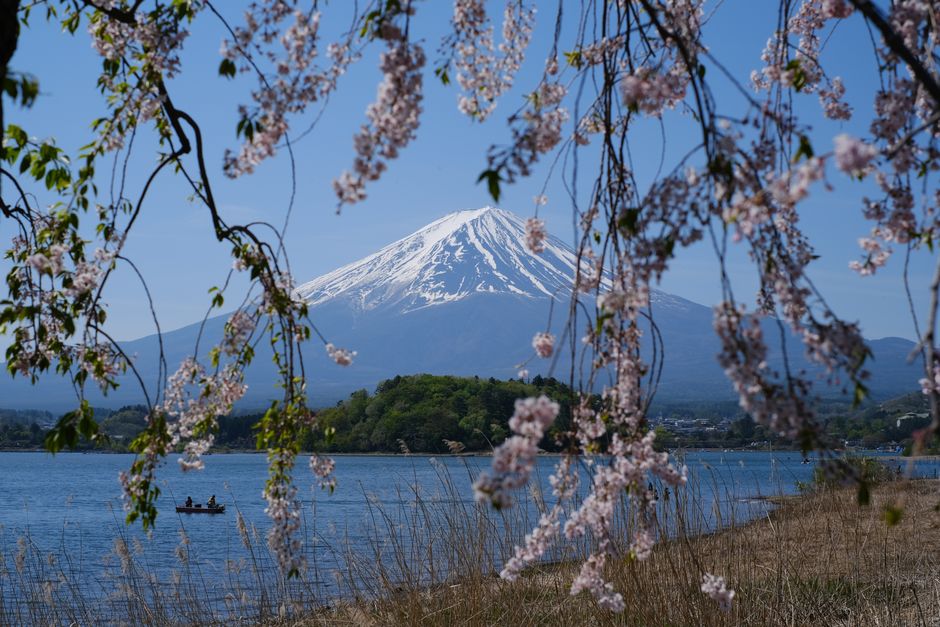
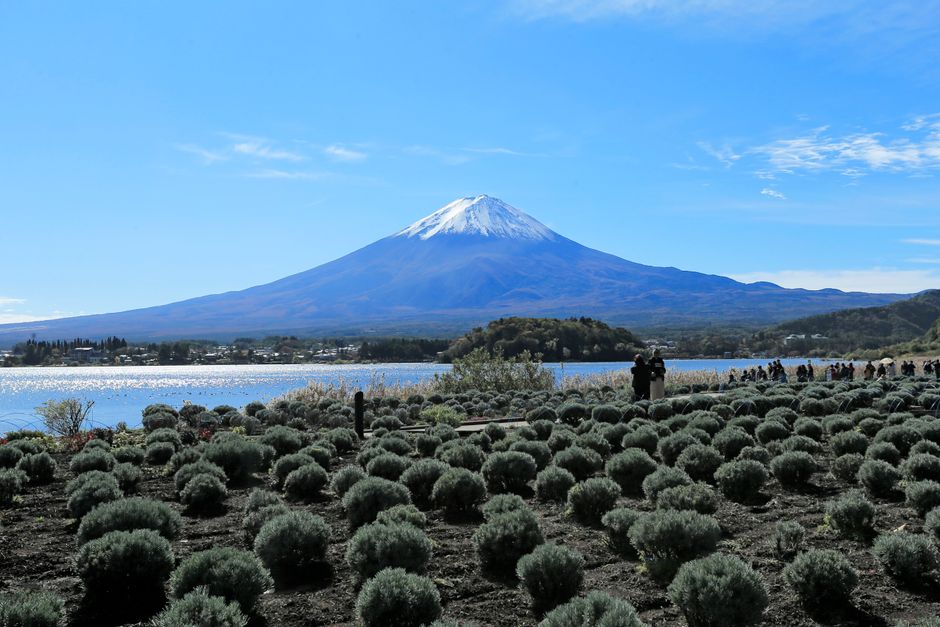
A first visit can begin around Lake Kawaguchi. The lakeshore offers several perspectives of Mount Fuji, particularly when the mountain is reflected in the water. The light changes quickly: a clear view at first may disappear later, or reappear after the clouds pass.
The lake tour can be done by car, bicycle or sightseeing loop bus. Cycling suits travellers who want to take their time, while the bus makes it easier to reach the various sites without organising every journey. Check the timetable and traffic conditions before setting off.
- Admire Fuji from the lakeshore and look for its inverted reflection when the water is calm.
- Visit the Kawaguchiko Music Forest Museum for its European organs and mechanical instruments.
- Discover the Kawaguchiko Art Museum and the world of Itchiku Kubota’s kimonos.
- Take the cable car up to the Kachi Kachi Yama observation point.
- Allow some time for an onsen after sightseeing or a hike.
Tip: set up a Japan eSIM before departure so your data works on arrival.
The best views of Mount Fuji
Lake Kawaguchi
The lakeside is the simplest option for getting a complete view of Fuji. There is no climb involved, and several activities are concentrated in this area. Arrive early if you are looking for a peaceful atmosphere and softer light. To understand the differences between the observation sites, see the guide to Mount Fuji and its best viewpoints.
Chureito Pagoda
Chureito Pagoda, in Arakurayama Sengen Park, combines the pagoda, trees and Mount Fuji in a single composition. Getting there requires climbing 398 steps from Fujiyoshida Station. The site is very popular in spring and autumn, so allow plenty of time and wear suitable shoes, especially if you are visiting several places on the same day.
High-altitude viewpoints
The Kachi Kachi Yama cable car takes you to an observation deck at 1,075 m. It offers a different perspective on the lake and Fuji. However, conditions can change quickly at altitude. If the mountain is hidden, enjoy the facility and the view over the lake rather than postponing your entire visit for the sake of a single photograph.
Which season should you choose for Kawaguchiko?
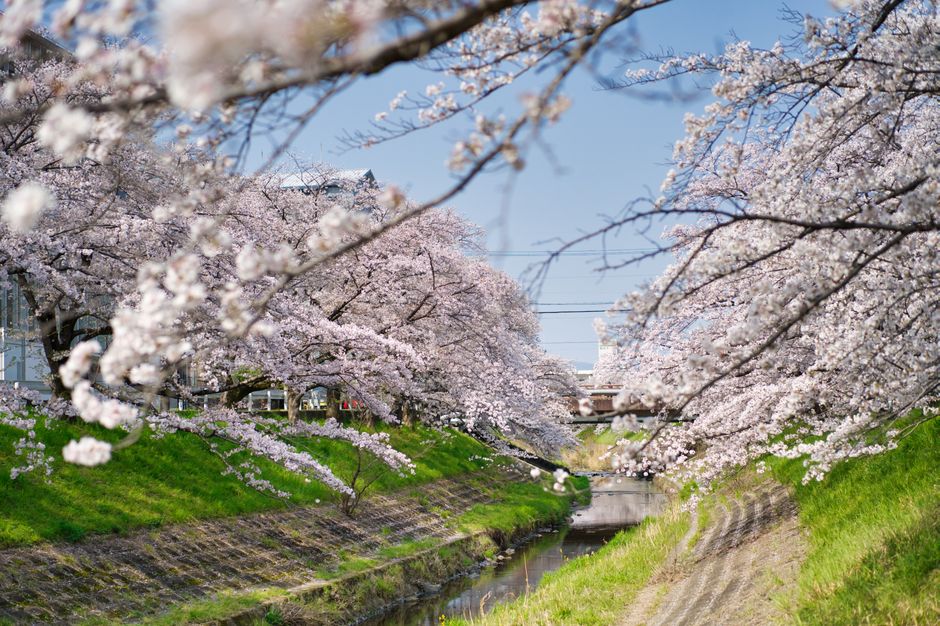
Fuji is not visible every day, even when the sky looks bright. The mountain is generally clearer in winter and autumn, while the flowering and colourful foliage seasons add a sought-after backdrop around the lake. In summer, the sky may be blue, but visibility of the summit remains variable.
| Period | What you can look out for | Point to note |
|---|
| Spring | Sakura around the pagoda and lake | Large crowds at well-known sites |
| Summer | Bright skies and outdoor activities | Fuji may be hidden by clouds |
| Autumn | Momiji and colourful contrasts | The dates of the colour change vary depending on the weather |
| Winter | Snow-capped summit and often clearer air | Low temperatures and shorter days |
Check the forecast just before you leave, without removing cultural activities from your itinerary. Fuji may emerge from the clouds for a few minutes, so keep your camera accessible and avoid concentrating all your visits within a single time slot.
How to organise a day in Kawaguchiko
For a day trip from Tokyo
An early start gives you more options once you arrive. Begin at the lake or the pagoda, depending on the transport timetable, then group the museums and activities located in the same area. Leave the end of the day for an onsen or a more leisurely stroll. The direct journey from Shinjuku takes around 1 h 45 by bus, depending on the service used and traffic conditions.
- Travel to Kawaguchiko from Tokyo by direct bus or train.
- Check Fuji’s visibility before choosing your first viewpoint.
- Use the sightseeing bus, bicycle or car to get between the sites.
- Set aside time for the lake, a museum and a hot-spring bath.
- Allow some extra time before returning to Tokyo.
For one night or longer
Staying overnight reduces the pressure of timetables and allows you to see the lake early in the morning or at the end of the day. Accommodation with an onsen is particularly suitable after a day of walking. Compare the distance to the station, the view actually offered and the conditions for accessing the baths before booking.
Getting around the lake
Kawaguchiko Station is a convenient starting point, but the attractions are spread around the lake and surrounding area. The sightseeing bus is useful for a first visit. Cycling offers more freedom, but the terrain, weather and distance need to be taken into account. A car can make it easier to reach more distant places, including Oshino Hakkai, Saiko Iyashi-no-Sato Nenba village and Narusawa Ice Cave.
Timetables and fares may change depending on the season. Check the operators’ official information before setting off and verify the latest return services, especially if you are planning a hot-spring bath or a visit further afield.
Which excursions should you add around Kawaguchiko?
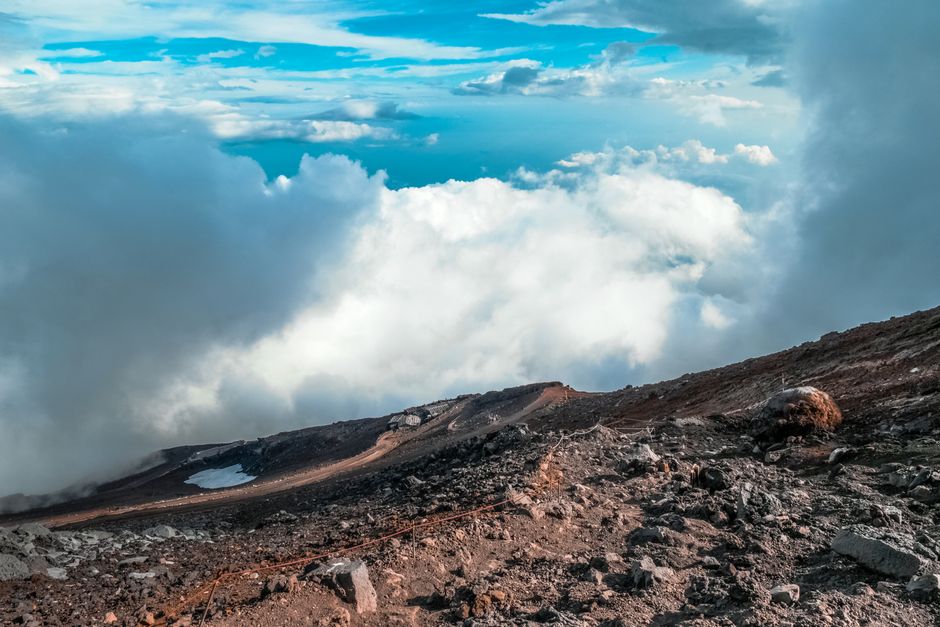
If you have time, the region offers a range of experiences: traditional villages, spring-fed ponds, a lava cave, an amusement park and water-based activities. Climbing Mount Fuji is only suitable for well-prepared travellers and depends on the official season, mountain conditions and the rules in force. Consult the guide to climbing Mount Fuji before making any decision.
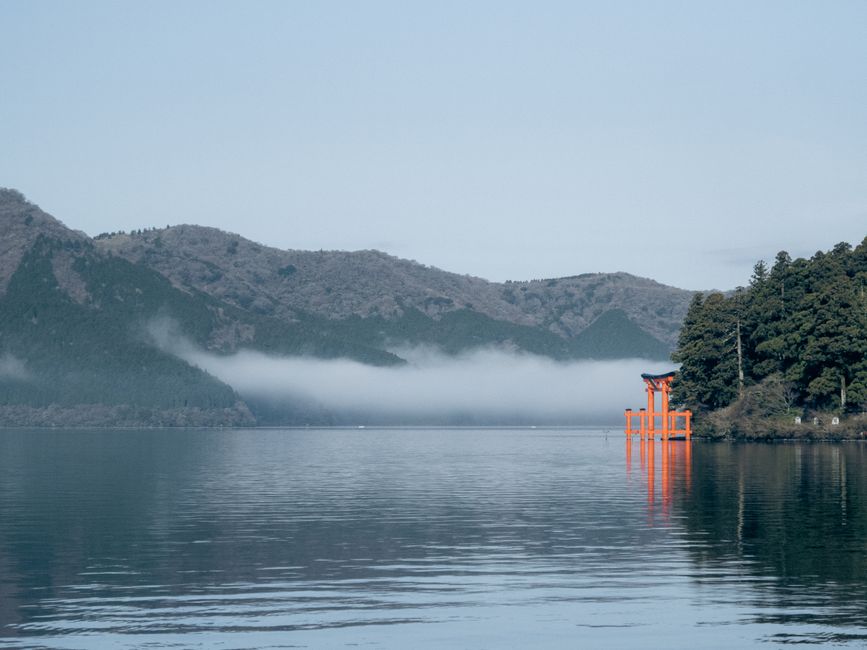
To extend an itinerary focused on the volcano, you can also compare Kawaguchiko with Hakone, a hot-spring resort facing Mount Fuji, or with Shizuoka and its views of Fuji. These destinations offer different atmospheres and viewpoints.
Practical advice before you leave
- Pack adaptable clothing: temperatures vary between Tokyo, the lakeside and higher elevations.
- Wear comfortable shoes for the pagoda, walks and sloping paths.
- Do not build your entire trip around a single photo of Fuji.
- Book accommodation with an onsen or a view early when travelling during a popular period.
- Respect private spaces, temple instructions and the natural areas around the lake.
- Check the timetables for transport, museums, the cable car and baths before setting off.
Frequently asked questions
How do you get to Kawaguchiko from Tokyo?
From Tokyo, you can reach Kawaguchiko by direct bus from Shinjuku or combine the train with the Fujikyuko Line via Ōtsuki. The bus is straightforward for a day trip, while the train may be more suitable if you prefer to minimise the uncertainty caused by traffic. Check the latest booking requirements and timetables.
How long do you need to visit Kawaguchiko?
One day is enough to see the lake, a viewpoint and a cultural activity, but the schedule remains tight with the travel between sites. Staying overnight gives you more flexibility and increases your chances of seeing Fuji when the sky clears. Allow more time if you add the surrounding area.
Where can you see Mount Fuji in Kawaguchiko?
The lakeshore offers the most accessible views, while Chureito Pagoda provides an iconic composition after climbing the steps. The Kachi Kachi Yama cable car also offers a panoramic view from above. The best option depends on the weather, your mobility and the time available.
Can you see Mount Fuji in Kawaguchiko all year round?
Yes, Kawaguchiko can be visited all year round, but Fuji may remain hidden by clouds or mist. Winter and autumn are often sought after for the clarity of the air, while spring attracts visitors for the flowers and summer for its activities. Check the forecast and keep an alternative itinerary in mind.
Kawaguchiko or Hakone: which destination should you choose?
Kawaguchiko is particularly suitable if you are looking for a lake, front-on views of Fuji and a mountain-focused atmosphere. Hakone offers more in the way of hot springs, museums and volcanic landscapes. The choice depends on your itinerary, the time available and the type of panorama you would like to prioritise.