
Kamakura’s Great Buddha (Daibutsu)
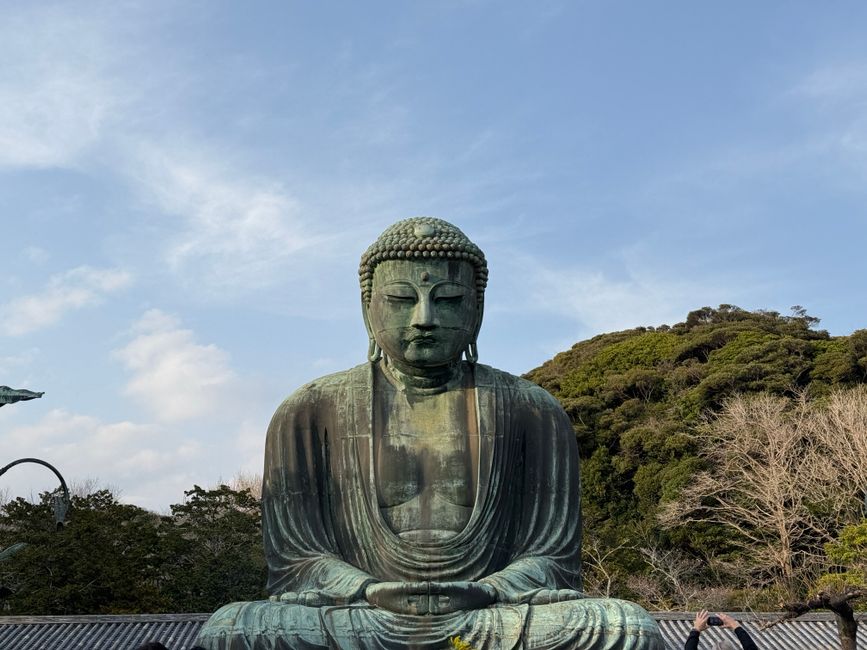
The Kamakura Daibutsu (Kamakura Daibutsu, 高徳院) is one of Japan’s three largest bronze statues (alongside Nara and Tōdai-ji). Standing 13.35 metres tall and weighing 93 tonnes, it represents Amitābha Buddha (Amida Nyorai).
Casting began in 1252 and was completed in 1295. Originally housed in a hall, it has stood outdoors since 1495 following a tsunami and the destruction of the building.
Visitors can enter the statue for 50 yen, reach the head via a narrow staircase and observe the X-shaped welds on the outside, the result of a unique medieval technique.
The Great Buddha is a national treasure of Japan. See Nara for the Tōdai-ji Daibutsu.
Tsurugaoka Hachimangū Shrine
Tsurugaoka Hachimangū (鶴岡八幡宮) is Kamakura’s principal Shinto shrine, founded in 1063 and moved to its current location in 1180 by Minamoto no Yoritomo, the first shogun of Kamakura.
It is dedicated to Hachiman, the deity of war and protector of the Japanese people. The shrine is connected to the sea by Wakamiya Ōji avenue, which runs through the city for 2 km.
Highlights:
- Genpei Pond — Three islands connected by three bridges symbolising the past, present and future.
- Victory Pavilion — Donations from Minamoto no Yoritomo.
- Tachibana orange tree (tachibana) — A century-old orange tree with four trunks.
- Gagaku music at 10:30am, 2pm and 3:30pm.
Yabusame (horseback archery) takes place in mid-April and mid-September. See our festival guides.
Kamakura’s five great temples
Kamakura has five major temples (Kamakura Go-ji):
- Tsurugaoka Hachimangū — Shinto shrine described above.
- Kenchō-ji — Rinzai Zen temple founded in 1253, Japan’s first Zen temple. The Zen garden (Reisen-tei) is one of the oldest.
- Engaku-ji — Zen temple (1282), famous for its Shariden (reliquary), designated a national treasure.
- Jufuku-ji — Zen temple (1200), where Minamoto no Yoritomo is buried.
- Jōchi-ji — Zen temple designated a national treasure.
Other major temples:
- Hase-dera — Temple dating from 736 with views over Sagami Bay, famous for its 30,000 Kannon statues.
- Hōkoku-ji — Bamboo temple with 2,000 shoots in a valley.
- Zeniarai Benten — Shrine where pilgrims wash their banknotes to multiply them (tradition).
The Kamakura temple pass (Kamakura Free Pass) costs 700 yen and covers admission to 8 temples.
To get online as soon as you land, a Japan eSIM can be installed before you leave, with no need to look for a local SIM card.
The bamboo forest and the seaside
Kamakura combines nature, temples and the seaside:
- Hōkoku-ji Bamboo Forest — 2,000 bamboo plants across 100 m², with a mystical atmosphere (admission 300 yen + tea 500 yen).
- Daibutsu Hiking Course — 4 km trail linking the Great Buddha to Zeniarai Benten, passing through forest and rice fields.
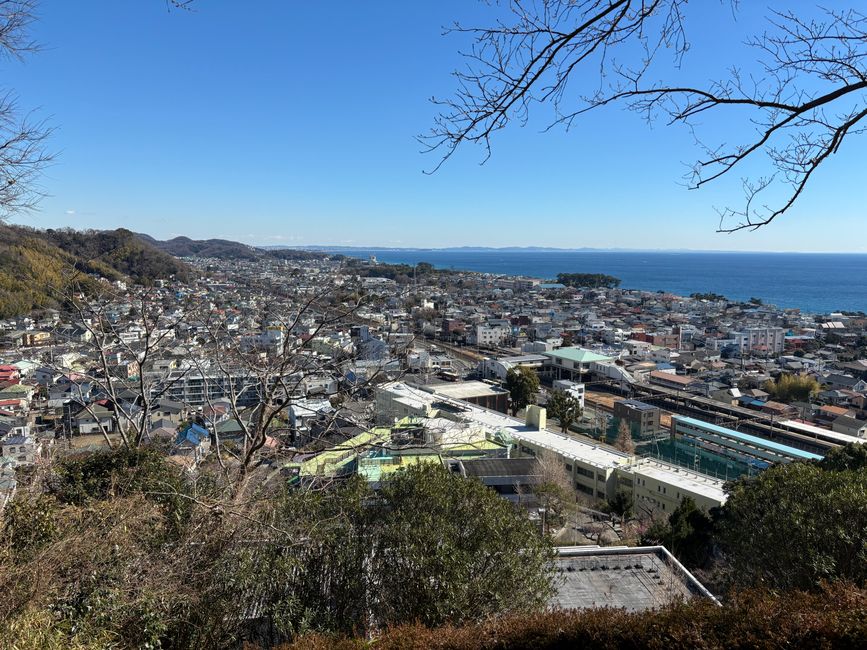
- Kamakura-Kokomae — Beach made famous by the manga Slam Dunk, with views of the Pacific Ocean.
- Enoshima — Island connected by a bridge, 20 minutes from Kamakura, with Enoshima Jinja shrine and tsunami observation.
- Inamuragasaki — Cliff and beach west of Kamakura.
See our seasonal guide: the beach and sea are enjoyable from June to September, while the momiji burst into colour in November.
Getting to Kamakura from Tokyo
Kamakura is an easy day trip from Tokyo:
- From Tokyo Station — JR Yokosuka Line in 56 minutes.
- From Shinjuku — JR Shonan-Shinjuku Line in 55 minutes.
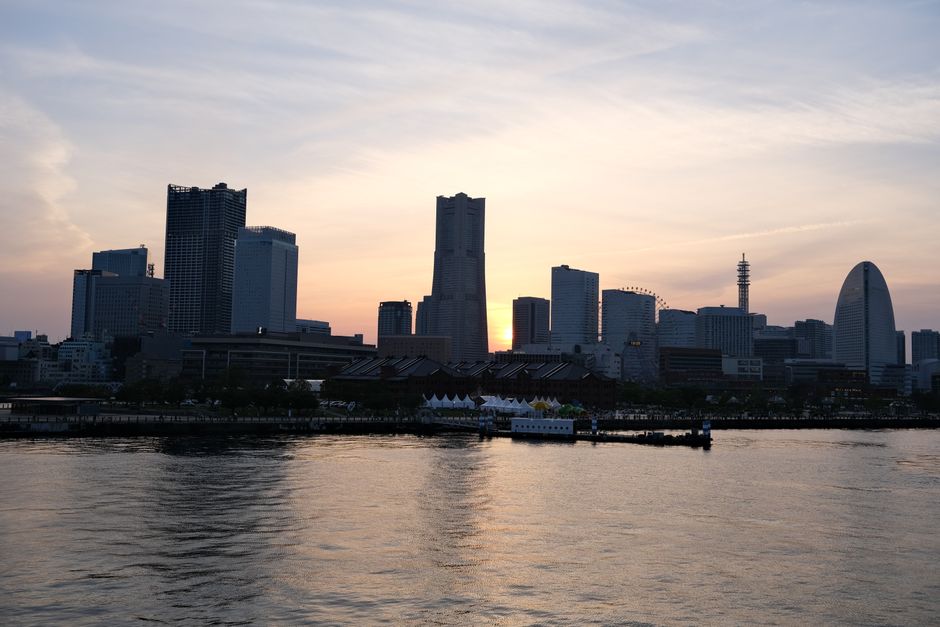
- From Yokohama — JR Yokosuka Line in 25 minutes.
- From Shinagawa — JR Yokosuka Line in 45 minutes.
The Kamakura Free Pass (1,700 yen) includes a return train journey from Tokyo and unlimited travel on JR Enoden trains (the scenic line to Enoshima).
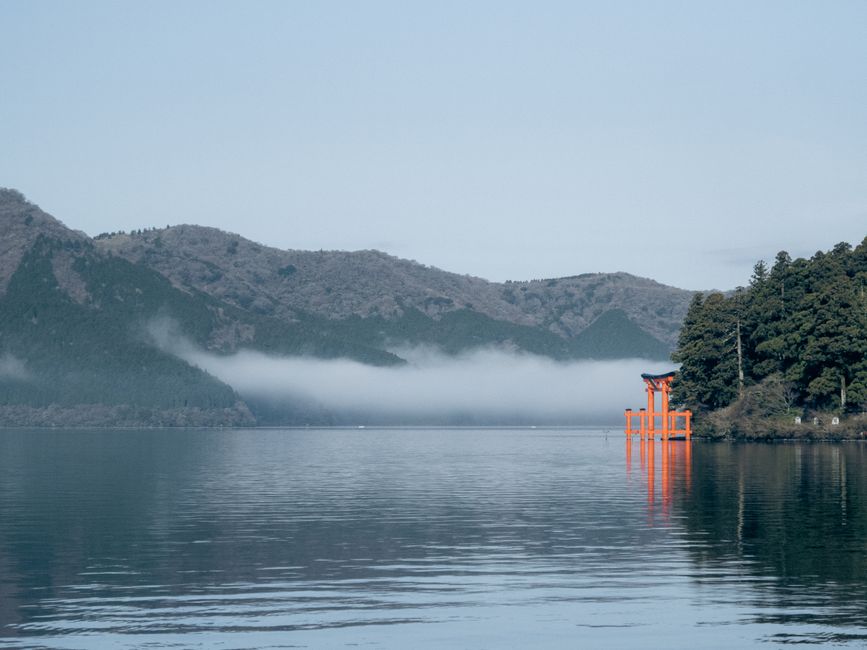
Classic combinations: Tokyo (3 days) + Kamakura (1 day) + Hakone (2 days) + Yokohama (1 day).
Also worth discovering
Continue exploring Japan with our complementary guides.