Choosing where to stay in Kamakura
Your choice of accommodation depends on your priorities: proximity to the temples, access to the beach or ease of transport. Kamakura is a compact city, but each area has a different atmosphere.
Kamakura Station area
The town centre around JR Kamakura Station is home to most of the hotels. You can quickly reach Tsurugaoka Hachimangu Shrine and Komachi-dori shopping street. Restaurants, cafés and shops are all close at hand. This area is ideal for travellers who want to explore the various temples and shrines without making lots of journeys on local trains.
Yuigahama and the seafront
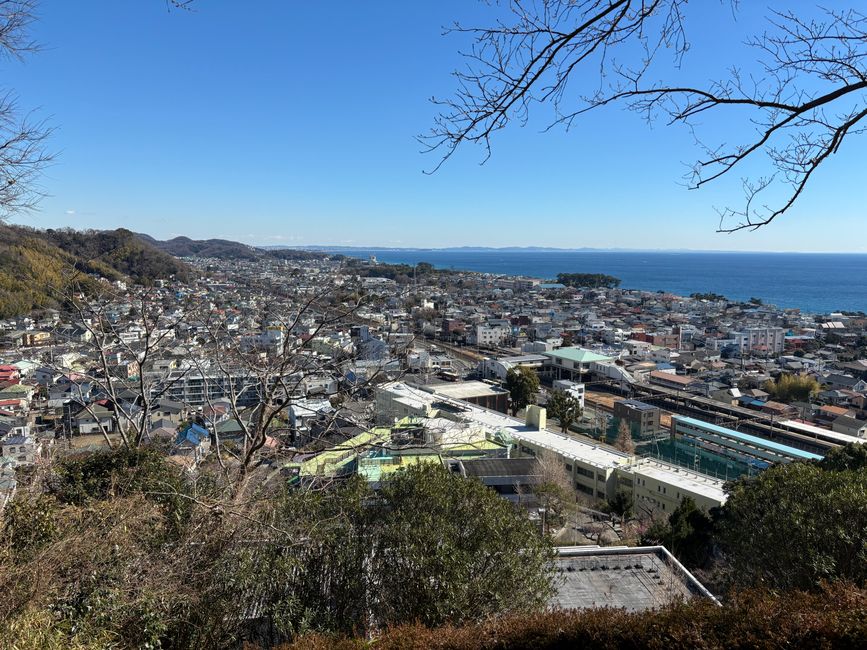
Yuigahama Beach attracts those looking for a seaside atmosphere. A few establishments overlook Sagami Bay directly. Watching the sunset from the beach remains one of the highlights of the day. This area is quieter than the centre, with terrace restaurants and a relaxed atmosphere. Allow ten minutes on foot to reach the main historical sites.
Hase and the Great Buddha
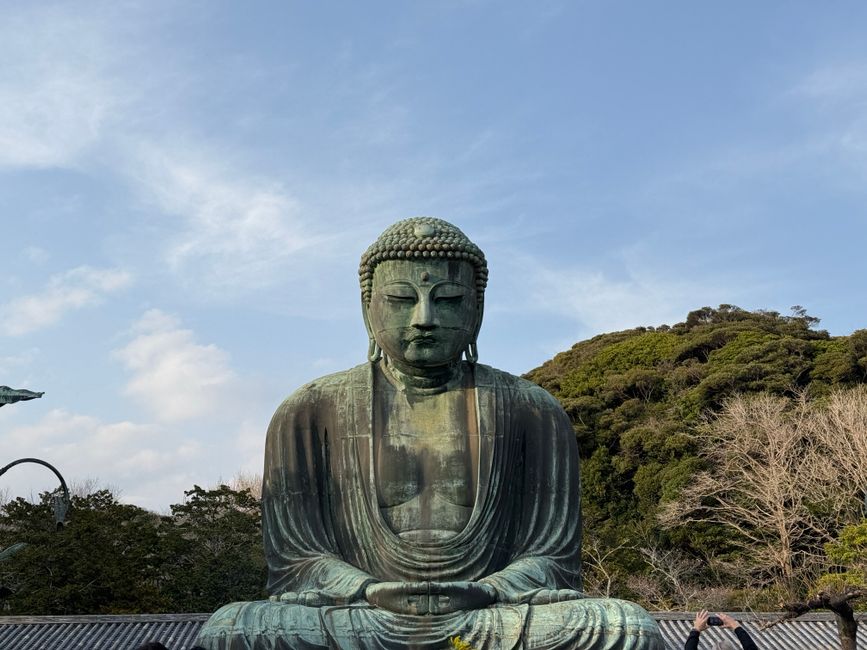
The Hase district is home to the famous Daibutsu and Hase-dera Temple. A few guesthouses and ryokans are tucked away in the residential streets. The atmosphere is peaceful, with fewer tourists around in the evening. The Enoden line connects Hase to the rest of Kamakura in just a few minutes. This area suits travellers who prioritise peace and quiet and being within immediate reach of the iconic sights.
| District | Advantages | Type of accommodation |
|---|
| Kamakura Station | Transport links, restaurants, shops | Chain hotels, business hotels |
| Yuigahama | Sea views, beach, sunsets | Resorts, boutique hotels |
| Hase | Peace and quiet, close to the Great Buddha | Ryokans, family-run guesthouses |
Types of accommodation available in Kamakura
Kamakura offers fewer options than Tokyo or Kyoto, but caters to all budgets and travel styles. Each type of accommodation provides a different experience.
Upscale hotels and resorts
Upscale establishments are concentrated along the seafront. They offer spacious rooms, sometimes with private balconies overlooking the bay. Some have swimming pools, spas or panoramic restaurants. These hotels suit travellers wishing to combine cultural sightseeing with seaside relaxation. Prices rise considerably at weekends and during the cherry blossom season.
Mid-range hotels
Mid-range hotels are located near the station or on the surrounding streets. Rooms are functional, with private bathrooms and Wi-Fi. Breakfast is sometimes included, often in Japanese or buffet style. These establishments offer good value for travellers who spend the day exploring the city. For other destinations, see the hotels in Kanazawa or hotels in Takayama.
Ryokans and traditional guesthouses
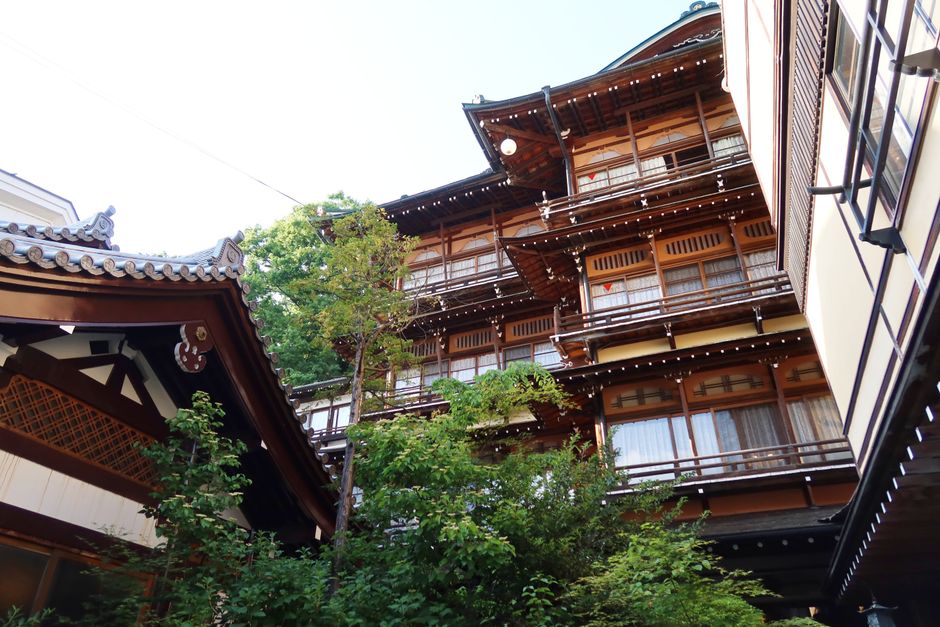
Kamakura’s ryokans are small, often family-run establishments. You sleep on a futon in a tatami room. Dinner and breakfast are generally served in the communal room or in your room. The welcome is personal, and the owners are happy to share their local recommendations. This type of accommodation suits travellers looking for a cultural immersion and willing to accept simpler facilities.
Hostels and guesthouses
A few hostels offer dormitories or private rooms at reduced rates. Communal areas encourage interaction between travellers. Shared kitchens allow you to prepare your own meals. These establishments attract backpackers and budget travellers. Booking in advance is recommended, as the number of beds is limited.
When to book your accommodation in Kamakura
Prices and availability vary considerably depending on the time of year. Kamakura experiences peak visitor numbers during seasonal events and long weekends.
Peak season and periods to avoid
The cherry blossom season at Tsurugaoka Hachimangu Shrine attracts considerable crowds. Hotels become fully booked several weeks in advance. Prices sometimes double compared with the low season. The weekends in May and Japanese public holidays (Golden Week) see the same level of visitor numbers. Summer attracts swimmers to Yuigahama Beach, with prices rising in July and August.
Low season and the best times to visit
Winter, from December to February, offers attractive rates and fewer visitors. Zen temples can be visited in peace, and the restaurants on Komachi-dori are less crowded. Weeks in the middle of the month, outside Japanese school holidays, offer good availability and moderate prices. Booking two to three weeks in advance is sufficient in the low season.
Booking for a weekend
Tokyo residents flock to Kamakura on Saturdays and Sundays. Hotels charge weekend rates that are 20 to 40% higher than weekday rates. Choose a stay from Sunday evening to Friday to benefit from better prices and a more peaceful atmosphere. If you would like to explore other nearby destinations, discover the hotels in Tokyo Shinjuku or hotels in Nara.
Getting to and travelling from your hotel
Kamakura is easy to get around on foot or by local train. Most hotels are less than a ten-minute walk from a station.
From Tokyo and the airports
The JR Yokosuka Line connects Tokyo with Kamakura in about an hour. The JR Pass covers this journey. From Narita Airport, allow two hours, with a change in Tokyo. From Haneda, the journey takes around one and a half hours via Yokohama. There are no direct buses, so take the train to reach your hotel.
Local transport in Kamakura
The Enoden line, a small and picturesque railway, connects Kamakura with Enoshima along the coast. The stops serve the main sights: Hase for the Great Buddha and Yuigahama for the beach. A day pass is available for unlimited travel. Municipal buses supplement the network, but services are less frequent. Walking remains the most enjoyable way to discover the narrow streets and hidden temples.
Services and facilities in Kamakura hotels
Facilities vary depending on the type of accommodation. Check what is provided before booking to avoid surprises.
Breakfast and dining
Upscale hotels offer Japanese and Western buffets. Ryokans serve a traditional breakfast with rice, miso soup, grilled fish and pickled vegetables. Budget establishments generally do not include breakfast, but Komachi-dori is full of bakeries and cafés. Some hotels have an on-site restaurant, which is convenient after a day of sightseeing.
Wi-Fi and facilities
Wi-Fi is standard in most accommodation. Rooms have air conditioning, a television and an electric kettle. Ryokans provide yukata (light kimono) and toiletries. Western-style hotels often offer a self-service laundry, which is useful for longer stays. Check whether there is a lift if you are travelling with bulky luggage, as some older establishments do not have one.
Compare prices and book online
Booking platforms display different rates depending on the date and cancellation conditions. Compare several websites to find the best deal.
Read recent reviews to assess cleanliness, service and whether the accommodation matches the photos. Comments often mention the actual distance between the hotel and the station, as well as noise levels. Check the cancellation policies: some non-refundable offers have attractive prices but do not allow any changes. International credit cards are accepted by most establishments, but some traditional ryokans require payment in cash on site.
To extend your trip, explore the hotels in Kyoto Gion or the hotels near Kyoto Station.
Frequently asked questions
What is the best area to stay in Kamakura?
The area around Kamakura Station offers the best balance: easy access to public transport, proximity to restaurants and shops, and an ideal starting point for visiting the temples. If you prefer the beach and a peaceful atmosphere, Yuigahama is a better choice. The Hase area appeals to those looking for a residential atmosphere near the Great Buddha.
How much does a hotel night in Kamakura cost?
Prices vary depending on the category and season. Expect to pay between 5,000 and 10,000 yen for a hostel or guesthouse, between 12,000 and 22,000 yen for a mid-range hotel, and from 22,000 yen for an upmarket establishment. Prices rise significantly at weekends and during the cherry blossom season.
Do you need to book well in advance for Kamakura?
In the low season and during the week, two to three weeks is sufficient. For a weekend or the sakura season, book at least two to three months in advance. Small establishments quickly become fully booked during seasonal events and Japanese public holidays.
Can you visit Kamakura in one day from Tokyo?
Yes, Kamakura can be visited as a day trip from Tokyo, with a journey of around one hour. However, staying overnight allows you to enjoy the evening atmosphere, explore the temples peacefully early in the morning, and combine your visit with Enoshima without time constraints.
Do Kamakura hotels accept credit cards?
Most hotels and ryokans accept international credit cards. Some small traditional establishments require payment in cash on site. Check the payment arrangements when booking and carry some yen in cash as a precaution.
Are there traditional ryokans in Kamakura?
Kamakura has a few small, often family-run ryokans. They offer rooms with tatami, futons and traditional meals. The service is personal, and the atmosphere is more intimate than in hotels. Book in advance, as the number of rooms is limited and demand is high.