Why stay in the Shinjuku district
Shinjuku combines several strategic advantages for a stay in Tokyo:
- Excellent transport links - Shinjuku Station, the busiest in the world (3.5 million passengers/day), with the Shinkansen, JR Yamanote, Toei subway and Keio lines.
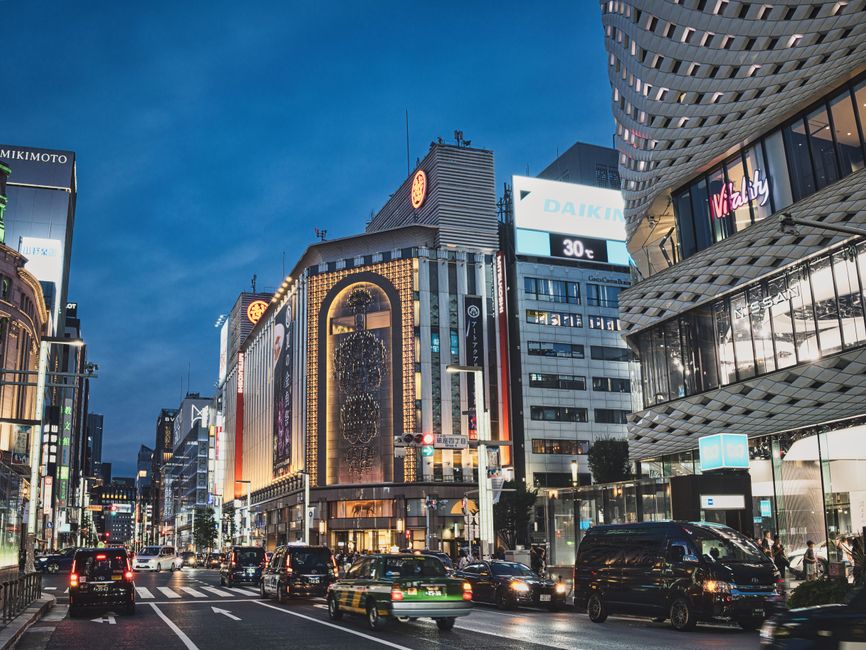
- Nightlife - Kabukicho, Golden Gai (alleys with 200 izakaya bars), Omoide Yokocho (yakitori).
- Nature - Shinjuku Gyoen (58 hectares, 1,000 cherry trees), a 10-minute walk away.
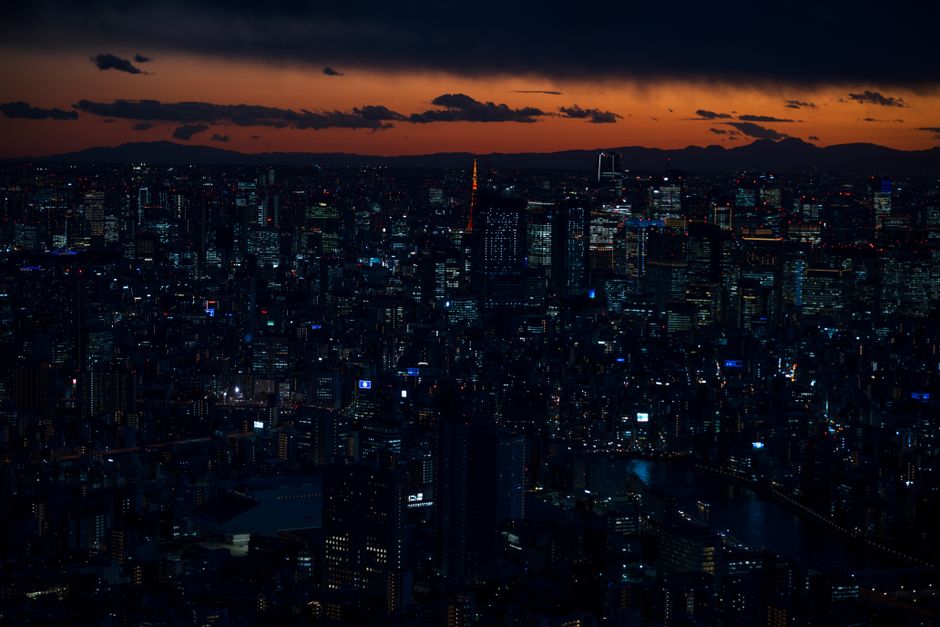
- Skyline - Tokyo Metropolitan Government Building (free admission, 202 m-high view), Park Hyatt Tokyo (Lost in Translation).
- Shopping - Isetan Shinjuku, Takashimaya Times Square, Don Quijote.
For an overview, see Tokyo and the other options, including hotels in Shibuya and hotels in Ginza.
The best luxury hotels in Shinjuku
Some of Tokyo’s most prestigious luxury hotels:
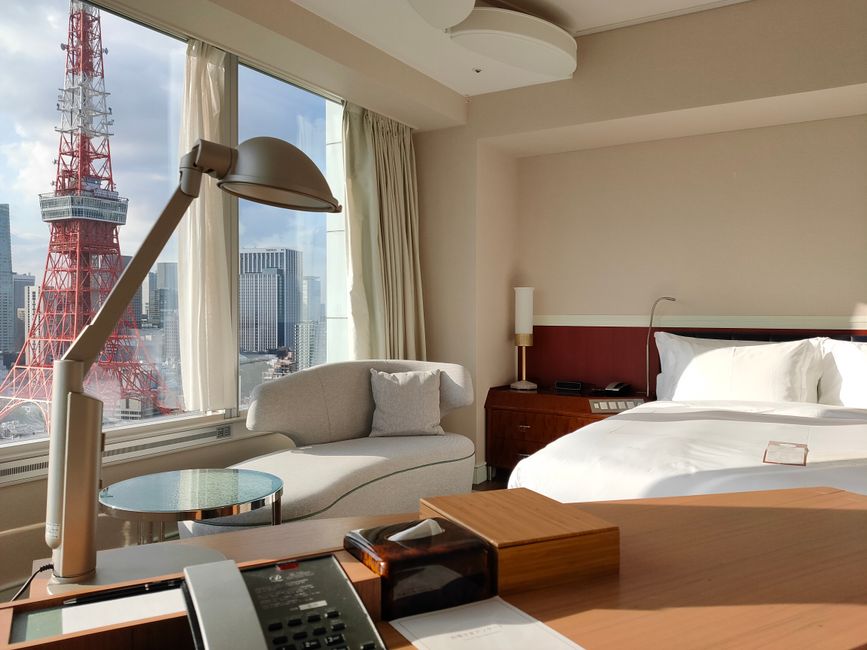
- Park Hyatt Tokyo (Shinjuku 3-chome) - A 177-room luxury hotel in the skyscraper featured in Lost in Translation. Indoor pool, 52nd-floor club. From 75,000 yen (approx. 470 EUR).
- Hilton Tokyo (Nishi-Shinjuku 6) - 830 rooms, skyline views, free shuttle from Shinjuku Station. From 35,000 yen.
- Hyatt Regency Tokyo (Nishi-Shinjuku 2) - 744 rooms, observatory on the 31st floor. From 30,000 yen.
- Keio Plaza Hotel Tokyo - Grand hotel in Nishi-Shinjuku, close to Tokyo City Hall. See rooms and rates for your dates on Klook (affiliate link).
Always check the total price and cancellation conditions for your dates. For the Keio Plaza, check the Klook listing; availability may vary between platforms.
Boutique and design hotels
Shinjuku also has boutique hotels with carefully designed interiors:
- Trunk Hotel Shinjuku (5-31-3 Nishi-Shinjuku) - Lifestyle boutique hotel opened in 2017, with four room categories and a rooftop bar. From 28,000 yen.
- Hotel Ryumeikan Tokyo (Yaesu 2) - 130-room boutique hotel in a restored geisha house. From 22,000 yen.
- Muji Hotel Ginza (10 minutes by metro) - The first hotel from the minimalist Japanese brand. 79 rooms. From 18,000 yen.
Hotels by budget
Shinjuku offers every price range:
- budget (5,000-10,000 yen / 30-60 EUR) - Khaosan Tokyo Origami, Imano Tokyo Hostel, Unplan Shinjuku.
- mid-range (12,000-20,000 yen / 75-125 EUR) - Citadines Central Shinjuku Tokyo, Hotel Gracery Shinjuku (Godzilla façade!), APA Hotel Shinjuku.
- upmarket (25,000-40,000 yen / 160-250 EUR) - Hilton Tokyo, Hyatt Regency, JR East Hotel Mets Shinjuku.
- luxury (50,000+ yen / 315+ EUR) - Park Hyatt Tokyo, Aman Tokyo, Hoshinoya Tokyo.
Compare actual prices on Booking.com Shinjuku.
How to get to Shinjuku
Shinjuku is accessible from all parts of Tokyo:
- From Narita - Narita Express (N’EX, 80 min, 3,070 yen) or Airport Limousine Bus (2 hours, 4,200 yen).
- From Haneda - Keikyu Line (50 min, 650 yen) or Limousine Bus (45 min).
- From Tokyo Station - JR Chuo Line Rapid (15 min).
- From Shibuya - JR Yamanote Line (7 min).
- From Kyoto - Shinkansen Nozomi to Tokyo Station (2 hours 15 min), then JR Chuo Line (15 min) - use a Japan Rail Pass.
For flights to Tokyo: Skyscanner Tokyo.
Nearby restaurants and amenities
Shinjuku offers a vibrant nightlife and dining scene:
- Omoide Yokocho - Traditional yakitori alley.
- Don Quijote Kabukicho - Tokyo’s largest discount store, open 24/7.
- Isetan Shinjuku - Luxury department store (7th-floor rooftop food court).
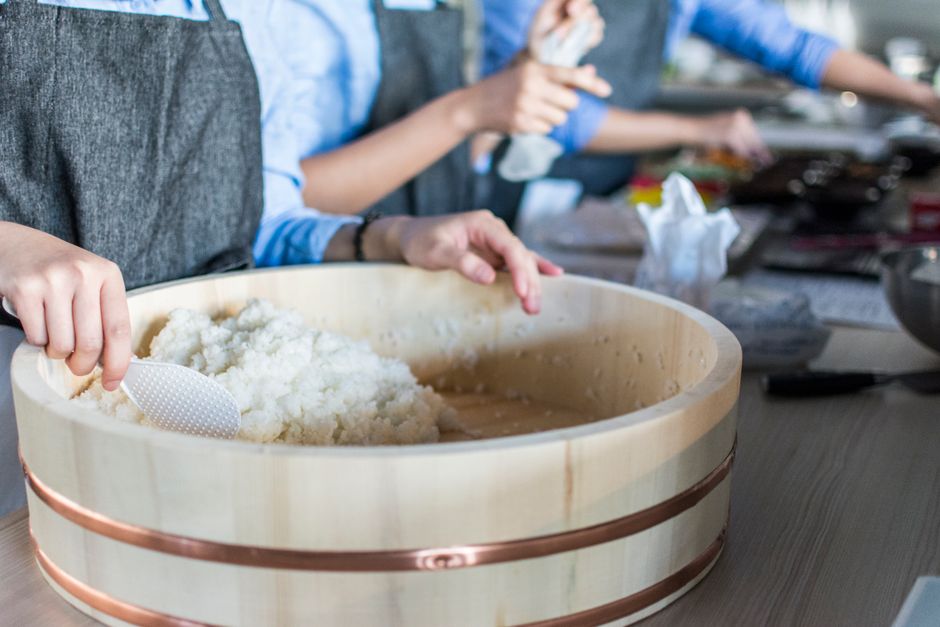
Book a Japanese cooking class in the Tsukiji / Shinjuku district.
Book at the best price in Shinjuku
A few tips for saving on accommodation in Shinjuku:
- Book in advance - Shinjuku hotels sell out 3-6 months in advance for the cherry blossom season.
- Compare - Use Booking, Agoda and Rakuten Travel.
- Flexible cancellation - In Tokyo, cancellation up to 48 hours before is standard; take advantage of this to compare.
Compare actual prices on Booking.com Shinjuku.
Where to stay in Shinjuku: lively east side or quieter west side
The most useful way to divide Shinjuku when booking a hotel is still between the east and west sides of the station. This is not an administrative boundary, but a practical one. In the east, you have the most direct access to Kabukicho, Golden Gai, shopping centres and highly visible nightlife. In the west, the atmosphere changes quickly: office buildings, somewhat wider streets, a more business-oriented crowd, and hotels often designed for business stays or travellers who want to sleep peacefully. The contrast is clear, and it affects the quality of your sleep as much as the price.
The east side is better suited to those who want to go out in the evening, return late and stay close to the action. It is also the most convenient area for a first stay if the aim is to limit late-night walks after dinner or a trip to the bars. The obvious trade-off, however, is more foot traffic, more noise and sometimes less peaceful streets, depending on the exact address. Travellers who are sensitive to sleep should look for a well-insulated room and, if possible, a high floor. A well-chosen hotel can offset this setting, but a poor location quickly becomes tiring after two or three nights.
The west side attracts a different type of traveller. Hotels there often have slightly more consistent pricing, are sometimes better suited to business stays, and the surrounding streets are less busy late in the evening. Travellers who return early or want to avoid the hustle and bustle will appreciate this part of Shinjuku. It is also a good option for families, as the surroundings feel easier to navigate and less overcrowded. There are many station exits, but the atmosphere remains generally more relaxed. For some stays, this simple detail makes everyday logistics much easier.
A practical example helps you decide. A couple arriving for three nights who want to explore Tokyo by day and eat out in the evening will usually get more from the east side. A business traveller with early-morning meetings, on the other hand, will often be better off staying in the west, where getting between the hotel, station and offices is more straightforward. It is therefore not a question of what is “better” or “worse”, but what suits your needs.
In practice, you also need to consider the actual walk from the station. In Shinjuku, 500 metres may seem like very little on a map, but the urban density, underground passages, numbered exits and pedestrian flows can sometimes make the journey with suitcases more complicated. The closer the hotel is to a clearly marked exit and an easy-to-follow route, the more smoothly your stay begins. This matters even more after a long flight, when tiredness makes every detour feel more demanding.
The best approach is therefore to choose the area first, then the hotel style. This is the most reliable way to avoid a perfectly decent room in a poor location, or a very well-located address that does not fit the pace of your trip.
Booking according to your profile as a French-speaking traveller in Shinjuku
Your traveller profile should guide your booking more reliably than an overall rating alone. For a first stay in Tokyo, Shinjuku offers an almost ideal base, as the district combines transport links, late-night dining and easy access to Tokyo’s main attractions. For a trip focused on going out, the east side is the most logical choice. For a business trip, early departures or a need for rest, the west offers greater comfort. For a tight budget, capsule hotels and small business hotels remain genuinely worthwhile, provided you are happy with compact rooms.
Couples often choose a mid-range hotel with a slightly more spacious room, sometimes on the 10th floor or above, to avoid noise and enjoy a greater sense of space. Solo travellers, meanwhile, can opt for a simpler solution if they plan to spend the day out. Families should consider not only the price, but also accessibility from the station, how clear the walk is and whether everyone can sleep comfortably. In Shinjuku, the right hotel is often the one that avoids repeated daily compromises.
Another point is worth highlighting: demand fluctuates considerably depending on events and seasons, but the logic of the different areas remains consistent. The east stays lively and central, the west remains more peaceful, business hotels continue to be a safe-value choice, and premium addresses still offer the best views. For a booking in 2026, this understanding of the area is worth far more than a theoretical ranking. By understanding how the district works, you can book more wisely—and sleep better too.
Interactive comparison tool 2026
To get online as soon as you land, a Japan eSIM can be installed before you leave, with no need to look for a local SIM card.
Hotels in Shinjuku, Tokyo: where to stay and how much it costs in 2026
Filter by your budget, need for peace and proximity to Shinjuku Station to find the right type of accommodation.
Practical tip for 2026
In Shinjuku, prices rise quickly at weekends, during Japanese holidays and during major exhibition periods. To get the best location-to-price ratio, book early and monitor rates between two and four months before your stay.
Quick overview
A capsule hotel for the lowest price, a business hotel for simplicity, mid-range design for style, and luxury with a view for a memorable experience above Shinjuku.
Frequently asked questions about hotels in Shinjuku
Which side of Shinjuku is best for staying overnight?
The East Side suits those who want to go out in the evening and stay close to the action (Kabukicho, Golden Gai). The West Side is quieter and better suited to business trips or those who want a good night’s sleep.
How much does a hotel night in Shinjuku cost in 2026?
Prices range from around 4,000 yen for a capsule hotel to more than 80,000 yen for a luxury hotel with a view, with a good quality-price compromise between 15,000 and 30,000 yen for a mid-range design hotel.
Do you need to book well in advance?
Yes, especially during the sakura season and Japanese holidays, when Shinjuku hotels sell out 3 to 6 months in advance. Ideally, book between two and four months before your stay.
What type of hotel is best for a first stay in Tokyo?
Shinjuku is an almost ideal base for a first stay thanks to its transport links, late-night dining and easy access to Tokyo’s main attractions.
How can you easily reach Shinjuku from the airport?
From Narita, allow around 80 minutes on the Narita Express. From Haneda, the Keikyu Line takes around 50 minutes. A Japan Rail Pass may cover part of these journeys.
Also worth discovering
Continue exploring Japan with our complementary guides.