Which area should you choose for your hotel in Shibuya?
Shibuya is more than just its crossing. The atmosphere and comfort change quickly depending on the street you choose. Before comparing properties, identify the station exits, busy roads and walking distance to the places you plan to visit.
Around the station and crossing
This area is convenient if you want to limit travel and easily find your hotel again after a day of sightseeing. It has plenty of restaurants, shopping centres and places to go out. The trade-off is that the streets can stay lively until late, and rooms facing major roads may be less restful.
Udagawachō and Center Gai
This area suits travellers drawn to shops, restaurants and nightlife. You can go out on foot, but the surroundings are urban and lively. Check reviews carefully for comments about noise and access to the property, especially if you are travelling with luggage.
Sakuragaoka and southern Shibuya
By moving slightly away from the crossing, you can look for a more residential atmosphere while remaining close to transport. This area is an interesting option for a stay combining evenings out in Shibuya with trips to other parts of Tokyo.
Daikanyama and Ebisu
These neighbouring areas may suit you if you like cafés, independent shops and an atmosphere less focused on tourist traffic. They are still good options for staying near Shibuya without being surrounded by its bustle at all hours of the day. However, check which station is most convenient for your itinerary.
Which hotel in Shibuya should you choose for your stay?
Star ratings are not enough to choose accommodation in Tokyo. The size of the room, bed configuration and available facilities may have more of an impact on your comfort than the stated standard.
| Your priority | Type of accommodation to look for | Things to check |
|---|
| Being at the heart of the action | Hotel near the station or crossing | Noise, floor, view and access at night |
| Keeping costs under control | Compact hotel, hostel or capsule | Locker, privacy, shared spaces and stay rules |
| Travelling as a couple | Boutique hotel or standard hotel | Bed width, floor space and bathroom |
| Staying for several nights | Hotel with storage or permitted apartment | Laundry, possible kitchen and housekeeping policy |
| Looking for peace and quiet | Hotel on a side street or in a neighbouring area | Insulation, traffic and actual distance to the station |
Budget hotel, capsule or hostel
These options may suit you if you spend little time in your room. A capsule generally offers less personal space than a standard room, while a hostel encourages interaction but involves more shared areas. Read the conditions relating to luggage, check-in times and storage of belongings.
Boutique and upmarket hotels
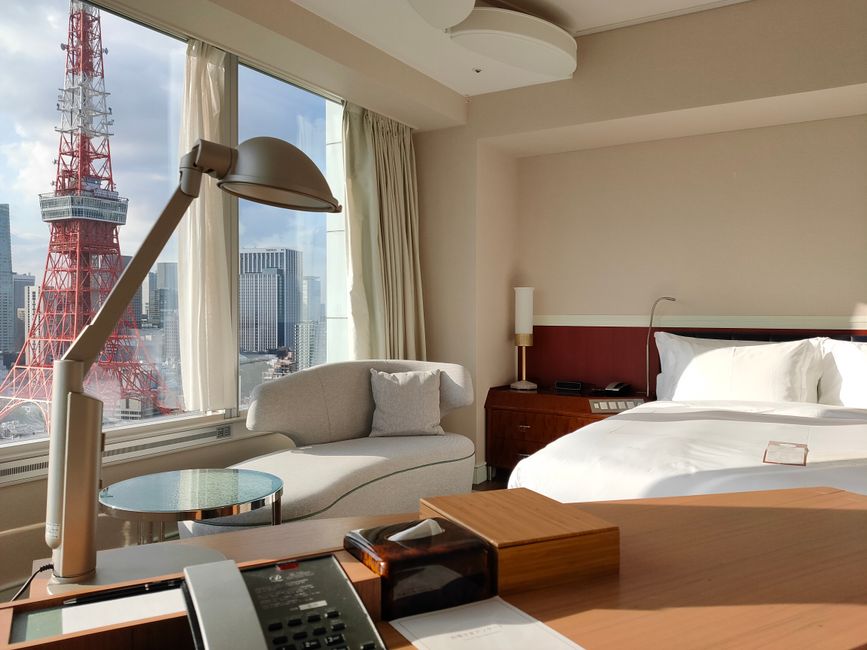
A boutique hotel often focuses on décor, shared spaces and a more personalised experience. An upmarket hotel may offer more services, but its location and room layout still need to be considered. A view over Tokyo does not guarantee freedom from noise.
Things to check before booking
The location shown by a platform may cover a fairly wide area. Open the map and check the walking route from the most suitable station exit. In Tokyo, a few extra streets can make a noticeable difference to comfort, especially with suitcases or after arriving late.
- Access: identify the station, useful lines and number of changes needed for your sightseeing.
- Room: check the floor space, beds, window, bathroom and storage.
- Noise: read reviews mentioning shopping streets, bars, trains or building work.
- Luggage: check luggage storage before arrival and after departure.
- Booking: compare the total price, any applicable taxes, cancellation policy and check-in times.
- Facilities: check the laundry, breakfast, Wi-Fi and vending machines according to your needs.
Shibuya or another area of Tokyo?
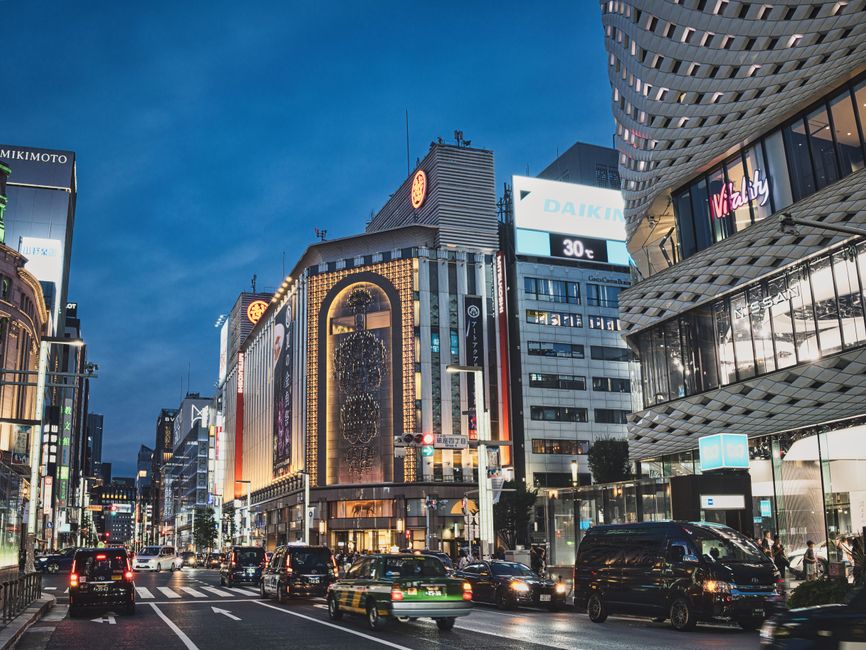
Shibuya is a good base if you want to combine transport, shopping, restaurants and nights out. If you prefer an atmosphere geared more towards department stores and connections, you can also compare hotels in Shinjuku. For a more elegant, shopping-focused stay, see accommodation in Ginza.
The best area is not necessarily the one closest to an attraction. Choose one that suits your evenings and daily journeys. If your itinerary includes Kyoto, also compare hotels near Kyoto Station so you can divide your nights without having to change accommodation too often.
Tips for booking at the right time
Start by deciding on your dates, then compare several platforms with the property’s official website. Availability and conditions can change, particularly during periods of high demand. Do not focus solely on the advertised rate: check the final amount, flexibility and included services.
- Choose the area that suits your travel pace.
- Filter properties by rating, room type and cancellation conditions.
- Compare locations on a map rather than relying only on the area name.
- Read the most recent reviews, looking for mentions of noise and cleanliness.
- Keep the booking confirmation, the address in Japanese and the arrival information.
If you are choosing between two hotels, favour the one with the easiest access from your arrival point and the one that clearly meets your practical needs. To discover another stop in Japan, you can also see hotels in Hakata, Fukuoka.
Frequently asked questions
What is the best place to stay in Shibuya, Tokyo?
The best place depends on your priority. Near the station, you benefit from convenient access to transport and shops. For more peace and quiet, look for a side street towards Sakuragaoka, Daikanyama or Ebisu. Always check the walking route, as the name Shibuya can cover very different areas.
Are hotels in Shibuya noisy?
Some can be, especially around the crossing, Center Gai and the streets with nightlife. The situation varies depending on the floor, the room’s orientation and the soundproofing. Check recent reviews, ask for a room away from the street if possible, and choose a secondary area if you are looking for peace and quiet.
Is it better to stay near Shibuya Station?
Being close to the station makes day trips and getting back to your hotel easier, but it also means a busier atmosphere. It is a good choice for a first stay or a very packed itinerary. If you are staying for several nights, accommodation a little further away may offer a better balance between convenience and peace and quiet.
Which accommodation should you choose for a small budget in Shibuya?
Compact hotels, hostels and capsule hotels are the options to compare first. Check the size of the locker, luggage security, shared spaces, access hours and quiet-hour rules. The lowest rate is only worthwhile if the facilities and location genuinely suit your stay.
Is Shibuya suitable for a family holiday?
Yes, if you choose a hotel with a suitable room and easy access from the station. However, the neighbourhood’s lively atmosphere can be tiring for young children. Look for a quiet street, a private bathroom, enough storage and a practical luggage solution before confirming your booking.