Tip: set up a Japan eSIM before departure so your data works on arrival.
Which sushi class should you choose in Tokyo?
Not all workshops meet the same needs. Some are designed for travellers who want to prepare a few pieces in a friendly atmosphere. Others offer a more in-depth introduction, a small group, a market visit or a meal with a chef. The right choice therefore depends more on the format than on the advertised price alone.
For a first experience
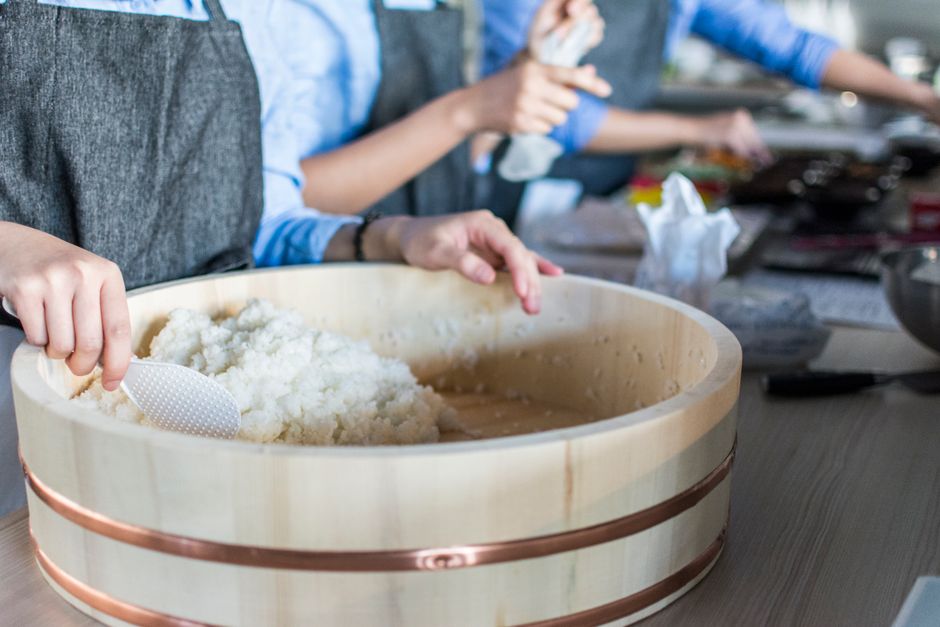
A group class is generally the simplest option. You learn how to prepare shari, cut several types of fish and assemble the pieces, without needing any culinary knowledge. The package may include a yukata, a tasting and explanations of sushi etiquette.
For personalised guidance
A private class gives you more time to ask questions and correct your technique. It may suit a couple, a family or a traveller who wants more direct interaction with the instructor. However, check whether the advertised price is per person or for the whole group.
For a market-related experience
Activities linked to Toyosu add a focus on the produce, stalls or tuna auctions. They sometimes start early and require you to check the meeting point, planned transfer and exactly what is included. The former Tsukiji market remains worthwhile for its shops and atmosphere, but it is no longer the main auction site.
Sushi class prices in Tokyo
The prices shown in existing offers reveal several levels of service. They are expressed in yen: to find the equivalent in euros, use the current exchange rate rather than a fixed conversion. The content, language and group size may explain the differences.
| Format | Price listed | What to expect |
|---|
| Standard class | 3,500 to 12,000 yen | Introduction, preparation and tasting |
| Private class | 15,000 to 35,000 yen | More personalised guidance |
| Chef experience | 35,000 yen | Counter dinner with an omakase menu |
| Professional training | 75,000 yen | Three-day training course to become an itamae |
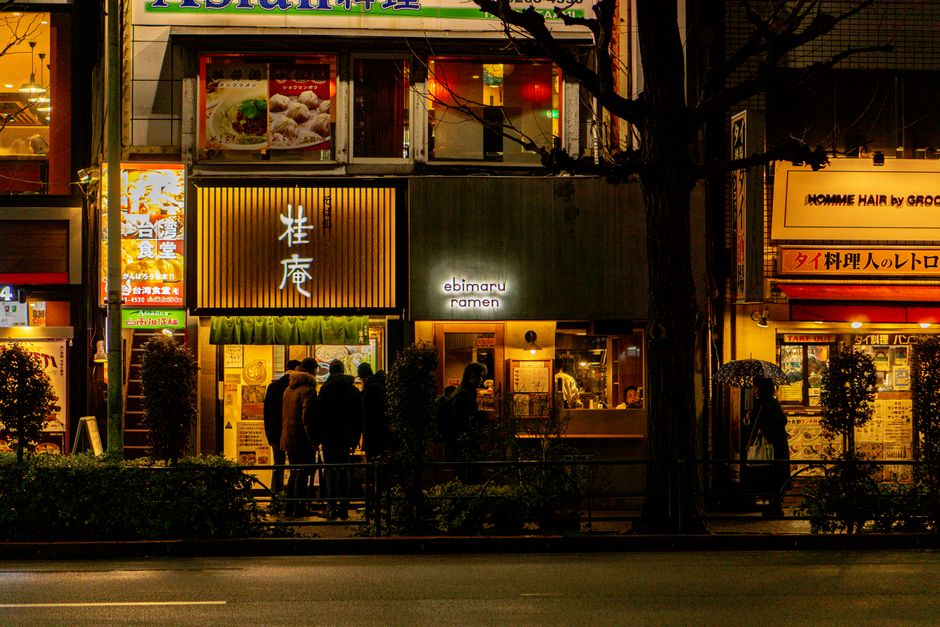
A high price does not automatically mean that the workshop is better suited to a beginner. Compare the number of pieces, duration, whether an interpreter is present, drinks, transport and any souvenirs provided at the end. For another culinary activity, you can also consult the guide to ramen classes in Tokyo.
Language, level and accessibility
Schools catering to visitors often provide explanations in English, but some advertise assistance in French. This information should be checked when booking, as a listing may distinguish between the language spoken by the instructor and the language of the written materials.
- French : choose this option if you want to follow the technical instructions easily.
- English : this broadens your choice of workshops, provided you understand cooking vocabulary.
- Beginner : look for an activity that explains the rice, cutting and the pressure applied to nigiri.
- Child : check the minimum age, whether an adult must be present and the rules concerning knives.
Tell the organisers about any allergies to fish, shellfish, soya or sesame before the session. Also ask whether an alternative is possible and whether the preparation takes place seated, standing or in a shared space. If you have particular requirements, the school is best placed to confirm the conditions they can provide.
What should you check before booking?
- The exact location : Tokyo covers a vast area. Compare the address with your hotel and plan your journey to the meeting point.
- The actual duration : distinguish the cooking time from any tour, transfer or meal at the market.
- The menu contents : check the number of pieces, the fish used, the accompaniments and whether you can take your preparations home.
- The group size : a small-group workshop may provide more hands-on corrections.
- The cancellation conditions : read the deadline, the amount refunded and the procedure before paying.
- The confirmation : keep the address, time, organiser’s contact details and instructions provided after booking.
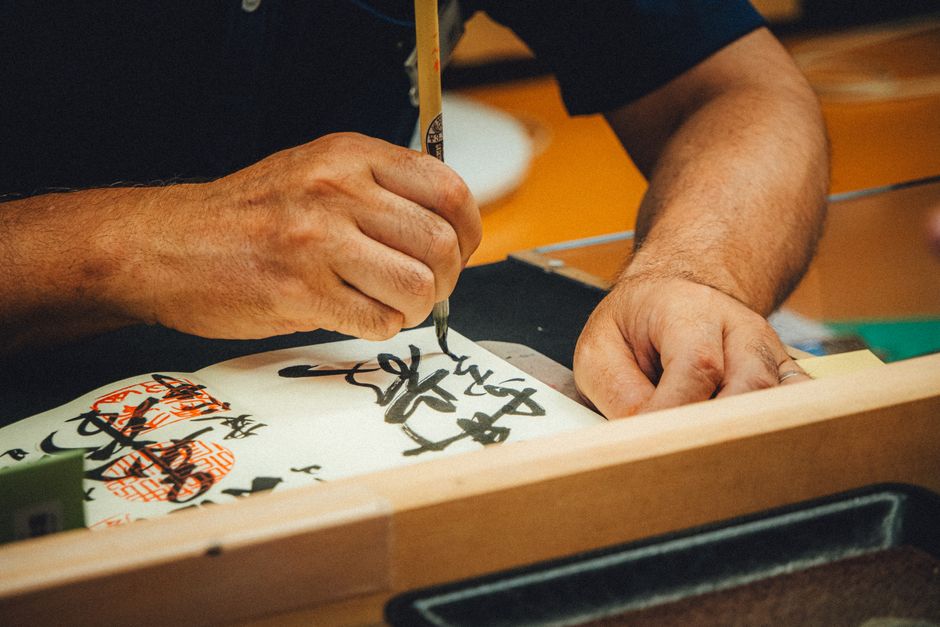
Offers may be published by a school, a platform or an independent provider. Compare the original description with the platform’s summary to avoid discrepancies regarding the language, times or services included. If your itinerary also includes a cultural workshop, the Japanese calligraphy class in Tokyo may complement a day devoted to Japanese traditional crafts.
Planning your day around the workshop
A morning class can be combined with exploring Toyosu or Tsukiji, but avoid packing in too many activities that are far apart. The start time is particularly important for options linked to the market. After the workshop, allow time for the journey before a non-flexible booking.
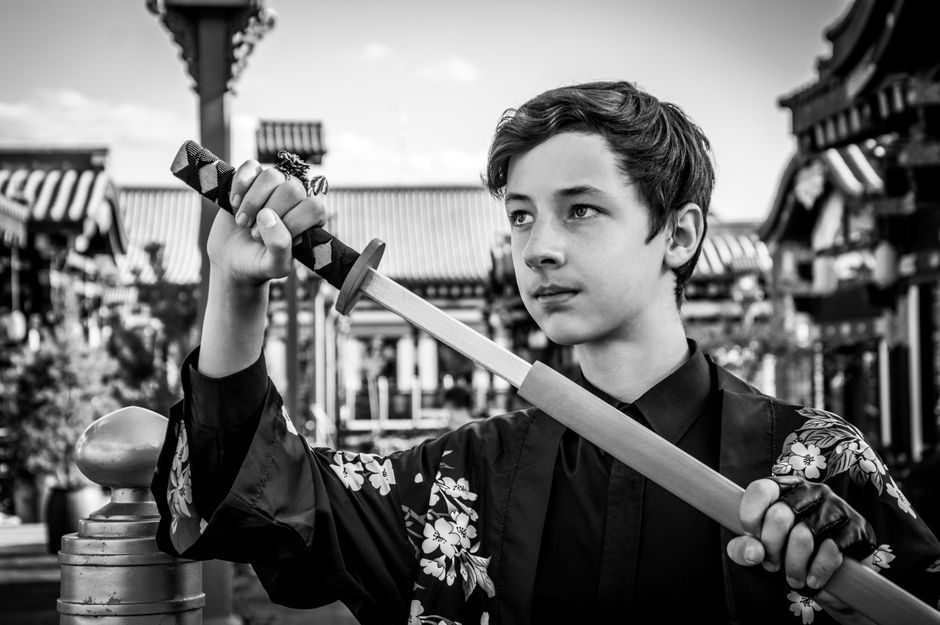
Shinjuku is a convenient base for some schools, while activities near Tsukiji or Toyosu require a different route. To round off your stay without focusing solely on food, you can explore the guide to the Akihabara district or compare activities with a samurai workshop in Tokyo.
Tips during the class
Listen to the instructions before handling the utensils and ask for a demonstration if a movement is unclear. The seasoned rice, the amount of filling and the pressure applied all affect how well the sushi holds together. Take notes if you want to recreate the recipe when you return home, particularly the order of the steps and how to store it.
Raw fish must be kept fresh. Follow the school’s instructions concerning tasting and leftovers, and do not transport food if the provider does not recommend it. Hygiene rules and the availability of takeaway boxes vary from one workshop to another.
Frequently asked questions
How much does a sushi class in Tokyo cost in euros?
The offers reviewed are displayed in yen, from 3,500 to 12,000 yen for a standard class. The conversion into euros depends on the exchange rate at the time of payment. Also check for any platform fees and the services included before comparing prices.
Do you need to know how to cook to attend a sushi class in Tokyo?
No, workshops aimed at travellers generally start with the basics. You watch a demonstration, then prepare the rice, filling and pieces with the instructor’s help. If you have no experience, check that the listing clearly states that it is suitable for beginners.
Are there sushi classes in French in Tokyo?
Some offers indicate assistance in French, but availability may depend on the date and the instructor. Confirm the language before paying and ask whether the technical explanations, materials and exchanges during the practical session are all available in French.
Does a sushi class in Tokyo include a visit to Toyosu?
Not necessarily. Some options combine the workshop with a transfer, a visit to the market or breakfast, while others are limited to preparation and tasting. Read the detailed programme and check the meeting time before booking.
Can you attend a sushi class with a food allergy?
Inform the school before booking, specifying the allergy and the foods concerned, particularly fish, shellfish, soya or sesame. The organiser can confirm the possible adaptations and any remaining risks. Do not wait until the day itself to mention it.