Tip: set up a Japan eSIM before departure so your data works on arrival.
How to choose your samurai workshop in Tokyo
Not all workshops offer the same activity. Some focus on the show and historical discovery, while others devote more time to practising with the katana or bokken. Before booking, check the exact content of the session, the type of weapon used and how much time is dedicated to explanations.
Depending on your aim
- Discover Japanese culture: choose a package with an introduction to the samurai, a demonstration, traditional clothing and explanations of codes of behaviour.
- Practise the movements: look for a session that includes progressive learning of stances, footwork and strikes, with individual or small-group supervision.
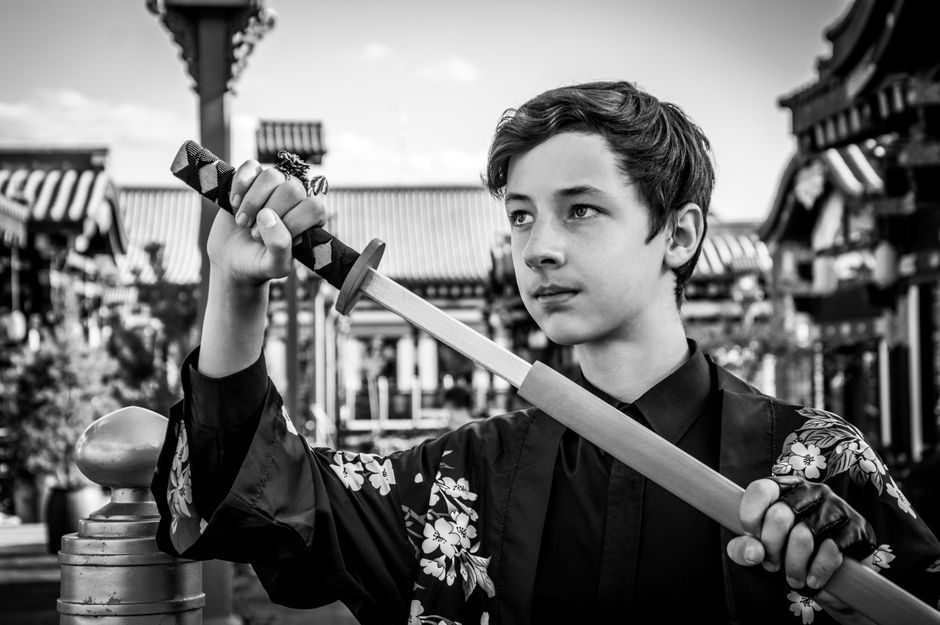
- Enjoy a visual experience: prioritise a package including a kimono or hakama, a demonstration and photos, checking whether photography is included.
- Share the activity as a family: check the accepted age, any minimum height and whether a wooden sword is used for participants who cannot use a real katana.
The main formats in Tokyo
| Format | What you can expect | Best if you are looking for |
|---|
| Introduction | Introduction, basic movements and guided practice | A first experience |
| Tatami cutting | Demonstration followed by a supervised exercise on a straw roll | A more hands-on activity |
| Cultural experience | Clothing, history, ceremony or discussions about bushido | A broader traditional experience |
| Private lesson | Personalised advice and an adapted pace | Individual guidance |
Which district should you choose for this activity?
The location affects how you organise your day. Asakusa is easy to combine with a walk through a historic district and other cultural activities. Shinjuku is suitable if you are staying in the western part of central Tokyo or would like to continue your evening in a lively area. Azabu may be better suited to a private experience, depending on the provider’s exact address.
Check the full address before paying: a district name is not always enough to estimate travel time. Also allow extra time to find the entrance, change and receive instructions before the session begins.
Booking a samurai workshop
What to check
- The language used for the welcome and explanations: French is rarely guaranteed, while English is often available depending on the package.
- Equipment provided: kimono, hakama, bokken, katana and any photo accessories.
- Required level of experience: beginners are generally directed towards an introductory session, but confirm this with the organiser.
- Physical conditions or restrictions: minimum height, pregnancy, reduced mobility and ability to remain standing.
- The conditions for changes or cancellations, as well as the time you need to arrive.
- Rules concerning photos, companions and children.
Availability may vary depending on the language, number of participants and type of session. For a trip with fixed dates, book in advance rather than choosing solely based on the advertised price. Ask the provider for the latest conditions if the description lacks detail.
How much should you budget?
The options available in Tokyo range from 3 500 to 12 000 yen, depending on the duration, whether the session is private and the services included. Short group experiences are the most affordable. A private lesson, a longer session, professional photos or a tea ceremony may push up the price.
Always compare what is included before booking: clothing, weapon, tatami cutting, drinks, photos and any additional fees are not necessarily included in every offer. If the price is not clearly stated, check it on the booking page or with the provider.
What to expect and safety rules
The session usually begins with a welcome, getting changed and an introduction to the equipment. The instructor then explains the posture, how to hold the weapon and the permitted movements. Practice takes place step by step, without improvisation. Follow the instructions, keep your distance from other participants and do not handle the katana outside the indicated exercises.
Choose comfortable, relatively close-fitting clothes to wear under the provided outfit. Remove jewellery, watches and accessories that could hinder your movements. Tie back long hair. If you are pregnant, have a physical limitation or are unsure whether you are fit to take part, mention it before booking and ask which version of the activity is possible.
What to do before or after the workshop
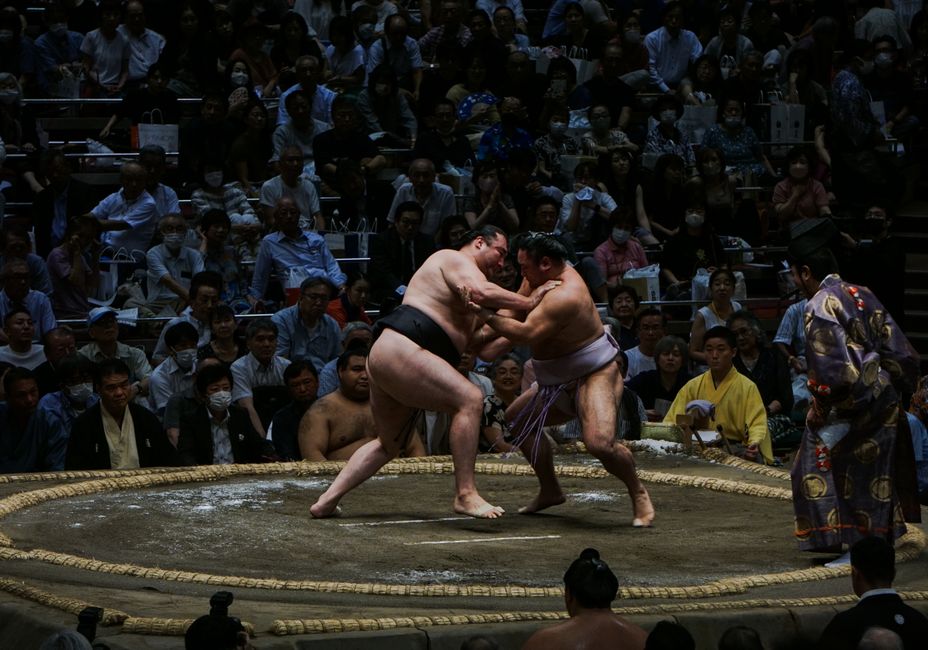
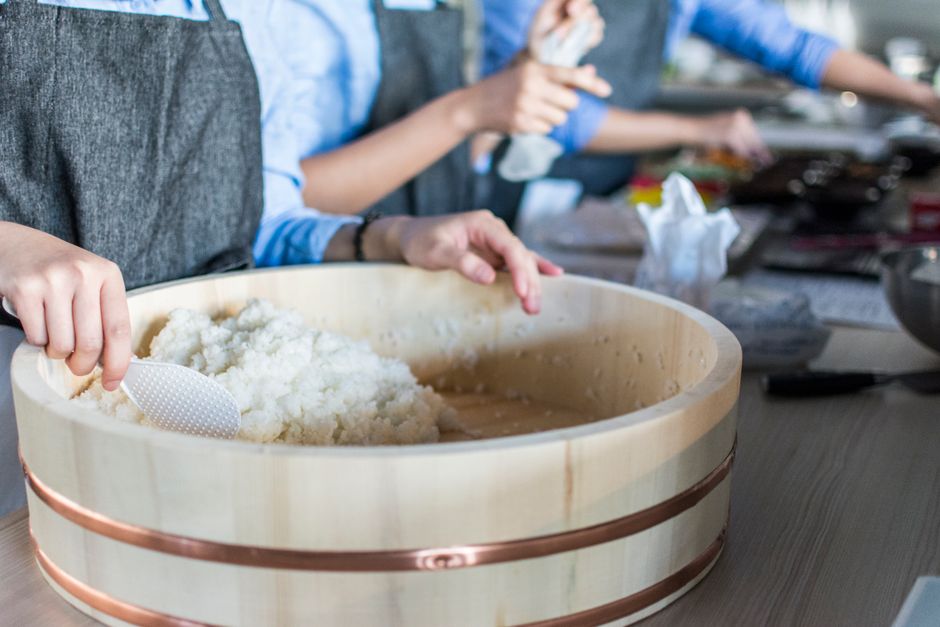
A samurai workshop can be part of a day devoted to Japanese traditions. You can combine it with a sumo tournament in Tokyo if your itinerary takes you to Ryōgoku, or plan a sushi-making class in Tokyo to continue your discovery with a culinary activity.
If you would prefer to vary your experiences, the observatories in Tokyo offer a quieter change of pace after a physical session. For a more immersive and visual outing, also see the TeamLab Tokyo guide, bearing in mind that booking may be required depending on the date chosen.
Tips for making the most of the experience
- Arrive early enough to get changed and listen to the instructions without rushing.
- Do not choose an option solely for the photo: the quality of the instruction remains the main criterion.
- Ask whether the activity takes place entirely indoors and whether the conditions change when it is very busy.
- Treat the clothing, bow and the sensei’s instructions as part of the cultural experience.
- Keep the booking confirmation and address in a format that can be accessed offline.
Frequently asked questions
How much does a samurai workshop in Tokyo cost?
The listed options range from 3 500 to 12 000 yen. The price depends on the duration, number of participants, type of weapon and services included. In particular, check whether the clothing, photos, tatami cutting and tea ceremony are included before comparing the options.
Do you need to know how to handle a katana to take part?
No, introductory sessions are designed for beginners. The instructor explains the posture, how to hold the weapon and the permitted movements before practice begins. Do not try to reproduce the movements on your own: the katana or bokken must only be handled according to the instructor’s instructions.
Can a child take part in a samurai workshop in Tokyo?
It depends on the organiser, the child’s age and height. Some experiences offer a family version or a bokken, while using a real katana may be subject to a minimum height. Ask the provider for the precise conditions before booking.
Is the workshop offered in French?
French is not guaranteed. Some sessions are offered in English, particularly at venues accustomed to international visitors. Check the advertised instruction language and contact the organiser if you need detailed explanations to take part in suitable conditions.
What should you wear for a samurai experience?
Wear comfortable, close-fitting clothes, as traditional clothing is generally put on over them. Remove jewellery and your watch, then tie back long hair. Footwear and changing instructions vary depending on the venue: check the information you receive after booking.