Tip: set up a Japan eSIM before departure so your data works on arrival.
Which Tokyo observatory should you choose for your itinerary?
Observatories do not all offer the same experience. Height alone is not enough to distinguish between them: the direction of the view, the presence of an outdoor terrace, the atmosphere of the neighbourhood and whether you need to book all matter just as much.
| Observatory | Main advantage | Choose it if you are looking for | Point to note |
|---|
| Tokyo Skytree | A very high and extensive view | A spectacular panorama over the metropolis | A very popular venue, far from the western neighbourhoods |
| Shibuya Sky | An open-air terrace | Photos, a contemporary atmosphere and sunset | Wind and possible restrictions on the terrace |
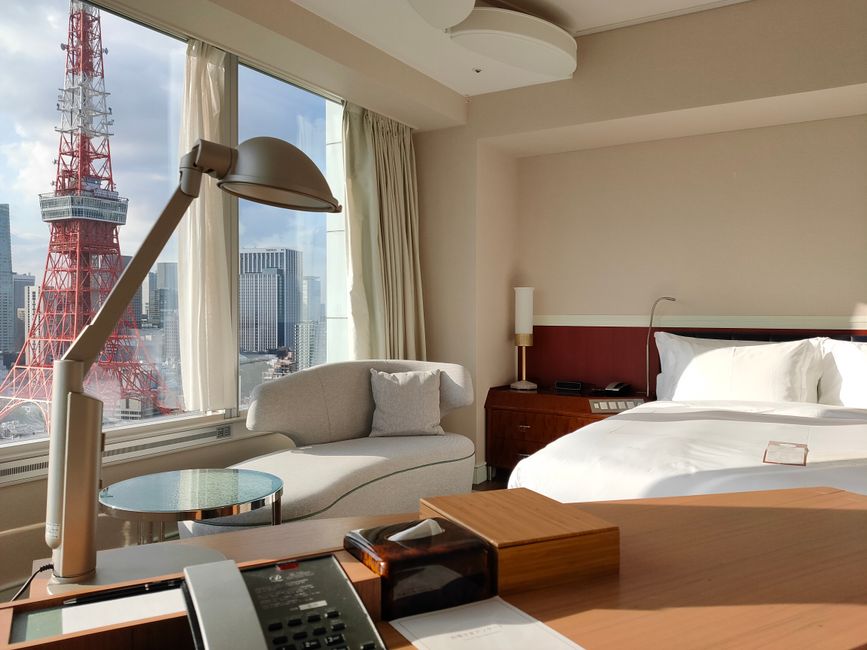
| Tokyo Tower | An iconic landmark | An evening out near Roppongi and the bay | A less commanding view than from the tallest towers |
| Tokyo Metropolitan Government Building | Free access | Keeping costs down or making an impromptu visit | Opening hours and arrangements may change |
| Roppongi Hills | An urban view from a lively neighbourhood | Combining a panorama with restaurants and a night out | Visibility depends heavily on the weather |
The free Tokyo Metropolitan Government Building observatory in Shinjuku
The Tokyo Metropolitan Government Building, often called Tokyo City Hall or Tocho, is one of the best choices for seeing the capital without adding a paid ticket to your budget. Its observatories are located at the top of the administrative building, in the Nishi-Shinjuku district. The panorama stretches across the skyscrapers and, when the air is clear enough, towards Mount Fuji and Tokyo Bay.
This visit is easy to combine with exploring Shinjuku. However, allow some time to walk from the main stations and check the official information before setting off: access, opening days, security checks and opening hours may change. Free admission does not guarantee that there will be no queues during busy periods.
Why choose the city hall rather than a paid tower?
- You want to see Tokyo without booking a paid time slot.
- You are visiting Shinjuku and looking for an activity that is easy to add to your itinerary.
- You would rather save your budget for other experiences, such as a ticket for TeamLab Tokyo.
- You want to compare the city as seen from an administrative building and from a tourist tower.
Shibuya Sky or Tokyo Skytree: how do you choose?
The comparison between Shibuya Sky and Tokyo Skytree comes up often, as these two places suit different preferences. Shibuya Sky focuses on the experience and presentation: the outdoor terrace, architectural lines and views over Shibuya make it a popular choice for photography. Sunset is particularly sought after, making the relevant time slots harder to secure.
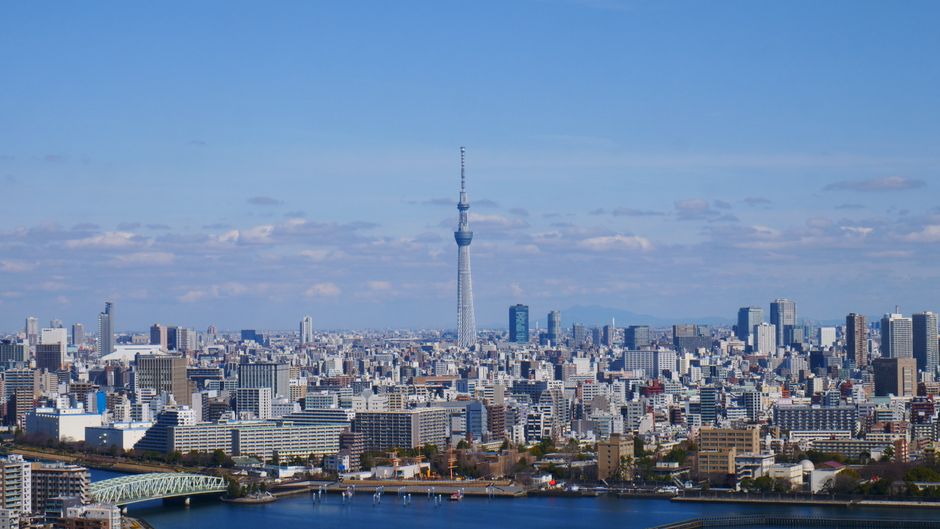
Tokyo Skytree focuses on height and the breadth of its panorama. It is better suited to visitors who want to appreciate the sheer size of Tokyo, identify neighbourhoods from the viewing platforms and enjoy an unobstructed view when visibility is good. Its location naturally combines with Asakusa, particularly Senso-ji Temple and the surrounding shopping streets.
The best choice depending on your priority
- For modern photos: Shibuya Sky, if the weather allows access to the terrace.
- For height: Tokyo Skytree, with a more distant and wider view.
- For a straightforward outing: choose the observatory in the neighbourhood you are already planning to visit.
- For sunset: book as soon as the official calendar opens the time slots, then plan a back-up option.
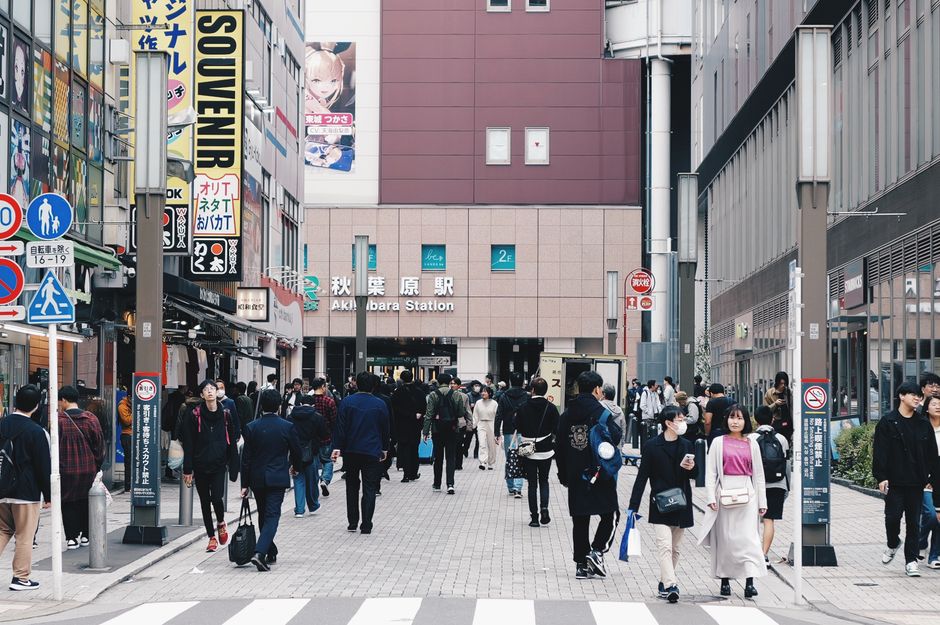
If you are hesitating between several activities in Shibuya, you could also plan another day around an Akihabara neighbourhood guide, rather than making multiple journeys between distant neighbourhoods.
What weather is best for enjoying an observatory in Tokyo?
Clear skies considerably improve the appeal of a visit, especially if you hope to make out Mount Fuji or distant mountains. Low cloud, rain, mist and visual pollution can reduce the range of the panorama. Conversely, changing light can create beautiful urban views, even without completely clear visibility.
Before setting off, check the weather forecast and the venue’s announcements. For an outdoor terrace, also check the rules concerning luggage, hats, tripods and objects that could be blown away by the wind. These restrictions may not apply in the same way to an indoor platform.
Booking, opening hours and practical arrangements
Should you book or keep your visit flexible?
Booking is generally preferable for very popular observatories and sought-after time slots. It reduces the risk of making a wasted journey, but means you must stick to a specific time. For an impromptu visit, Tokyo City Hall may be more suitable, subject to its opening conditions.
- Start by choosing the neighbourhood you are visiting that day.
- Compare the indoor view with the outdoor terrace.
- Check tickets, time slots and cancellation conditions with the official source.
- Keep a back-up option if the panorama is your priority.
- Allow extra time for security checks and the lift.
Visiting with children or a pushchair
Towers and large buildings are generally easier to visit with a pushchair in indoor areas than on a terrace. Rules may vary from one venue to another. Check whether pushchairs are permitted, the arrangements for luggage and whether there are places to sit before your visit, especially if you expect to queue.
Combining an observatory with another activity
To avoid spending the whole day queuing and travelling, combine the observatory with an activity in the same area. Shibuya Sky naturally combines with the famous crossing and shopping streets. Tokyo Skytree can complement a stroll around Asakusa. Tokyo Tower fits well into an evening around Roppongi, while Tokyo City Hall can be included in a day in Shinjuku.
Plan just one major panoramic ascent per day if your itinerary is busy. To vary your culinary experiences after the visit, you could book a ramen-making class in Tokyo or discover the specialities of another neighbourhood. Observatories are more enjoyable when you allow enough time for them, rather than treating them as a quick stop between two forms of transport.
Frequently asked questions
Which Tokyo observatory is best for seeing Mount Fuji?
No observatory guarantees a view of Mount Fuji. Visibility depends on the weather, mist and the direction in which the platform faces. Tokyo Skytree, Tokyo City Hall and Roppongi Hills may offer this type of panorama when the air is clear. Check the conditions on the day itself.
Shibuya Sky or Tokyo Skytree for a first visit?
Choose Shibuya Sky if you are looking for a contemporary terrace and photos above Shibuya. Choose Tokyo Skytree if height and a very extensive view are your main priorities. The neighbourhood planned in your itinerary should also guide your choice, as the two sites are far apart.
Which Tokyo observatory is free?
The observatory at the Tokyo Metropolitan Government Building in Shinjuku is the best-known free option. Access arrangements and opening hours may change. Check the official information before your visit and allow for a possible wait during the busiest periods.
Do you need to book an observatory in Tokyo?
Booking is recommended for very popular sites and sunset time slots. It is not always necessary for Tokyo City Hall, but access depends on its current rules. Check the official calendar, available tickets and amendment conditions before confirming.
Which Tokyo observatory should you visit at night?
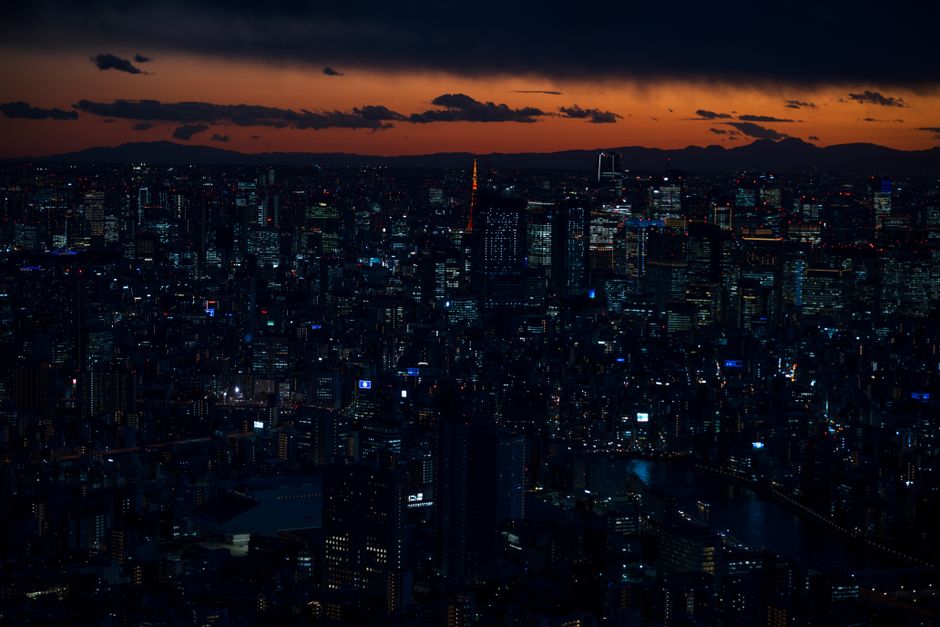
Tokyo Tower, Shibuya Sky, Roppongi Hills and Tokyo Skytree can offer beautiful night views, depending on their opening hours and access conditions. Tokyo Tower is particularly suitable for an outing around Roppongi. For an outdoor terrace, check the rules and the weather before booking.