To get online as soon as you land, a Japan eSIM can be installed before you leave, with no need to look for a local SIM card.
Choosing between Tokyo and Kyoto
The choice of city depends mainly on your itinerary and the type of experience you are looking for. Tokyo offers several formats in very different neighbourhoods, while Kyoto makes it easier to combine calligraphy with exploring traditional sites. However, the duration, language and content of the workshop remain more decisive than the city itself.
Workshops in Tokyo
Muse Calligraphy sessions in Shinjuku offer guidance in French and last one and a half hours. Calligraphy Tokyo, in Asakusa, caters to beginners with a one-hour session and an introduction to four kanji. Bengara, in Roppongi, adds wearing a kimono and a photo session to a two-hour workshop.
Participants looking for more in-depth content can consider the Nihon Shuji formats in Akasaka or the private Bokujō lesson in Kanda. These options are presented as being intended for experienced participants, and their price is higher than that of introductory sessions.
Workshops in Kyoto
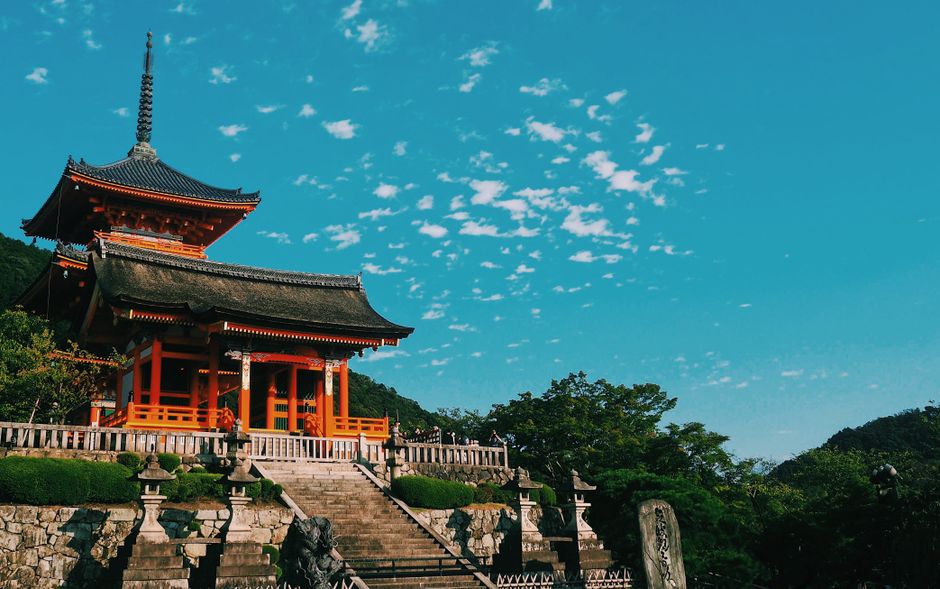
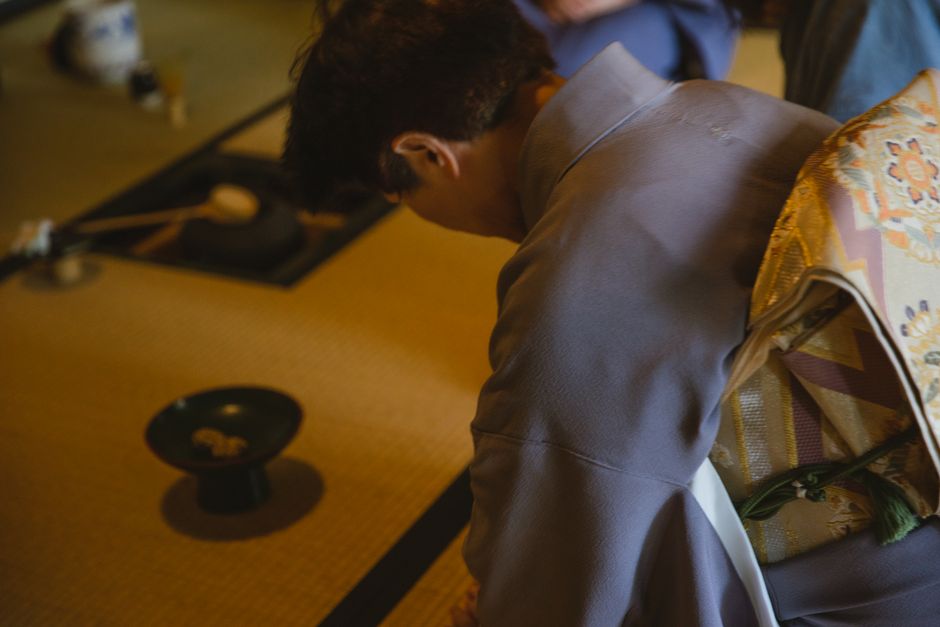
Sho-sha-kan, in Gion, offers a one-and-a-half-hour session with guidance in French. Kyoto Calligraphy Center, in Nijō, offers a one-hour introduction in English. Terakoya, in Higashiyama, combines a two-hour workshop with a tea ceremony. Tōji-in also offers an approach to Zen calligraphy in its garden.
If you are already staying in Kyoto, a workshop in Gion or Higashiyama can fit into a day devoted to the historic neighbourhoods. However, check the times, languages and arrangements directly with the organiser before booking.
Which type of class should you choose?
| Your objective | Recommended format | What to check |
|---|
| Discover shodō | One-hour introductory session | Explanations in French or English |
| Create a souvenir | Workshop with a final kanji | Support and packaging provided |
| Experience Japanese culture | Calligraphy with a kimono or tea ceremony | Activities actually included |
| Improve your technique | Longer class or private lesson | Required level and personalised correction |
Beginners do not need to know kanji to take part. The workshop generally starts with an introduction to the equipment and basic movements. A short option is suitable if you simply want to try the activity during a trip. A longer session allows more time to practise and receive corrections.
What you will learn during the session
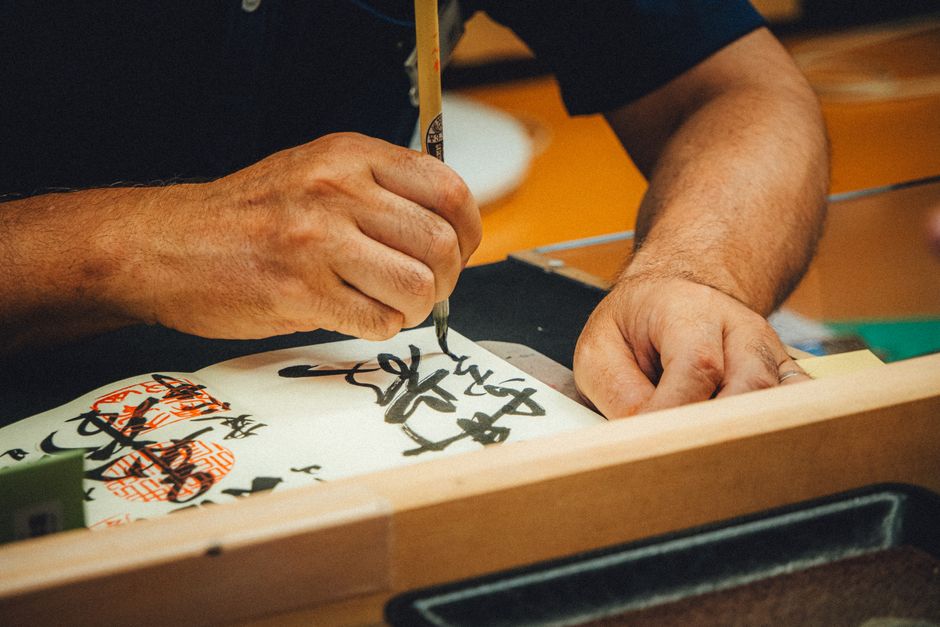
Shodō is not about copying a character like a drawing. The teacher explains the meaning of the kanji, its stroke order and how to control the brush. You will work in particular on your posture, the pressure applied to the paper and the angle of the fude. These elements give the stroke its thickness and movement.
The main stages
- Welcome and introduction to the school or workshop.
- Discovering the brush, ink and paper.
- Simple exercises to get used to the movements.
- Introduction to the kanji and explanation of its stroke order.
- Repetitions corrected by the sensei.
- Creating a final piece to keep.
Traditional equipment includes the fude, the brush, the sumi, stick ink, the suzuri, the inkstone and calligraphy paper. Some workshops provide everything you need. If you would like to continue after your trip, a beginner’s kit consisting of a brush, an inkstone, ink and paper is listed at 3,000 yen in the information available on this page.
Preparing your booking
Booking a week in advance is recommended for the workshops mentioned, especially if you are looking for support in French or a private session. Availability may change: check the calendar, exact address, duration and cancellation policy before paying.
Compare the options using practical criteria:
- the language used by the instructor;
- the actual duration of the activity;
- the number of participants;
- the equipment included in the price;
- whether you can take your creation home;
- any additional charges for a tube, kimono or photograph.
The prices shown on the page range from 2,500 to 6,000 yen for classes aimed at visitors. Private lessons or those intended for experienced participants may cost more. As prices and terms may change, use the organiser’s information as the final reference.
Clothing, accessibility and practical arrangements
Wear comfortable clothing that is easy to protect. Jackets and bags may have to be placed on the floor during the session. Ask in advance whether the space is accessible, whether you need to remove your shoes and whether specific clothing is required for wearing a kimono.
A final kanji can be stamped with a hanko and taken home in a tube. The tube listed in the activity information costs 500 yen. If you are taking the train or walking a lot after the workshop, bring suitable packaging to prevent your creation from getting bent.
Combining calligraphy with another activity
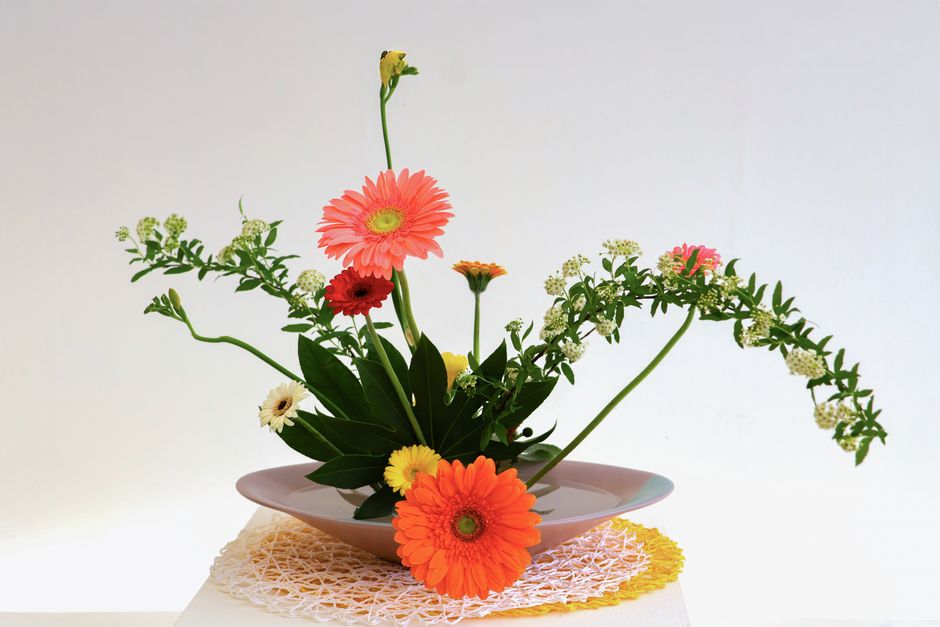
Calligraphy fits easily into a day devoted to traditional Japanese arts. You can combine it with an ikebana class in Japan to compare the use of line and composition. In Kyoto, an option including a tea ceremony can extend the cultural experience without requiring numerous journeys.
In Tokyo, visitors wishing to discover other culinary practices can look at the ramen-making class in Tokyo or the sushi-making class in Tokyo. Book each activity while taking the schedules and travel time between neighbourhoods into account.
Things to remember before booking
- Shodō is suitable for beginners with no prior knowledge of kanji.
- Tokyo offers several formats, from introductory classes to private lessons.
- Kyoto offers workshops in French in Gion and options combined with a tea ceremony.
- The language, included equipment and support for taking your work home should be checked before payment.
- Published prices are indicative and should be confirmed with the organiser.
Frequently asked questions
Do you need to be able to read kanji to take a Japanese calligraphy class?
No. Introductory workshops explain the meaning of the character, stroke order and basic movements before the repetitions. You can take part without knowing Japanese. If you have a preference for a kanji or word, ask the workshop whether it can be offered during the session.
Can you take a Japanese calligraphy workshop in French?
Yes, the available information indicates that French-language support is offered at Muse Calligraphy in Tokyo and Sho-sha-kan in Kyoto. The other workshops mentioned offer English, among other languages. The language and level of support may vary depending on the time slot: check this before booking.
What can you bring home after a shodō workshop?
You can generally keep your finished piece. The page’s information mentions a hanko stamp and a tube for transporting the work. Ask whether these items are included in the price or charged separately, then check that the format is suitable for your return journey.
What should you wear to a calligraphy workshop in Tokyo or Kyoto?
Wear comfortable clothes that you do not mind getting splashed with ink, and choose an outfit that is easy to put on in a traditional space. Bags and jackets may have to be placed on the floor. If the class includes a kimono, ask about the clothing requirements when booking.
How do you choose between a calligraphy class in Tokyo and one in Kyoto?
Choose according to your itinerary, preferred language and the content you are looking for. Tokyo offers introductory classes in several neighbourhoods as well as private options. Kyoto allows you to combine calligraphy with a tea ceremony or a traditional setting. Above all, compare the duration, level and activities included.